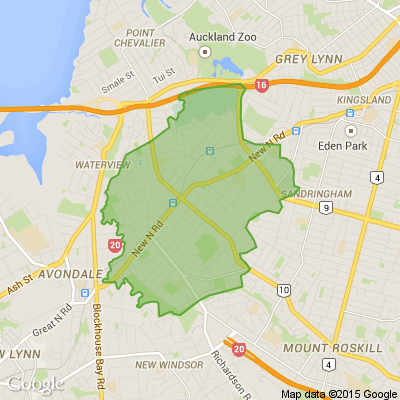

Mount Albert news is brought to you by the team at Central Leader
Recent posts








Thank you for using Neighbourly
Thank You
You may receive an email confirmation for any offer you selected. The associated companies will contact you directly to activate your requests.

Extended Black Friday Deals — Up to 70% OFF!
Hey neighbours,
Good news — our Black Friday Deals at Beds4U have been extended, but only for a little longer. This is the final stretch, and some of the biggest savings of the year are almost gone.
If you’ve been thinking about upgrading your bed or mattress, now’s the perfect time … View moreHey neighbours,
Good news — our Black Friday Deals at Beds4U have been extended, but only for a little longer. This is the final stretch, and some of the biggest savings of the year are almost gone.
If you’ve been thinking about upgrading your bed or mattress, now’s the perfect time to try comfort in-store and lock in your deal before the last units sell out.
Black Friday Extended Highlights:
• Up to 70% OFF NZ-made beds
• Up to 50% OFF TEMPUR
• Sealy Posturepedic with our Lowest Price Guarantee
• Free Premium Pillows, Free Delivery, and Free Size Upgrades on select beds
Stocks are moving fast and several sizes are already running low. Once these offers end, they won’t be back.
Find your nearest Beds4U store: beds4u.co.nz...
Browse all Black Friday deals: beds4u.co.nz...
Don’t wait, Neighbours. When they’re gone, they’re gone.





Wayne Brown unveils 7.9% Auckland rates increase to pay for City Rail Link running costs
Brian from Mount Roskill
The increase will cover the $235 million annual cost of operating the new underground rail service, and is the largest rate rise since Auckland Council was formed in 2010.
For the average household, already strained by the cost‑of‑living crisis, annual rates will climb from $4023 to $4341, a… View moreThe increase will cover the $235 million annual cost of operating the new underground rail service, and is the largest rate rise since Auckland Council was formed in 2010.
For the average household, already strained by the cost‑of‑living crisis, annual rates will climb from $4023 to $4341, a weekly cost of $83.
Auckland Mayor Wayne Brown’s rates announcement came shortly after Prime Minister Christopher Luxon confirmed at his post‑Cabinet press conference this afternoon, alongside Local Government Minister Simon Watts, that the Government will introduce a rates cap of 2% to 4% from January 2027. The cap excludes water charges and non-rate revenue such as fees and other charges.
“Ratepayers are fed up,” said Luxon, saying some communities had faced regular double-digit increases and the Government expected councils to demonstrate fiscal prudence.
Auckland’s proposed 7.9% rate increase is contained in Brown’s mayoral proposal for next year’s budget and is in line with the rate increases in the council’s long-term plan. After next year, rates are set to rise by 3.5% each year.
Brown said his proposal was focused on progressing and finishing what the council started last term – transport reform, governance improvement and value for money.
“This proposal sets direction for the year ahead – consolidating what we have achieved and focusing our resources on what matters most. It keeps faith with Aucklanders, maintains our contract with the community, and ensures we are ready for the next long-term plan [in 2027],” he said.
Brown acknowledged the 7.9% average household rates rise was higher than he would have liked, but said it reflected the costs of the City Rail Link, a project he has criticised for blowouts and delays, but now sees as vital to reinvigorating Auckland and driving economic growth.
The $235m bill to run the CRL includes maintenance costs, interest on debt to fund construction, depreciation, facilities such as new stations, track access charges from KiwiRail, and running more services.
As well as the proposed rate rise in the budget, there is a $50m budget gap that officers are developing options to address, and an extra $15m for the 21 local boards under a fairer funding review.
There is a savings target of $106m and asset sales of $34m, with Brown expressing disappointment at progress made in this area.
Brown said he expected the Local Government (Auckland Council) (Transport Governance) Amendment Bill to return control of Auckland Transport to the council would become law in March next year.
This would be followed by a six-month implementation period when Auckland Transport will become responsible for public transport, and the council will be responsible for transport planning matters and the road controlling authority.
“The decisions we make in the coming months will impact the daily lives of Aucklanders, who expect things to be better. If we get this right, we will deliver progressive and long-lasting improvements to transport in Auckland.
“Ultimately, I want to eliminate the dumb stuff that infuriates me and ratepayers,” said the mayor.
Brown reacted to the Government’s rates cap plan by questioning how Auckland would pay for things like the CLR.
“Putting a cap on rates isn’t going to solve anything. It will just defer it for a couple of years then ratepayers will be paying even more,” he told the Herald.
“Councils are faced with making decisions that involve significant investment and should not be restricted by government telling us what we can and can’t do.”
Last week, Transport Minister Chris Bishop, Auckland Minister Simeon Brown and the Auckland Mayor said the CRL would open to passengers in the second half of next year.
Two sources have told the Herald the opening date is set for September.
Auckland Transport director of public transport, Stacey van der Putten, said there was no set opening date but she was confident the new rail line would open in the second half of the year.
“We should be able to provide a tighter opening-date range in the coming months, but the opening date will ultimately be announced when a satisfactory level of testing, commissioning, and readiness has been demonstrated,” she said.
A Herald investigation in October found the council’s annual rates revenue has nearly doubled from $1.57b to $3b since it was formed in 2010.
Over that period, the typical household’s yearly rates rose by 85.4%, from $2025 to $3800 in the 2024-25 financial year. The average annual rate increase was 4.52%.
While the hefty rise in rates may surprise many, it coincided with 34% inflation, a 22% population increase, and major boosts in the council’s other revenue streams and infrastructure investment.
Council financial strategy manager Michael Burns said rate increases had averaged 2.16% a year above inflation, helping fund key priorities such as public transport, water quality, storm recovery and resilience, environmental initiatives and the response to Covid-19.
To keep rates as low as possible, he said, the council had reduced its reliance on rates revenue, from 49% of total income at the start of the Super City to about 35% today.
Councillors will consider the mayoral proposal on December 15 and it is to go out for public consultation in late February.
=======================================================

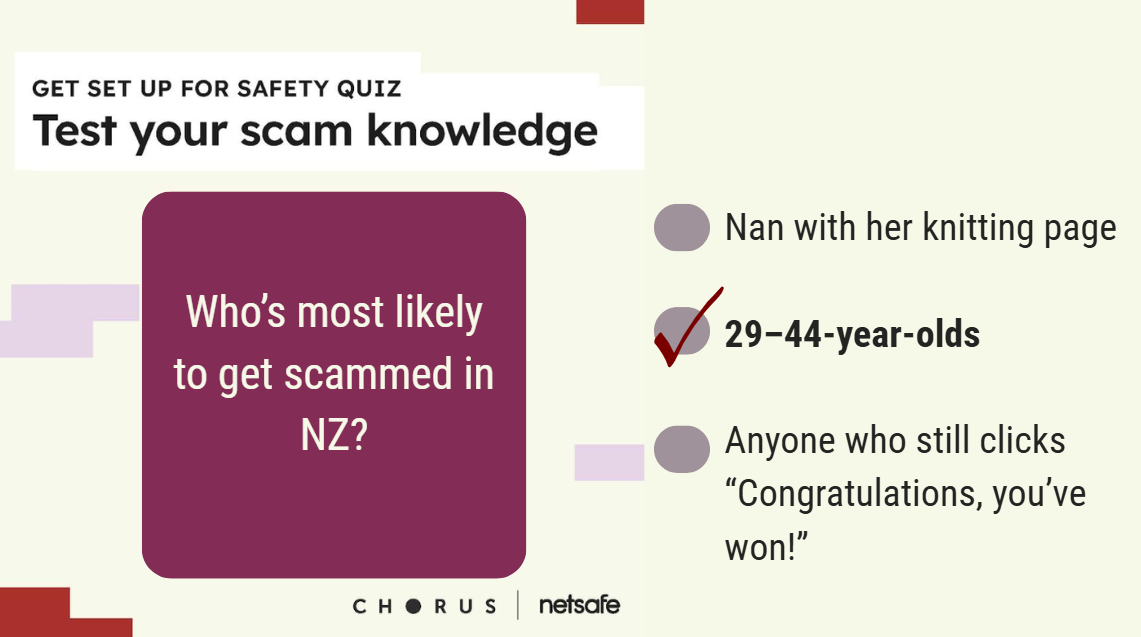
Think you can spot a scam from a mile away?
You might be surprised. Scammers are getting slicker, sneakier, and a whole lot more convincing, and they’re targeting everyone from students to grandparents.
Before you brush it off with “I’d never fall for that,” give your scam radar a quick tune-up! Test yourself with Netsafe’s fun … View moreYou might be surprised. Scammers are getting slicker, sneakier, and a whole lot more convincing, and they’re targeting everyone from students to grandparents.
Before you brush it off with “I’d never fall for that,” give your scam radar a quick tune-up! Test yourself with Netsafe’s fun new Scam Spotting Quiz or try our online module for even more skill-building.
Scams can catch anyone — even the careful ones.
Keep your wits (and your wallet) about you!
45 replies (Members only)

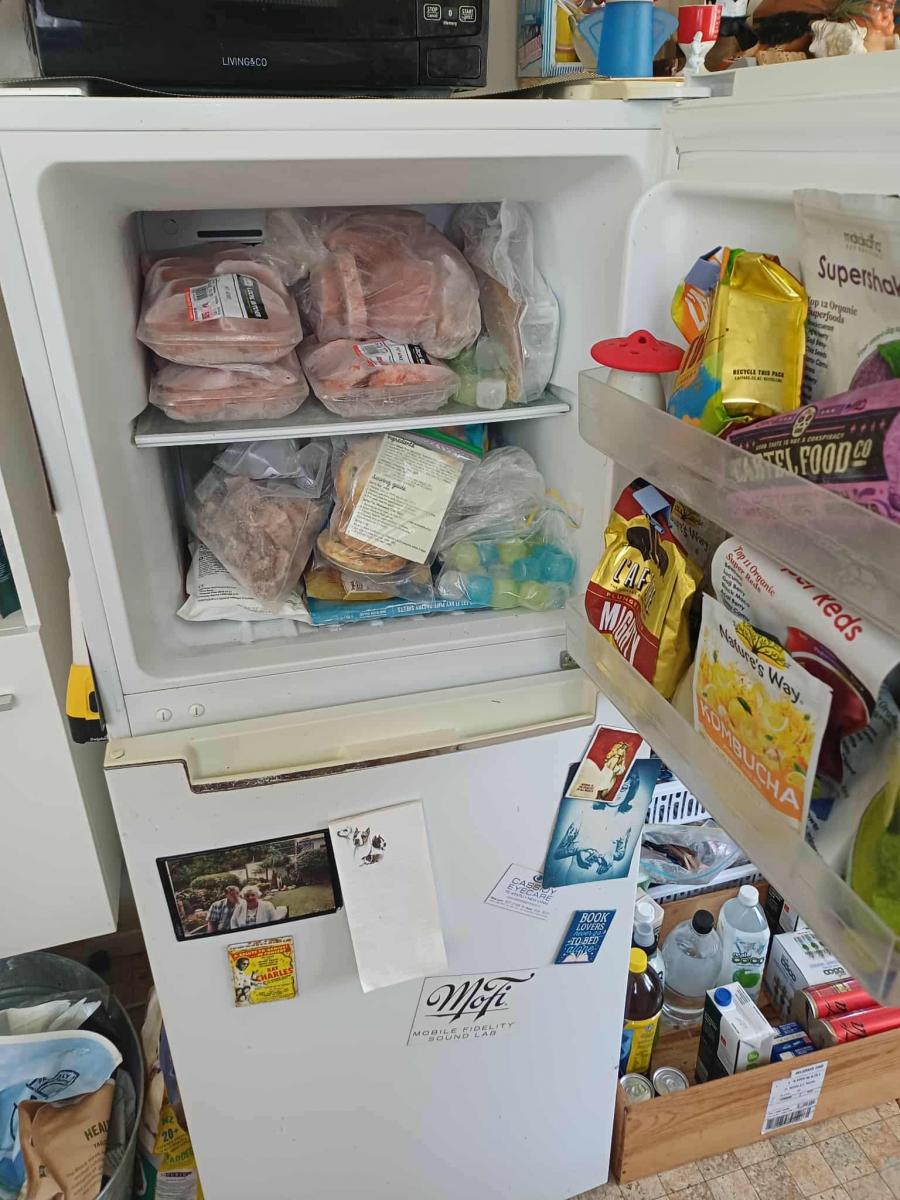
Fridge freezer
Kirstine from Avondale
In good working order in Avondale
Must pick up ph 0211275721 Kirsty
Price: $100

Crackerjack: your one stop Christmas shop!
Get ready to jingle all the bargains! Crackerjack’s Christmas range is bursting with sweet treats, chocolates, fun pressies, toys for the little ones (and furry friends!), plus festive décor, accessories, stocking stuffers and Secret Santa winners!
Whether you’re looking for gifting inspo … View moreGet ready to jingle all the bargains! Crackerjack’s Christmas range is bursting with sweet treats, chocolates, fun pressies, toys for the little ones (and furry friends!), plus festive décor, accessories, stocking stuffers and Secret Santa winners!
Whether you’re looking for gifting inspo or filling the trolley with bargains this festive season, you’ll find it all in store and online at Crackerjack.
Find out more

IKEA Opening---4th December
Brian from Mount Roskill
IKEA’s first New Zealand store is expected to attract between 11,500 and 16,000 visitors daily during the initial four months, with peak days seeing even higher numbers. The store’s location near Sylvia Park is already a high-traffic area, and significant congestion is anticipated, especially … View moreIKEA’s first New Zealand store is expected to attract between 11,500 and 16,000 visitors daily during the initial four months, with peak days seeing even higher numbers. The store’s location near Sylvia Park is already a high-traffic area, and significant congestion is anticipated, especially during the opening weekend and peak periods.
Location
========
The store will be opening adjacent to Sylvia Park Mall and the Southern Motorway between Carbine Road, Clemow Drive and Te Ahoterangi Rise, on Thursday 4 December 2025.
Transport impacts
===============
The opening will place exceptional demand on the Mount Wellington and Sylvia Park area, with congestion likely to extend across arterial roads, state highways, and motorway offramps.
Travel times are likely to be much longer than usual across the network including for those going to IKEA, travelling through Mt Wellington and on State Highway 1.
We strongly encourage road users to plan ahead, consider alternative routes and allow extra time for their journeys.
This increase in demand is expected to remain high for the first few months of opening.
What to expect
=============
Traffic modelling shows that in a worst-case scenario, there could be 40 minute+ queues to exit the motorway at Mt Wellington Highway and wait times of up to 1 hour to get into car parks at IKEA. Surrounding streets in Mt Wellington are likely to also get congested, with forecast delays ranging from 2 min+ to 39 minutes on Mt Wellington Highway (in peak traffic).
Congestion of this level has impacts across the whole state highway network, as well as on arterial roads in the immediate area and beyond.
A significant queue for a motorway exit is the equivalent of a serious crash blocking a lane. In peak traffic, crashes often cause additional 20–40-minute delays to journeys.
Congestion will be at its worst during evening peak traffic on weekdays and on Saturdays from 1-4pm (particularly heading Northbound from South Auckland toward Mt Wellington).
AT and NZTA Operational Support
============================
Auckland Transport (AT) and the New Zealand Transport Agency (NZTA) via the Auckland Transport Operation Centre (ATOC) are supporting and advising IKEA and Kiwi Property in their planning to support a travel experience that is as smooth as possible for all road users, including freight operators and local businesses.
IKEA’s Traffic Management Plan
==========================
During the opening period IKEA will be responsible for delivering a local traffic management plan that includes:
• Additional temporary overflow parking at 62 - 66 Carbine Road.
• Car park attendants to direct people to free spots or alert people if parks are full.
• No parking on a section of Panama Road to ensure parked cars don’t impact the flow of buses and cars.
• Mobile Variable Messaging Signs (VMS) on the motorway and main arterials well before Mt Wellington will warn of high congestion to allow drivers to choose alternative routes if needed.
Opening period
=============
When the store opens, ATOC will monitor and respond to keep traffic moving as best we can and provide real-time updates for road users.
If congestion levels get too high, traffic management teams on the ground may implement additional temporary interventions such as:
• Stop-Go traffic management.
• Temporary detours.
• Temporarily close roads or prevent left or right hand turns into streets that have become gridlocked.
• Deploying temporary traffic signals to create gaps in roundabouts.
• Deploying real time messages on VMS signs to advise motorists of delay times and when these temporary interventions are activated (e.g. detours or road closures).
• Activating motorway VMS signs to advise in real time of congestion pinch points on state highways.
Primary areas of concern where these measures could be implemented to relieve congestion include the streets immediately surrounding IKEA - Carbine Rd, Te Ahoterangi Rise and Clemow Drive. In parallel, ATOC will actively optimise the transport network, including making traffic signal adjustments, updating motorway and VMS signs across the region with real time network information and communicating real time updates in AT and NZTA channels to help customers make informed travel choices
Travel advice
This transport advisory is to ensure you are aware of the potential traffic disruption the event may cause, enabling you to advise your partners, colleagues, customers and networks as needed.
We strongly encourage you to inform your stakeholders/customers, plan ahead and allow extra time for travel to, through and near the Mt Wellington area when the store opens, particularly during peak traffic hours. Traffic will be highest in the evening peak (approximately 4-7pm) on weekdays and weekend peak (10am-2pm on Saturdays).
=======================================================
A first-year teacher elbowed and slapped an 8-year-old student with behaviour challenges after the student threw yoghurt over her.
Brian from Mount Roskill
It was an action that landed the woman in the Teachers’ Disciplinary Tribunal, facing charges of serious misconduct for using excessive force on the child.
According to the agreed summary of facts tabled at a tribunal hearing earlier this year, the woman, who has name suppression, was in her … View moreIt was an action that landed the woman in the Teachers’ Disciplinary Tribunal, facing charges of serious misconduct for using excessive force on the child.
According to the agreed summary of facts tabled at a tribunal hearing earlier this year, the woman, who has name suppression, was in her first fulltime teaching role.
The tribunal’s decision, publicly released yesterday, stated that at lunchtime, several students had started throwing spoons at other children, and the teacher intervened, asking one boy to come with her.
He refused and held a yoghurt pot towards her, preparing to throw it. The teacher warned him not to, and said, “just you try”.
The boy threw it, and the yoghurt landed on the teacher.
She then raised her hand towards the student’s cheek, but did not make contact, before pulling him up by his hand and dragging him towards the principal’s office.
The student swore at her as she continued dragging him to the office.
Outside the reception, the student was agitated and tried to pull away, but was held firmly by the wrist, with the teacher “roughly” moving him around, according to the summary.
When the student tried to wriggle free, the teacher elbowed him in the side of the head. The student responded by striking the teacher in the face. She then let go of the boy’s wrist and slapped his face.
The student then ran into the office and dove under a desk, crying loudly, yelling and swearing at the teacher.
“Both were visibly distressed and covered in yoghurt,” the summary stated.
After the incident, the teacher told a senior colleague that she’d struck the student but had felt panicked, unsafe and scared for the other children.
She was a first-year teacher, had little training and support and was under personal and professional stress.
Closed-circuit television captured the yoghurt-throwing incident and the teacher raising her hand, but the events inside the principal’s office were not captured.
The school investigated in the weeks following the incident, and the teacher was issued a final written warning.
‘I’m truly sorry for any pain I caused’
In submissions to the tribunal, the teacher said she deeply regretted her actions and apologised to the student, as well as other children who witnessed the incident.
“I realise that my actions were hurtful, not right, and I’m truly sorry for any pain I caused,” she said.
“I am committed to reflecting on this and making sure I approach every child with the kindness, respect and understanding they deserve.”
The woman said she wasn’t aware the student had been diagnosed with attention deficit hyperactivity disorder (ADHD), that she lacked classroom experience, and felt that she had minimal mentor support or orientation in her first year.
The teacher’s legal representative from NZEI, Janette Brown, told the tribunal that her client accepted she’d failed to de-escalate the situation or seek help, and that she had misused force on a learner.
Since the incident, the teacher has gained more experience in the profession and is now working with children with challenging behaviours.
A complaints assessment committee of the Teachers Council laid charges of serious misconduct against the teacher, and said in submissions to the tribunal that any use of force by an educator must be proportional.
“In a similar vein, the CAC submits that striking and restraining a student is likely to bring the profession into disrepute, and that teachers are expected to self-regulate their frustration and anger when dealing with challenging behaviour by a student,” their submissions read.
The tribunal said that the legislation was clear that physical restraint could only be used to stop a student from causing imminent harm to themselves or others.
“The tribunal agrees that the respondent’s interactions with [the student] amount to serious misconduct,” the tribunal said.
“The tribunal considers that the respondent’s conduct was serious and demonstrated a poor and harmful response to difficult behaviour.”
The tribunal found the woman had used excessive force in restraining the child.
It censured her and ordered a note to be added to her registration and that she must disclose the tribunal’s decision to any future employer for one year.
========================================================
What’s an Enduring Power of Attorney?
Brian from Mount Roskill
An Enduring Power of Attorney (EPA) is a legal document outlining who you want to act on your behalf if you lose mental capacity and can no longer deal with your own affairs. This interview with solicitor Amanda Morgan explains how an EPA works in New Zealand.
Who sets up an EPA?
… View moreAn Enduring Power of Attorney (EPA) is a legal document outlining who you want to act on your behalf if you lose mental capacity and can no longer deal with your own affairs. This interview with solicitor Amanda Morgan explains how an EPA works in New Zealand.
Who sets up an EPA?
=================
The person setting up the EPA is called the donor, and the person they appoint is called their attorney. The attorney effectively steps into the donor’s shoes, and makes decisions and signs documents on their behalf.
Are there different types of EPAs?
============================
There are two types of EPA documents: one dealing with property which covers property that you own in your personal capacity – for example bank accounts, investments etc., and the other one deals with personal care and welfare matters – for example where you are to live and decisions relating to your medical care.
There’s a difference between the two in terms of when they can take effect. With personal care and welfare, the attorney’s appointment is activated if a medical professional certifies that the donor lacks capacity. With a property EPA, the donor can choose whether or not their attorney can act immediately, or only when they have lost capacity.
Can you define ‘mental incapacity’ for us?
=================================
In respect of a personal care and welfare EPA, mental incapacity is defined by law as the donor lacking capacity to:
make a decision about a matter relating to his or her personal care and welfare; or
to understand the nature of decisions about matters relating to his or her personal care and welfare; or
to foresee the consequences of matters relating to his or her personal care or welfare, or any failure to make the decision; or
they may lack the capacity to communicate decisions relating to his or her personal care or welfare.
Who decides if you are mentally incapable?
A health practitioner or a family court. That could be a GP, a hospital registrar, or a geriatrician. Bear in mind that you can lose capacity at any age – for example a person may lose capacity due to a head injury caused by a car accident or dementia. I am 34 years old and have EPA’s in place to enable my husband (who I have appointed as my attorney) to deal with my property affairs if he needs to.
But your attorney doesn’t need to be a lawyer, do they?
===========================================
No – that’s just the title. Anyone over the age of 20, not bankrupt and who has mental capacity themselves can be an attorney. But remember, you’re giving the person or people that you are appointing very wide power to deal with your affairs, and that power can be abused. Appoint people that you know and trust. Likewise consider your family dynamics and, in the event you have appointed two or people to act together, that they will be able to work together.
With two EPA documents, does that mean two attorneys?
==============================================
Yes – however the attorneys may be the same for both property and personal care and welfare EPA’s or you may choose to appoint different people for each.
For personal care and welfare, you can only have one individual acting at one time. But you can oblige that person to consult with other people. For example, if I appoint my husband, I can say that he has to consult with my parents when making a decision. Decisions ultimately lie with the attorney, but at least other people are aware of what’s going on.
With a property EPA you can have as many people as you like – ie two or more people acting together at the same time or you can have a trustee corporation (for example Public Trust) Having more than one person appointed at the same time can be a good check and balance. However having too many attorneys appointed at the one time can cause practical difficulties in decisions being made.
Should your attorney be the same person for both?
=========================================
It’s entirely personal preference. Some people do, but some might decide that one of their children is more compassionate for personal care decisions, another more property savvy. There are no rights or wrongs, it’s who is best for the job.
I always suggest that people have a successor attorney in case their first-appointed attorney’s appointment comes to an end, which could happen if that person dies or becomes bankrupt, or loses capacity themselves, or if a family court revokes their appointment (for example if they were not acting in the attorney’s best interests). Then you’ll have a second or third in line to step up and take their place.
With a property EPA, if you have more than one attorney, you need to decide whether they have to act together all the time, or if they can act separately. If they are obliged to act jointly, and the appointment of one of them ceases, then the other cannot continue to act alone unless you’ve specifically allowed it.
What other options are there?
========================
In respect of property you can choose whether you wish your attorney to be able to be able to benefit themselves or other people – for example whether you want them to continue to purchase birthday and Christmas presents for certain people, or whether you wish for them to continue a gifting programme in respect of a family trust. You should consider this very carefully as this can open up the potential to be abused. At the very least it is advisable to put a limit on the amount that the attorney can benefit themselves or other people.
Another option is whether the donor wants the attorney to be able to sign a will on their behalf once they have lost capacity. If they decide no, the last will that the donor made when they had capacity cannot be changed once the attorney has lost capacity. However the attorney may wish to leave this possibility open (for example to allow for a change of circumstances) which allows the attorney to apply to the Family Court for consent to sign a a new will on their behalf. The decision as to whether this is allowed rests with the Family Court.
There are various other options and considerations that you should discuss carefully and thoroughly with the person who is preparing your EPA’s.
What happens if you become incapacitated and you don’t have an EPA?
=======================================================
If something happens and you don’t have an EPA, you could, for example, have bills mounting up and no one able to access your bank account to pay them. In this situation someone needs to apply to the Family Court to become a property manager or personal care and welfare manager (or both) – and you might not end up with the person that you would have chosen. Also, it’s more costly.
What if you fall out with your attorney, or the relationship changes?
====================================================
That does happen. One common situation is when a husband and wife separate, or there’s a falling out with a child. Provided you have capacity you can update and change these documents as often as you like.
Who should you choose for the role?
=============================
Again, it’s the best person for the job. In practice, a husband and wife often appoint each other. But you need to remember that they are going to age together, so it’s a really good idea to have a successor in place, often adult children, a sibling, or a friend.
But it really is about choosing the best person for the job, rather than keeping family happy. It is important that there is no undue influence or pressure coming from people who feel that they should be appointed as the attorney and that the donor is freely choosing the person they want.
=====================================================
Hygiene concerns raised after mould found at Manukau Super Clinic
Brian from Mount Roskill
The mould was seen on a windowsill during an appointment at the Manukau Super Clinic earlier this week.
Health New Zealand said the area of the building was currently being fixed for water damage.
Samie, who didn’t want to give her surname, told the Herald she was in an appointment with her … View moreThe mould was seen on a windowsill during an appointment at the Manukau Super Clinic earlier this week.
Health New Zealand said the area of the building was currently being fixed for water damage.
Samie, who didn’t want to give her surname, told the Herald she was in an appointment with her partner in the orthopaedic area of the clinic when she noticed the suspected fungus.
She said they were in an area near where X-rays are conducted.
The couple were in the consultation room for just five minutes when she saw the growth.
“It’s just like mind-blowing. It makes me speechless,” she said.
“I realised about halfway through, and I’m going, is that a bug? Is that a cockroach? Like, what’s going on?
“It was one room and not even looking for mould,” she said.
Samie said she was highly concerned about it, especially because the clinic is a place patients expect to be spotless.
She said this suspected mould had an even larger impact on her because she had just recovered from stage four cancer.
“I’ve got to be pretty careful around bacteria and mould and all of that.
“It’s completely not good enough.
“In a place where you’re supposed to go to heal and feel safe and sanitary and all of that,” Samie said.
Health New Zealand Group Director of Operations Counties, Dr Vanessa Thornton, told the Herald that staff were resealing the exterior side of the window, which had water damage.
“We encourage people with any concerns about our facilities to report these to us so that issues can be addressed quickly by our hard-working facilities team,” Thornton said.
======================================================

Your favourite reads are on offer
Our best-selling Kiwi magazines are part of the Black Friday offers, with up to 40% off subscriptions to NZ Gardener, NZ House & Garden and TV Guide. Whether you’re after gardening tips, interior inspiration or the latest entertainment news, there’s a little something for everyone (and a … View moreOur best-selling Kiwi magazines are part of the Black Friday offers, with up to 40% off subscriptions to NZ Gardener, NZ House & Garden and TV Guide. Whether you’re after gardening tips, interior inspiration or the latest entertainment news, there’s a little something for everyone (and a handy way to get your gifting sorted without leaving home). SHOP NOW

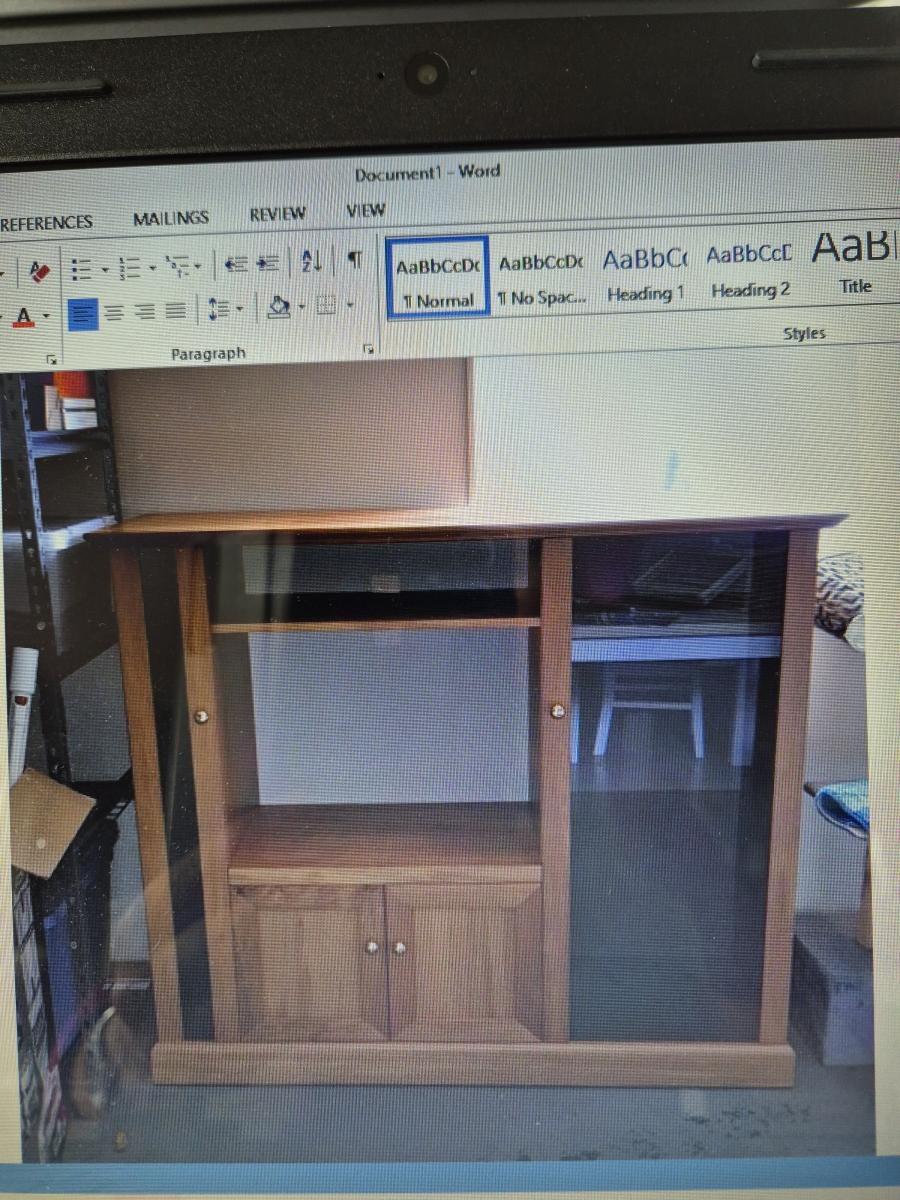
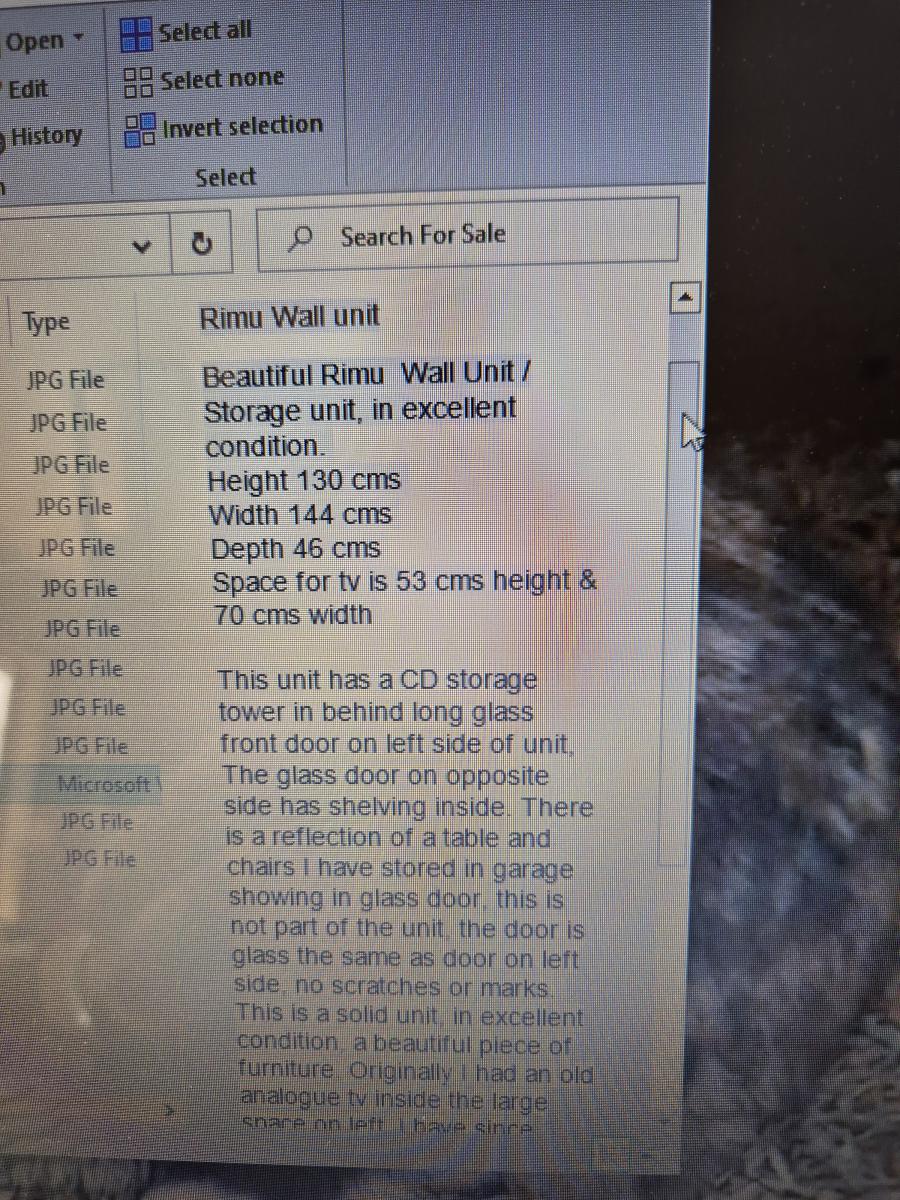
Rimu entertainment cabinet
Carolynn from Mount Albert
Rimu entertainment cabinet in excellent condition
Price: $250

Poll: Can changing the way we shop actually make a difference? 💸💸💸
The Team from Neighbourly.co.nz
Shopping has become such a big part of our everyday lives, and the choices we make can influence more than we realise.
If you’d like to make those dollars work harder for our local communities, consider choosing small. Households spend more than $110 billion with big businesses each year. … View moreShopping has become such a big part of our everyday lives, and the choices we make can influence more than we realise.
If you’d like to make those dollars work harder for our local communities, consider choosing small. Households spend more than $110 billion with big businesses each year. Shifting a portion of that toward small, local retailers can make a huge difference for the wider small-business economy.
Read business journalist Aimee Shaw's piece.

-
67% Yes - where you shop has impact67% Complete
-
33% No - price and quality is what matters33% Complete
31 replies (Members only)
A classic example of our shorelines being decimanted
Elaine from Avondale
You tube video "Why does Everyone love this reserve? 🌊 | 4K Blockhouse Bay Beach Walk 🌿 Let's Find Out 🌊" The removal of marine and shellfish from low-lying rock pools can devastate marine life, which is unlikely to return and grow

HUGE ESTATE SALE.
Humphrey from Sandringham
ONLY BY APPOINTMENT LOTS OF NEW AND USED HOUSE HOLD ITEMS AND MORE .!! ALL MUST GO BY DEC 6TH.
Negotiable

Look out for hornets
Ministry for Primary Industries
There have been recent detections of yellow-legged hornets (Vespa velutina) in Auckland.
If you think you have found a hornet or its nest in your area, take a clear photo and report:
• online at report.mpi.govt.nz
• by calling our exotic pest and disease hotline on 0800 80 99 66
The… View moreThere have been recent detections of yellow-legged hornets (Vespa velutina) in Auckland.
If you think you have found a hornet or its nest in your area, take a clear photo and report:
• online at report.mpi.govt.nz
• by calling our exotic pest and disease hotline on 0800 80 99 66
The yellow-legged hornet has distinctive dark legs with bright yellow tips. Hornets are also much larger than honeybees and common wasp species seen in New Zealand.
The yellow-legged hornet is a biosecurity concern due to its potential impact on honeybee and wild bee populations.
Find out more

 Loading…
If you no longer wish to delete the message you can still 'Report the message' for review by the Neighbourly team, or simply 'Hide the message' from being seen on your own newsfeed.
Are you sure? Deleting this message permanently removes it from the Neighbourly website.
Loading…
- Premium Businesses
-
Camellia & Co Flowers - Wedding

-
VividHarborHaven Cleaners - Domestic

-
Paramount Gardening Lawnmowing Services

- Community Organisations
-
Rocky Nook Bowls Club Rocky Nook Ave, Fowlds Park, Mount Albert, Auckland, New Zealand

-
Lions Clubs New Zealand Orewa

- View all organisations
© Neighbourly 2026
