






Road Seal Downgrading Continues
Road Seal Downgrading Continues:
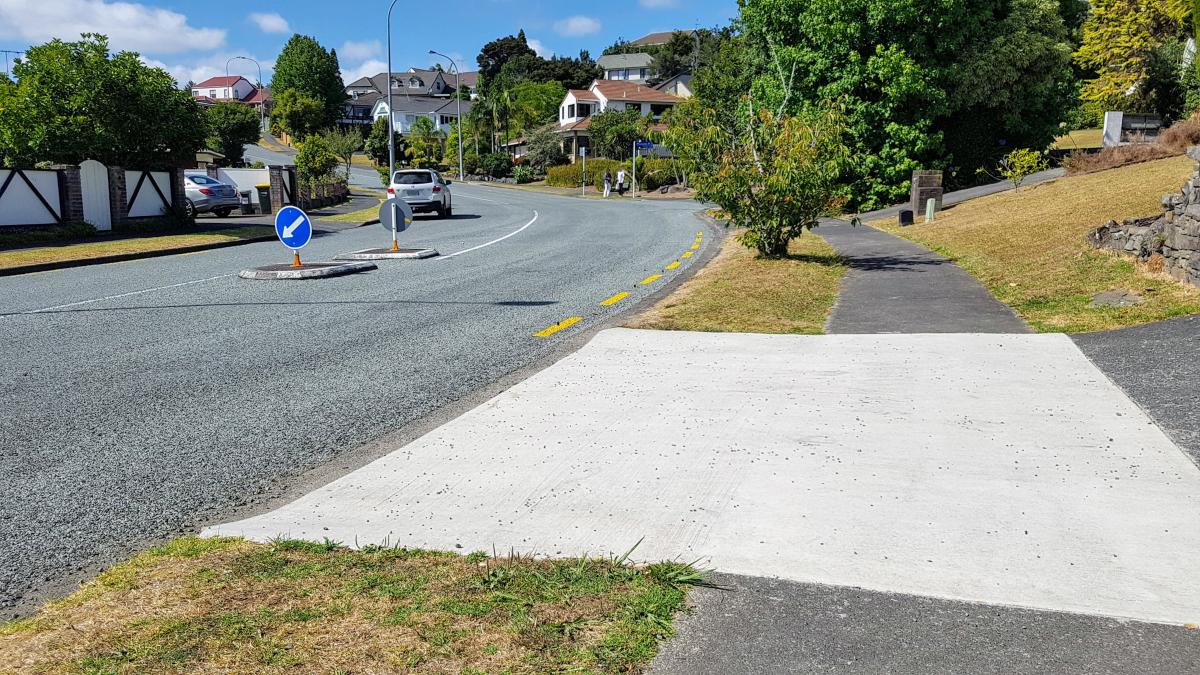
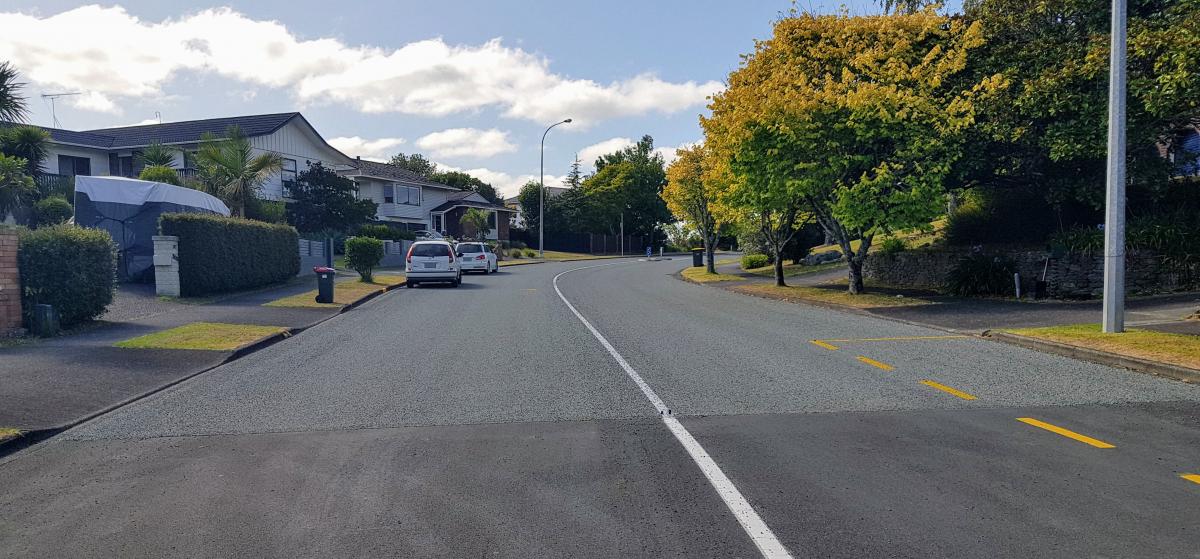
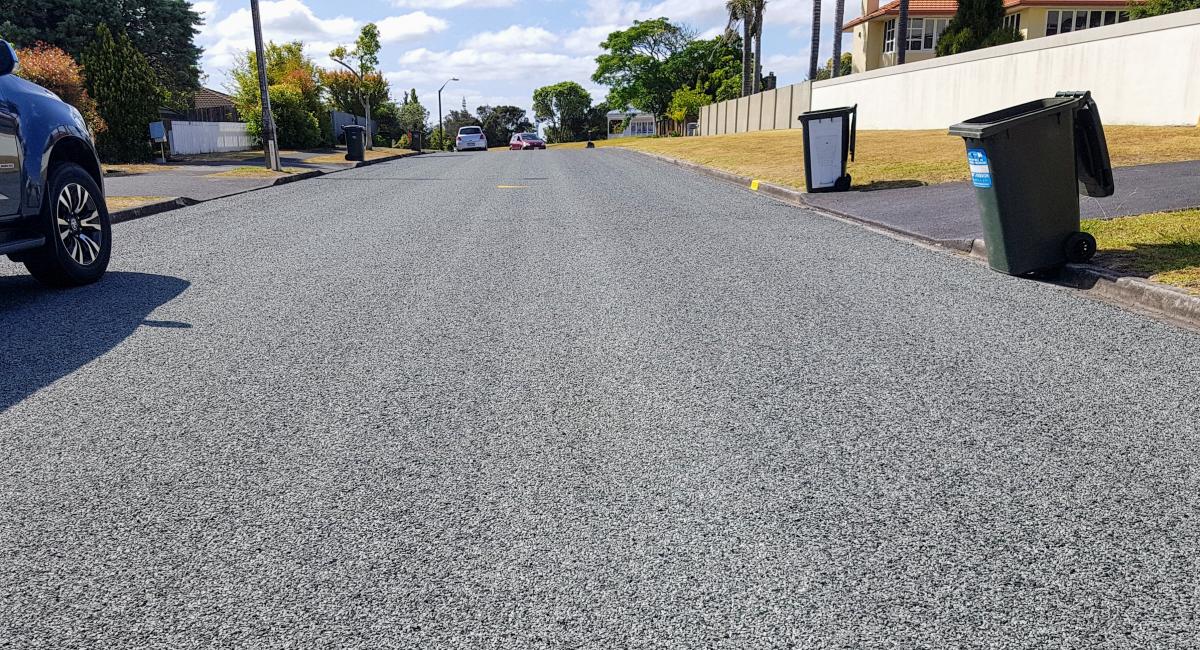
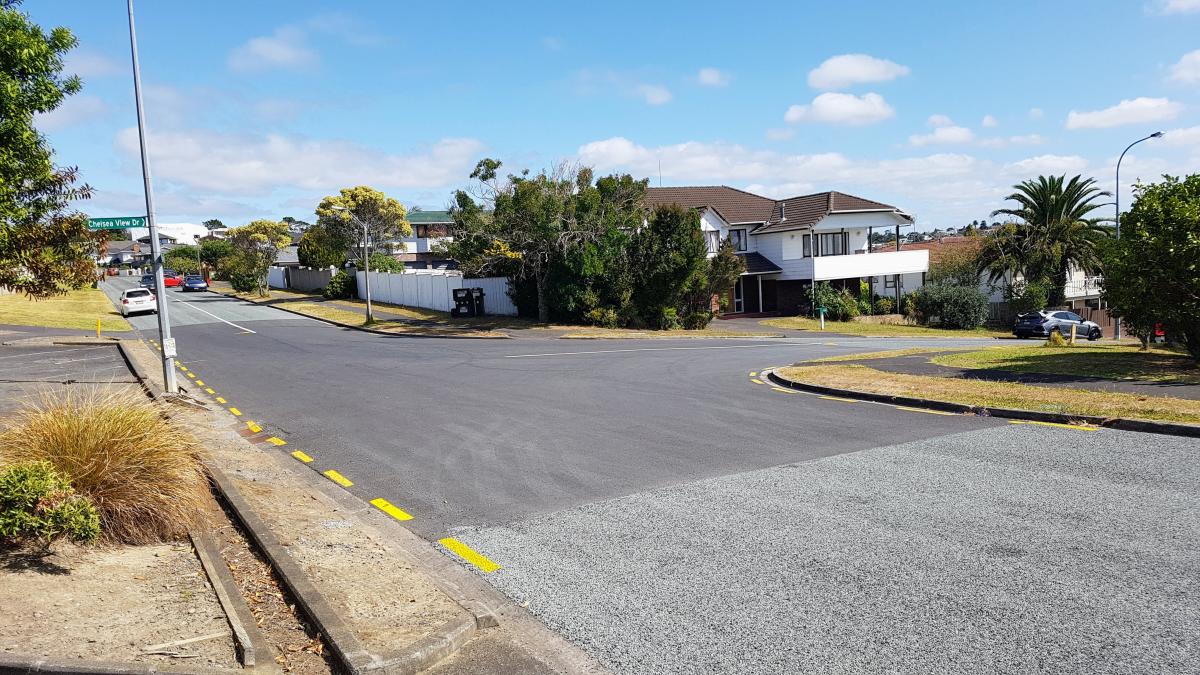
I've been fielding a number of queries about recent road resealing work around the area. A number of roads have been downgraded from smooth-seal (hotmix) to chip-seal without prior warning. You can see in the attached example letter, that while residents were told that their road would be resealed, they were not told that it would be changed to chip-seal. And because Auckland Transport use a smaller, poorer grade of stone than North Shore City used to use for chip-seal, the stones travel a long way, go up driveways, damage cars, etc. I went to see the new road seal at the end of Chelsea View Drive today, and saw that the stones have travelled right back to Mokoia Road. In some parts of Kaipatiki, the new chip-seal has required multiple "sweeps" to remove the excess stones, sometimes for up to a year afterwards.
So why is this happening? Unfortunately in the drive to lower costs, since 2014/2015, Auckland Transport has been downgrading all roads that carry less than 10,000 vehicles a day to chip-seal, which is virtually all suburban roads. If you aren't on a main road, and you still have smooth-seal, it will likley be changed when it is next due to be resealed.
This was AT's statement to me back in 2015 and nothing has changed:
"It is Auckland Transport’s Policy that Chip seal surfacing must be used for resealing, except for roads which satisfy specific criteria, in which case asphaltic concrete surfacing must be used. For example asphaltic concrete surfacing must be used for resealing roads where the volume of traffic exceeds 10,000 vehicles per day, that are subject to high wear and tear (such as most cul-de-sac heads, roundabouts, sharp bends with severe flushing, stripping or skid resistance, aprons/main road intersections), in industrial/commercial areas where there is a high concentration of truck traffic, or that are subject to high usage by pedestrians, such as town centres, hospitals, shopping centres and schools.
All other road surfaces should be resealed with chip seal. In practise, this means that a low vehicle volume residential street that was previously sealed with asphaltic concrete (perhaps at the time of development) may be resealed with chip seal in accordance with the above criteria.
Once resealed, a chip surface is generally swept 3 days after and then again 2 weeks later. The sites are also monitored and extra sweeps can be programmed if required. Roads that have been chip resealed are expected to have some additional loose chip while the new surface settles and programmed sweeping will reduce the amount of the loose chip. The cooler months will also help the new surface to bed in and will result less loose chip."

Scam Alert: Bank cold calls
ASB is warning customers about reports of cold calls from scammers claiming to be from ASB. These scammers are trying to obtain personal information, including usernames, dates of birth, and verification codes sent to your mobile phone.
🛡️ The "Caller Check" Test
If you get a call from someone claiming to be from ASB and you’re unsure, just ask them for a Caller Check. You will then be able to verify the call through the app.
Remember, banks will:
❌ Never ask for your banking passwords, PINs, or verification codes
❌ Never need to know your full credit card number – especially the CVC
❌ Never ask you to download software or remotely access your device
❌ Never ask you to purchase gift cards or transfer funds.
If you have received a phone call and think your account has been compromised, call ASB on 0800 ASB FRAUD (0800 272 372), or visit your local branch.


🧩😏 Riddle me this, Neighbours…
I am an odd number. Take away a letter and I become even. What number am I?
Do you think you know the answer?
Want to stop seeing these in your newsfeed? No worries! Simply head here and click once on the Following button.


Some Choice News!
DOC is rolling out a new tool to help figure out what to tackle first when it comes to protecting our threatened species and the things putting them at risk.
Why does this matter? As Nikki Macdonald from The Post points out, we’re a country with around 4,400 threatened species. With limited time and funding, conservation has always meant making tough calls about what gets attention first.
For the first time, DOC has put real numbers around what it would take to do everything needed to properly safeguard our unique natural environment. The new BioInvest tool shows the scale of the challenge: 310,177 actions across 28,007 sites.
Now that we can see the full picture, it brings the big question into focus: how much do we, as Kiwis, truly value protecting nature — and what are we prepared to invest to make it happen?
We hope this brings a smile!

 Loading…