





How to Stay Safe While Shopping Online
*Always type the website address directly into your browser rather than following links from ads or emails.
*Don’t click on links in promotional emails or texts you weren’t expecting.
*Credit cards and PayPal offer better consumer protection than direct transfers or gift cards.
*Ensure your security software is up to date to block malicious links, fake websites, and phishing attempts in real time.
*Be cautious of texts or emails claiming a missed delivery or asking for small “redelivery” fees. These often lead to fake sites designed to steal your payment details or install malware.
*Use anti-scam software to get complete protection against scams and spam.
What to Do If You Think You’ve Been Scammed
======================================
If you suspect you’ve been caught in a scam, acting quickly can reduce the damage and protect your information.
Stop all contact immediately. Don’t respond to follow-up messages or send additional payments.
Contact your bank or credit card provider. Report the transaction and ask if it can be reversed.
Change your passwords. Prioritise those linked to financial accounts and enable multi-factor authentication where possible.
Report the scam. Visit dia.govt.nz/Spam-Report-Spam to lodge a report and help authorities track emerging threats.
Monitor your accounts. Keep a close eye on bank statements and online profiles for any unusual activity.
======================================================

Poll: Should we ditch daylight saving? 🕰️
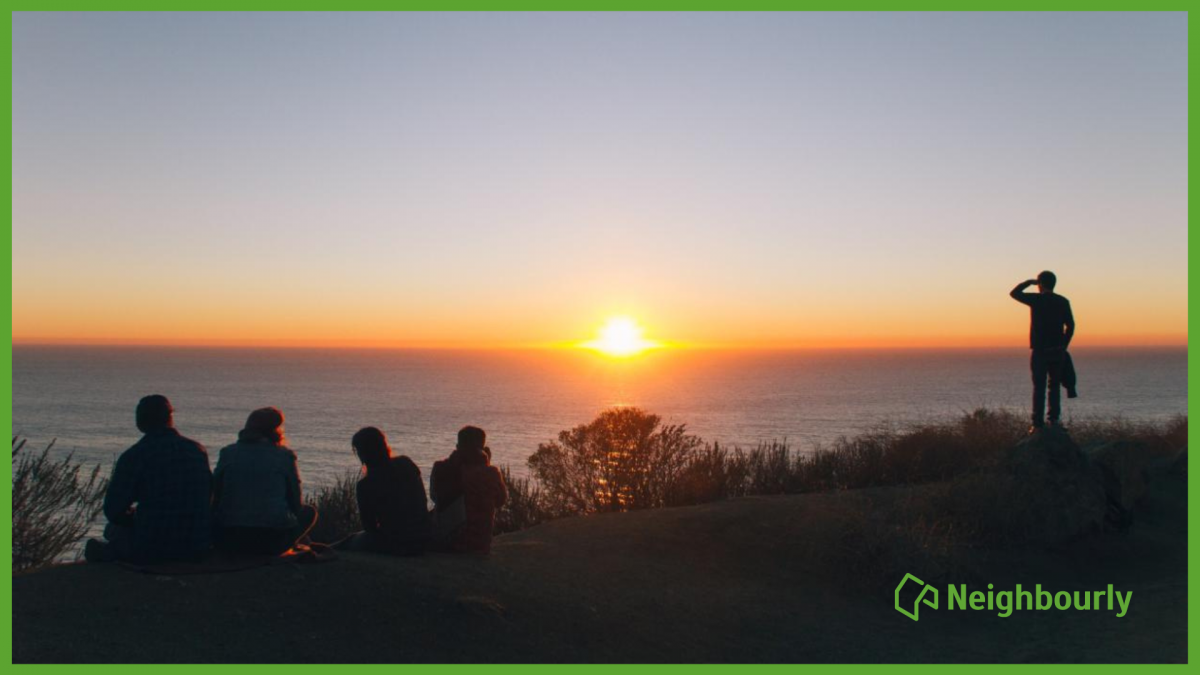
First introduced in New Zealand in 1927 with the passing of the Summer Time Act, it's what we know as 'Daylight Saving' and this year it ends on the first Sunday in April.
While we do get to sleep in this time around, some people would like to scrap the clock tinkering for good.
And why? Some evidence suggests the time changes are bad for our health as they mess with sleep patterns leading to short-term fatigue and affecting mood. Meanwhile the hour change is frustrating for farmers and a nightmare for getting the littlies to sleep. But what's your take?
-
33.7% Yes - get rid of the clock changes
-
65.2% No, I enjoy it
-
1.1% Other - I'll share below

Poll: How important is the ability to book a doctor’s appointment online?
Hi Neighbours
Here at The Doctors we would love to hear how you prefer to book your doctor’s appointments. With busy schedules, different people find different methods easier.
For some, online booking is very convenient, you can make an appointment anytime without needing to wait on the phone. Others still prefer calling the clinic and speaking to a real person, especially if they have specific questions about their visit.
Your feedback helps us understand what works best for our patients and how we can improve access to care.

-
39.7% I prefer booking online whenever possible
-
20.9% Online booking is helpful but not essential
-
35.8% I prefer calling the clinic
-
3.6% I didn’t know online booking was available
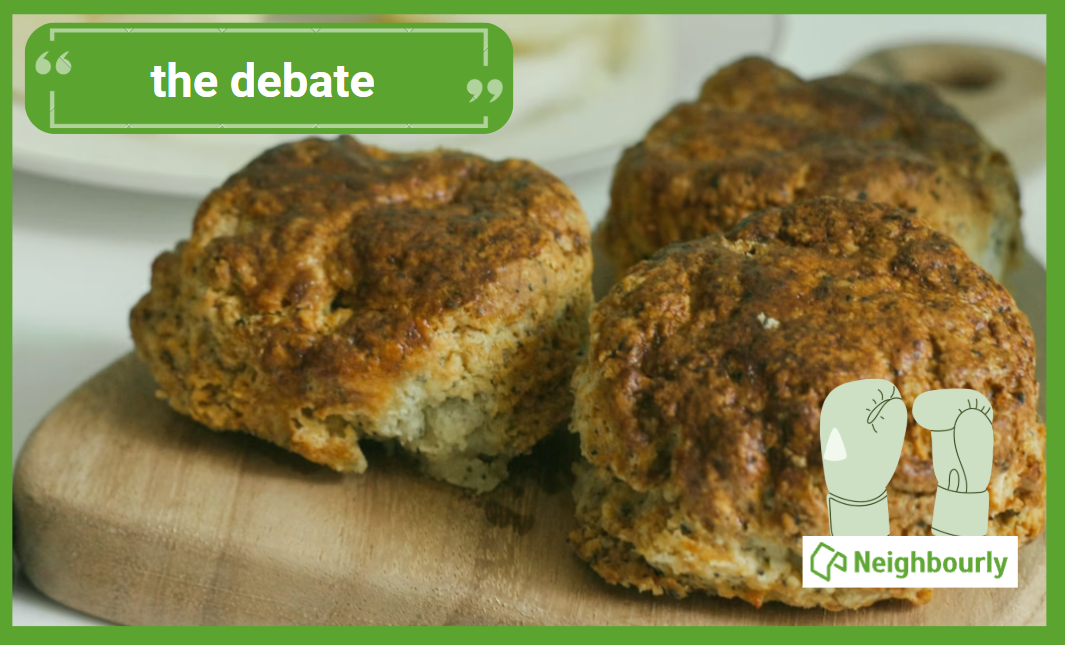
Poll: Does a savoury scone require cheese on top, or folded inside?
Help settle the great kiwi debate ... cheese on top, or folded inside?
-
76.3% Inside!
-
23.7% On top!
 Loading…