







Consumer confidence has lifted to its highest level since June, with more households expecting to be better off in a year.
The ANZ Roy Morgan Consumer Confidence Index lifted six points in November to just over 98.
However, a score below 100 indicates more pessimists than optimists.
“It’s good to see a decent lift in consumer confidence this month, though it is yet to break out of recent ranges,” ANZ chief economist Sharon Zollner said.
“Although it’s early days in terms of the economic recovery, this is not the only indicator suggesting that things are looking up for consumers,” she said.
A net 21% of respondents expected to be better off this time next year, the highest level since April.
“Consumer arrears have been declining, employment has returned to modest growth, and retailers are reporting improved activity,” Zollner said.
ANZ said a net 9% thought it was a bad time to buy a major household item, suggesting ongoing caution.
Zollner said the “good time to buy” indicator has not been positive in more than four years.
“Consumers’ reluctance to spend in recent years has certainly been felt by the retail sector.”
Zollner noted falling consumer arrears, employment returning to modest growth and retailers reporting improved activity.
“Our card spending data shows a return to growth across a broad range of discretionary categories, though overall spending levels are still very subdued compared to the Covid-era boom.”
Zollner said aside from lower inflation, the slowdown also led to household debt relative to incomes back to where it was before the housing bubble.
“Now we’ve taken our medicine, the stars are aligning for better times ahead.”
=======================================================

Poll: Should we ditch daylight saving? 🕰️
First introduced in New Zealand in 1927 with the passing of the Summer Time Act, it's what we know as 'Daylight Saving' and this year it ends on the first Sunday in April.
While we do get to sleep in this time around, some people would like to scrap the clock tinkering for good.
And why? Some evidence suggests the time changes are bad for our health as they mess with sleep patterns leading to short-term fatigue and affecting mood. Meanwhile the hour change is frustrating for farmers and a nightmare for getting the littlies to sleep. But what's your take?

-
33.7% Yes - get rid of the clock changes
-
65.2% No, I enjoy it
-
1.1% Other - I'll share below

Poll: How important is the ability to book a doctor’s appointment online?
Hi Neighbours
Here at The Doctors we would love to hear how you prefer to book your doctor’s appointments. With busy schedules, different people find different methods easier.
For some, online booking is very convenient, you can make an appointment anytime without needing to wait on the phone. Others still prefer calling the clinic and speaking to a real person, especially if they have specific questions about their visit.
Your feedback helps us understand what works best for our patients and how we can improve access to care.

-
39.7% I prefer booking online whenever possible
-
20.9% Online booking is helpful but not essential
-
35.8% I prefer calling the clinic
-
3.6% I didn’t know online booking was available
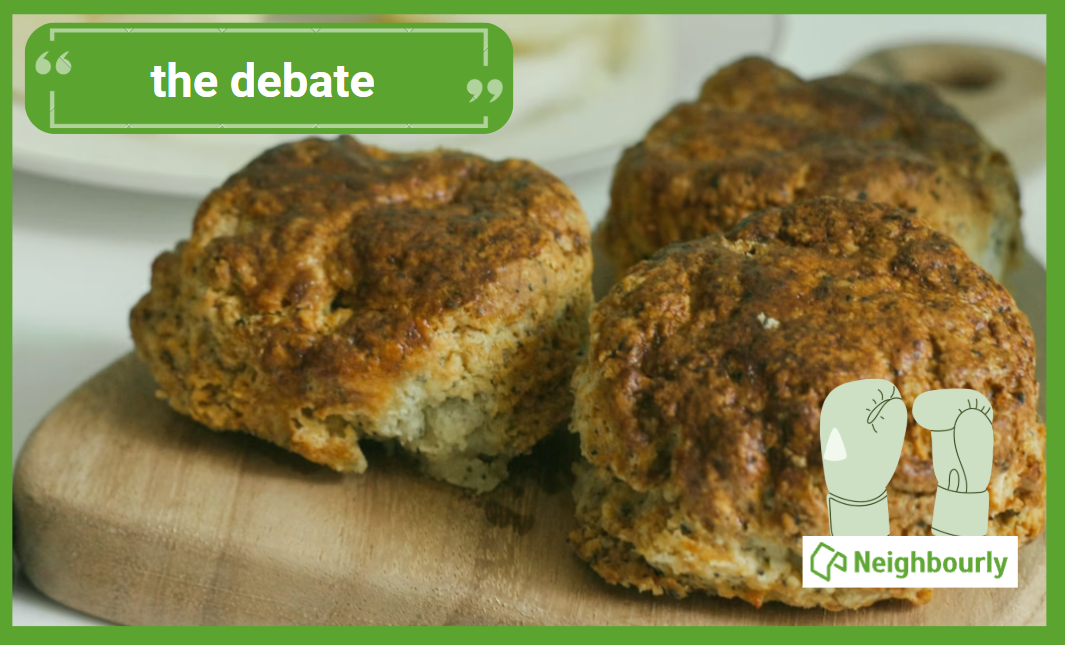
Poll: Does a savoury scone require cheese on top, or folded inside?
Help settle the great kiwi debate ... cheese on top, or folded inside?
-
76.3% Inside!
-
23.7% On top!
 Loading…