







13-year-old has major surgery after eating 100 magnets bought on Temu
A 13-year-old boy has undergone major surgery after swallowing 80-100 small magnets purchased on Temu.
Neodymium magnets have been banned since 2014 but are still available through online marketplaces.
Surgeons at Tauranga Hospital had to remove part of the boy’s bowel after he ate up to 100 of the small magnets, according to a case study in the New Zealand Medical Journal.
They said it was “alarming” how difficult it was to enforce the long-standing ban when easily-accessible online marketplaces existed.
The Pasifika Medical Association Group said it highlighted the dangers of online marketplaces in the paediatric population.
“While product safety laws exist in New Zealand that prohibit the sale of high-powered magnets, there is significant challenge in enforcing these laws on products sold on online marketplaces.
“This is especially concerning for our tamariki as these platforms are easily accessible,” a spokesperson said.
University of Auckland professor Alex Sims said small, high-powered magnets were being advertised as fun toys when they could be life-threatening.
“Small high-power magnets have been marketed and sold as fun toys for adults and children when they are sold in sets as they can be used to make different shapes and also be used as fidget toys.
“Unfortunately, they often come as brightly coloured small balls, making them attractive for children to swallow.”
Sims said enforcing the ban on these small magnets was difficult when they were cheap and easy to get through online marketplaces.
“Parents should not be allowing their children to purchase items unsupervised on any online marketplaces, all purchases must be done or at least overseen by parents.”
Temu response
=============
In a written statement, Temu said the company had launched an internal review after becoming aware of the case from media inquiries.
“We are sorry to learn about the reported incident and wish the boy a full and speedy recovery,” a spokesperson said.
“We take product safety very seriously and continuously monitor our platform to ensure sellers are complying with the safety regulations of the markets they are doing business in.”
The platform had contacted the author of The New Zealand Medical Journal article to obtain more details about the case.
“At this stage, we have not been able to confirm whether the magnets involved were purchased through Temu or identify the specific product listing. Nonetheless, our teams are reviewing relevant listings to ensure full compliance with local safety requirements.
“Any products found to be non-compliant will be removed, and we will take firm action against any sellers found to have breached our platform rules or local regulations.”
======================================================

Poll: Should we ditch daylight saving? 🕰️
First introduced in New Zealand in 1927 with the passing of the Summer Time Act, it's what we know as 'Daylight Saving' and this year it ends on the first Sunday in April.
While we do get to sleep in this time around, some people would like to scrap the clock tinkering for good.
And why? Some evidence suggests the time changes are bad for our health as they mess with sleep patterns leading to short-term fatigue and affecting mood. Meanwhile the hour change is frustrating for farmers and a nightmare for getting the littlies to sleep. But what's your take?

-
36.6% Yes - get rid of the clock changes
-
62.6% No, I enjoy it
-
0.8% Other - I'll share below

Poll: How important is the ability to book a doctor’s appointment online?
Hi Neighbours
Here at The Doctors we would love to hear how you prefer to book your doctor’s appointments. With busy schedules, different people find different methods easier.
For some, online booking is very convenient, you can make an appointment anytime without needing to wait on the phone. Others still prefer calling the clinic and speaking to a real person, especially if they have specific questions about their visit.
Your feedback helps us understand what works best for our patients and how we can improve access to care.

-
40.3% I prefer booking online whenever possible
-
21.4% Online booking is helpful but not essential
-
34.6% I prefer calling the clinic
-
3.7% I didn’t know online booking was available
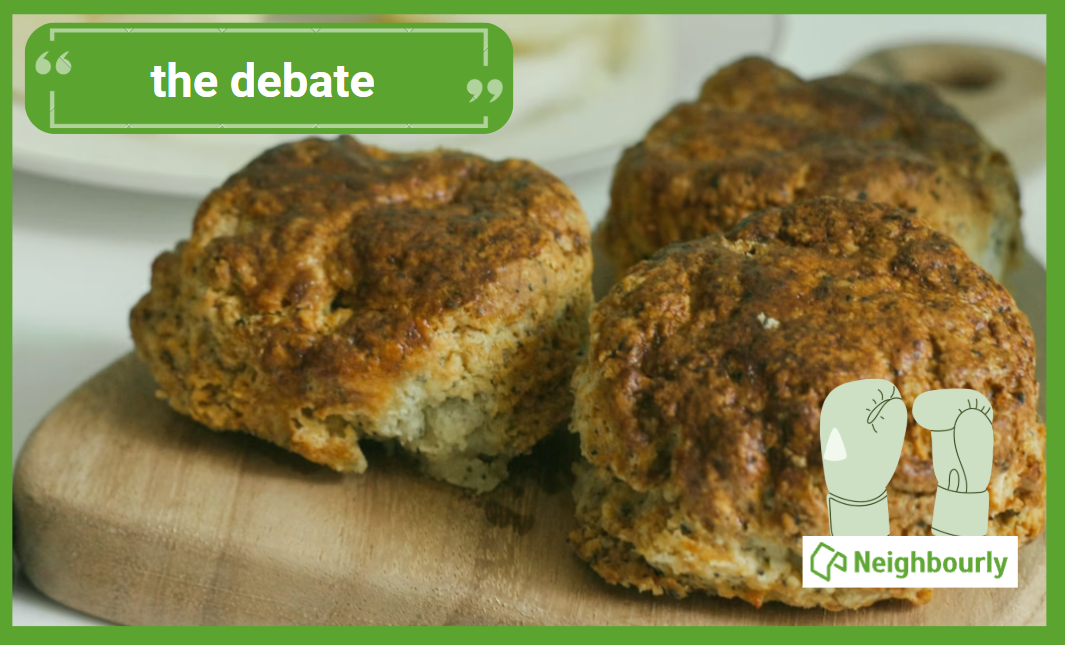
Poll: Does a savoury scone require cheese on top, or folded inside?
Help settle the great kiwi debate ... cheese on top, or folded inside?
-
76.3% Inside!
-
23.7% On top!
 Loading…