





Four common supermarket price errors to look out for
Consumer NZ says supermarkets are still making pricing errors, despite increasing pressure and scrutiny on them.
Charges have been filed and a number of supermarkets have pleaded guilty to breaching the Fair Trading Act due to inaccurate pricing and misleading specials.
But Consumer NZ says misleading specials are still costing shoppers tens of millions of dollars a year and has launched a petition calling for tougher penalties for breaches of the ac
It provided examples of a number of ways that people could be caught out by misleading signage in supermarkets.
Dodgy multibuy
=============
A dodgy multibuy refers to a situation where the individual price and the multibuy price don't add up to a saving.
supermarket price errorsA mince special where a tray of meat was $4 or people could buy three for $20.
Consumer NZ pointed to this mince special where a tray of meat was $4 or people could buy three for $20.
In another case, packaging seemed to be making a confusing difference.
The Gingernuts that were selling for $5 but the club price for a twin-pack was $5.59.
Two individual backs of Gingernuts were selling for $5 but the club price for a 500g twin-pack was $5.59.
Different pricing
=============
Sometimes the price on the shelf tag does not match what you pay at checkout.
A box of Coca Cola a customer paid more at checkout for than the shelf price tag.
In this case, supplied by Consumer, the price tag on the shelf said $27, but the customer paid more than $35 at the checkout.
Confusing
========
Double cream brie with two prices. Consumer provided an example of double cream brie was "reduced" to $10.60 for a quick sale - or was it on sale for $9.80?
Mismatches
==========
Sometimes it seems as though there are multiple labels for the same item.
In this case, two signs had two different prices for a single avocado.
Another sign at the same supermarket saying a single avocado is $1.69.
"One said $1.69. The other said $1.99," Consumer NZ spokesperson Abby Damen said.
"The customer was charged $1.99. She returned two days later to ask what could be done about the pricing error. She was offered a refund of the price difference but after pointing out the supermarket's new refund policy, she was refunded $2 and also kept her avocado."
Chief executive at Consumer Jon Duffy said anyone who was charged more than the shelf price was entitled by law to a refund of the difference.
He said both supermarket chains promised a full refund in that scenario, but consumers sometimes had to know that was what was available.
A Foodstuffs spokesperson said with more than 14,000 products in a typical supermarket, and prices changing frequently due to supplier costs, promotions or new product liens, pricing was a complex job.
"But for our customers, it's simple. They rightly expect the price on the shelf to match what they pay at the checkout," he said.
"We take pricing accuracy as seriously as health and safety, aiming for zero errors.
"Across our local, family-owned stores, we manage tens of thousands of price labels and process millions of transactions every week, and we've invested in better systems, daily checks and electronic shelf labels to help get it right.
"If we do get it wrong, our policy is that the customer gets a refund and keeps the product. We've also strengthened staff training and store processes to make sure pricing is clear and accurate."
Woolworths said it had more 3.5 million transactions in our stores each week "and sometimes errors do occur".
"When they do, we try to make things right, through our long-standing and market-leading refund policy. Under that policy, if a customer is charged more than the advertised price for a product, they get a full refund and can keep the product."
Duffy said Consumer had received 20 complaints about supermarket pricing since Tuesday. A normal rate would be two a day, he said.
====================================================

Poll: Should we ditch daylight saving? 🕰️
First introduced in New Zealand in 1927 with the passing of the Summer Time Act, it's what we know as 'Daylight Saving' and this year it ends on the first Sunday in April.
While we do get to sleep in this time around, some people would like to scrap the clock tinkering for good.
And why? Some evidence suggests the time changes are bad for our health as they mess with sleep patterns leading to short-term fatigue and affecting mood. Meanwhile the hour change is frustrating for farmers and a nightmare for getting the littlies to sleep. But what's your take?

-
40.5% Yes - get rid of the clock changes
-
57.6% No, I enjoy it
-
1.9% Other - I'll share below

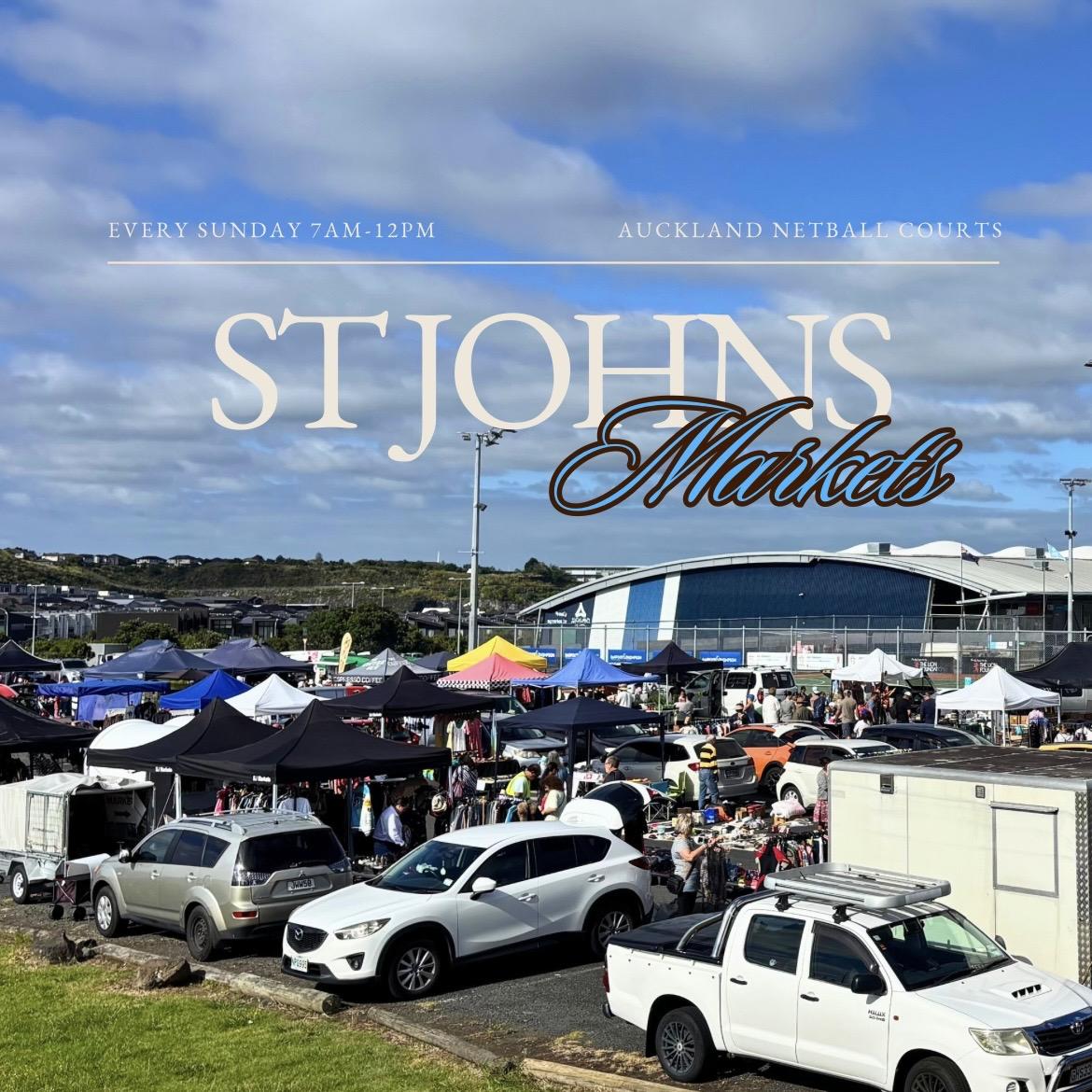
Sunday Market at St Johns – Come Say Hi!
Hi Neighbours !!!!
If you’re looking for an easy, feel-good way to start your Sunday, pop down to the St Johns Market it’s on every week and always worth a visit
Expect plenty to enjoy:
Delicious Food and Drink
Seasonal fruit & veg from local growers
Handmade goodies & crafts
Clothes, toys
It’s a laid-back, welcoming spot to catch up with neighbours, support local, and soak up the community vibe.
Stay connected & get updates:
Facebook
info.sjmarket@gmail.com
0274 671 446
Bring the kids, bring the dog, or just bring yourself and make a morning of it hope to see you there!
7 Allison Ferguson Drive, Auckland Netball Courts
Poll: Are you still heading to your local for your caffeine fix, or has the $$ changed your habits? ☕
Auckland has a thriving cafe culture, but with costs climbing, that culture is under pressure. We’ve seen the headlines about recent closures across the country, and it’s a tough pill to swallow along with a $6+ coffee.
We all want our favourite spots to stay open, but we also have to balance our own budgets ⚖️
We want to know: How are you handling the "coffee math" in 2026? Are you still heading to your local for a chat and a caffeine fix, or has the cost of living changed your habits?
Keen to read more about "coffee math"? The Post has you covered.

-
42.7% I avoid spending money on coffee
-
41.1% I still indulge at my local cafe
-
16.1% Irrelevant - coffee is not for me
 Loading…