





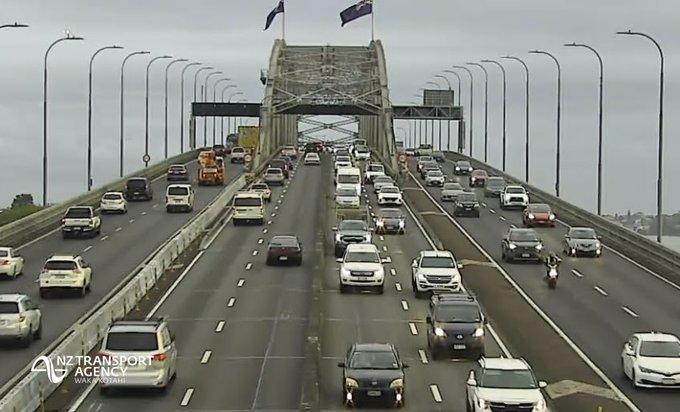
Wind warning for Auckland Harbour Bridge
NZTA have shared a wind warning for Auckland Harbour Bridge for today.
What you need to know:
- Between 4pm today and 8pm today, there is the potential for wind gusts on the Auckland Harbour Bridge to reach 90 – 100 km/h. While these are expected to be brief, they could trigger a red alert.
- Under a red alert, NZTA may close all lanes on the bridge as it is unsafe for any vehicle to be on the bridge and the bridge structure is vulnerable to vehicle impacts.
- From 8pm to midnight tonight an amber alert will remain in place with forecast wind gusts of 75-85 km/h. Under an amber alert, speed limits may be reduced and some lanes on the bridge may close.
- Drivers of high sided vehicles and motorcyclists are advised to avoid the Auckland Harbour Bridge and use the western ring route on State Highways 16 and 18.
NZTA say 'We don’t take the decision to lower speeds, close lanes or close the bridge lightly. Our priority is the safety of road users and the bridge structure.'
For up-to-date information about any restrictions on the bridge, please look out for the electronic message boards which indicate lane closures and reduced speeds and you can find more info here:
• Traffic updates: journeys.nzta.govt.nz/traffic
• Facebook: facebook.com/nztaakl
• Twitter: twitter.com/WakaKotahiAkNth
• Journey planner: journeys.nzta.govt.nz/traffic
• Phone: 0800 4 HIGHWAYS (0800 44 44 49)
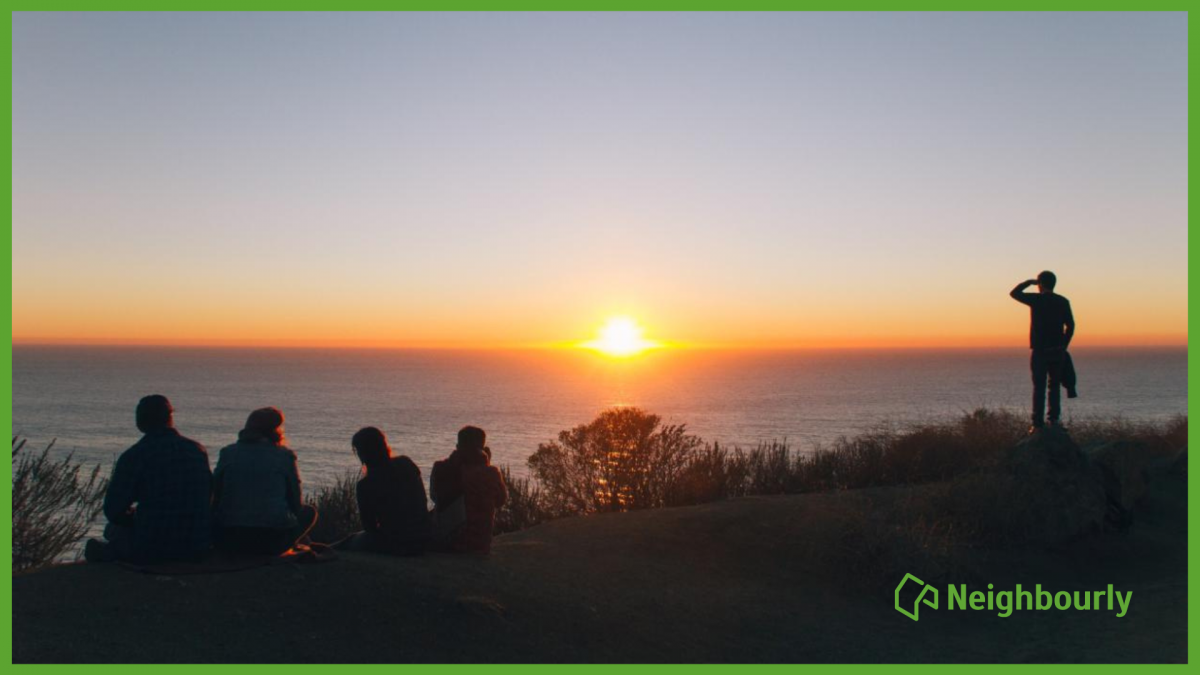
Poll: Should we ditch daylight saving? 🕰️
First introduced in New Zealand in 1927 with the passing of the Summer Time Act, it's what we know as 'Daylight Saving' and this year it ends on the first Sunday in April.
While we do get to sleep in this time around, some people would like to scrap the clock tinkering for good.
And why? Some evidence suggests the time changes are bad for our health as they mess with sleep patterns leading to short-term fatigue and affecting mood. Meanwhile the hour change is frustrating for farmers and a nightmare for getting the littlies to sleep. But what's your take?
-
40.8% Yes - get rid of the clock changes
-
57.4% No, I enjoy it
-
1.8% Other - I'll share below

Don't overthink this riddle...
I have a silver sole
but no feet,
I make my living by bringing the heat.
What am I?
Do you think you know the answer? Simply 'Like' this post if you know the answer and the big reveal will be posted in the comments at 2pm on the day!
Want to stop seeing these in your newsfeed?
Head here and hover on the Following button on the top right of the page (and it will show Unfollow) and then click it. If it is giving you the option to Follow, then you've successfully unfollowed the Riddles page.


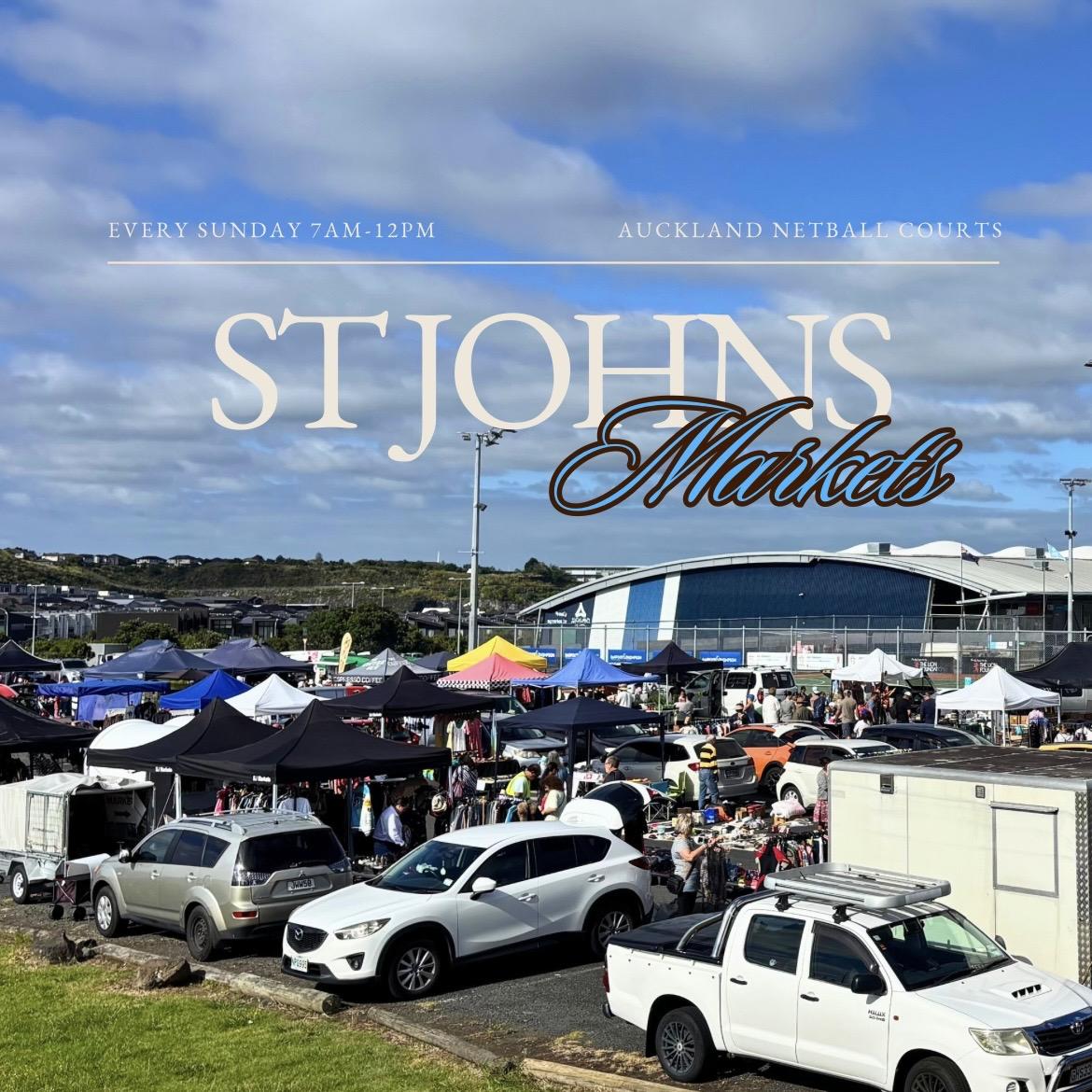
Sunday Market at St Johns – Come Say Hi!
Hi Neighbours !!!!
If you’re looking for an easy, feel-good way to start your Sunday, pop down to the St Johns Market it’s on every week and always worth a visit
Expect plenty to enjoy:
Delicious Food and Drink
Seasonal fruit & veg from local growers
Handmade goodies & crafts
Clothes, toys
It’s a laid-back, welcoming spot to catch up with neighbours, support local, and soak up the community vibe.
Stay connected & get updates:
Facebook
info.sjmarket@gmail.com
0274 671 446
Bring the kids, bring the dog, or just bring yourself and make a morning of it hope to see you there!
7 Allison Ferguson Drive, Auckland Netball Courts
 Loading…