





The cheapest and most expensive places to fuel up in Auckland
Petrol prices across Auckland are varying drastically, with a 61 cent per litre difference between the cheapest and the priciest.
With the fuel tax subsidy finishing at the end of June, the cost of filling up is set to rise for everyone. But why is there such a major disparity in Tāmaki Makaurau?
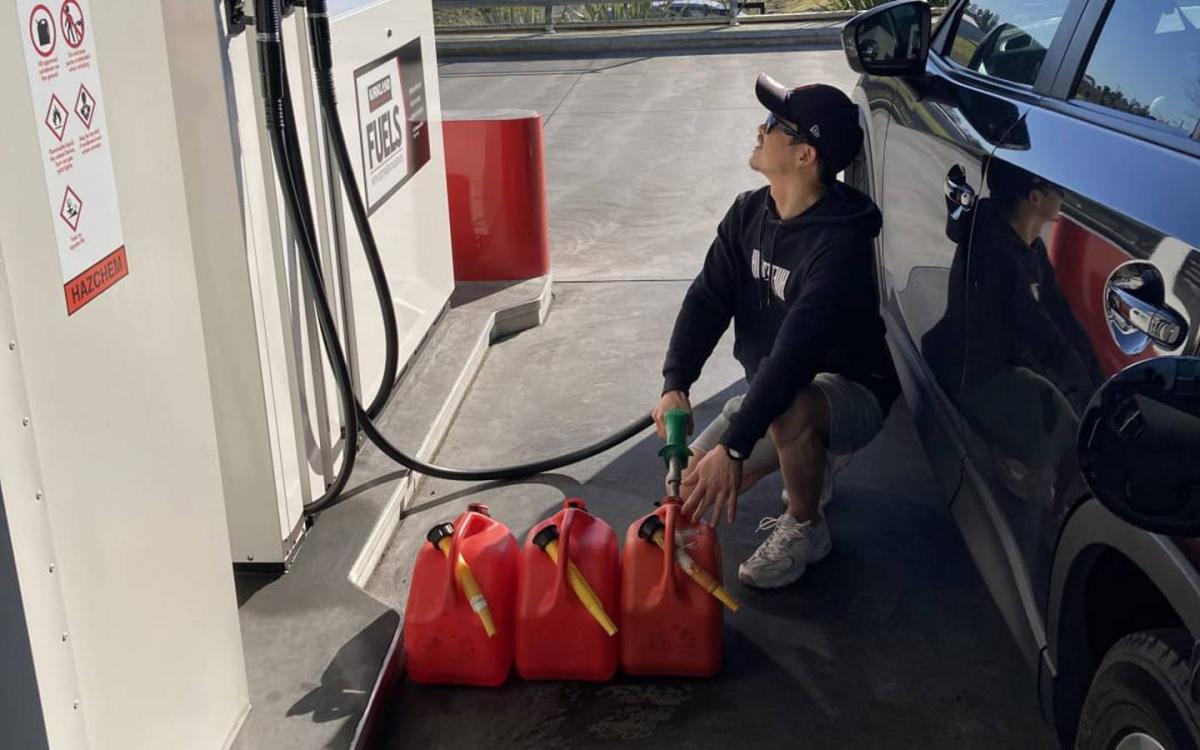
RNZ visited Costco in West Auckland, where fuel costs are among the cheapest in the region. One motorist, Jake, was filling up not just his car but also three 10-litre tanks for his other vehicles. He said he visits the 27-pump petrol station twice a week.
On June 14, unleaded 91 was $2.11 per litre and diesel was $1.62. Only those with a $60 Costco annual membership can access the pumps.
Silverdale farmer Steve was also there to fill his truck and several 20-litre containers.
“I fill up for farm fuel as well as diesel for my truck. It’s the cheapest in town, so why wouldn’t you?”
Another driver, Brent, often made a 100km round trip from his home in Milldale to his workplace in Avondale, going via Costco in Westgate for fuel. He told RNZ the drive was worth it for the “massive difference” in petrol prices.
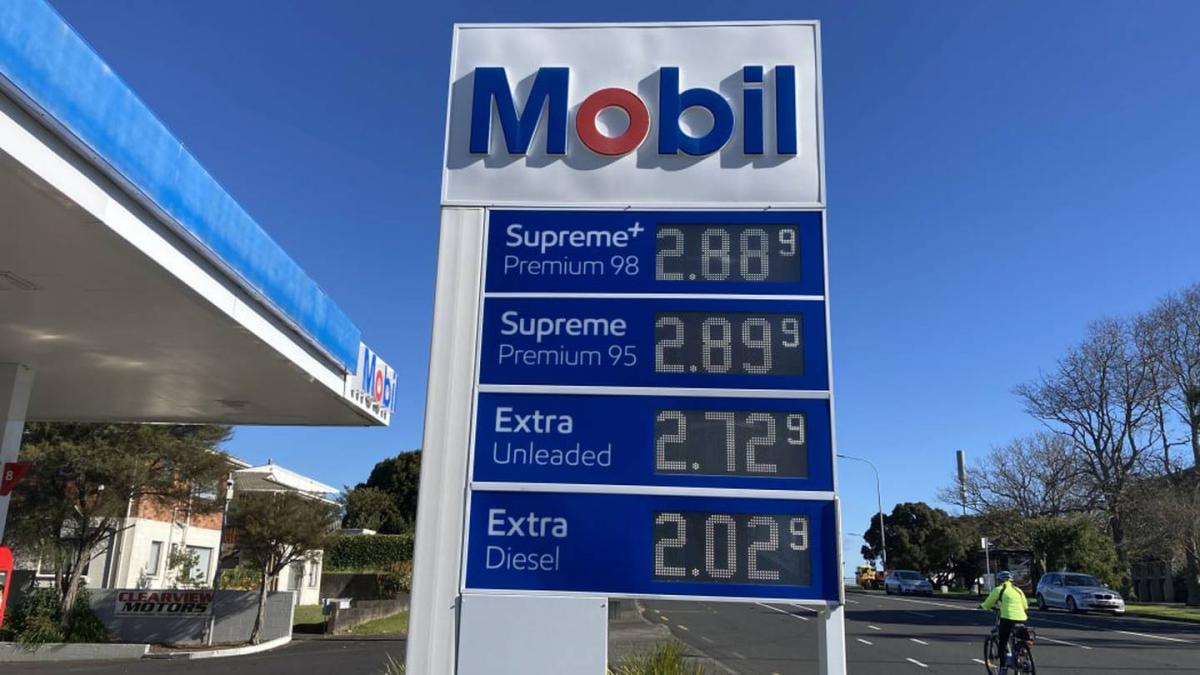
Less than five minutes drive away in Henderson, a Mobil station charges 44 cents more than Costco, with unleaded 91 fetching $2.55/L and $2.02 for diesel.
One driver, Ben, said he tried to buy petrol in South Auckland where prices are more affordable. He said fuel costs make it hard to cope.
“We’re all broke,” he told RNZ.
A glimpse at petrol prices around Auckland:
===================================
Z, Te Atatu Peninsula - unleaded 91: $2.52, diesel: $2.02
BP, Herne Bay - unleaded 91: $2.55, diesel: $2.04
BP, Northcote - unleaded 91: $2.44, diesel: $1.96
Pak’nSave, Wairau -unleaded 91: $2.39, diesel: $1.97 (with a supermarket receipt)
Z, Panmure - unleaded 91: $2.52, diesel: $2.02
Caltex, Newton - unleaded 91: $2.38
=============================================
www.nzherald.co.nz...
=============================================

Poll: As a customer, what do you think about automation?
The Press investigates the growing reliance on your unpaid labour.
Automation (or the “unpaid shift”) is often described as efficient ... but it tends to benefit employers more than consumers.
We want to know: What do you think about automation?
Are you for, or against?
-
9.4% For. Self-service is less frustrating and convenient.
-
43.6% I want to be able to choose.
-
47.1% Against. I want to deal with people.

Time to Tickle Your Thinker 🧠
If a zookeeper had 100 pairs of animals in her zoo, and two pairs of babies are born for each one of the original animals, then (sadly) 23 animals don’t survive, how many animals do you have left in total?
Do you think you know the answer? Simply 'Like' this post and we'll post the answer in the comments below at 2pm on the day!
Want to stop seeing these in your newsfeed? No worries! Simply head here and click once on the Following button.


Even Australians get it - so why not Kiwis???
“Ten years ago, if a heatwave as intense as last week’s record-breaker had hit the east coast, Australia’s power supply may well have buckled. But this time, the system largely operated as we needed, despite some outages.
On Australia’s main grid last quarter, renewables and energy storage contributed more than 50% of supplied electricity for the first time, while wholesale power prices were more than 40% lower than a year earlier.
[…] shifting demand from gas and coal for power and petrol for cars is likely to deliver significantly lower energy bills for households.
Last quarter, wind generation was up almost 30%, grid solar 15% and grid-scale batteries almost tripled their output. Gas generation fell 27% to its lowest level for a quarter century, while coal fell 4.6% to its lowest quarterly level ever.
Gas has long been the most expensive way to produce power. Gas peaking plants tend to fire up only when supply struggles to meet demand and power prices soar. Less demand for gas has flowed through to lower wholesale prices.”
Full article: www.theguardian.com...
If even Australians see the benefit of solar - then why is NZ actively boycotting solar uptake? The increased line rental for electricity was done to make solar less competitive and prevent cost per kWh to rise even more than it did - and electricity costs are expected to rise even more. Especially as National favours gas - which is the most expensive form of generating electricity. Which in turn will accelerate Climate Change, as if New Zealand didn’t have enough problems with droughts, floods, slips, etc. already.
 Loading…