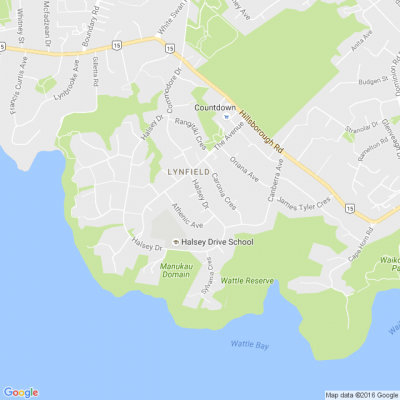
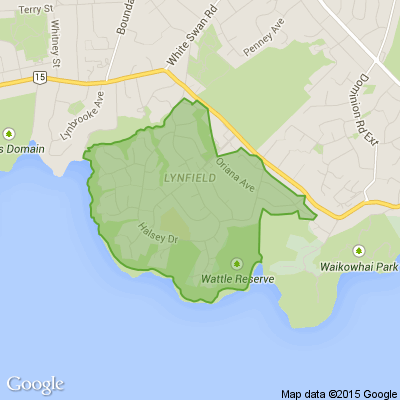







What can I do to shop safely?
Dear concerned citizen,
It’s important that we all try and shop safely as we unite against COVID-19.
Here’s a few things we should all now do, that will help slow the spread of the virus:
• send one person from your household to do the whole shop
• be aware that stores will limit numbers to help you keep 2 metres away from others
• be kind to essential workers, and others you’re sharing the shop with
• come with a list so you can get in and out as quickly as possible
• only touch what you want to buy
• if you like, take a soapy towel in a small container to wipe down trolley or basket handles etc
• keep 2 metres away from others, including staff. They need to keep safe too!
• use payWave if you can, not cash
• bag groceries away from others if you can
• take out produce when you get home, and wash first in soapy water to protect against the virus, then rinse to remove any soap residue wipe down packaged goods with a soapy clean towel, then dry
• wash your hands before and after you shop.
Can I bring people in my household with me to buy essential supplies?
You should dedicate one person per household to be the shopper. This is the safest way to get essential supplies, as it reduces the number of people who are out, and helps stop the virus from spreading.
Leaving online shopping to those who need it most
• If you are healthy, or aged under 70, you should go to the supermarket to do your shopping. This leaves online delivery slots free for those that need them most.
• If you’re a parent on your own with children or over 70, move to online shopping if available. This is important for the safety of your children and others – especially essential service providers.
• If that’s not possible, reach out to nearby friends, family or neighbours who can assist you with the shopping and get it to your doorstep. Your local community may also be able to assist, or you can contact your local store – some are putting special systems in place to help.
Thank you
If we all do our bit we’ll get through this. Thank you for working together and staying home. We can, and must stick with it.

Poll: Should the government levy industries that contribute to financial hardship?
As reported in the Post, there’s a $30 million funding gap in financial mentoring. This has led to services closing and mentors stepping in unpaid just to keep helping people in need 🪙💰🪙
One proposed solution? Small levies on industries that profit from financial hardship — like banks, casinos, and similar companies.
So we want to hear what you think:
Should the government ask these industries to contribute?
-
59.8% Yes, supporting people is important!
-
25.8% No, individuals should take responsibility
-
14.4% ... It is complicated

Even Australians get it - so why not Kiwis???
“Ten years ago, if a heatwave as intense as last week’s record-breaker had hit the east coast, Australia’s power supply may well have buckled. But this time, the system largely operated as we needed, despite some outages.
On Australia’s main grid last quarter, renewables and energy storage contributed more than 50% of supplied electricity for the first time, while wholesale power prices were more than 40% lower than a year earlier.
[…] shifting demand from gas and coal for power and petrol for cars is likely to deliver significantly lower energy bills for households.
Last quarter, wind generation was up almost 30%, grid solar 15% and grid-scale batteries almost tripled their output. Gas generation fell 27% to its lowest level for a quarter century, while coal fell 4.6% to its lowest quarterly level ever.
Gas has long been the most expensive way to produce power. Gas peaking plants tend to fire up only when supply struggles to meet demand and power prices soar. Less demand for gas has flowed through to lower wholesale prices.”
Full article: www.theguardian.com...
If even Australians see the benefit of solar - then why is NZ actively boycotting solar uptake? The increased line rental for electricity was done to make solar less competitive and prevent cost per kWh to rise even more than it did - and electricity costs are expected to rise even more. Especially as National favours gas - which is the most expensive form of generating electricity. Which in turn will accelerate Climate Change, as if New Zealand didn’t have enough problems with droughts, floods, slips, etc. already.

A Neighbourly Riddle! Don’t Overthink It… Or Do?😜
Do you think you know the answer? Simply 'Like' this post if you know the answer and the big reveal will be posted in the comments at 2pm on the day!
If you multiply this number by any other number, the answer will always be the same. What number is this?

 Loading…