






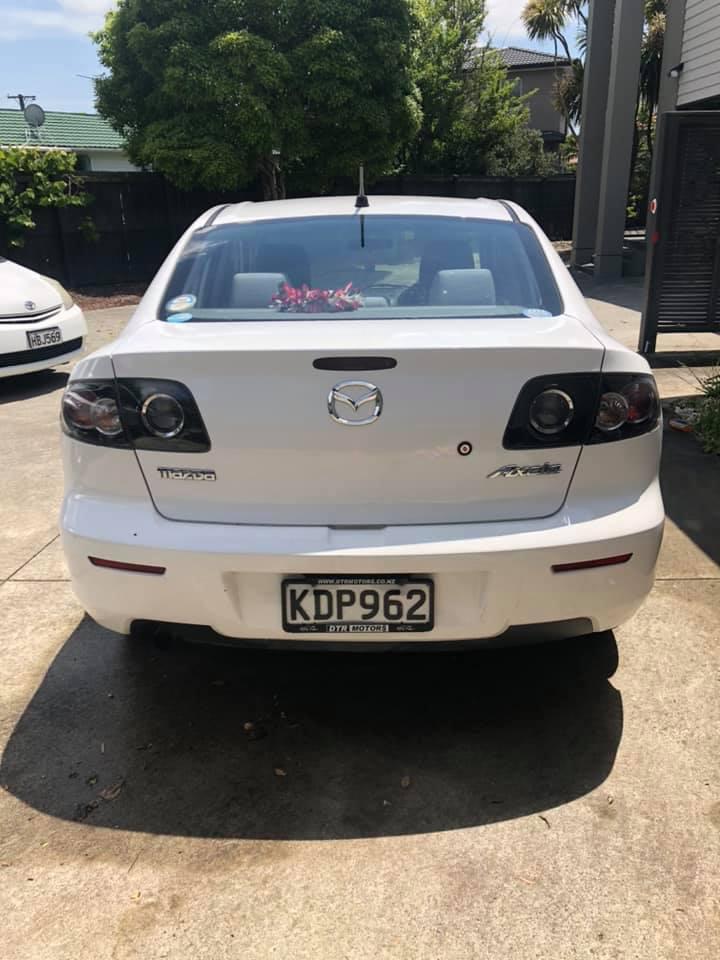
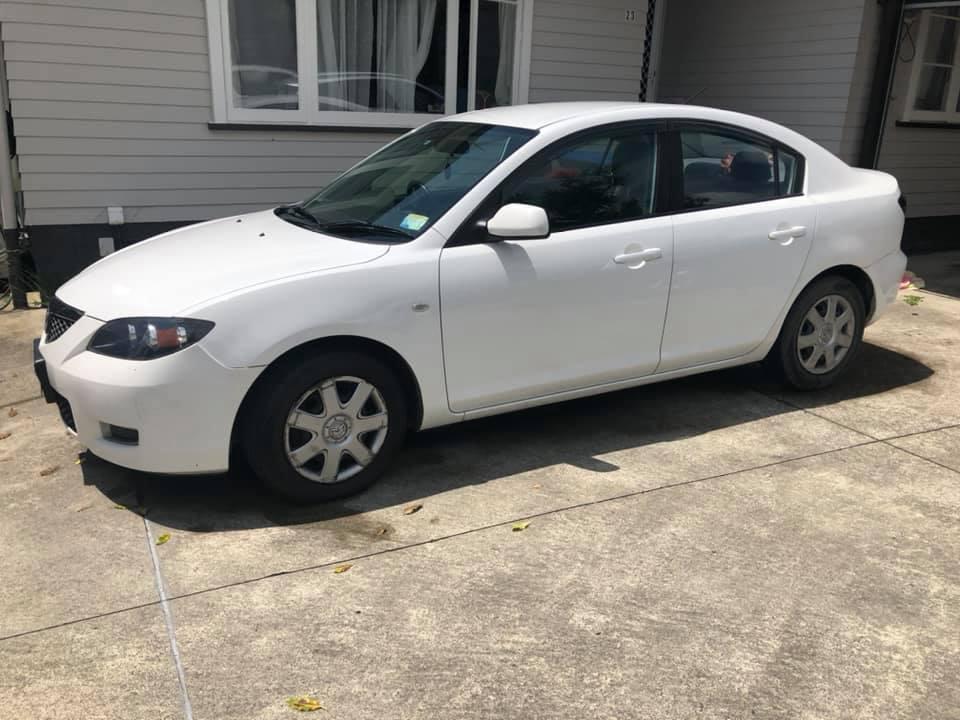
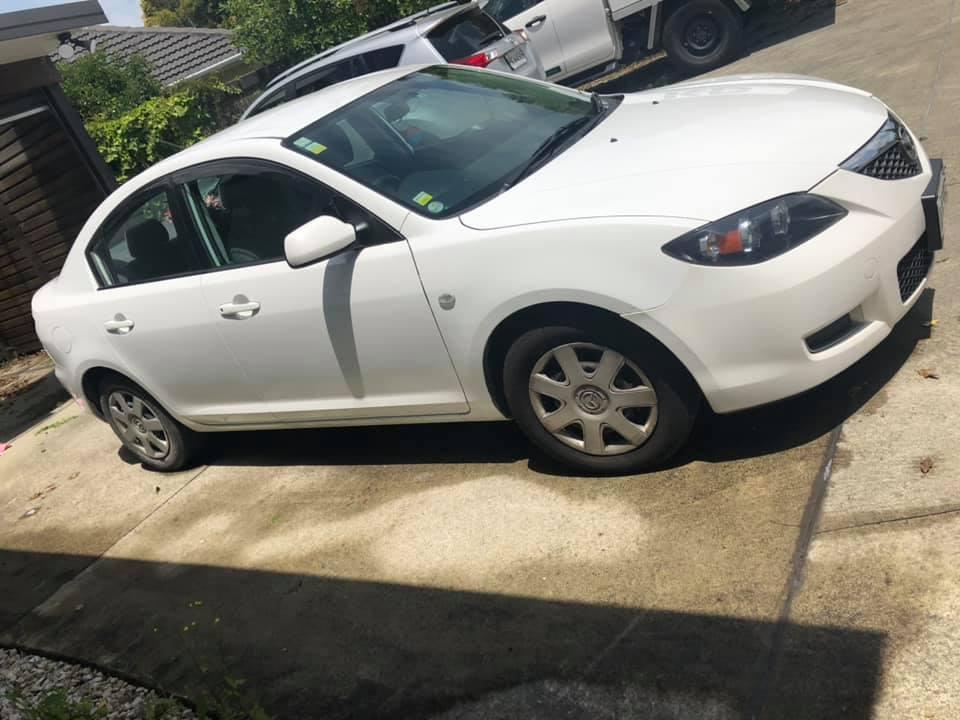
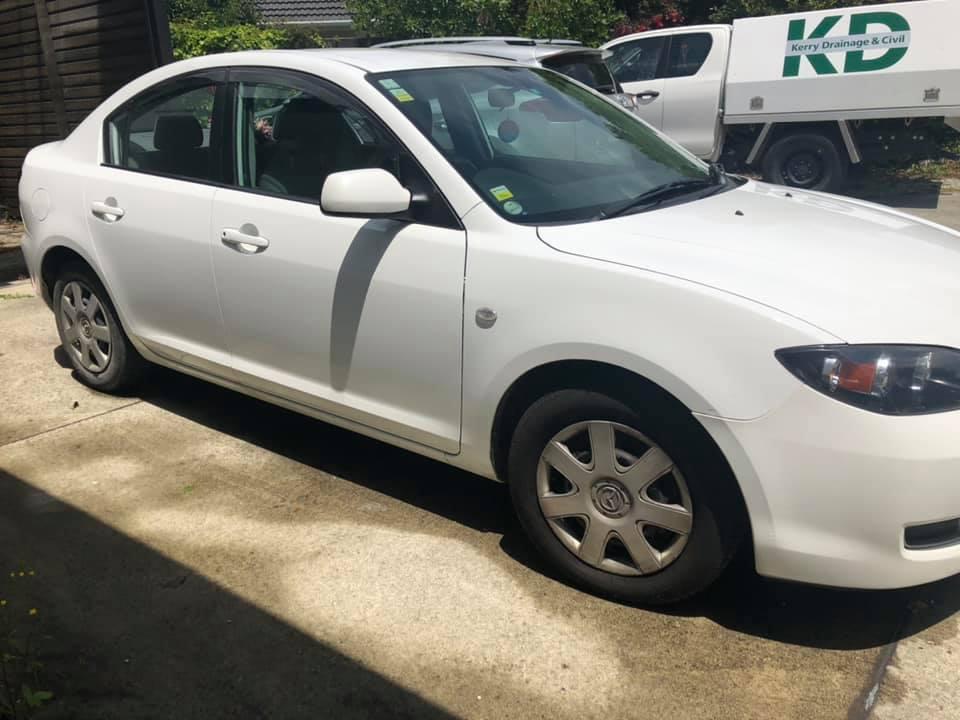
2007 Mazda Axela for sale!
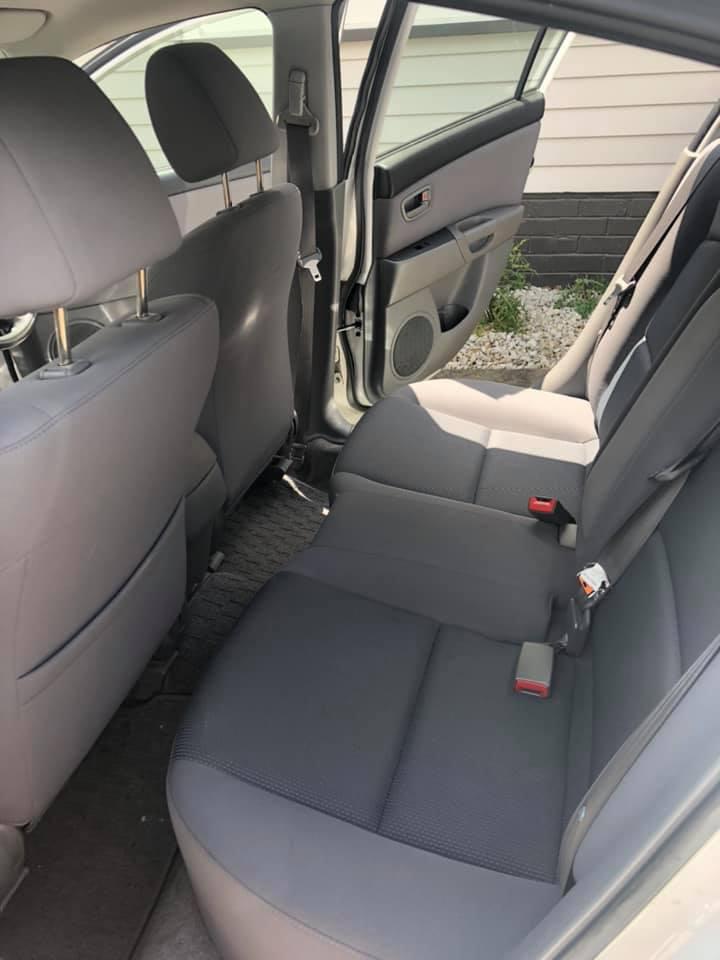
Selling my Mazda Axela as we don’t need a second personal vehicle anymore. Would make a great first car or just a run-around-car!
Wonderful, reliable, zippy little car that is convenient to park and pretty fuel efficient as well!
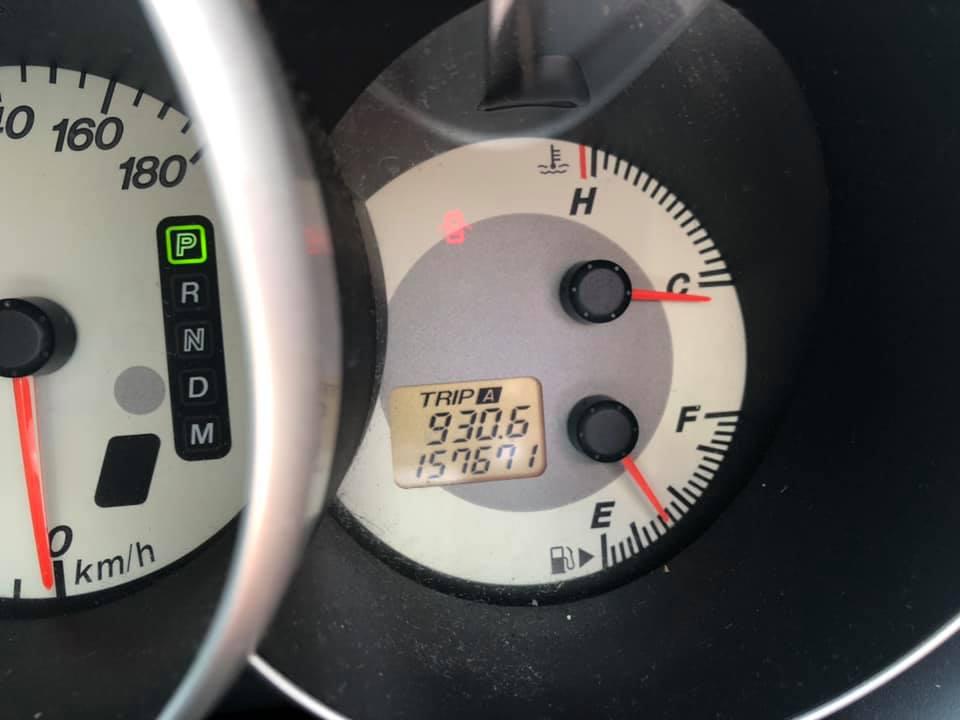
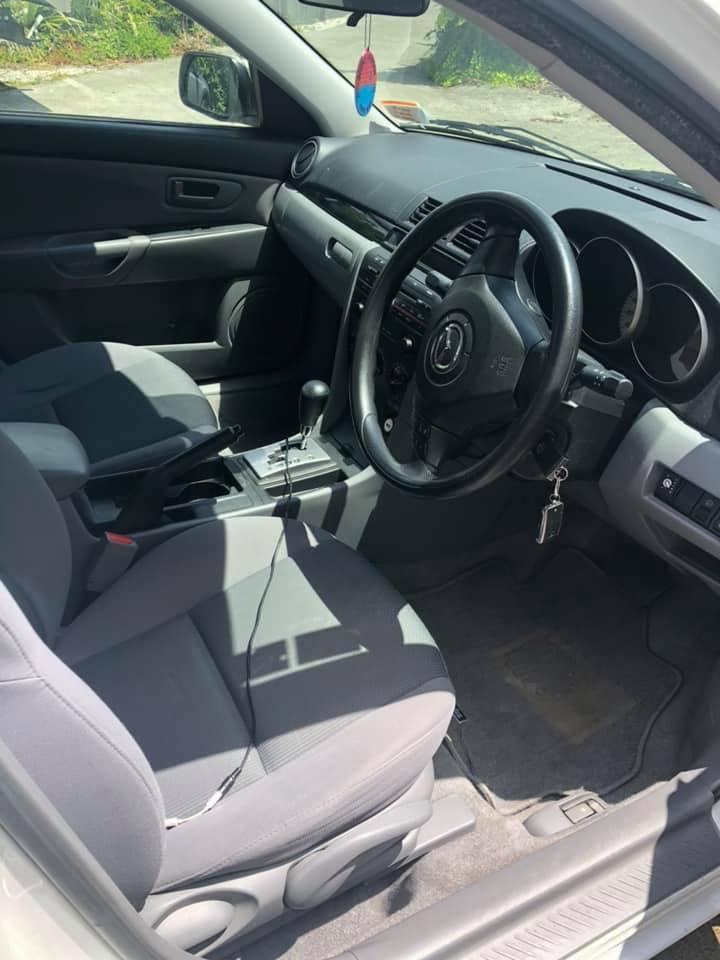
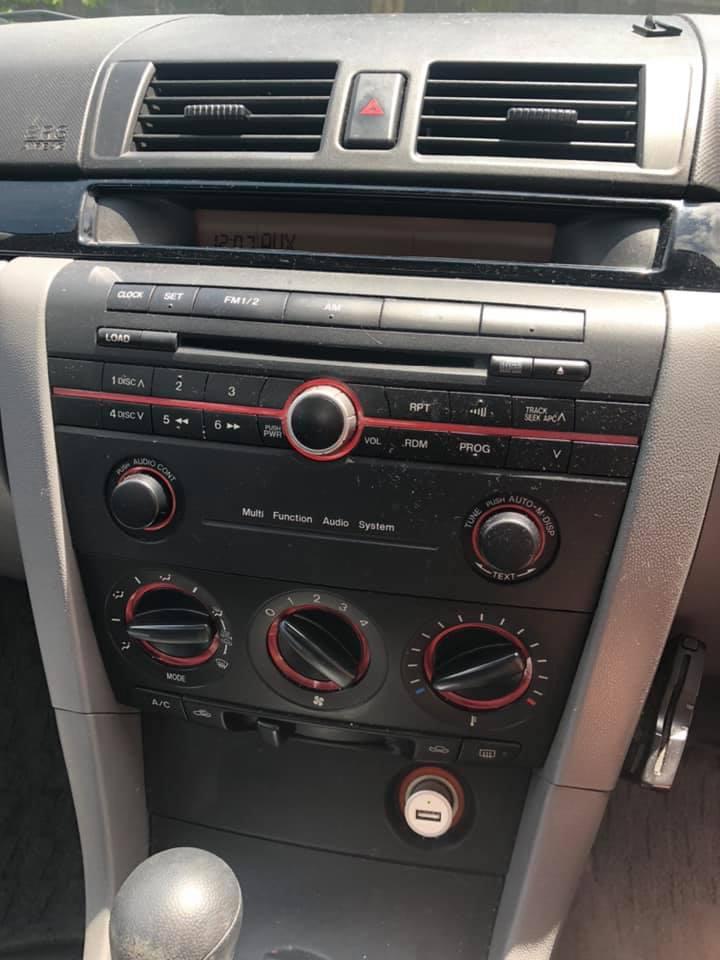
Has usual wear and tear given its age but not very noticeable and doesn’t affect its drive. The car is tiptronic if that’s what you fancy, but it’s automatic transmission is what I have used. I also had an AUX cord installed along with a car alarm/immobiliser.
It’s a Japanese import and I bought it in 2016 and was the first NZ owner. Have had it regularly serviced over the years by AA and Reber Auto Electrical. In its most recent service it had a transmission service as well as it’s air filter replaced.
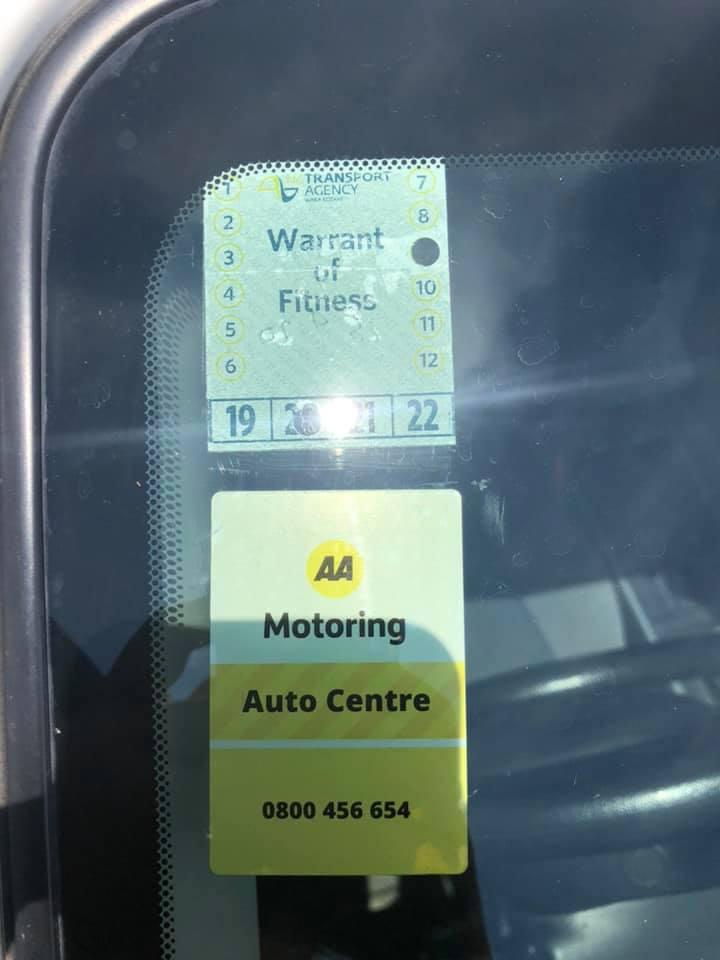
WOF is until September 2020 and registration is until 17 April 2020. I’m happy to pay for and sort out the change in registration.
Let me know if you’d like to come and check the car out or have any questions 😊


Poll: Should the government levy industries that contribute to financial hardship?
As reported in the Post, there’s a $30 million funding gap in financial mentoring. This has led to services closing and mentors stepping in unpaid just to keep helping people in need 🪙💰🪙
One proposed solution? Small levies on industries that profit from financial hardship — like banks, casinos, and similar companies.
So we want to hear what you think:
Should the government ask these industries to contribute?

-
59.9% Yes, supporting people is important!
-
25.8% No, individuals should take responsibility
-
14.4% ... It is complicated

Even Australians get it - so why not Kiwis???
“Ten years ago, if a heatwave as intense as last week’s record-breaker had hit the east coast, Australia’s power supply may well have buckled. But this time, the system largely operated as we needed, despite some outages.
On Australia’s main grid last quarter, renewables and energy storage contributed more than 50% of supplied electricity for the first time, while wholesale power prices were more than 40% lower than a year earlier.
[…] shifting demand from gas and coal for power and petrol for cars is likely to deliver significantly lower energy bills for households.
Last quarter, wind generation was up almost 30%, grid solar 15% and grid-scale batteries almost tripled their output. Gas generation fell 27% to its lowest level for a quarter century, while coal fell 4.6% to its lowest quarterly level ever.
Gas has long been the most expensive way to produce power. Gas peaking plants tend to fire up only when supply struggles to meet demand and power prices soar. Less demand for gas has flowed through to lower wholesale prices.”
Full article: www.theguardian.com...
If even Australians see the benefit of solar - then why is NZ actively boycotting solar uptake? The increased line rental for electricity was done to make solar less competitive and prevent cost per kWh to rise even more than it did - and electricity costs are expected to rise even more. Especially as National favours gas - which is the most expensive form of generating electricity. Which in turn will accelerate Climate Change, as if New Zealand didn’t have enough problems with droughts, floods, slips, etc. already.
Poll: Should complete designs be shared with the public, or should the community help shape the designs from the start?
The Post recently shared an opinion piece on the Harbour Crossing and why a more democratic approach might be needed 🚗🚲👟
While most decisions sit within the political arena, many organisations—like NZTA—manage long-term projects that go beyond party lines. Politics can sometimes disrupt progress, and the next Harbour Crossing is a big decision that will affect all Aucklanders.
We’d love your thoughts: Should near-complete, shovel-ready designs be shared with the public, or should the community have a hand in shaping the designs from the start?

-
87% Community feedback and transparency is needed.
-
13% No. This would be impossible in practice.
 Loading…