






Rotorua becoming a 'slum' as motels overrun with beneficiaries
Rotorua has become a "dumping ground" and "slum" for beneficiaries from around the central North Island who are getting a "holiday" in motels and causing havoc, local business leaders say. The leaders believe the city's tourism reputation has also taken a hammering. The Ministry for Social Development acknowledged some of the behaviour of its clients was not acceptable but said it could not provide data on how many people it had relocated into motels from outside the area. Rotorua Motel Association chairwoman Shelley Hobson-Powell said Rotorua was becoming a "slum". She described the situation as a "dire emergency" and said domestic and gang violence was rife in emergency accommodation. The association estimated 35 motels in Rotorua solely catered for homeless beneficiaries. While the council and the economic and tourism board had tried to solve the problem, there was "no instantaneous fix". Hobson-Powell said the police were constantly called to motels. "Rotorua is becoming the dumping ground for [Ministry for Social Development] clients from the central North Island."
Professionals McDowell Real Estate co-owner Steve Lovegrove said Rotorua was a sinking hole for people who were looking for a "free ride" in motels. "That is a gross misuse of our tax when these people are still getting the benefit and paying no rent while they have a holiday in a motel. It's time people stood up - and someone has got to step in at both local and national government level." The damage to Rotorua's tourism image was a "crime", Lovegrove said. "We can't be New Zealand's homeless mop like we are being treated now." Lovegrove worried about Rotorua's image as the city was a tourism hotspot and should be "an absolute diamond". Watchdog Security chief executive Brett Wilson said some of the people living in the motels could be problematic. He believed problems from other districts were being imported to Rotorua, which included criminal and gang elements. He said the council and police should be applauded for monitoring the streets and stepping up security measures as no one else was doing anything. Ministry for Social Development regional commissioner Mike Bryant said the ministry was aware its clients sometimes behaved in ways that were "not acceptable to moteliers". "We do our best to respond quickly when concerns come to our attention and work with other agencies when needed. We value our relationship with moteliers, and encourage them to bring any concerns with people temporarily staying with them to our attention." The ministry said it did not centrally report on who was temporarily relocated for emergency housing into Rotorua. Housing options across the country, including Rotorua, were in short supply – this included emergency, transitional and public housing, he said. The ministry was working closely with the Rotorua Lakes Council on a housing strategy. "It will be based on a collaborative response, including government agencies the local business sector, community groups and iwi." Figures from the ministry reveal from October 1, 2016 to June 30, 2019, costs for emergency housing in Rotorua had spiralled to $9.3m, with one motel alone earning more than $800,000. The top three earners were: Jedi 3000 Ltd that owns Spa Lodge, which made $834,148' the Grand Treasure Hotel Ltd, which made $773,208; and Cactus Jacks, with $677,267 in earnings. Destination Rotorua chief executive Michelle Templer said the organisation worked closely with accommodation owners and had not received any complaints from visitors staying in those locations.
Rotorua's reputation was important and tourism-related businesses worked hard to build and protect that reputation, Templer said. Those efforts were paying off, with visits to Rotorua's attractions and activities increasing by 3.6 per cent for the year ending August 2019, and visitor spending hitting $830.4m in the same period. Templer said while it was not ideal anyone should have to live in a motel, it was encouraging to know that the ministry, Rotorua Lakes Council and other organisations were working together to respond to the housing challenge locally and nationally. Mayor Steve Chadwick said using motels as temporary housing was not a viable long-term solution and was not what visitors expected. "We need more homes of all types and solutions will require a collaborative approach. We want to develop a plan and actions so we can provide homes that match people's needs and align with the aspirations of our community. [The] council can't do this alone and is working with others. "Engagement undertaken during October resulted, I understand, in some very constructive and positive discussions, and work with Government, its agencies, and others is continuing. We will announce our housing plan once the detail is finalised." A police spokesman said police had responded to a variety of incidents at motels in the area. "Our priority is to keep people safe and we encourage anyone who witnesses anything concerning to contact police."
Behind the scenes
===============
When Spa Lodge owner Emilyn Dubouzet received a birthday card from a former guest who was back in prison, the gesture bought a tear to her eye. The Rotorua motelier, whose business solely accommodates Ministry for Social Development clients, says she is not only providing people with a roof over their heads, but giving them mental and emotional support. "I believe in karma and what goes around comes around and every day I try to give out positive energy. I talk to my guests and we care about them and are here to give them stronger wings." She says homelessness can affect anyone, including those who have had rental properties sold or relationship and marriage breakups. Dubouzet declined to reveal how many beneficiaries were staying at Spa Lodge but she says few were from other regions in New Zealand. "[Ministry for Social development] gives priority to those who live in Rotorua. They do accommodate a few, but when it comes to getting an extension to stay longer, they encourage them to return to where they came from. Otherwise, it puts more of a strain on those that need houses." A lot of beneficiaries had faced hardships in their lives and people needed to look at the problems with a different perspective, she said. In her view, some motels were just in it for the money - but for her it was "my passion".
Who can be an emergency housing provider?
=====================================
• Landlords or accommodation providers are required to submit proof they own the property or are authorised to act on the owner's behalf.
• An accommodation provider would generally be considered appropriate if they are a commercial provider or a not-for-profit accommodation provider and are approved by the relevant authorities including the council.
• Providers must meet the requirements to become a supplier.
==========================================================

Auckland Seniors & Travel Expo
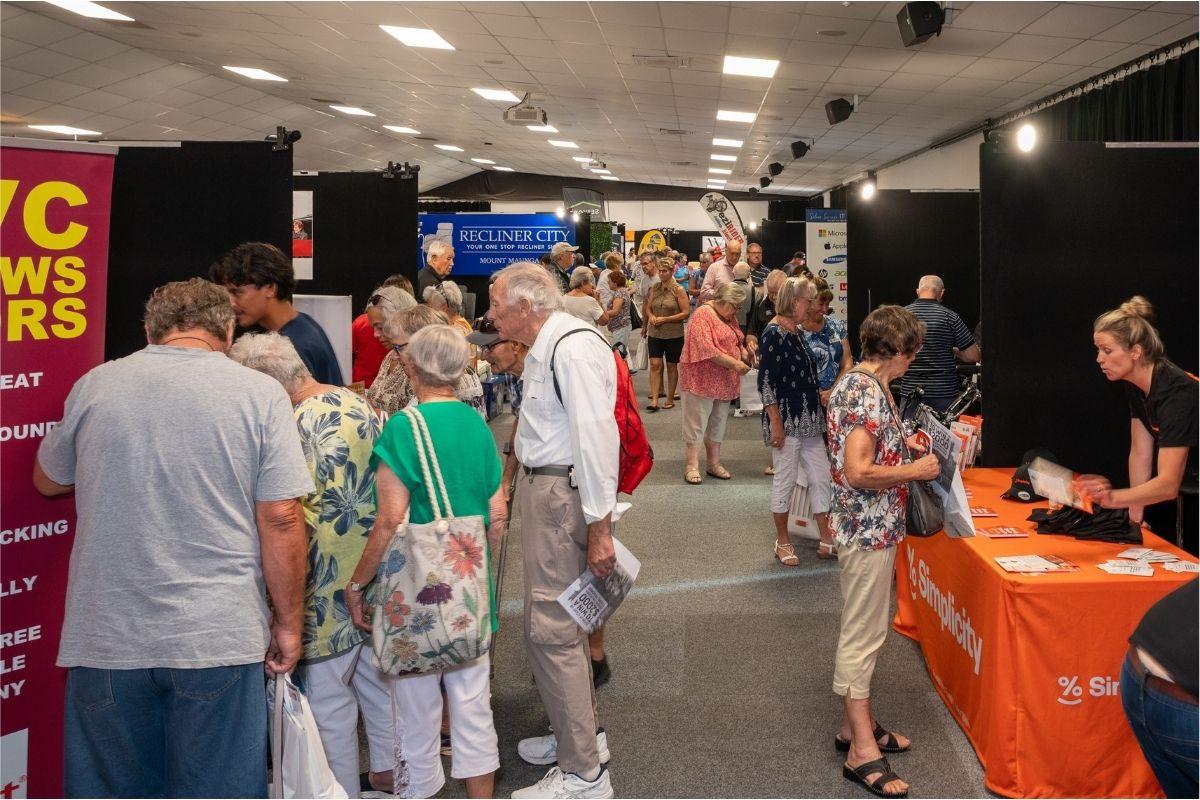
Neighbourhood locals are invited to the Auckland Seniors & Travel Expo, a relaxed and welcoming event bringing lifestyle, leisure, and travel together under one roof. Meet 50+ exhibitors showcasing travel ideas, retirement living, mobility solutions, health services, finance, and local clubs. Enjoy live music from Kulios, café seating, door prizes, and be in to win a Luxury Beachfront Escape for Two to Rarotonga.
North Harbour Stadium
28 February & 1 March
10:00am – 3:00pm
$10 entry

Poll: Should the government levy industries that contribute to financial hardship?
As reported in the Post, there’s a $30 million funding gap in financial mentoring. This has led to services closing and mentors stepping in unpaid just to keep helping people in need 🪙💰🪙
One proposed solution? Small levies on industries that profit from financial hardship — like banks, casinos, and similar companies.
So we want to hear what you think:
Should the government ask these industries to contribute?

-
60% Yes, supporting people is important!
-
25.7% No, individuals should take responsibility
-
14.3% ... It is complicated

Even Australians get it - so why not Kiwis???
“Ten years ago, if a heatwave as intense as last week’s record-breaker had hit the east coast, Australia’s power supply may well have buckled. But this time, the system largely operated as we needed, despite some outages.
On Australia’s main grid last quarter, renewables and energy storage contributed more than 50% of supplied electricity for the first time, while wholesale power prices were more than 40% lower than a year earlier.
[…] shifting demand from gas and coal for power and petrol for cars is likely to deliver significantly lower energy bills for households.
Last quarter, wind generation was up almost 30%, grid solar 15% and grid-scale batteries almost tripled their output. Gas generation fell 27% to its lowest level for a quarter century, while coal fell 4.6% to its lowest quarterly level ever.
Gas has long been the most expensive way to produce power. Gas peaking plants tend to fire up only when supply struggles to meet demand and power prices soar. Less demand for gas has flowed through to lower wholesale prices.”
Full article: www.theguardian.com...
If even Australians see the benefit of solar - then why is NZ actively boycotting solar uptake? The increased line rental for electricity was done to make solar less competitive and prevent cost per kWh to rise even more than it did - and electricity costs are expected to rise even more. Especially as National favours gas - which is the most expensive form of generating electricity. Which in turn will accelerate Climate Change, as if New Zealand didn’t have enough problems with droughts, floods, slips, etc. already.
 Loading…