





Slower Car Traffic Around the city
I heard this podcast lately where NZTA (or Waka Kotahi) is stating car traffic is being slowed on purpose in order to "make it easier to get around"! ?! (See link below)
Personally, even if you agree or not with the purpose of such a policy, the way it's been implemented, i.e. without previous consultation, without publicity, and without alternatives - it appears to me that car commuters are treated like irresponsible children and not grown up adults.
It looks like the transport agency's role to make transport faster is being hijacked into changing the transport by making it SLOWER and yes, SAFER, with the declared purpose of "making it easier to get around". Of course, if your car is not moving you're perfectly safe!
I find this would work great in Europe, where I was able to use the EFFICIENT, FAST and PUNCTUAL public system to get around. But this infrastructure is NOT NEAR close enough to what's required as an alternative to using your vehicle in Auckland, as any trip by bus or train will usually take twice as long. Of Europe has a bigger economic capacity, and the reality in tiny NZ is the car is still reigning in most socio-economic communities as a main means of transport.
Such a policy would make sense if there would be an option in planning or building / execution, but in my view, there isn't a viable transport alternative yet in the works.
So, in my view, car commuter are left with is put up with more delays, frustration, time wasted, fuel burned in slower traffic as there's no alternative - in the name of a rushed ideology with no proper investment or planning. To poke a bit of sarcastic fun, it looks like a nanny state, where the nanny doesn't know what to do, but wishes to appear strong and confident...
I wonder if people find this decision although nice in it's intention, as completely missing the mark and not addressing the real issue of under investment in the public transport system.
It's timing might be right in 5 or 10 years from now when hopefully some of the much needed public infrastructure projects (electrification of the rail past Swanson, Airport train or light rail loop, etc) will be closed or near to completion. Until then, in my view, it's just another bit adding to people's frustration who have no alternative to commuting to work, shopping, transporting kids to/from events etc etc.
www.newstalkzb.co.nz...

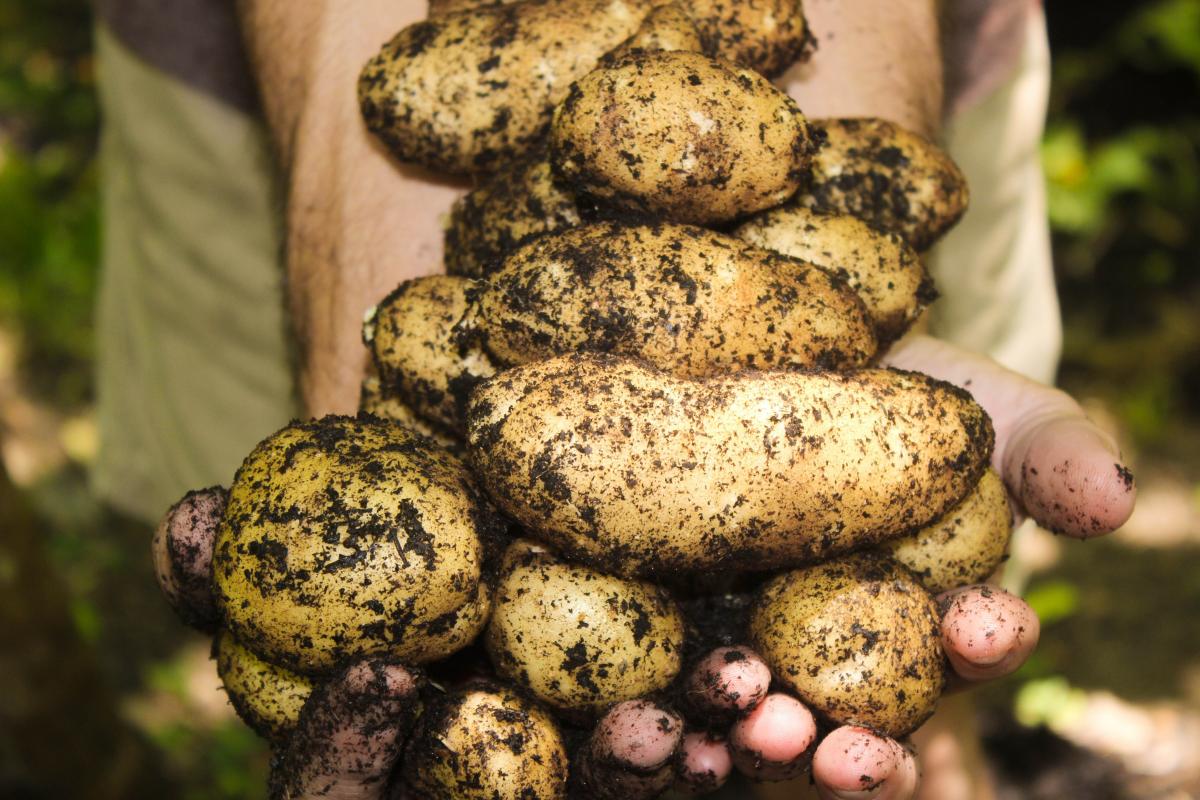
Share your favourite main crop potato recipe and win a copy of our mag!
Love potatoes? We will give away free copies of the May 2026 issue to readers whose potato recipes are used in our magazine. To be in the running, make sure you email your family's favourite way to enjoy potatoes: mailbox@nzgardener.co.nz, by March 1, 2026.

Poll: 🤖 What skills do you think give a CV the ultimate edge in a robot-filled workplace?
The Reserve Bank has shared some pretty blunt advice: there’s no such thing as a “safe” job anymore 🛟😑
Robots are stepping into repetitive roles in factories, plants and warehouses. AI is taking care of the admin tasks that once filled many mid-level office jobs.
We want to know: As the world evolves, what skills do you think give a CV the ultimate edge in a robot-filled workplace?
Want to read more? The Press has you covered!
-
52.8% Human-centred experience and communication
-
14.8% Critical thinking
-
29.7% Resilience and adaptability
-
2.8% Other - I will share below!

Some Choice News!
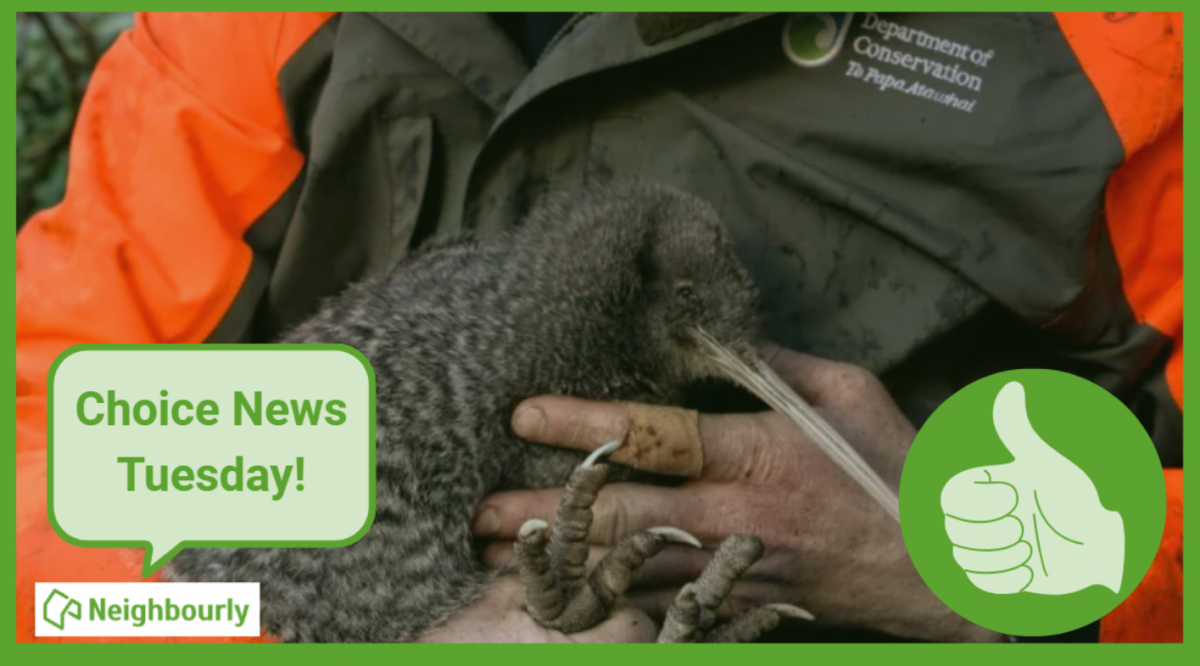
DOC is rolling out a new tool to help figure out what to tackle first when it comes to protecting our threatened species and the things putting them at risk.
Why does this matter? As Nikki Macdonald from The Post points out, we’re a country with around 4,400 threatened species. With limited time and funding, conservation has always meant making tough calls about what gets attention first.
For the first time, DOC has put real numbers around what it would take to do everything needed to properly safeguard our unique natural environment. The new BioInvest tool shows the scale of the challenge: 310,177 actions across 28,007 sites.
Now that we can see the full picture, it brings the big question into focus: how much do we, as Kiwis, truly value protecting nature — and what are we prepared to invest to make it happen?
We hope this brings a smile!
 Loading…