






Kauri health survey Waitākere Ranges
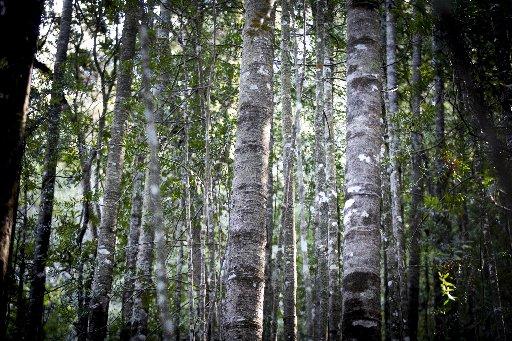
A new kauri monitoring programme has been launched in the Waitakere Ranges.
Auckland Council workers are surveying healthy trees as part of their study into kauri dieback disease.
They are investigating the impacts of the disease on individual trees and the wider kauri population.
Auckland Council kauri dieback team manager Lisa Tolich said new remote sensing technology had given the council a good estimate of how many kauri trees spanned the ranges.
The team had drawn a sample of trees to survey.
“We are giving 3500 kauri in the Waitākere Ranges a full health check and will continue monitoring these specific trees for years to come,” Tolich said.
“The trees have been randomly selected from the overall population so field teams don’t know going in whether they’ll be assessing healthy or diseased trees.
“This is important because it means we can build a picture of what’s happening across the entire population – not just the areas where we know the pathogen is already present.”
Data collected will identify risks to tree health associated with the locations, environment and other factors such as changing climate.
Survey findings will help the council assess how well precautionary measures are working and if any adjustments are needed.
Funding for the monitoring programme comes from the Natural Environment Targeted Rate at an expected cost of between $650,000 and $700,000.
This includes the design and delivery of the Waitākere Ranges Surveillance programme between 2020-2022.
Environment and Climate Change Committee chair Richard Hills said the investment was another step towards helping protect and preserve kauri forests.
“Kauri dieback disease is unfortunately not going away and the more we can find out about the disease, through robust processes like our surveillance and monitoring programmes, the better placed we are to protect our native taonga now and for generations to come.”

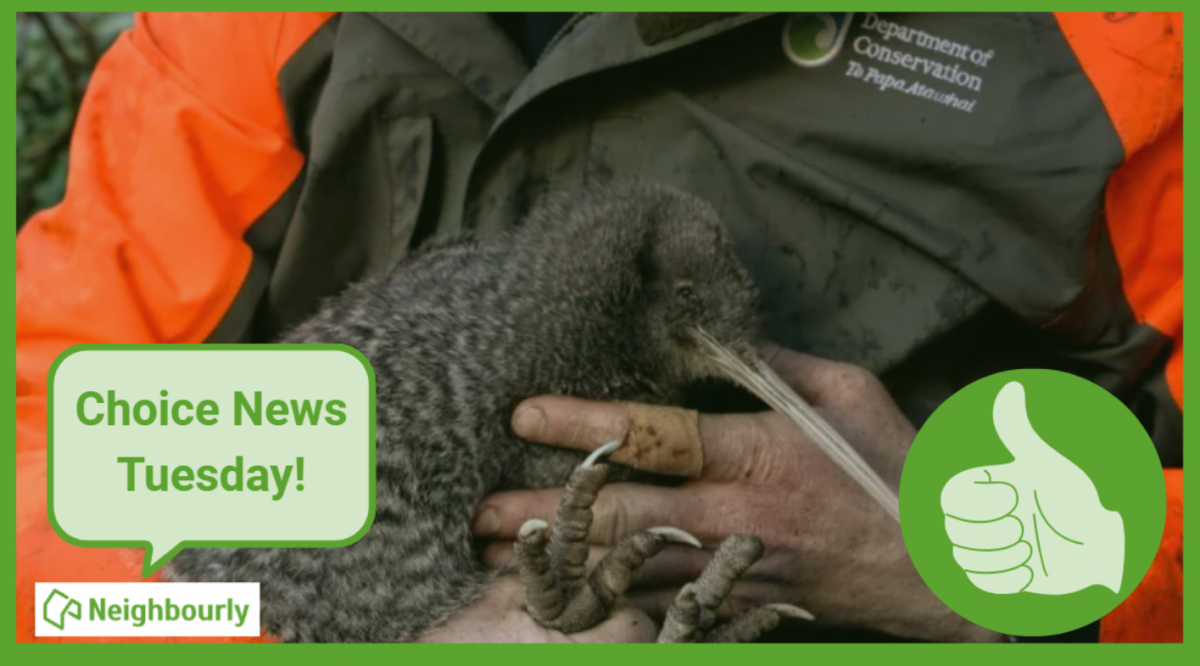
Some Choice News!
DOC is rolling out a new tool to help figure out what to tackle first when it comes to protecting our threatened species and the things putting them at risk.
Why does this matter? As Nikki Macdonald from The Post points out, we’re a country with around 4,400 threatened species. With limited time and funding, conservation has always meant making tough calls about what gets attention first.
For the first time, DOC has put real numbers around what it would take to do everything needed to properly safeguard our unique natural environment. The new BioInvest tool shows the scale of the challenge: 310,177 actions across 28,007 sites.
Now that we can see the full picture, it brings the big question into focus: how much do we, as Kiwis, truly value protecting nature — and what are we prepared to invest to make it happen?
We hope this brings a smile!

Have you got New Zealand's best shed? Show us and win!
Once again, Resene and NZ Gardener are on the hunt for New Zealand’s best shed! Send in the photos and the stories behind your man caves, she sheds, clever upcycled spaces, potty potting sheds and colourful chicken coops. The Resene Shed of the Year 2026 winner receives $1000 Resene ColorShop voucher, a $908 large Vegepod Starter Pack and a one-year subscription to NZ Gardener. To enter, tell us in writing (no more than 500 words) why your garden shed is New Zealand’s best, and send up to five high-quality photos by email to mailbox@nzgardener.co.nz. Entries close February 23, 2026.
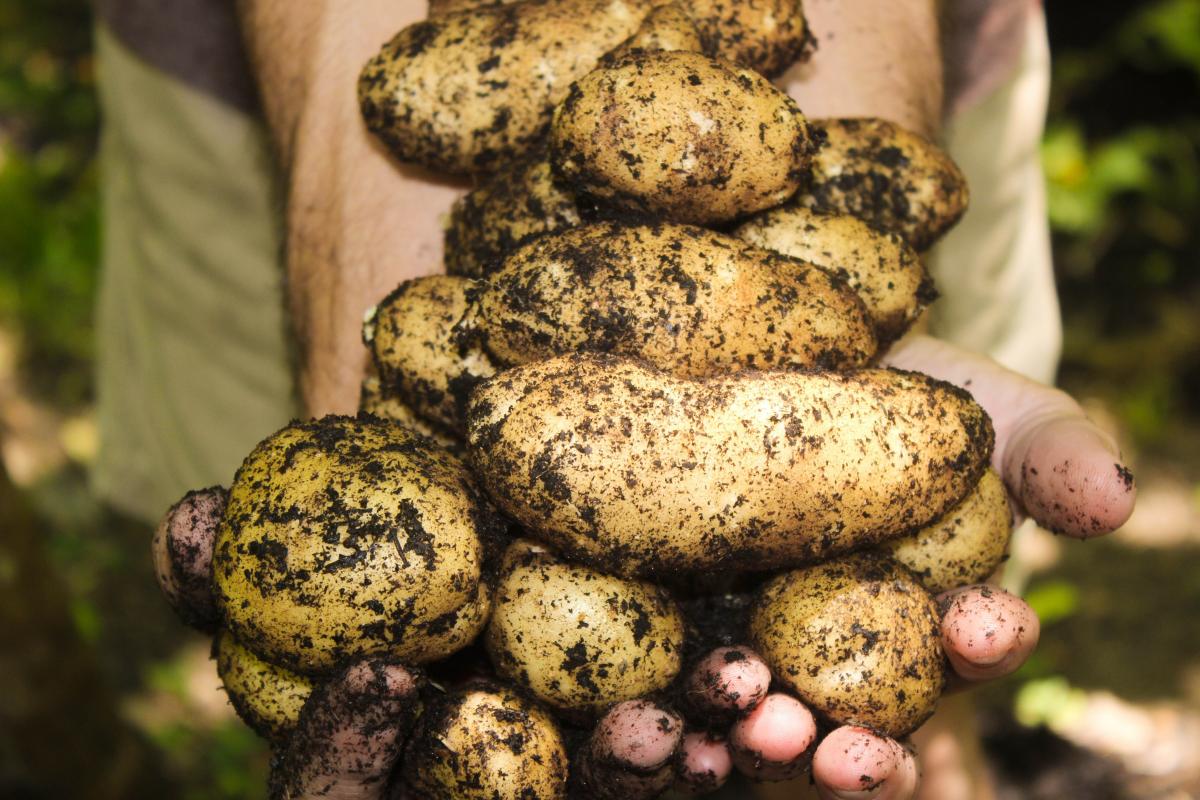
Share your favourite main crop potato recipe and win a copy of our mag!
Love potatoes? We will give away free copies of the May 2026 issue to readers whose potato recipes are used in our magazine. To be in the running, make sure you email your family's favourite way to enjoy potatoes: mailbox@nzgardener.co.nz, by March 1, 2026.
 Loading…