






Poll: Is restructuring the right tool for change?
Restructure.
A scary word that can make people uneasy—and for good reason. According to The Post, more than a third of New Zealand’s public services have recently faced it.
But why is restructuring the go-to strategy for driving change?
In The Post’s article 'Reaching for change: Is our public service obsessed with restructuring?', doctoral candidate Annika Naschitzki from Victoria University is trying to understand repetitive restructuring.
New Zealand’s public service is often seen as risk-averse, slow-moving, and stuck. But interviewed staff indicate that they want change, that change is needed ... just not through restructuring.
Naschitzki doesn’t mince words: “We always have the same issues, but we keep trying to fix the same problem with the same hammer we've been using for decades.”
Are we leaning too heavily on structural change when real transformation might lie elsewhere? Perhaps through training, resourcing, tools, and practice, as Naschitzki suggests.
What do you think?
Is restructuring the right tool for meaningful change, or just a habit we can’t seem to break?
If you are wary of restructuring, how can we do better?
Tell us your thoughts in the comments!

-
7.4% Restructuring is the only option in the current climate
-
25.5% Can be great if done in consultation with staff doing the work
-
15.1% Any change is good, as long as we know what we are trying to achieve
-
14.1% No, restructuring consumes too much resourcing
-
35.6% There is no one-size-fits-all answer ...
-
2.2% Other - I will share below
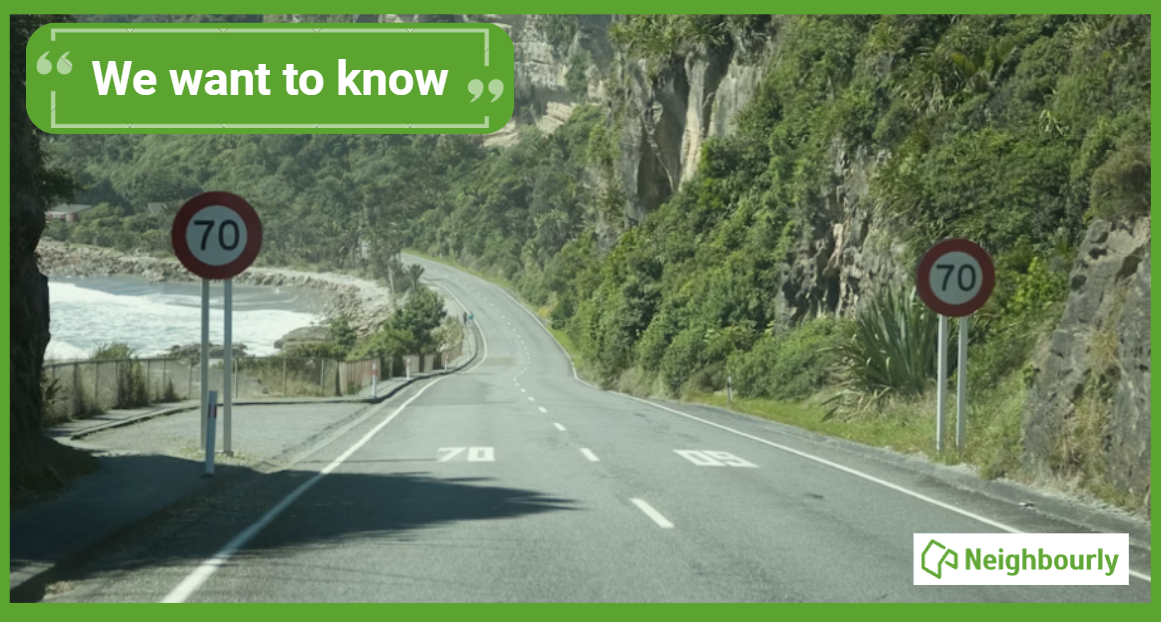
Poll: If we want to reduce speeding, what do you think actually changes driver behaviour? 🛻🚨🚓
In the Post's article on speeding penalties, the question is asked whether speeding fines are truly about road safety, or are they just a way to boost revenue for the Crown?
What do you think? Should speeding motorists receive speeding fines or demerit points?
-
37.2% The sting of a fine (Money talks!)
-
62.8% The threat of demerit points (Nobody wants to lose their license!)

Energy Resilience & Security
“India is facing a highly precarious situation for its energy security if the Strait of Hormuz – the world’s most critical oil shipping chokepoint – remains closed amidst the escalating Middle East crisis.”
Can you imagine how easy it is to choke New Zealand’s supply of oil & gas if it ever found itself in a conflict situation? How easy it is to blow up a 1 Billion Dollar LNG facility? Evan as a non-combatant like India you can be badly effected.
How about distributed solar installations on tens of thousands of roofs? Supported by distributed wind and tidal power?
Alternative energy won’t make companies rich - but it beats coal, oil, gas on not only price but security, resilience (just ask Ukraine), job creation, and the environment hands down.
It’s a no-brainer - unless you are a profit-oriented used car salesman … how did NZ ever end up with him? Nearly as bad as Trump.

Some Choice News!
DOC is rolling out a new tool to help figure out what to tackle first when it comes to protecting our threatened species and the things putting them at risk.
Why does this matter? As Nikki Macdonald from The Post points out, we’re a country with around 4,400 threatened species. With limited time and funding, conservation has always meant making tough calls about what gets attention first.
For the first time, DOC has put real numbers around what it would take to do everything needed to properly safeguard our unique natural environment. The new BioInvest tool shows the scale of the challenge: 310,177 actions across 28,007 sites.
Now that we can see the full picture, it brings the big question into focus: how much do we, as Kiwis, truly value protecting nature — and what are we prepared to invest to make it happen?
We hope this brings a smile!

 Loading…