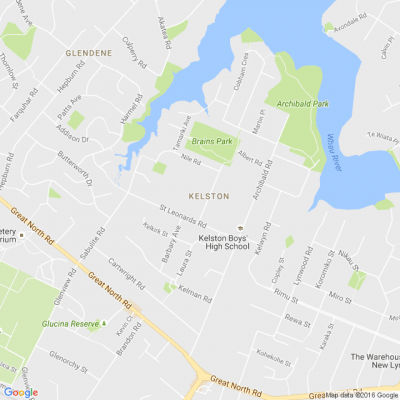
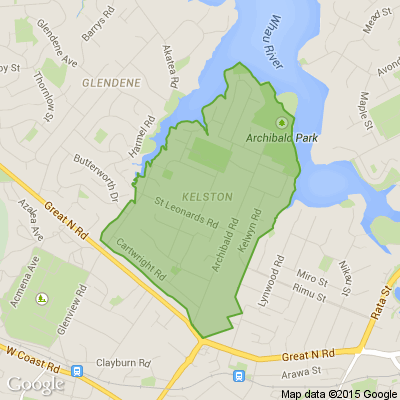






Mystery surrounds hundreds of black beetles: Te Atatu South.
Mystery surrounds the gathering of hundreds of South African black beetles outside Countdown Te Atatu South on Tuesday night.
Concerned shoppers posted on a Facebook community page that they had seen a swarm of the critters on the footpath, spreading to the carpark.
A resident reported a security guard was trying to sweep them from the door outside the supermarket.
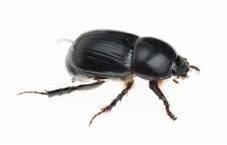
Beetle scientist Rich Leschen from Manaaki Whenua Landcare Research said the South African black beetles were nocturnal creatures.
"They're active at night, flying around looking for mates."
Leschen said the huge number of beetles may have been attracted to the bright artificial lights outside the west Auckland supermarket.
"They're really gathered there by the light, not there to get toilet paper," he said.
"One thing is they will probably be more active with the warmer nights which is normal for a lot of insects in general.
"They might be more active because of the rain."
Leschen said the adults were harmless but large numbers of larvae could remove the leaves of some trees, according to literature.
"I haven't seen them defoliate leaves here," he said.
"In my opinion, I think they're probably more critical as turf and pasture pests.
"Everyone probably has them in their garden. The blackbirds are able to find the larvae when they're close to the surface and they dig 'em out from the tufts in the grass."
Leschen said there were thousands and thousands of species of beetles in New Zealand with many more yet to be discovered.
He decided to study natural history when he was a young biology student, "so I just gravitated to beetles, maybe because there's so damn many of them."
Leschen said his affinity for the insects evolved over time and was unrelated to a traumatic childhood encounter.
"I think I was three years old and I stuck my finger in its mandibles and this is quite a large beetle in the United States," he said.
"It bit me and I hated it. I was screaming and crying and I killed it.
"It didn't really influence me at all to work with beetles."

🪱🐦 When are you the most productive? 🌙🦉
The Post has been diving into our daily habits, and research suggests being an early bird or a night owl isn’t just a choice—it’s biology! We all have that specific time when our brains finally "click" into gear.
This raises a big question for the modern workplace. To get the best out of everyone, should employers accommodate our natural body clocks? This idea is at the heart of the four-day work week and flexible scheduling movements.
We want to hear from you:
1. When does your brain "click" into gear?
2. Would a flexible (or shortened) schedule change the way you work?
Poll: Is Auckland’s economy improving?
The latest reporting from The Post suggests a wave of optimism for 2026. With interest rates finally heading south, businesses are feeling more positive. But for many on the ground, the real-world recovery feels a bit like a slow-moving commute on Auckland's motorways.
We want to know: Are you seeing signs of Auckland's economy improving in your industry or neighbourhood? Whether it's busier shops, new projects kicking off, or just a shift in the mood ...
-
18.5% Yes
-
65.8% No
-
15.6% A little

🌉🛶 Early Birds Might Crack This One First… or Not? 🥚🧠
A person is crossing a bridge and sees a boat full of people, yet there isn't a single person on board.
How is this possible?
(Susan from Massey kindly provided this head-scratcher ... thanks, Susan!)
Do you think you know the answer? Simply 'Like' this post if you know the answer and the big reveal will be posted in the comments at 2pm on the day!
Want to stop seeing these in your newsfeed?
Head here and hover on the Following button on the top right of the page (and it will show Unfollow) and then click it. If it is giving you the option to Follow, then you've successfully unfollowed the Riddles page.
 Loading…