





Bible Prophecy Seminar Each Sunday 6.45pm Starts Today - October 18 2020
It has been estimated that there are over 1,800 prophecies of some nature in the Bible. Prophecy makes up about 20% of the Bible. Amazingly, the majority of these prophecies have come true, and the remainder are predictions of events in the future.
In the Bible God claims to predict the future. In the book of Isaiah God says “The former things I declared of old; they went out from my mouth, and I announced them; then suddenly I did them, and they came to pass.” (Isaiah 48:3)
We read all kinds of prophecies regarding individuals—that Abraham would have a son. Did he? His name was Isaac. His grandson's name was changed to Israel. That there would be rulers like Cyrus of Persia. 100 years before Cyrus assumed the throne, his name is recorded in Isaiah 45 verse 1. Would you like to predict who the Prime Minister of New Zealand will be 100 years from today? It’s impossible. But here is the Bible giving name and country of these rulers long before they’re even born.
You are invited to come and hear some of the amazing evidence of Bible Prophecies that have been accurately fulfilled – evidences that the Bible is True and there are Prophecies yet to be fulfilled.
The Seminar Title is:
The Fundamentals of Bible Prophecy - A Divine Promise for a Better Future"


🌉🛶 Early Birds Might Crack This One First… or Not? 🥚🧠
A person is crossing a bridge and sees a boat full of people, yet there isn't a single person on board.
How is this possible?
(Susan from Massey kindly provided this head-scratcher ... thanks, Susan!)
Do you think you know the answer? Simply 'Like' this post if you know the answer and the big reveal will be posted in the comments at 2pm on the day!
Want to stop seeing these in your newsfeed?
Head here and hover on the Following button on the top right of the page (and it will show Unfollow) and then click it. If it is giving you the option to Follow, then you've successfully unfollowed the Riddles page.

🪱🐦 When are you the most productive? 🌙🦉
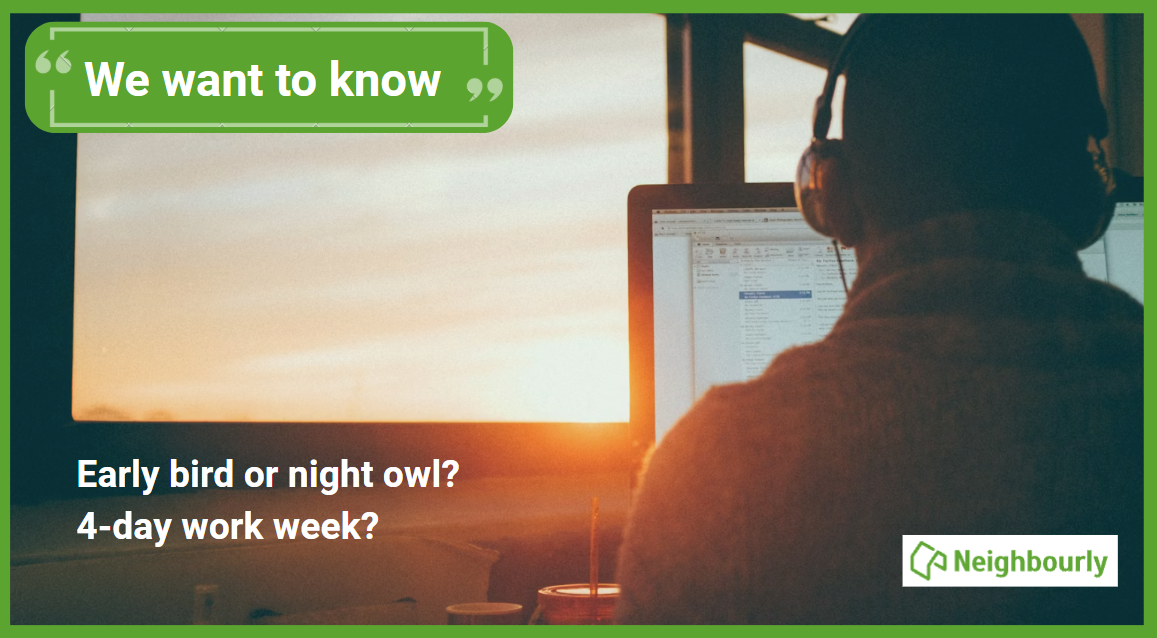
The Post has been diving into our daily habits, and research suggests being an early bird or a night owl isn’t just a choice—it’s biology! We all have that specific time when our brains finally "click" into gear.
This raises a big question for the modern workplace. To get the best out of everyone, should employers accommodate our natural body clocks? This idea is at the heart of the four-day work week and flexible scheduling movements.
We want to hear from you:
1. When does your brain "click" into gear?
2. Would a flexible (or shortened) schedule change the way you work?
Did someone ask about kawakawa?
Hi missed a post but think I saw someone interested in kawakawa balm?
 Loading…