





Last day at 50km/h: Auckland CBD speed limits to drop from tomorrow--- June 30
On June 30, almost all 50km/h streets in the CBD - including the likes of Karangahape Rd, Symonds St and Quay St - will fall to 30km/h. Fanshawe St, Hobson St and Nelson St drop to 40km/h, while Federal St and Elliott St, which are shared with pedestrians, will be 10km/h. An interactive map released earlier this month shows almost every major road in the CBD will see speed limits drop as part of Auckland Transport's (AT's) Safe Speeds programme. While road safety advocacy organisation Brake NZ supports the lower speed limits, it wants them introduced more frequently beyond the confines of the city too. "We would like to see this rolled out much more widely in the future," the charity's director Caroline Perry told. "[We want lower limits] in a lot of our communities, suburban centres, around schools and childcare centres - all those areas that global best practice tell us we should have those low 30km/h speed limits for the best chances of safety and saving lives in those areas."
Many rural roads in the Rodney and Franklin districts will see reductions, while changes will also be made to limits on about 100 other roads across the Auckland region on Tuesday. But it's in the inner city that speed limit changes will be most pronounced, with almost every single major road to be affected. "We support these lower speed limits… the World Health Organization says where people on foot and bike are mixing with motorised traffic, it should be 30km/h limits or less," Perry said. "It makes sure if the worst happens, and you're involved in a crash with someone who's a pedestrian or a cyclist, they have the best chance of survival. The reduction in speed makes a big difference." In 2016, Christchurch City Council implemented a 30km/h zone of its own in its CBD. The impacts were notable - a 36 percent reduction in crashes resulting in injury in the two years to March 2018, compared to the two-year period prior. Perry says while the safety impacts are obvious, it's also made the inner city "more liveable and more accessible in terms of people feeling safe to go out and walk and cycle". "That's what we really want in our urban centres," she said. In 2018, 54 people died on Auckland's roads and 595 others were left with serious injuries. AT says it wants to see that number drop to zero by 2050.
========================================================

Poll: Is it ok to regift something that you have been given?
🎁 Holiday Gift Chat!
Do you ever regift?
What’s your take on asking for a receipt if a gift doesn’t fit?

-
79.1% Yes! It's better to regift what I don't need
-
20.9% No. It's the thought and effort that matters
Poll: 🗑️ Would you be keen to switch to a fortnightly rubbish collection, or do you prefer things as they are?
Aucklanders, our weekly rubbish collections are staying after councillors voted to scrap a proposed trial of fortnightly pick-ups.
We want to hear from you: would you be keen to switch to a fortnightly rubbish collection, or do you prefer things as they are?
Keen for the details? Read up about the scrapped collection trial here.
-
83.1% Same!
-
16.9% Would have liked to try something different
Suspicious Guy
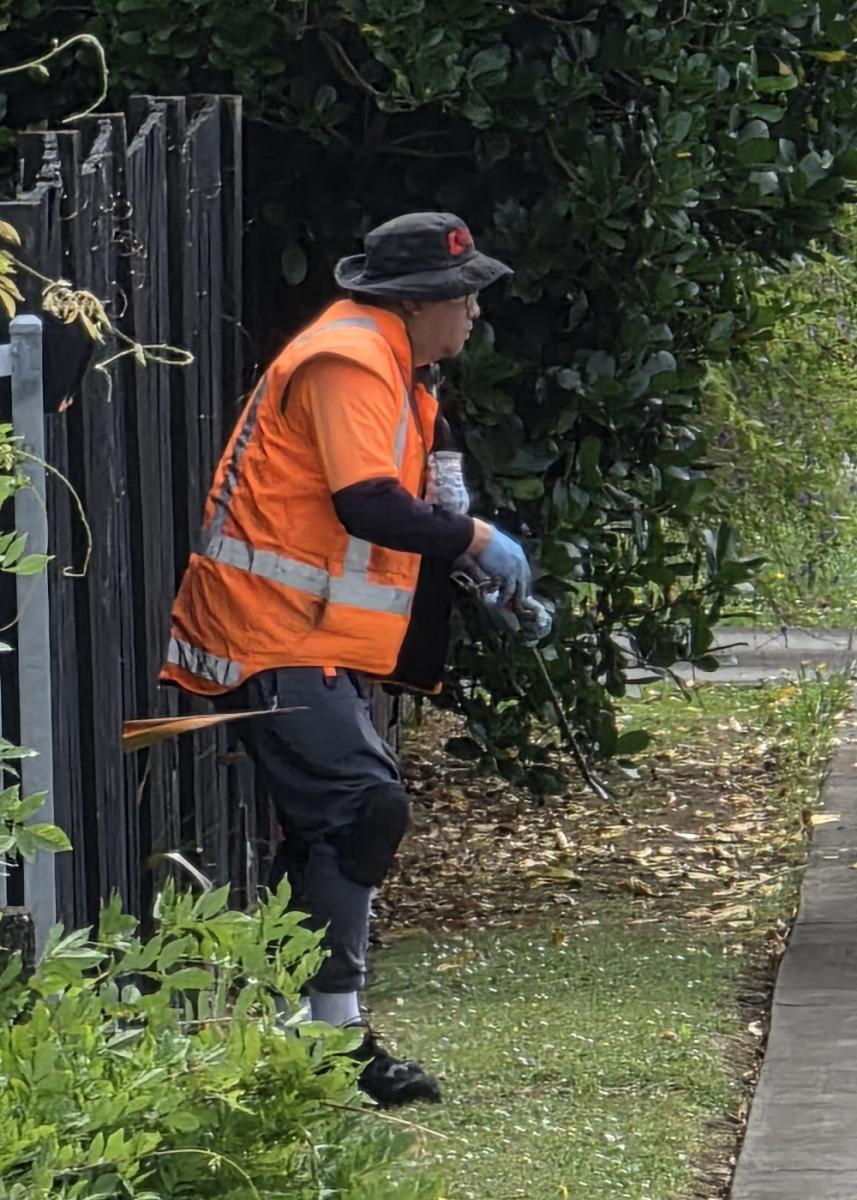
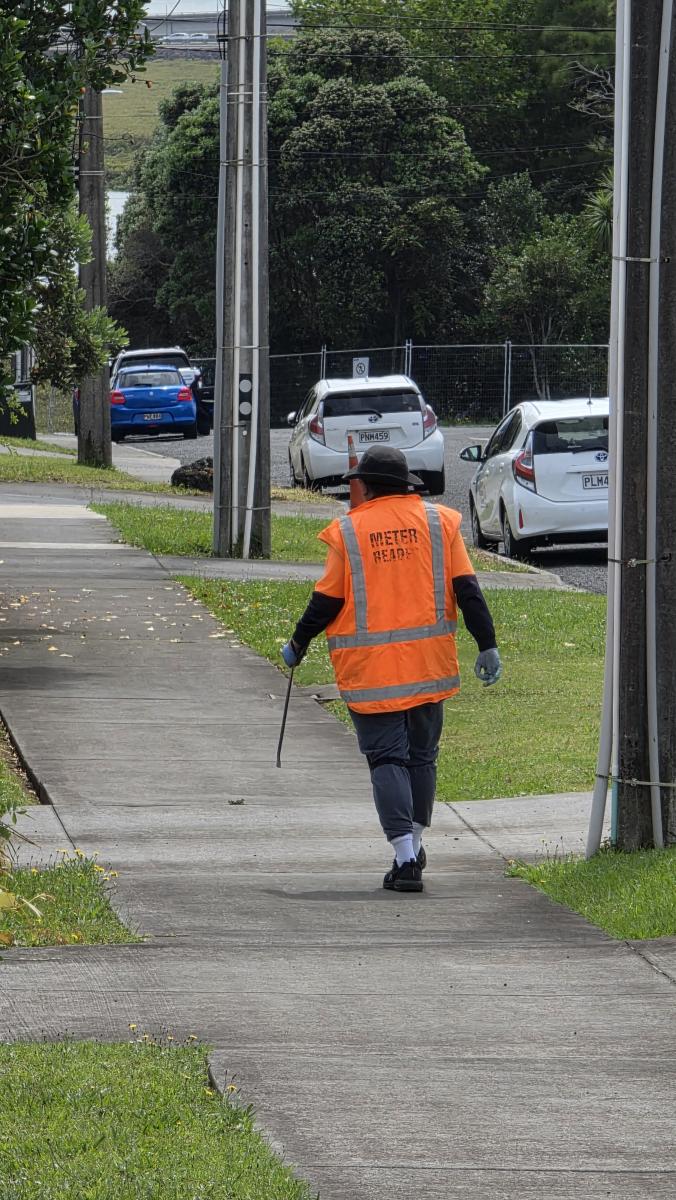
Keep an eye on this guy, pretended to read the water meter, then wandered up the drive crowbar in hand when I asked what he wanted he said power and is there a dog.We have smart meters. He opened my neighbours gate (we are 3 units) and went in the back of her place with his crowbar. My son went round there and he took off. Police informed.
 Loading…