




Simple steps Kiwis can take to save more than $1200 as the cost of living crisis bites
The consumer protection organisation advises that the easiest way to cut costs is to be power savvy and New Zealanders should start by checking if they are on the best power plan for their household.
Gemma Rasmussen, Consumer head of communications and campaigns, said it only takes minutes to check what savings could be made by using Powerswitch.
“It could not be simpler to switch power plans or providers.”
This year the average saving netted by Powerswitch users was $385.
Other steps households can take is to load-shift and only use ‘power-hungry’ devices during off-peak hours - Consumer NZ says this can save people up to $440.
Meanwhile, washing only in cold water, using LED bulbs and switching appliances off at the wall could save Kiwis more than $100 a year for each step taken.
“Loads of devices use power even on standby mode, so cut them off at their source,” said Rasmussen.
Finally, when you feel like a cuppa – only boil the amount of water you need.
“You can save $25 a year by halving the amount of water you boil in your kettle,” said Rasmussen.
Rasmussen said these power-saving steps alone could save New Zealanders more than $1200 a year, but there were even more ways to ensure money was staying in pockets.
Consumer NZ advises Kiwis to shop around to find the best prices, something made easier thanks to a range of apps and online tools.
Grocer App is great for comparing prices between supermarkets.
“We want to remind New Zealanders there’s little reward in being loyal to one supermarket chain,” said Rasmussen.
Gaspy is a great app to scan fuel prices while PriceSpy is an online tool which tracks the prices of items between different stores and over time.
Consumer NZ said that using these three tools means shoppers could save more than $200 a year.
Furthermore, the organisation is reminding people to review their insurance policies and mobile phone plans.
“Our insurance survey found a huge difference between the cheapest and most expensive insurance policies for a standard-sized house,” said Rasmussen.
“It’s worthwhile taking the time to explore different insurance providers – you could stand to make a sizeable saving.”
Finally, Consumer NZ advises Kiwis to get their credit cards under control - a timely reminder following Christmas shopping.
They say to start by paying more than just the minimum payments required which can lead to less interest being paid and can easily be done by setting up a direct debit.
Rasmussen said checking a bank’s offering is also a good idea as many offer low interest and even zero interest balance transfers.
“Taking a bit of time to use tools like Powerswitch, Grocer, PriceSpy and Gaspy, as well as being deliberate about how, when and where you spend could net you well over $1200 in 2023,” she said.
===================================================


Even Australians get it - so why not Kiwis???
“Ten years ago, if a heatwave as intense as last week’s record-breaker had hit the east coast, Australia’s power supply may well have buckled. But this time, the system largely operated as we needed, despite some outages.
On Australia’s main grid last quarter, renewables and energy storage contributed more than 50% of supplied electricity for the first time, while wholesale power prices were more than 40% lower than a year earlier.
[…] shifting demand from gas and coal for power and petrol for cars is likely to deliver significantly lower energy bills for households.
Last quarter, wind generation was up almost 30%, grid solar 15% and grid-scale batteries almost tripled their output. Gas generation fell 27% to its lowest level for a quarter century, while coal fell 4.6% to its lowest quarterly level ever.
Gas has long been the most expensive way to produce power. Gas peaking plants tend to fire up only when supply struggles to meet demand and power prices soar. Less demand for gas has flowed through to lower wholesale prices.”
Full article: www.theguardian.com...
If even Australians see the benefit of solar - then why is NZ actively boycotting solar uptake? The increased line rental for electricity was done to make solar less competitive and prevent cost per kWh to rise even more than it did - and electricity costs are expected to rise even more. Especially as National favours gas - which is the most expensive form of generating electricity. Which in turn will accelerate Climate Change, as if New Zealand didn’t have enough problems with droughts, floods, slips, etc. already.

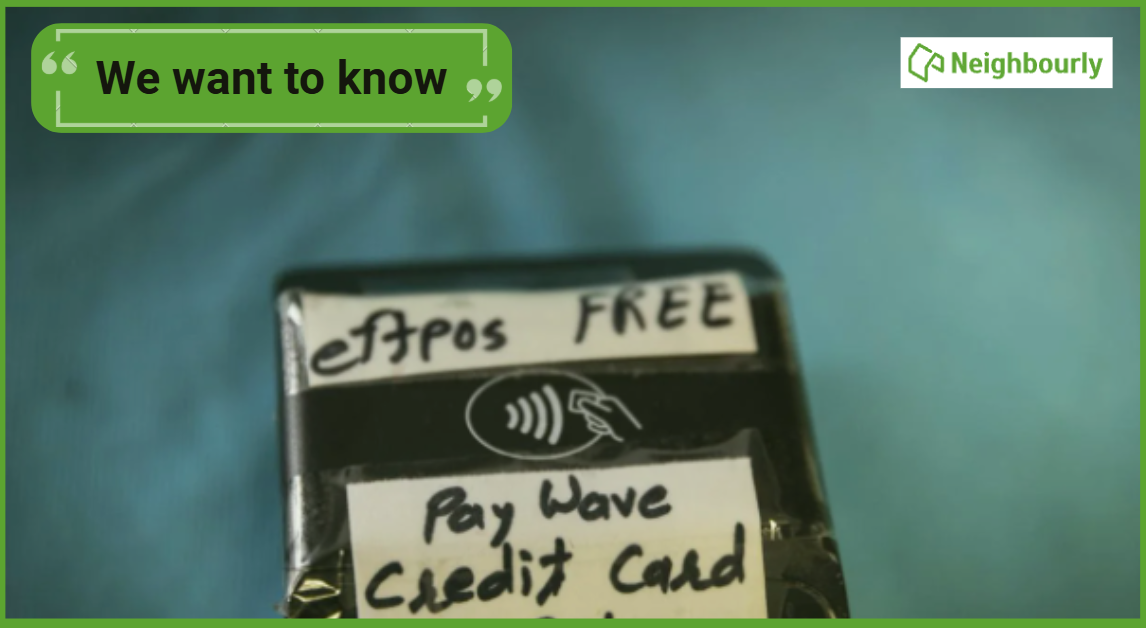
Poll: As a customer, what do you think about automation?
The Press investigates the growing reliance on your unpaid labour.
Automation (or the “unpaid shift”) is often described as efficient ... but it tends to benefit employers more than consumers.
We want to know: What do you think about automation?
Are you for, or against?
-
9.3% For. Self-service is less frustrating and convenient.
-
43.6% I want to be able to choose.
-
47.1% Against. I want to deal with people.
Rock'in with Elvis by Mike Cole
The Memories of Elvis Fan Club invite you to our 1st Elvis Social for 2026. We are excited to have our own Mike Cole back at the Te Atatu RSA on Saturday 28th February at 7.30pm. Cost only $20pp. Tickets are on sale at the RSA or reserve through Jackie 0274901126. So lets see you with your dancing shoes on and that great smile as we start off 2026 with a bang.


 Loading…