





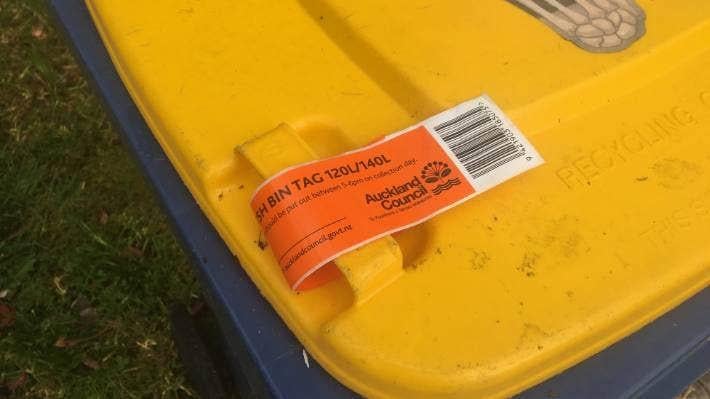
Bin tags: Scrapping pay-as-you-throw collection 'unfair', low-waste residents say
Auckland Council’s proposal to scrap bin tags in favour of rates-funded rubbish collections has been labelled “unfair” by residents who produce very little waste.
West Auckland, North Shore and Papakura residents have been on a pay-as-you-throw system for their kerbside rubbish collection since 2017-2018.
This system was to be implemented across the region, however, Auckland Council now believes the price of bin tags will need to be much higher to incentivise residents to reduce their waste.
So, it is proposing to move the entire region to a rates-funded collection service, the price of which is determined by what size bins residents use.
The council estimates that with a standard 120 litre rubbish bin, this will cost households $314 per year, which covers rubbish, recycling and inorganic collection. In 2023, the council will also roll out a food scraps collection service, which is not optional and will bring the rate up to $375.
For those who put out a 120L bin each week, the rates-funded model will cost them less than the current PAYT system, at $2.89 per week compared to a $4.25 bin tag.
However for those who are low-waste, the rates-funded system may cost them more.
Click 'read more' for the full story on Stuff.

Poll: Should we ditch daylight saving? 🕰️
First introduced in New Zealand in 1927 with the passing of the Summer Time Act, it's what we know as 'Daylight Saving' and this year it ends on the first Sunday in April.
While we do get to sleep in this time around, some people would like to scrap the clock tinkering for good.
And why? Some evidence suggests the time changes are bad for our health as they mess with sleep patterns leading to short-term fatigue and affecting mood. Meanwhile the hour change is frustrating for farmers and a nightmare for getting the littlies to sleep. But what's your take?

-
39.7% Yes - get rid of the clock changes
-
58.5% No, I enjoy it
-
1.8% Other - I'll share below

Have a look at other countries …
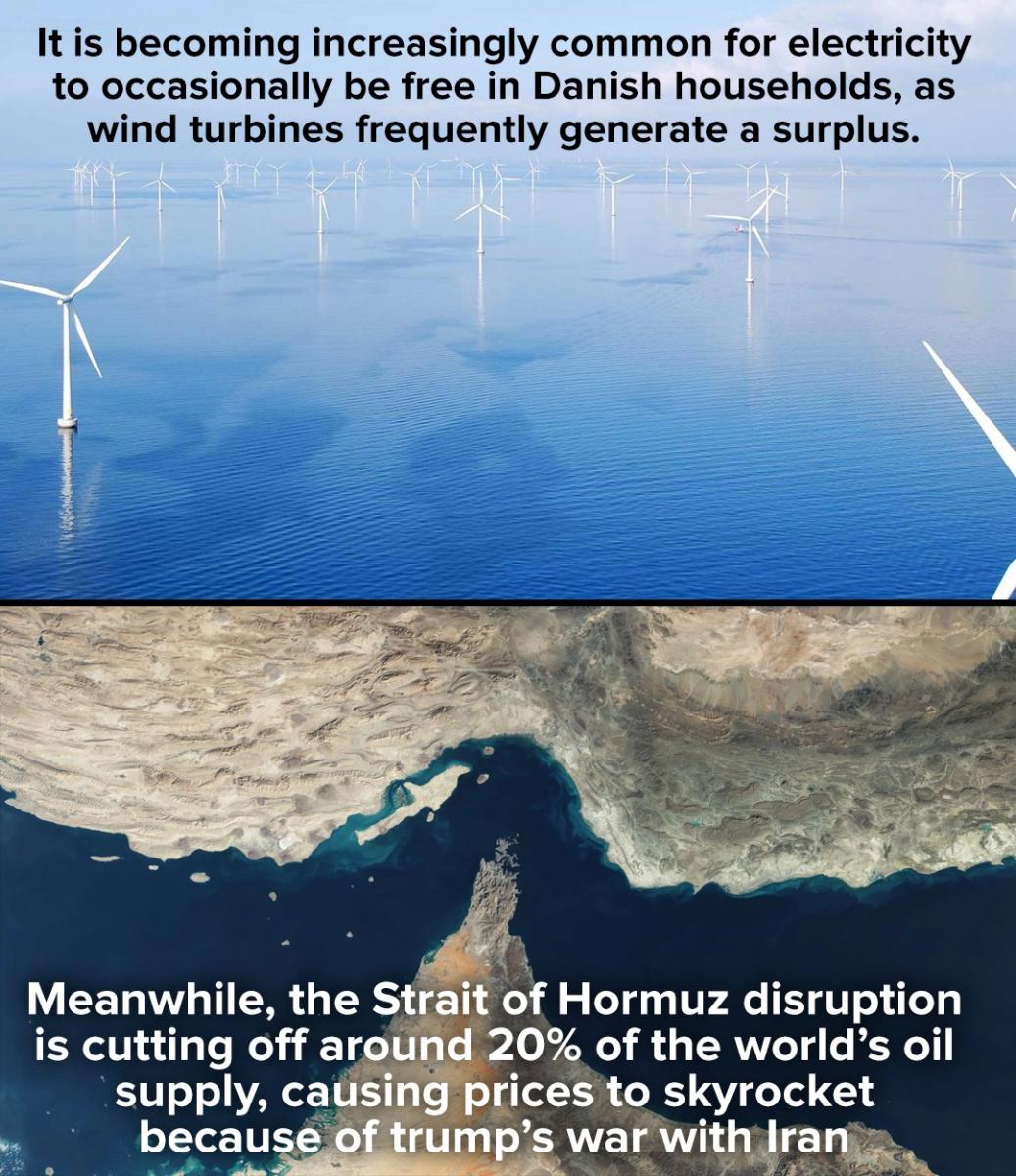
The Danish. The Chinese. Even the Australians FFS! Only Luxon, Trump & Co don't get it …

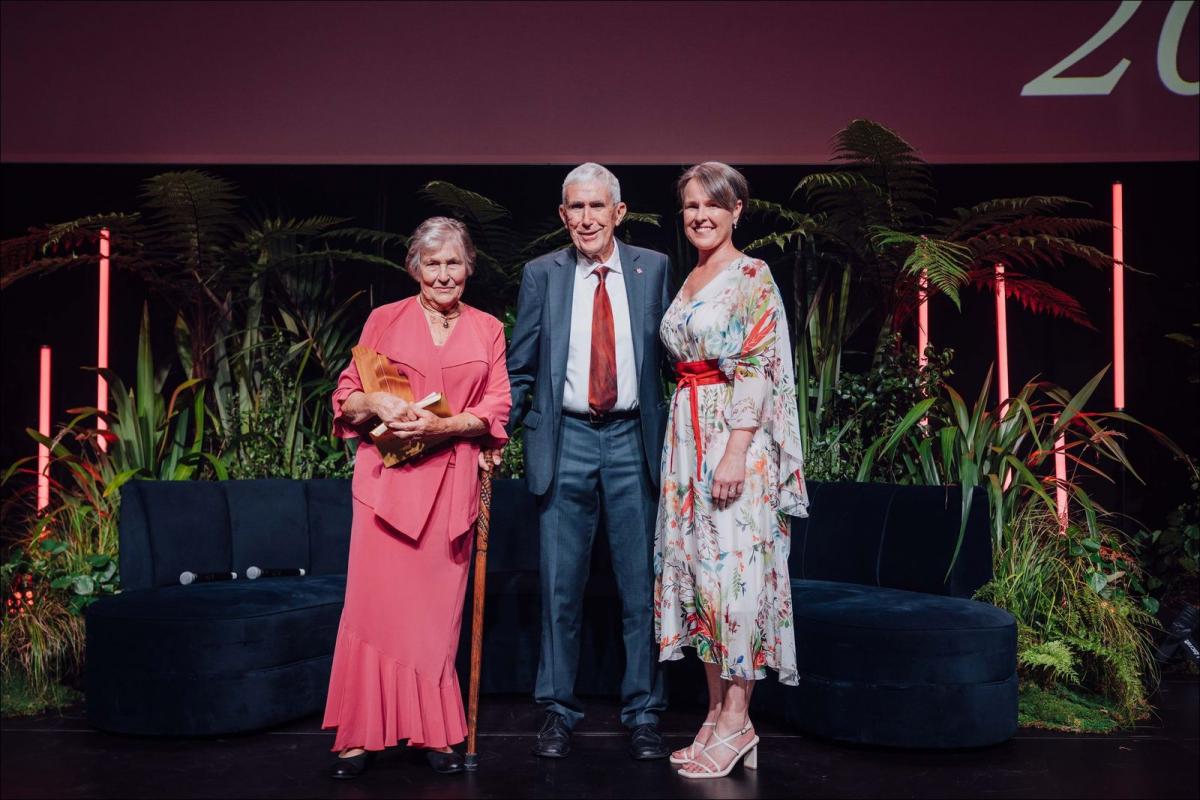
Alan and Hazel Kerr share Senior New Zealander of the Year Award 2026
Dr Alan and Hazel Kerr describe themselves as ‘just ordinary old Kiwis’, despite being named as the 2026 Ryman Healthcare Senior New Zealanders of the Year Te Mātāpuputu o te Tau.
The amazing couple prompted a standing ovation at a star-studded Auckland event which recognised their tireless efforts, with Alan travelling to and from Gaza and the West Bank 40 times to help children over 20 years, and Hazel travelling 20 times.
Click read more to find out more.
 Loading…