






The majority of New Zealanders are against changing the age of New Zealand Superannuation eligibility, despite claims it is unsustainable for future generations.
In the latest Colmar Brunton Poll, 68 per cent of respondents wanted the current eligibility age of 65 to remain the same, 18 per cent wanted it to rise and 12 per cent wanted it lowered. Don’t know – 2%
The groups more likely than average to want eligibility to remain the same were people living in Otago or Southland, people aged 60-69, New Zealand Europeans and women 55 and over.
The groups more likely than average to want it raised were people aged over 70, Wellingtonians and people with yearly income averages between $100K-$150K. Those more likely to want it lowered below 65 were Asian New Zealanders, Pacific peoples and people aged 40-49.
Support for the current age of 65 has risen. The Colmar Brunton Poll back in March 2017 found 59 per cent wanted eligibility to stay the same and 28 per cent wanted it raised. That poll was conducted after the previous National Government proposed raising the age to 67 by 2040.
The debate over changing the Superannuation age has been ongoing.
Economist Cameron Bagrie said the Superannuation age "has got to go up".
"What we’re seeing in the poll, it’s classic self-interest. Turkeys don’t vote for an early Christmas.
"There’s an inevitability if you look at the numbers… We’re going to see slower growth and more people clipping the New Zealand Superannuation ticket. Healthcare costs are going to keep going up, so at some stage we’re going to have to bite the bullet – the question is, when? The longer we leave it, the bigger those hard choices are going to be."
He said future options may have to be raising taxes, cutting back in areas such as education and policing or raising the retirement age.
'There are a lot of people out there earning six figure sums through various investments, why should they be entitled to NZ Superannuation? That sort of money should be diverted… we’ve got teachers crying out for better pay conditions."
Former retirement commissioner Diane Maxwell said any alterations to the Superannuation age need to be looked at in the age range between 50 and 70, instead of just raising it from 65 to 67.
"NZ Super is an important part of who we are. It needs to be sustainable, and to be sustainable we need to be prepared to make some changes. We reach 65 in very different shape physically and financially. Our fifties can be an important time to earn, pay down the mortgage and save hard but we know that ageism in the workplace can impact our ability to do that," she said.
"We need Government and industry to deliver tailored skills training for those wanting to work where the demand for their skill set has changed. For people in physically demanding jobs who reach 65 unable to work, we need government support."
Ms Maxwell said means testing was another option but came with complications.
===========================================================

Poll: 🤖 What skills do you think give a CV the ultimate edge in a robot-filled workplace?
The Reserve Bank has shared some pretty blunt advice: there’s no such thing as a “safe” job anymore 🛟😑
Robots are stepping into repetitive roles in factories, plants and warehouses. AI is taking care of the admin tasks that once filled many mid-level office jobs.
We want to know: As the world evolves, what skills do you think give a CV the ultimate edge in a robot-filled workplace?
Want to read more? The Press has you covered!

-
52.5% Human-centred experience and communication
-
14.7% Critical thinking
-
30.1% Resilience and adaptability
-
2.7% Other - I will share below!

Even Australians get it - so why not Kiwis???
“Ten years ago, if a heatwave as intense as last week’s record-breaker had hit the east coast, Australia’s power supply may well have buckled. But this time, the system largely operated as we needed, despite some outages.
On Australia’s main grid last quarter, renewables and energy storage contributed more than 50% of supplied electricity for the first time, while wholesale power prices were more than 40% lower than a year earlier.
[…] shifting demand from gas and coal for power and petrol for cars is likely to deliver significantly lower energy bills for households.
Last quarter, wind generation was up almost 30%, grid solar 15% and grid-scale batteries almost tripled their output. Gas generation fell 27% to its lowest level for a quarter century, while coal fell 4.6% to its lowest quarterly level ever.
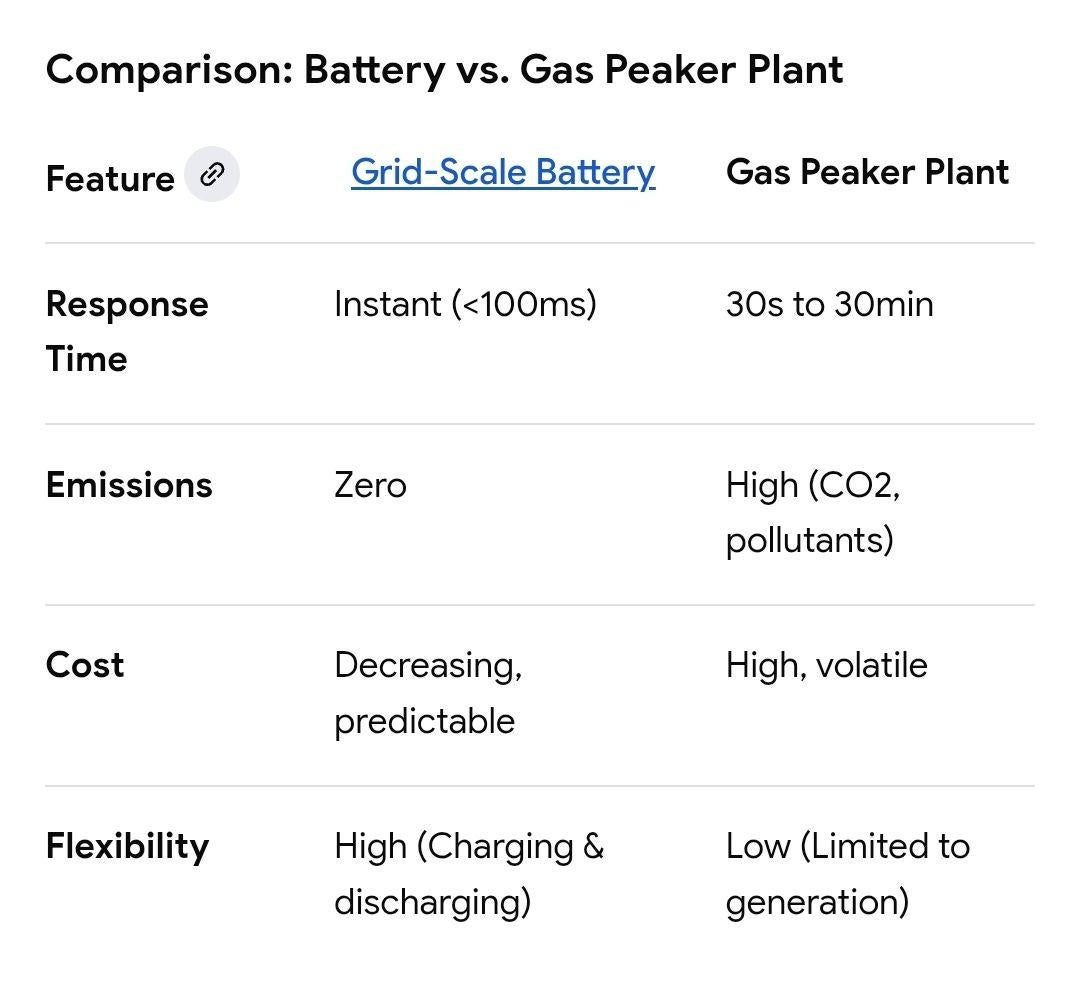
Gas has long been the most expensive way to produce power. Gas peaking plants tend to fire up only when supply struggles to meet demand and power prices soar. Less demand for gas has flowed through to lower wholesale prices.”
Full article: www.theguardian.com...
If even Australians see the benefit of solar - then why is NZ actively boycotting solar uptake? The increased line rental for electricity was done to make solar less competitive and prevent cost per kWh to rise even more than it did - and electricity costs are expected to rise even more. Especially as National favours gas - which is the most expensive form of generating electricity. Which in turn will accelerate Climate Change, as if New Zealand didn’t have enough problems with droughts, floods, slips, etc. already.
Wills and Luxon are screwing the country to please the oil and gas industry.
Today the smart investment is in battery peaker plants in combination with solar and wind, or with any other renewable generation capacity during low demand times.
Gas is expensive and will get more so over time.
Let's not forget that Nicola Willis' dad is a big time oil and gas investor, lobbyist, and industry insider.
Maybe this should be posted in ‚Crime & Safety‘?
 Loading…