






🌞 Tired of Rising Power & Gas Bills? Here’s a Smarter Option…
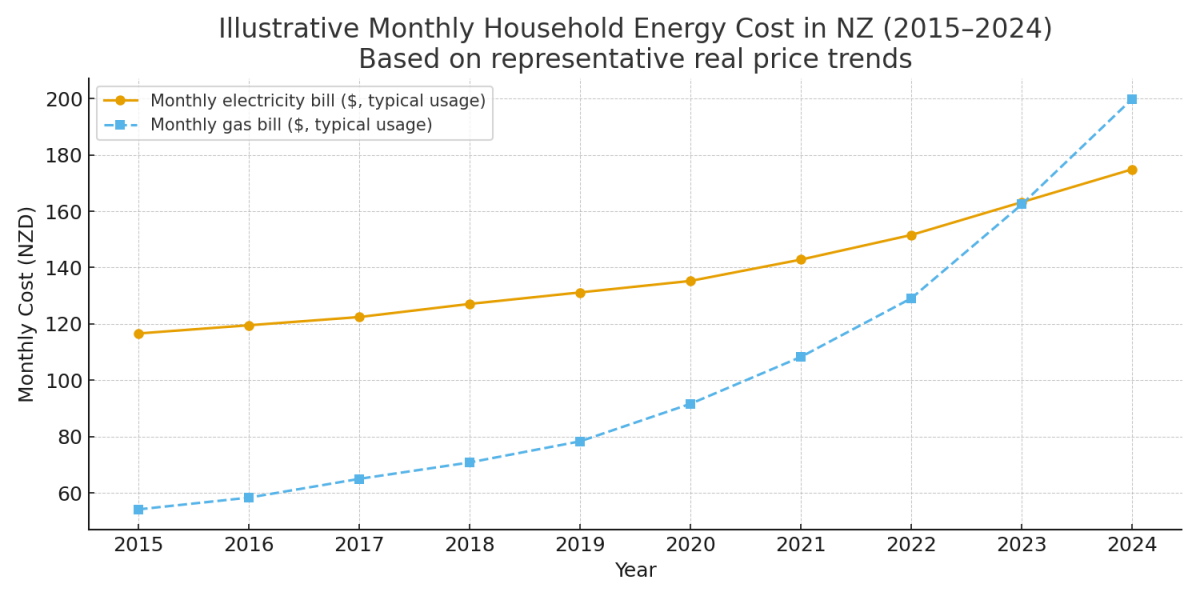
If your monthly electricity and gas bills keep creeping up, you’re definitely not alone.
Water heating can account for up to 50% of a household’s power bill — and with prices rising every year, many Kiwi families are feeling the squeeze.
That’s why more homeowners are switching to Solar Electric Hot Water — a simple, affordable way to cut energy costs without changing how you live.
💡 Why it makes sense now:
• Electricity & gas costs are climbing faster than ever
• Solar hot water gives instant savings
• Your hot-water cylinder becomes a giant solar battery
• Works with ANY existing hot-water cylinder
• Zero plumbing, zero noise, zero maintenance
• Heat your water during the day using free solar energy
• Guaranteed hot water with automatic mains backup
• Eligible for 100% Green Loan financing (ANZ, ASB, BNZ, Kiwibank, Westpac)
Most households see real savings straight away — with a typical payback in under 5 years, while the solar panels continue producing for 25+ years.
If you’re curious about how much you could save, I’m happy to share more info or help you get a free proposal. Feel free to WhatsApp Mary at 022 163 3596.
No pressure — just a smart way to beat rising energy costs and make your home more efficient. 😊
Visit www.oneenergy.nz... for more details.
OneEnergy Solar Electric Hot Water (E&C).pdf Download View
OneEnergy Solar Electric Hot Water Benefits.pdf Download View



💡 A Little Brain Buzz for You⚡
I have two faces, but show you only one.
I once had guests, but now have none.
I’m rarely bloody and seldom blue.
I’m often promised and sometimes new
(Trev from Tamatea kindly provided this head-scratcher ... thanks, Trev!)
Do you think you know the answer? Simply 'Like' this post if you know the answer and the big reveal will be posted in the comments at 2pm on the day!
Want to stop seeing these in your newsfeed?
Head here and hover on the Following button on the top right of the page (and it will show Unfollow) and then click it. If it is giving you the option to Follow, then you've successfully unfollowed the Riddles page.

Help to chainsaw wood ...
Hi neighbours,
I need some help with someone who has a big chainsaw to chop up some hardwood mostly oak, they are in chunks largest around 500mm by 400mm. We have a small chainsaw, but doesn't have enough grunt to get thru this wood. We need this wood for the upcoming winter, is currently sitting in a carport which we now need, so any one that can help would be greatly appreciated, will give you small payment for your troubles. Live 1 min from Titirangi village. Probably an hours work, please contact Linda on Ph 021 999-335 if you can help.
 Loading…