





LIVE Q&A: Financial well-being with Cat Rikihana
Today (Wednesday) we're having another Neighbourly Q&A session. This time with Cat Rikihana who is a financial mentor, educator and financial capability practitioner at Financial Freedom Trust in the Manawatū.
Cat Rikihana (Ngai Tahu) like many financial mentors around Aotearoa, works with individuals, groups and whānau to successfully navigate financial stress and hardship. Mentors work alongside whānau to increase confidence and skills in personal money management and advocate with and for clients. Cat enjoys delivering online and face-to-face workshops which provide opportunities to normalise money conversations and encourages people to make time to consider their financial well-being.
Cat is also an independent financial well-being coach, educator and indigenous life coach at Restore Wellness Network. She is a published writer and currently in the process of writing her first non-fiction book: 'A financial self-care guide for women in Aotearoa.'
She'd love to answer any questions you may have around your budgeting and spending habits, strategies for saving, retirement planning and debt. (Don't be shy, but be mindful about what you disclose!)
↓ Share your questions now and Cat will reply to your comment below ↓


Don't overthink this riddle...
I have a silver sole
but no feet,
I make my living by bringing the heat.
What am I?
Do you think you know the answer? Simply 'Like' this post if you know the answer and the big reveal will be posted in the comments at 2pm on the day!
Want to stop seeing these in your newsfeed?
Head here and hover on the Following button on the top right of the page (and it will show Unfollow) and then click it. If it is giving you the option to Follow, then you've successfully unfollowed the Riddles page.

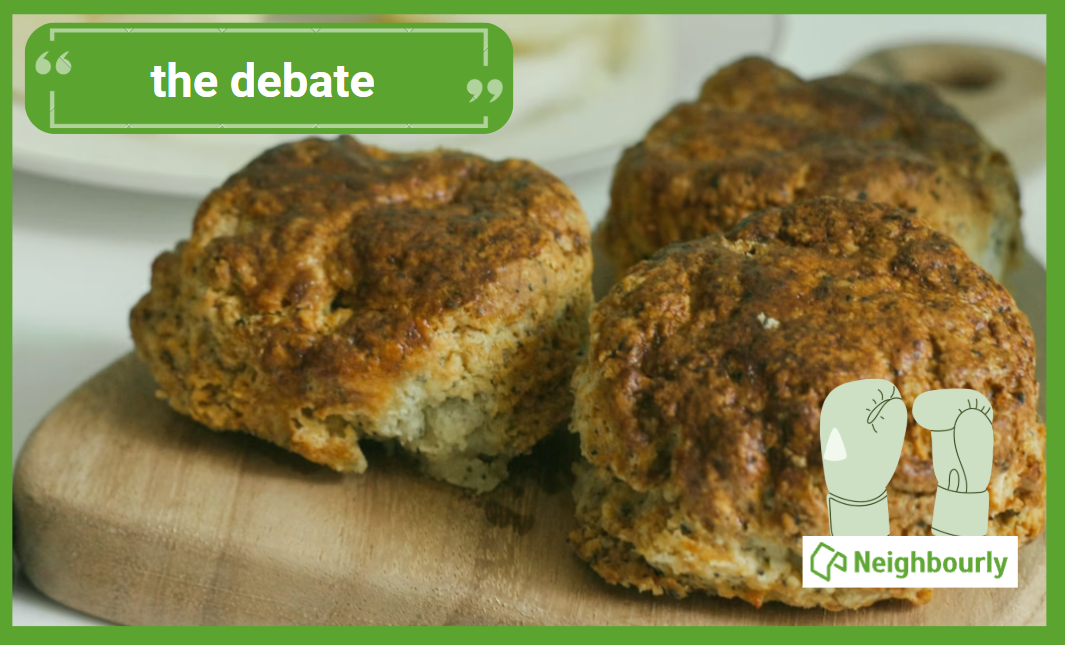
Poll: Does a savoury scone require cheese on top, or folded inside?
Help settle the great kiwi debate ... cheese on top, or folded inside?
-
76.4% Inside!
-
23.6% On top!

has anyone got some pond/oxygen weed
I'm too late for tadpoles but am hoping someone might sell me some of their oxygen weed or any sort of aquatic pond plant??? Maybe tadpoles as well?
 Loading…