






Last day at 50km/h: Auckland CBD speed limits to drop from tomorrow--- June 30
On June 30, almost all 50km/h streets in the CBD - including the likes of Karangahape Rd, Symonds St and Quay St - will fall to 30km/h. Fanshawe St, Hobson St and Nelson St drop to 40km/h, while Federal St and Elliott St, which are shared with pedestrians, will be 10km/h. An interactive map released earlier this month shows almost every major road in the CBD will see speed limits drop as part of Auckland Transport's (AT's) Safe Speeds programme. While road safety advocacy organisation Brake NZ supports the lower speed limits, it wants them introduced more frequently beyond the confines of the city too. "We would like to see this rolled out much more widely in the future," the charity's director Caroline Perry told. "[We want lower limits] in a lot of our communities, suburban centres, around schools and childcare centres - all those areas that global best practice tell us we should have those low 30km/h speed limits for the best chances of safety and saving lives in those areas."
Many rural roads in the Rodney and Franklin districts will see reductions, while changes will also be made to limits on about 100 other roads across the Auckland region on Tuesday. But it's in the inner city that speed limit changes will be most pronounced, with almost every single major road to be affected. "We support these lower speed limits… the World Health Organization says where people on foot and bike are mixing with motorised traffic, it should be 30km/h limits or less," Perry said. "It makes sure if the worst happens, and you're involved in a crash with someone who's a pedestrian or a cyclist, they have the best chance of survival. The reduction in speed makes a big difference." In 2016, Christchurch City Council implemented a 30km/h zone of its own in its CBD. The impacts were notable - a 36 percent reduction in crashes resulting in injury in the two years to March 2018, compared to the two-year period prior. Perry says while the safety impacts are obvious, it's also made the inner city "more liveable and more accessible in terms of people feeling safe to go out and walk and cycle". "That's what we really want in our urban centres," she said. In 2018, 54 people died on Auckland's roads and 595 others were left with serious injuries. AT says it wants to see that number drop to zero by 2050.
========================================================

Poll: Should the government levy industries that contribute to financial hardship?
As reported in the Post, there’s a $30 million funding gap in financial mentoring. This has led to services closing and mentors stepping in unpaid just to keep helping people in need 🪙💰🪙
One proposed solution? Small levies on industries that profit from financial hardship — like banks, casinos, and similar companies.
So we want to hear what you think:
Should the government ask these industries to contribute?

-
59.5% Yes, supporting people is important!
-
25.2% No, individuals should take responsibility
-
15.3% ... It is complicated

A Neighbourly Riddle! Don’t Overthink It… Or Do?😜
Do you think you know the answer? Simply 'Like' this post if you know the answer and the big reveal will be posted in the comments at 2pm on the day!
If you multiply this number by any other number, the answer will always be the same. What number is this?


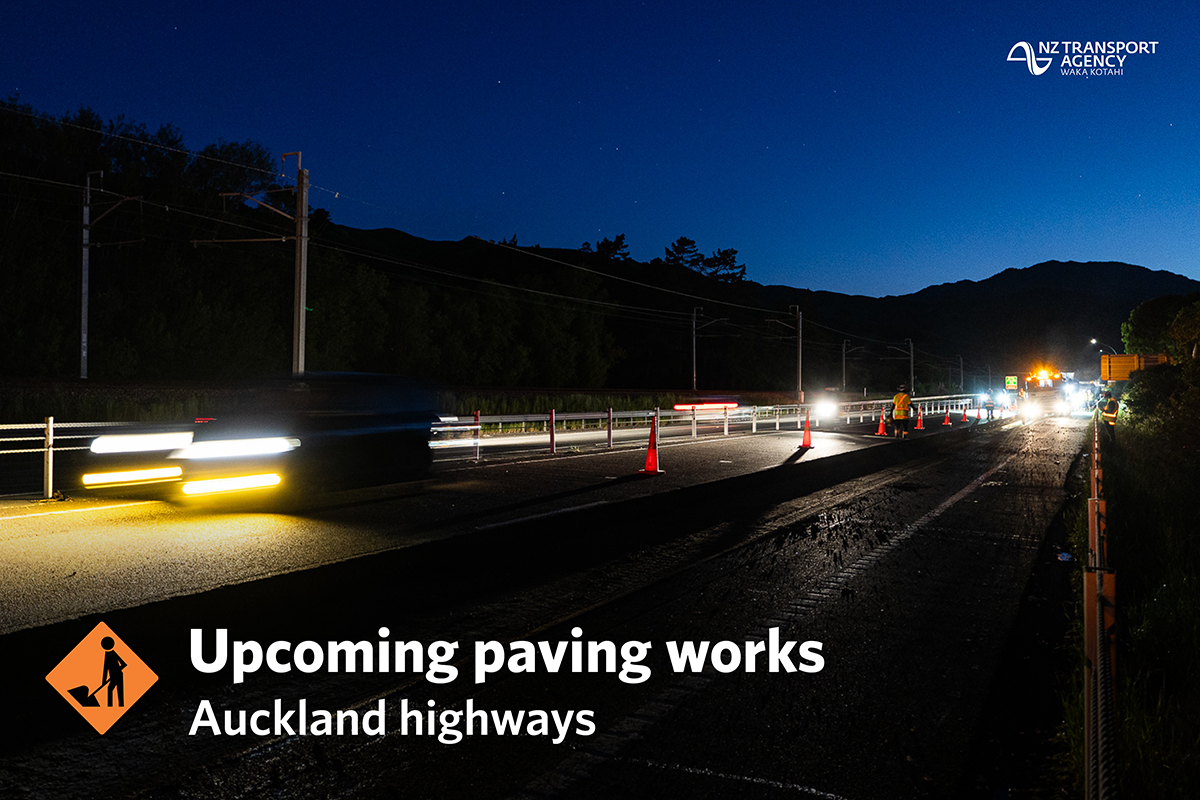
Night-time chipsealing works on SH2
From 9 to 17 February, stop/go traffic management will be in place on SH2 between McPherson Road and Dimmock Road on multiple nights between 9pm and 5am (Sundays to Thursdays).
During the day, all lanes will be open, but speed restrictions will apply to allow the chipseal to set and to protect vehicles travelling over the newly laid surface.
There may be delays to your journey when travelling through the area. This is weather dependent so check NZTA Journey Planner before you travel.
 Loading…