






'Pandemonium' in New Zealand's malls ahead of Christmas
With just five days to go until Christmas, it is no surprise New Zealand's malls are flooded with people, with this week tipped to be the busiest of the year. Scentre Group, which operates St Lukes, Albany, Newmarket, Riccarton and Manukau Westfield shopping malls, says record numbers of shoppers have been through its centres this week, with foot traffic set to exceed forecasts. Westfield says "multiple tens of thousands" of people have already been through each of its centres, with the weekend expected to bring in further "record numbers". Paul Gardner, regional manager for Scentre Group, has visited each of the ASX-listed mall operator's New Zealand centres this week. He says all have been in similar states of crazy. "It certainly feels busier than ever," Gardner told. As Gardner puts it, there's only one place busier than Westfield Newmarket in Auckland right now, and in the month of December, and that's Auckland Airport. Carparks are scarce and the loading docks at Westfield Newmarket are humming, while supermarkets continue to restock their shelves. Westfield malls had been bustling with shoppers ever since Black Friday. In previous years there would often be a week of respite between the typically busy Black Friday week and the seven to 10 days before Christmas, but this was not the case this year, Gardner said. "We had a record Black Friday and it didn't stop in the week after, with Cyber Monday onwards. In previous years it went into a bit of a lull for a week or so, but that hasn't happened." Paymark figures show transactions in the month of December are up about 50 per cent, Gardner said that was inline with what the mall operator had experienced this month. "It feels busier in proportion with the number of transactions." Gardner expects Saturday to be the busiest trading day of year for Westfield, while Kiwi Property, which operates New Zealand's largest mall, Sylvia Park, expects Sunday at noon to be its busiest, based on shopper activity last year. Talking about Christmas shopping trends at Westfield St. Lukes. Westfield centres throughout the country have extended their hours or trade until 10pm this week and will be open until midnight on Saturday, Sunday and Monday, as has Auckland-based Sylvia Park. Gardner said the extended trading hours had been in response to activity in the centres in the lead up to Christmas last year. "Three consecutive midnights is the heaviest we've been." Retailers and malls have an extra day of Christmas trade this year, with Monday being the day before Christmas Eve and Christmas falling mid-week. "It is perfectly set up this year - this is probably the best possible scenario because it means you get the whole weekend [of trade] and the Monday and Tuesday as well. I think it will line up for a bumper year, partly because of Christmas landing in the middle of the week." With Black Friday proven to have been a record and foot traffic being un-relentless, the indicators implied the Christmas trading period would be a record, Gardner said.
He said shoppers seemed to be positive and happy, which often translated into more spending, he said.
Paymark figures show spending in the last seven days before Christmas rises to be 50 per cent more than the average week spread across the year. Spending at department stores, recreational goods and liquor stores and clothing outlets doubles in the lead-up to Christmas. Shoppers spent $6.4 billion in the first seven days of December, according to figures from Paymark, which processes 75 per cent of the country's electronic transactions. Jacquie Johnson, centre manager of Westfield St Lukes, told NZ Focus Live that gift cards seemed to be a popular choice for shoppers this Christmas. Johnson said it was "pandemonium" at St Lukes - just how the mall liked it at this time of the year. Drones had proven popular gifts this Christmas among parents, along with phones and electronics for teenagers. Skateboards and unicorns had proven popular gifts among children this year, as were books and Harry Potter-related merchandise, she said.
=========================================================

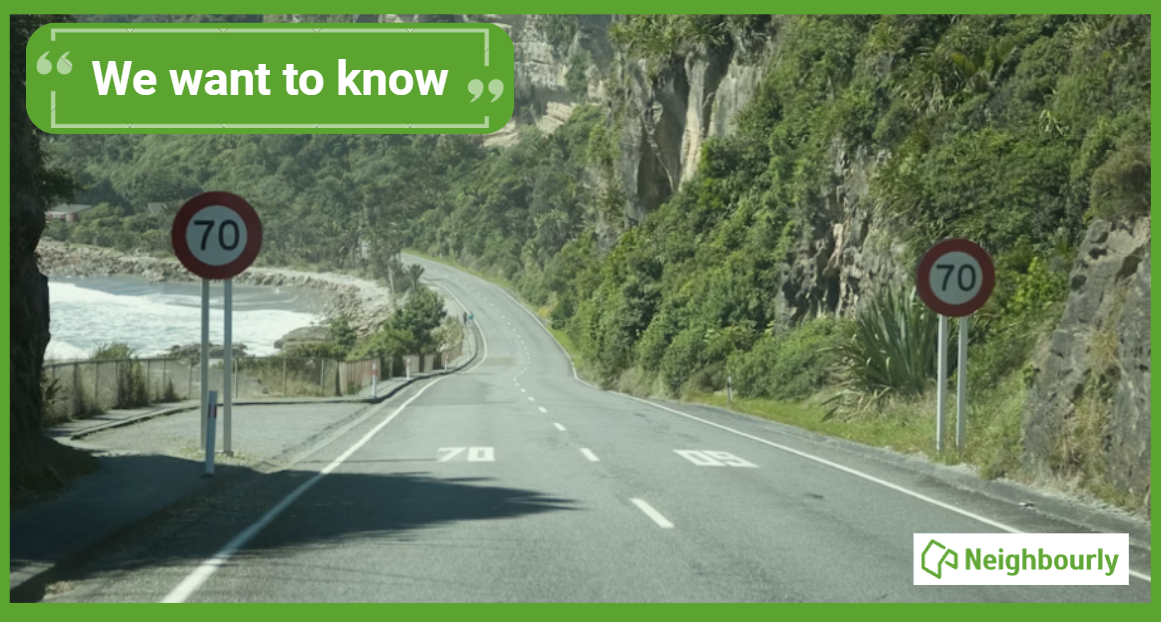
Poll: If we want to reduce speeding, what do you think actually changes driver behaviour? 🛻🚨🚓
In the Post's article on speeding penalties, the question is asked whether speeding fines are truly about road safety, or are they just a way to boost revenue for the Crown?
What do you think? Should speeding motorists receive speeding fines or demerit points?
-
37.1% The sting of a fine (Money talks!)
-
62.9% The threat of demerit points (Nobody wants to lose their license!)

Energy Resilience & Security
“India is facing a highly precarious situation for its energy security if the Strait of Hormuz – the world’s most critical oil shipping chokepoint – remains closed amidst the escalating Middle East crisis.”
Can you imagine how easy it is to choke New Zealand’s supply of oil & gas if it ever found itself in a conflict situation? How easy it is to blow up a 1 Billion Dollar LNG facility? Evan as a non-combatant like India you can be badly effected.
How about distributed solar installations on tens of thousands of roofs? Supported by distributed wind and tidal power?
Alternative energy won’t make companies rich - but it beats coal, oil, gas on not only price but security, resilience (just ask Ukraine), job creation, and the environment hands down.
It’s a no-brainer - unless you are a profit-oriented used car salesman … how did NZ ever end up with him? Nearly as bad as Trump.

Some Choice News!
DOC is rolling out a new tool to help figure out what to tackle first when it comes to protecting our threatened species and the things putting them at risk.
Why does this matter? As Nikki Macdonald from The Post points out, we’re a country with around 4,400 threatened species. With limited time and funding, conservation has always meant making tough calls about what gets attention first.
For the first time, DOC has put real numbers around what it would take to do everything needed to properly safeguard our unique natural environment. The new BioInvest tool shows the scale of the challenge: 310,177 actions across 28,007 sites.
Now that we can see the full picture, it brings the big question into focus: how much do we, as Kiwis, truly value protecting nature — and what are we prepared to invest to make it happen?
We hope this brings a smile!

 Loading…