





Whāngai Adoption - what you need to know
🌿 Whāngai is Māori customary adoption, when a child is raised by members of the whānau. It is not a formal adoption so it is generally not recognised by New Zealand law.
🌿 Whāngai is a customary Māori practice where a child is brought up by someone other than their birth parents – usually another relative. Whāngai may be temporary or permanent. A parent who takes on a child is called a matua whāngai, and the child is a tamaiti whāngai. The child knows both its birth parents and whāngai parents, and the whole community is usually involved in the decision.
🌿 Reasons for whāngai include:
* finding a home for an orphan
* taking in a child from a large family that was struggling to support all the children
* taking in a child whose parents were young
* grandparents taking in a mokopuna (grandchild) and teaching them tribal traditions
* allowing children to inherit land.
🌿 A whāngai adoption is recognised with regards to succession to Māori land. Also, whāngai parents (matua whāngai) of a child aged under six years can apply for paid parental leave for the period of time when the child begins living with them.
🌿 A child of a whāngai adoption (a tamaiti whāngai) cannot challenge a will under the Family Protection Act.
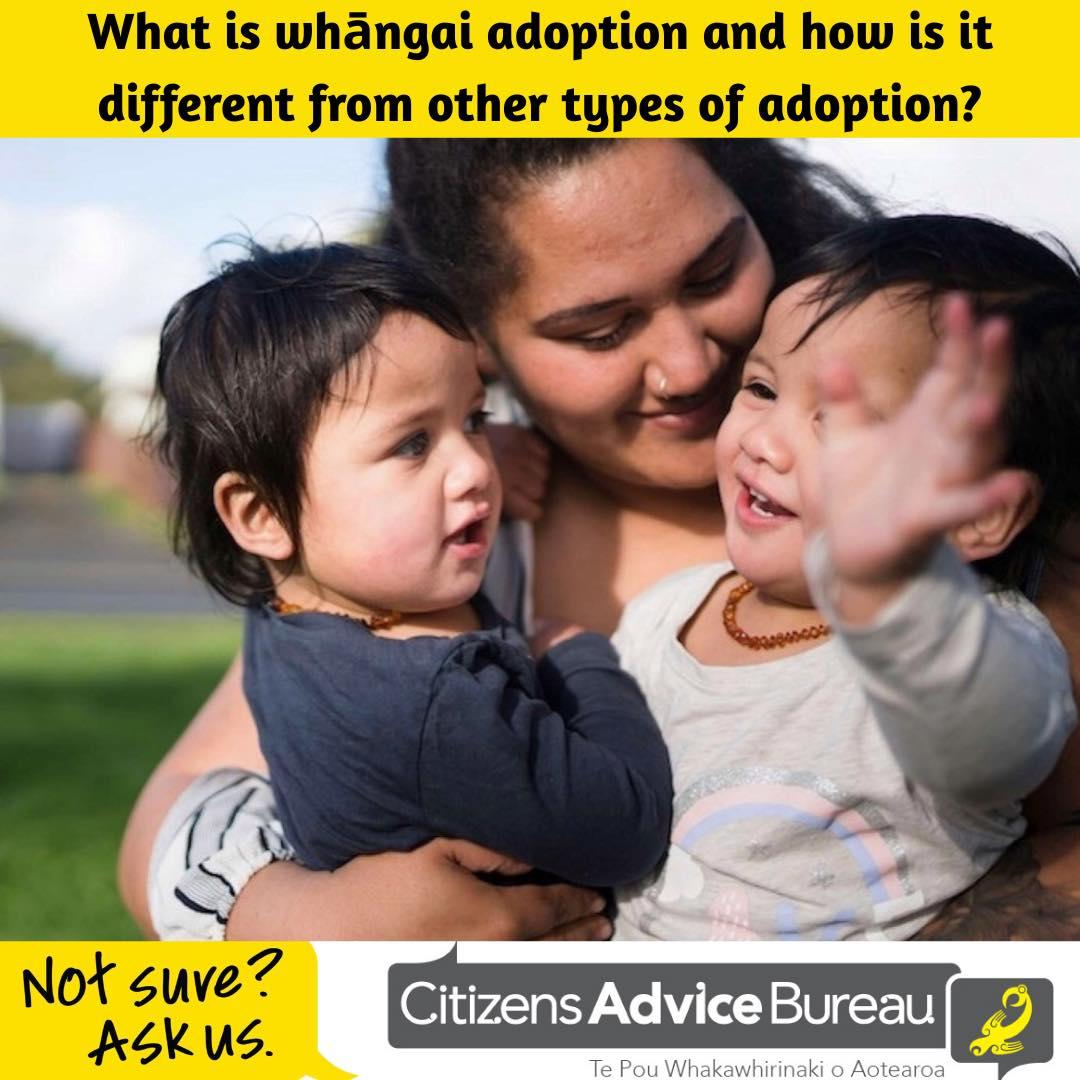
Image credit: The Spinoff / photo by Social Equity
Info credit: Citizens Advice Bureau NZ: cab.org.nz / Te Ara: teara.govt.nz

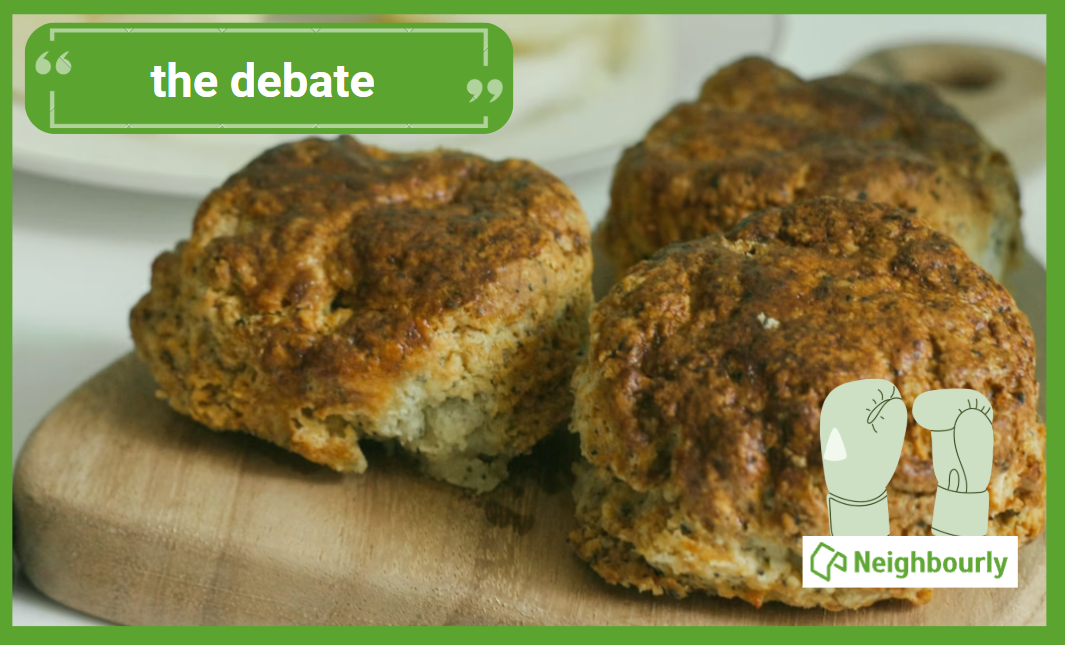
Poll: Does a savoury scone require cheese on top, or folded inside?
Help settle the great kiwi debate ... cheese on top, or folded inside?
-
76.2% Inside!
-
23.8% On top!
Poll: Are you still heading to your local for your caffeine fix, or has the $$ changed your habits? ☕
Auckland has a thriving cafe culture, but with costs climbing, that culture is under pressure. We’ve seen the headlines about recent closures across the country, and it’s a tough pill to swallow along with a $6+ coffee.
We all want our favourite spots to stay open, but we also have to balance our own budgets ⚖️
We want to know: How are you handling the "coffee math" in 2026? Are you still heading to your local for a chat and a caffeine fix, or has the cost of living changed your habits?
Keen to read more about "coffee math"? The Post has you covered.

-
41.4% I avoid spending money on coffee
-
41.8% I still indulge at my local cafe
-
16.8% Irrelevant - coffee is not for me
Got more greens than you know what to do with? 🥦🌱🥕
Whether it’s a courgette takeover or a feijoa frenzy, don’t let those garden gems go to waste!
Our suggestion to you: Did you know you can grate and freeze excess courgettes to use in chocolate cake later? It sounds a bit dodgy, but it makes the cake incredibly moist ... and hey, it counts as a serving of veg, right? 🍫
What’s your go-to move for a bumper harvest? Drop your best "glut" recipes or preservation hacks in the comments below! 👇
 Loading…