





Poll: What are the living costs that are having the biggest (and perhaps surprising) impact on your wallet?
Butter, power bills, and those sneaky surcharges on your card ... it feels like everything’s creeping up in price lately. We’ve seen the headlines, but we want to hear it from you.
Overall, Most Kiwis say they’re ‘not prospering’. But, according to Retirement Commission data, some members of our community (women, Māori, and Pacific people) are experiencing worsening financial positions at elevated rates.
Stats NZ tells us that food prices have jumped 4.6% since this time last year, with meat and dairy doing most of the damage. This jump is hitting us all, but groceries are just one part of the picture.
When basic costs keep climbing, the old cost-saving tricks — like bulk-buying or stockpiling on sale — don’t always work. Who can afford to spend more upfront when every dollar already has a job?
We want to know: What costs have caught you off guard the most? What are the expenses that feel impossible to juggle right now?
Share your thoughts below!

-
43.5% Grocery bills
-
33% Utilities
-
1% Your treats (the ones that keep you human day to day, and are ESSENTIAL!)
-
0.1% Education
-
7.6% Healthcare
-
1.3% Travel (public transport/petrol)
-
7.9% Rent or mortgage
-
1.5% Social costs: birthday gifts and occasions
-
4.1% Other - share below!

💡 A Little Brain Buzz for You⚡
I have two faces, but show you only one.
I once had guests, but now have none.
I’m rarely bloody and seldom blue.
I’m often promised and sometimes new
(Trev from Tamatea kindly provided this head-scratcher ... thanks, Trev!)
Do you think you know the answer? Simply 'Like' this post if you know the answer and the big reveal will be posted in the comments at 2pm on the day!
Want to stop seeing these in your newsfeed?
Head here and hover on the Following button on the top right of the page (and it will show Unfollow) and then click it. If it is giving you the option to Follow, then you've successfully unfollowed the Riddles page.

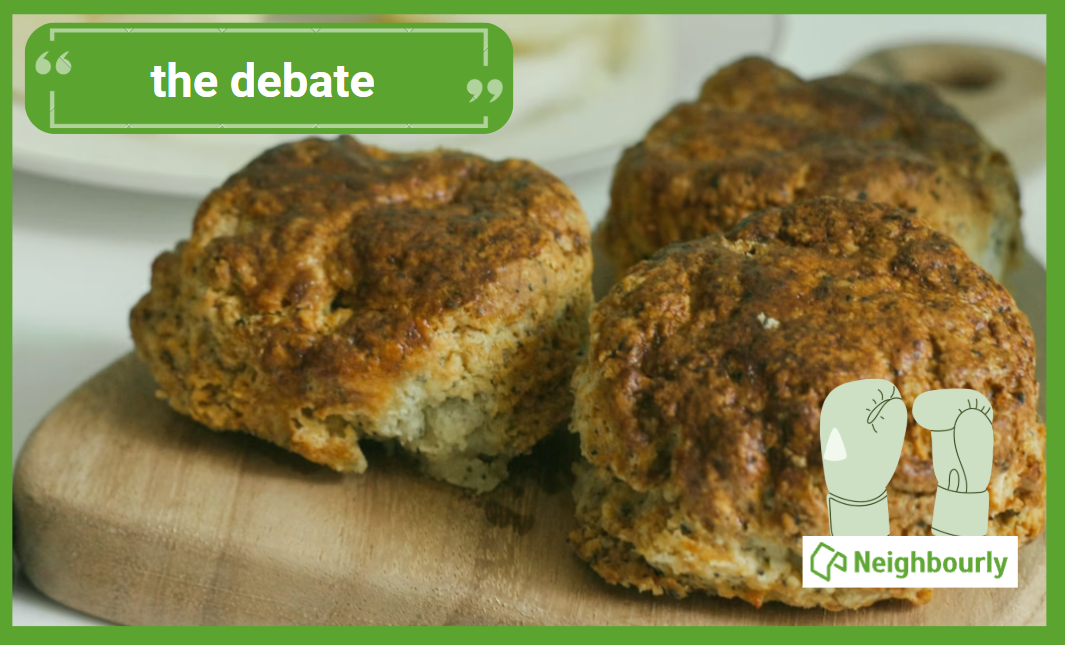
Poll: Does a savoury scone require cheese on top, or folded inside?
Help settle the great kiwi debate ... cheese on top, or folded inside?
-
76.5% Inside!
-
23.5% On top!
Poll: Are you still heading to your local for your caffeine fix, or has the $$ changed your habits? ☕
Auckland has a thriving cafe culture, but with costs climbing, that culture is under pressure. We’ve seen the headlines about recent closures across the country, and it’s a tough pill to swallow along with a $6+ coffee.
We all want our favourite spots to stay open, but we also have to balance our own budgets ⚖️
We want to know: How are you handling the "coffee math" in 2026? Are you still heading to your local for a chat and a caffeine fix, or has the cost of living changed your habits?
Keen to read more about "coffee math"? The Post has you covered.

-
42% I avoid spending money on coffee
-
41.6% I still indulge at my local cafe
-
16.4% Irrelevant - coffee is not for me
 Loading…