






Poll: Whether young or experienced, has age been a barrier to opportunity?
The Neighbourly Team came across the third installment of 'Work, Interrupted', an article series looking at the job struggles different generations face, and we thought it would resonate with our Neighbourly community.
In this article, Amelia Wade reports on what it’s like to seek employment when you’re 50+. Many factors - from financial to social pressures - are keeping people in the workforce longer. The reality is that times are tough, even for our most experienced workers: of those receiving Jobseeker benefit, a third are 50-64 years old.
We want to know: Have you felt overlooked in the job market?
Do you have advice for your community on how to stand out in an increasingly crowded job seeker market?
Share your experience below!
📖 Want to read more from the 'Work, Interrupted' series?
Work, Interrupted: The kids, the mortgage, but no job. What next?
Young and shut out: Gen Z face the harshest job market in years
Work, Interrupted: Is 50 the new 60? Older workers battling algorithms to get CVs seen

-
67.2% Yes - In my experience, age has been a factor.
-
29.5% No - In my experience, age has had little to do with my employment opportunities
-
2.4% As an employer, age is not a factor.
-
1% Other - I will share below.

💡 A Little Brain Buzz for You⚡
I have two faces, but show you only one.
I once had guests, but now have none.
I’m rarely bloody and seldom blue.
I’m often promised and sometimes new
(Trev from Tamatea kindly provided this head-scratcher ... thanks, Trev!)
Do you think you know the answer? Simply 'Like' this post if you know the answer and the big reveal will be posted in the comments at 2pm on the day!
Want to stop seeing these in your newsfeed?
Head here and hover on the Following button on the top right of the page (and it will show Unfollow) and then click it. If it is giving you the option to Follow, then you've successfully unfollowed the Riddles page.

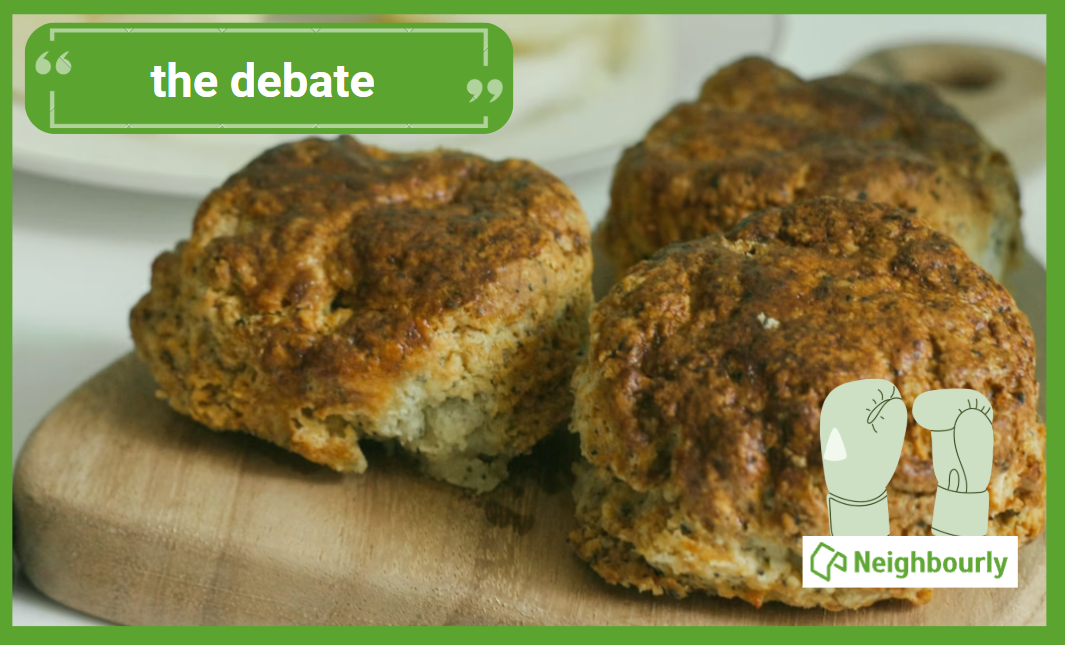
Poll: Does a savoury scone require cheese on top, or folded inside?
Help settle the great kiwi debate ... cheese on top, or folded inside?
-
76.3% Inside!
-
23.8% On top!
Poll: Are you still heading to your local for your caffeine fix, or has the $$ changed your habits? ☕
Auckland has a thriving cafe culture, but with costs climbing, that culture is under pressure. We’ve seen the headlines about recent closures across the country, and it’s a tough pill to swallow along with a $6+ coffee.
We all want our favourite spots to stay open, but we also have to balance our own budgets ⚖️
We want to know: How are you handling the "coffee math" in 2026? Are you still heading to your local for a chat and a caffeine fix, or has the cost of living changed your habits?
Keen to read more about "coffee math"? The Post has you covered.

-
42.5% I avoid spending money on coffee
-
41.2% I still indulge at my local cafe
-
16.3% Irrelevant - coffee is not for me
 Loading…