




A note about community mail theft
Please follow our top tips to reduce the risk of mail theft:
✉️ Clear your letterbox in a timely manner
✉️ Put a hold on your mail delivery if you’re going away
✉️ Provide clear delivery instructions for couriers to leave a package safely hidden or secured within your property
✉️ Install security cameras and/or security camera messaging near your letterbox or front of property
✉️ Where practical, consider click and collect over delivery
✉️ Send parcels to a work address or ensuring you're home when they arrive
✉️ Contact Police (111 for immediate issues or 105 if it is after the fact) if you see people loitering around vehicles or looking into car windows
✉️ Engage in neighbourhood groups so more people can keep an eye out for suspicious activity
These tips are being shared after a 44-year-old woman will appear in Pukekohe District Court on 28 March charged with theft.
An alleged mail thief in the Pukekohe area has hand-delivered herself into Police, following assistance from the community.
Counties Manukau South Senior Sergeant MJ Riddle says Police were aware of locals discussing a mail theft on social media. A report was made to Police at the time in January and had included enough detail including CCTV footage and a vehicle of interest. Following Police enquiries, the woman has brought herself into the Pukekohe Police Station a few days later
“This is a great result for the community and a timely reminder to the public to continue reporting any thefts from letterboxes.”
Senior Sergeant Riddle says
“Our community should be able to receive parcels and mail without concern of interference but unfortunately there are people in our communities who take advantage of opportunities to commit thefts from mail boxes and front porches."
“We encourage anyone who has been the victim of dishonesty offending to report it as soon as possible,” she says."

Time to Tickle Your Thinker 🧠
If a zookeeper had 100 pairs of animals in her zoo, and two pairs of babies are born for each one of the original animals, then (sadly) 23 animals don’t survive, how many animals do you have left in total?
Do you think you know the answer? Simply 'Like' this post and we'll post the answer in the comments below at 2pm on the day!
Want to stop seeing these in your newsfeed? No worries! Simply head here and click once on the Following button.

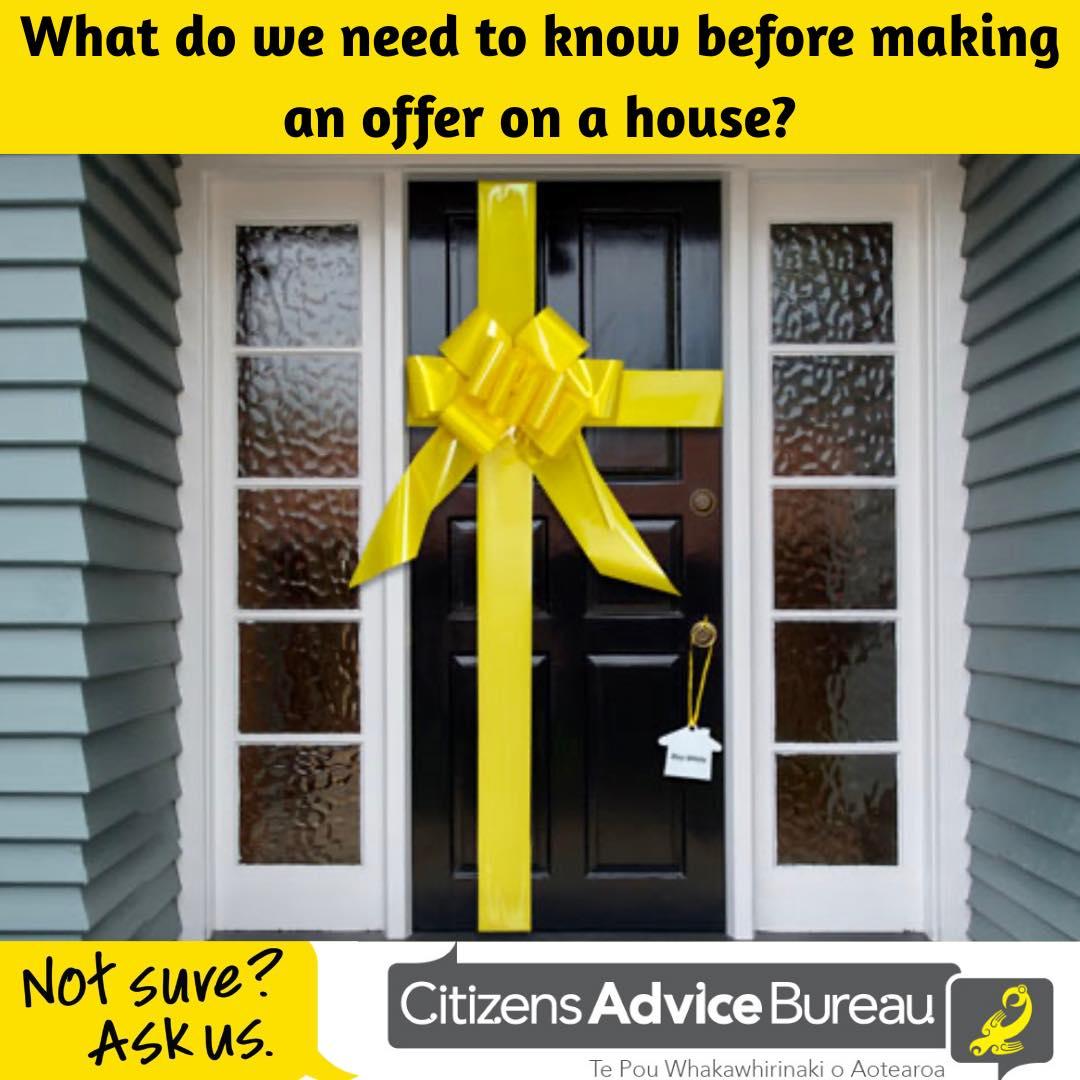
Here's what you need to know before making an offer on a house
🏠 What is the neighbourhood like?
Familiarise yourself with the neighbourhood, to check accessibility to public transport, schools and shops. Visit the street at different times of day, to find out how quiet or noisy it gets. Check with the local council whether they know of any future developments in the area that could increase noise or traffic.
🏠 How much are the rates and insurance?
Do a property search on the local council’s website to see what the rates are.
You can also get quotes from insurers to find out what it might cost to insure it.
Check whether the homeowner is paying off the cost of installing insulation or heating units through their rates, because you will inherit that debt if you buy the house.
🏠 For a unit title, check the pre-contract disclosure
If the property is on a unit title development (for example, an apartment), ask to see the pre-contract disclosure. This is basic information about the unit and the unit title development.
🏠 Get a LIM (Land Information Memorandum) report
A LIM report tells you everything the local council knows about the land and the buildings, for example, what building consents and code compliance certificates they have issued for work done on the property.
🏠 Pre-purchase building inspection
Get an independent building inspector to examine the house thoroughly and look for potential problems with weather-tightness, wiring, plumbing or the foundations (piles).
Ask them to check for features that might make maintenance more difficult. For example, some types of wall claddings need specialist knowledge to maintain, access to the gutters might not be straightforward, and retaining walls can be expensive to repair.
🏠 Check the property title
Ask a lawyer or conveyancer to check the property title for things like easements. For example, an easement might allow a neighbour to access part of the property. The property title should also confirm the property boundary.
More information is on the Settled website:
www.settled.govt.nz...
Image credit: Ray White New Zealand
Info credit: Citizens Advice Bureau: cab.org.nz

Poll: As a customer, what do you think about automation?
The Press investigates the growing reliance on your unpaid labour.
Automation (or the “unpaid shift”) is often described as efficient ... but it tends to benefit employers more than consumers.
We want to know: What do you think about automation?
Are you for, or against?
-
9.5% For. Self-service is less frustrating and convenient.
-
43.4% I want to be able to choose.
-
47.1% Against. I want to deal with people.
 Loading…