





Minimum wage to increase from April next year, Govt commits to bigger rise than last year
The Government will increase the minimum wage by 2% from April next year.
Workplace Relations Minister Brooke Van Velden announced the hourly wage would move from the current $23.50 to $23.95 in line with advice from the Ministry of Business, Innovation and Employment.
“Moderate” increases of the minimum wage formed part of NZ First’s coalition agreement with National.
Van Velden says the new rate, which would impact around 122,500 New Zealand workers, strikes a right balance between keeping up with the cost of living – the Reserve Bank expects inflation to fall to around 2% by mid-2026 – and no adding more pressure to the costs of running a business.
The starting out and training minimum wage would be move to $19.16 to remain at 80% of the adult minimum wage.
The minimum wage was last increased on April 1 this year. That 1.5% increased to $23.50, affecting between 80,000 and 145,000 workers, was not at the time in line with inflation which sat around 2.5% in March.
“I know those pressures have made it a tough time to do business, which is why we have taken this balanced approach. With responsible economic management, recovery and relief is coming,” Van Velden said.
“I am pleased to deliver this moderate increase to the minimum wage that reflects this Government’s commitment to growing the economy, boosting incomes and supporting Kiwis in jobs throughout New Zealand.”
Official documents from the Ministry of Business, Innovation and Employment (MBIE) show the department provided the Minister with seven options for the minimum wage, ranging from maintaining the current rate or increasing by 3% up to $24.20 per hour.
A 2% increase was recommended, the Ministry said, as this was ”considered to best balance the two limbs of the objective - protecting the real income of low-paid workers and minimising job losses."
“CPI inflation forecasts suggest annual inflation will ease to be within the 2–2.5% range in the first half of 2026 and remain relatively stable at around 2% from June 2026 through to 2028.
“These forecasts indicate that a 2% increase would largely maintain the real income of minimum wage workers relative to the level of the minimum wage when it last increased on 1 April 2025.”
Officials said a 2% increase wouldn’t have significant employment restraint effects.
But given recent economic data, including a Gross Domestic Product (GDP) contraction and elevated unemployment, MBIE said it favoured a “cautious approach”.
“A 2% increase to the adult minimum wage is expected to affect approximately 122,500 workers, including those currently earning at or below the minimum wage, or between the current rate and $23.95.”
The key groups that would be impacted include youth, part-time, female, and Māori workers, as well as sectors like tourism, horticulture, agriculture, cleaning, hospitality, and retail.
“While these workers would benefit from a wage increase, they may also be more exposed to employer responses to increased labour costs such as reduced hours or adjustments to non-wage benefits,” the ministry said
“The estimated fiscal cost to government from this increase is relatively modest, at $17.5 million annually, consistent with the small cost estimates across all rate options.”
=====================================================

Poll: 🤖 What skills do you think give a CV the ultimate edge in a robot-filled workplace?
The Reserve Bank has shared some pretty blunt advice: there’s no such thing as a “safe” job anymore 🛟😑
Robots are stepping into repetitive roles in factories, plants and warehouses. AI is taking care of the admin tasks that once filled many mid-level office jobs.
We want to know: As the world evolves, what skills do you think give a CV the ultimate edge in a robot-filled workplace?
Want to read more? The Press has you covered!

-
52.9% Human-centred experience and communication
-
15% Critical thinking
-
29.6% Resilience and adaptability
-
2.5% Other - I will share below!
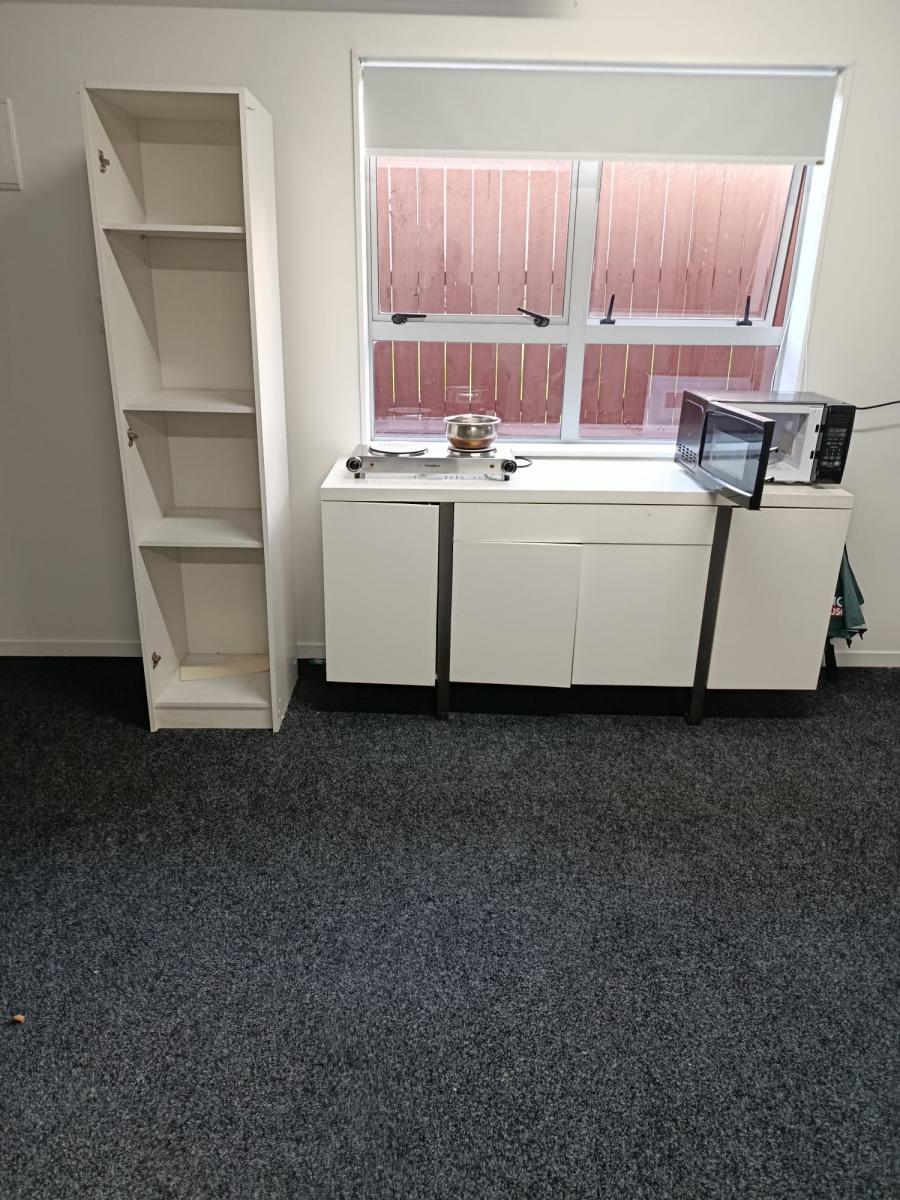
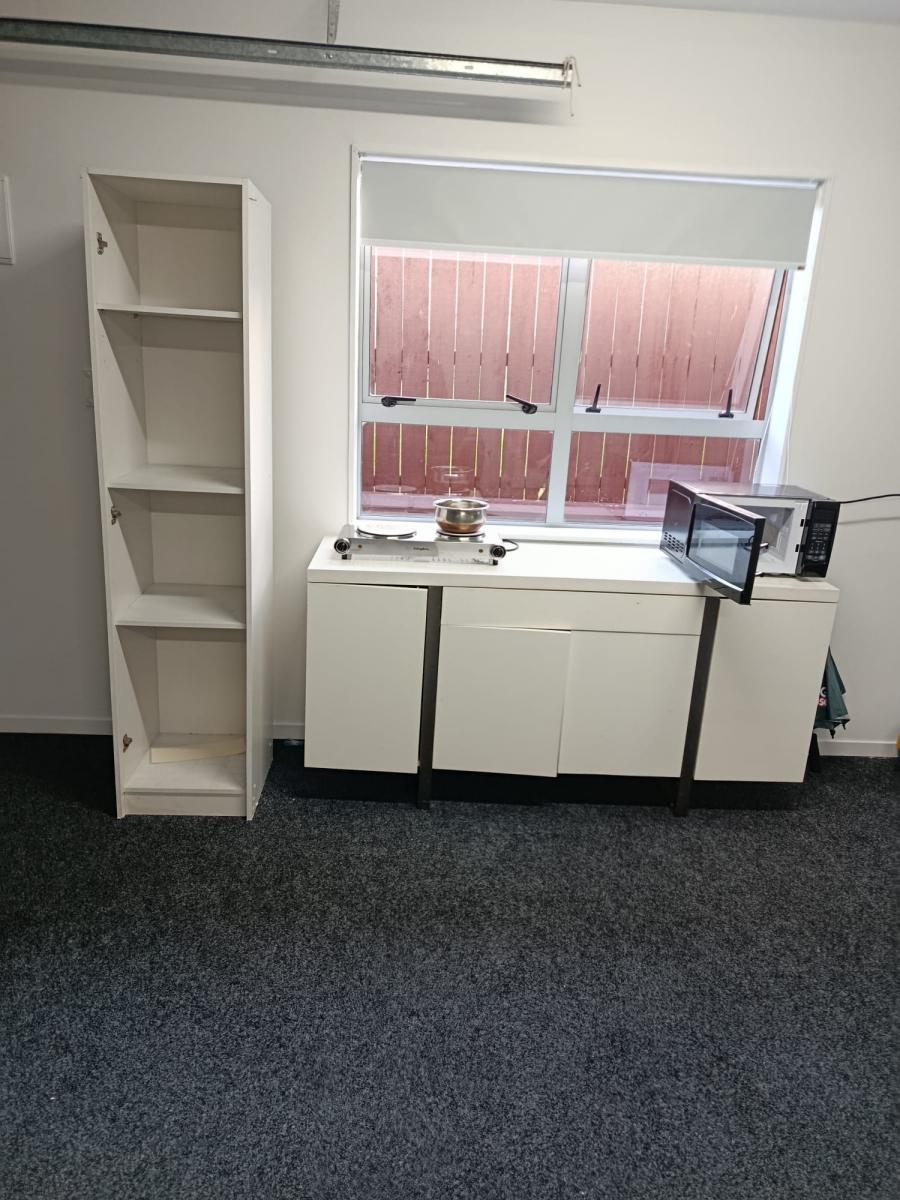
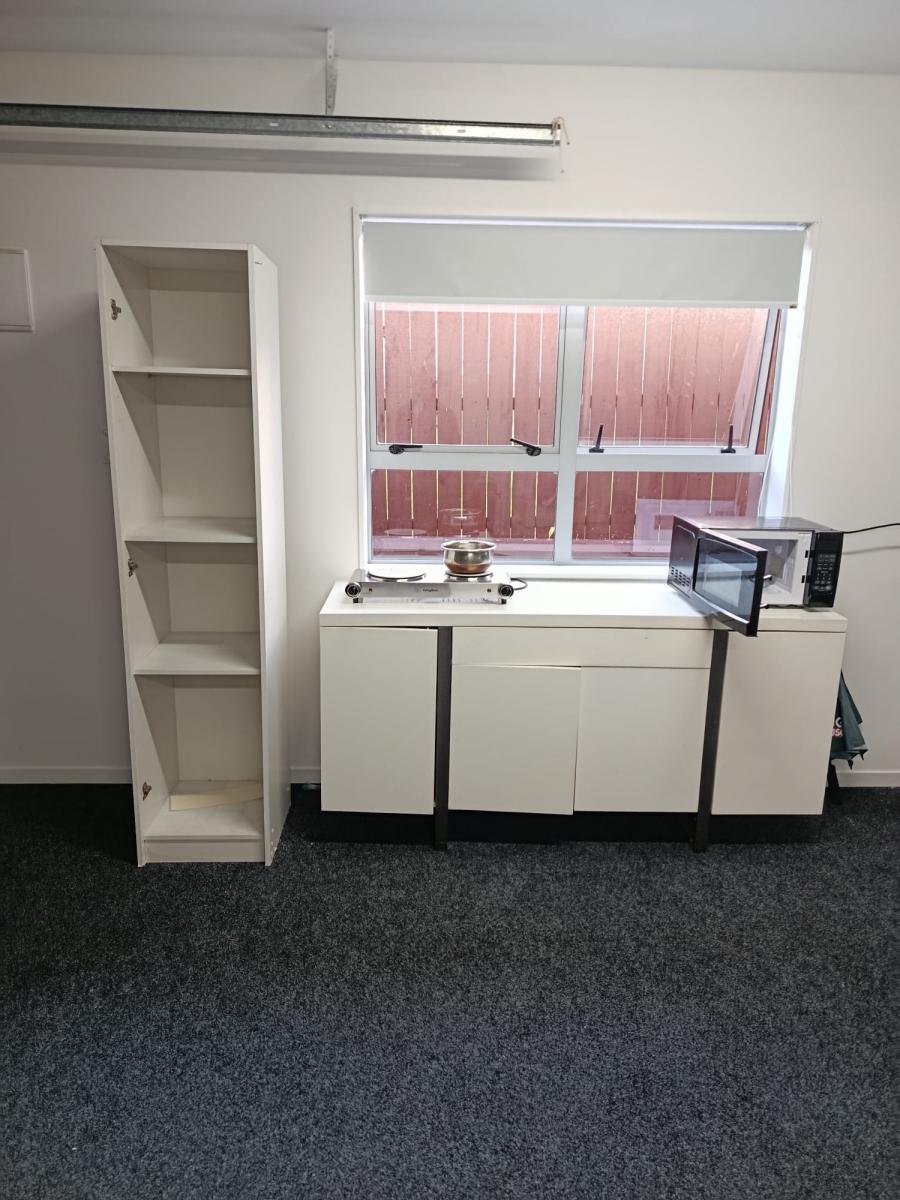
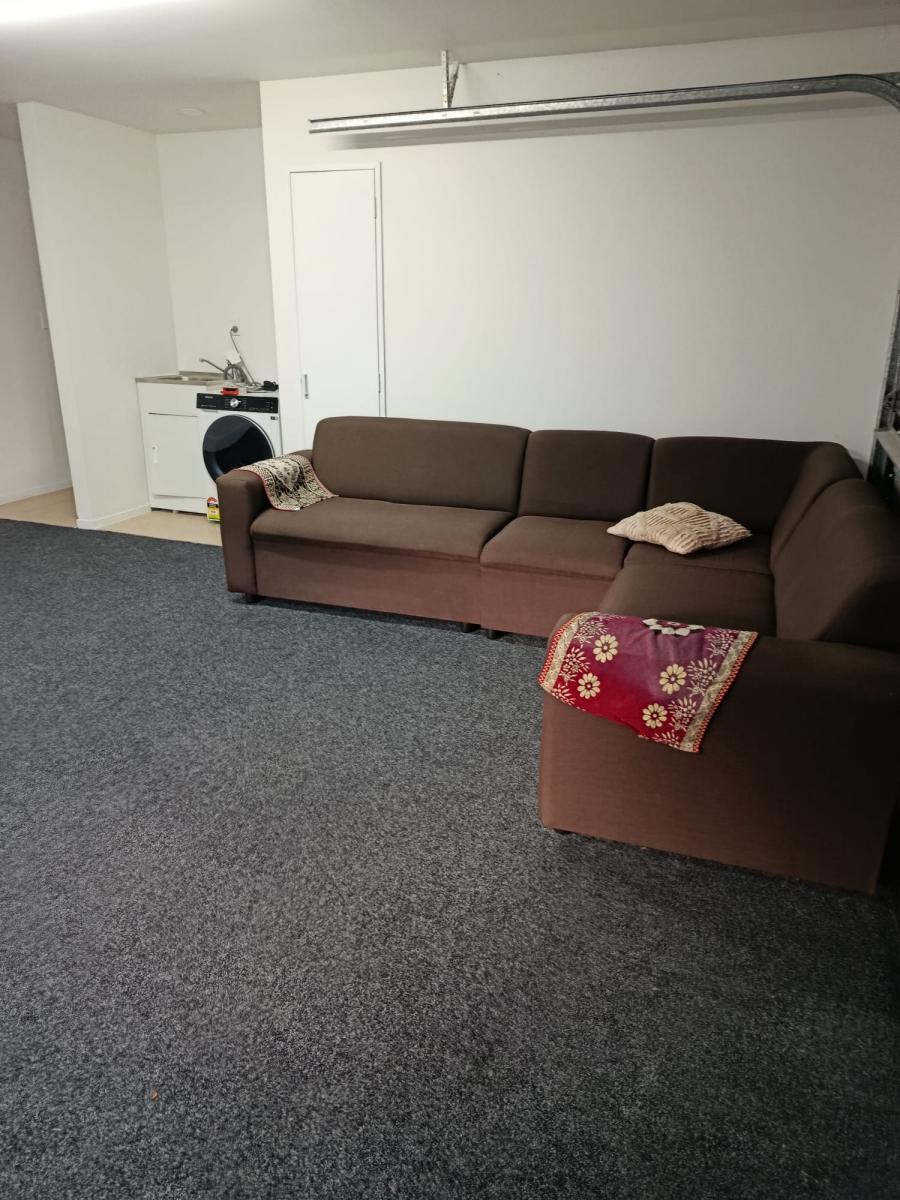
Room for rent
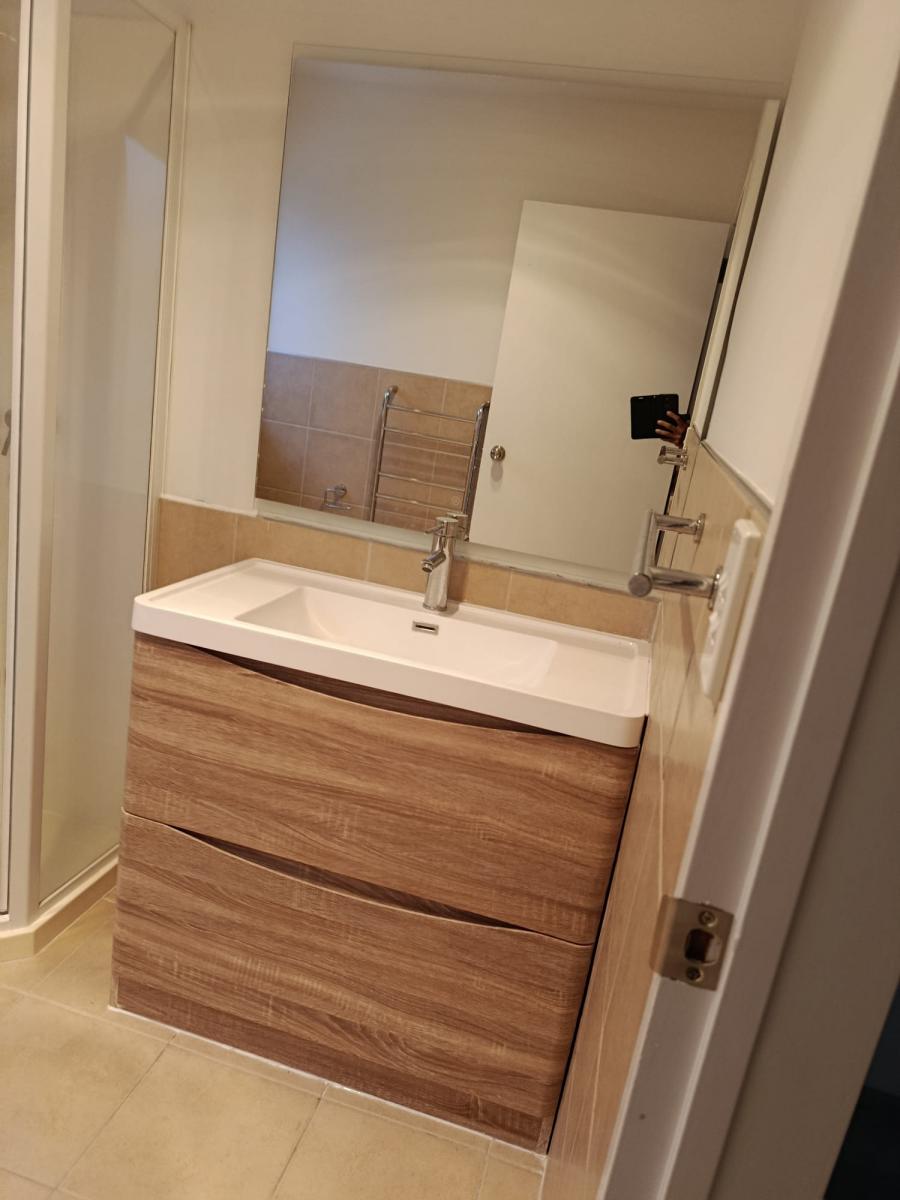
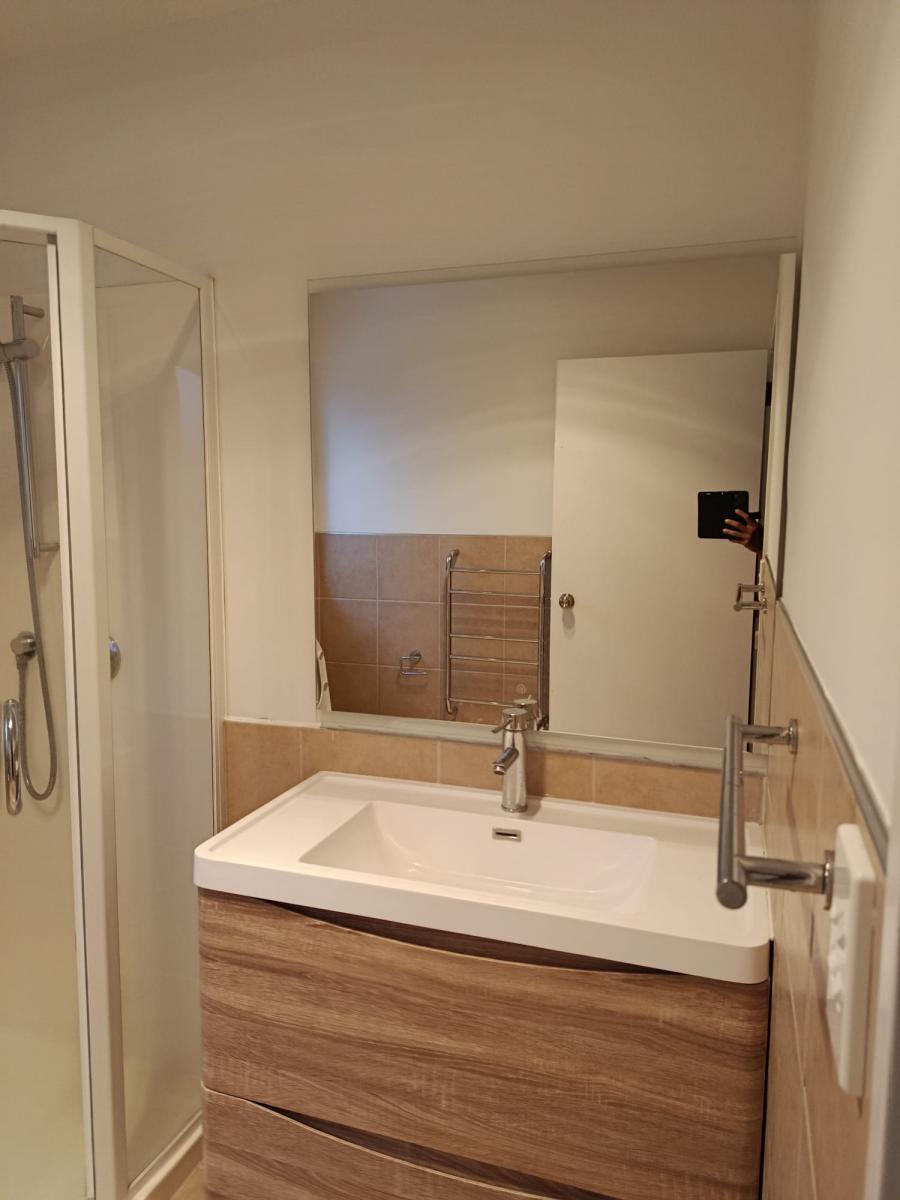
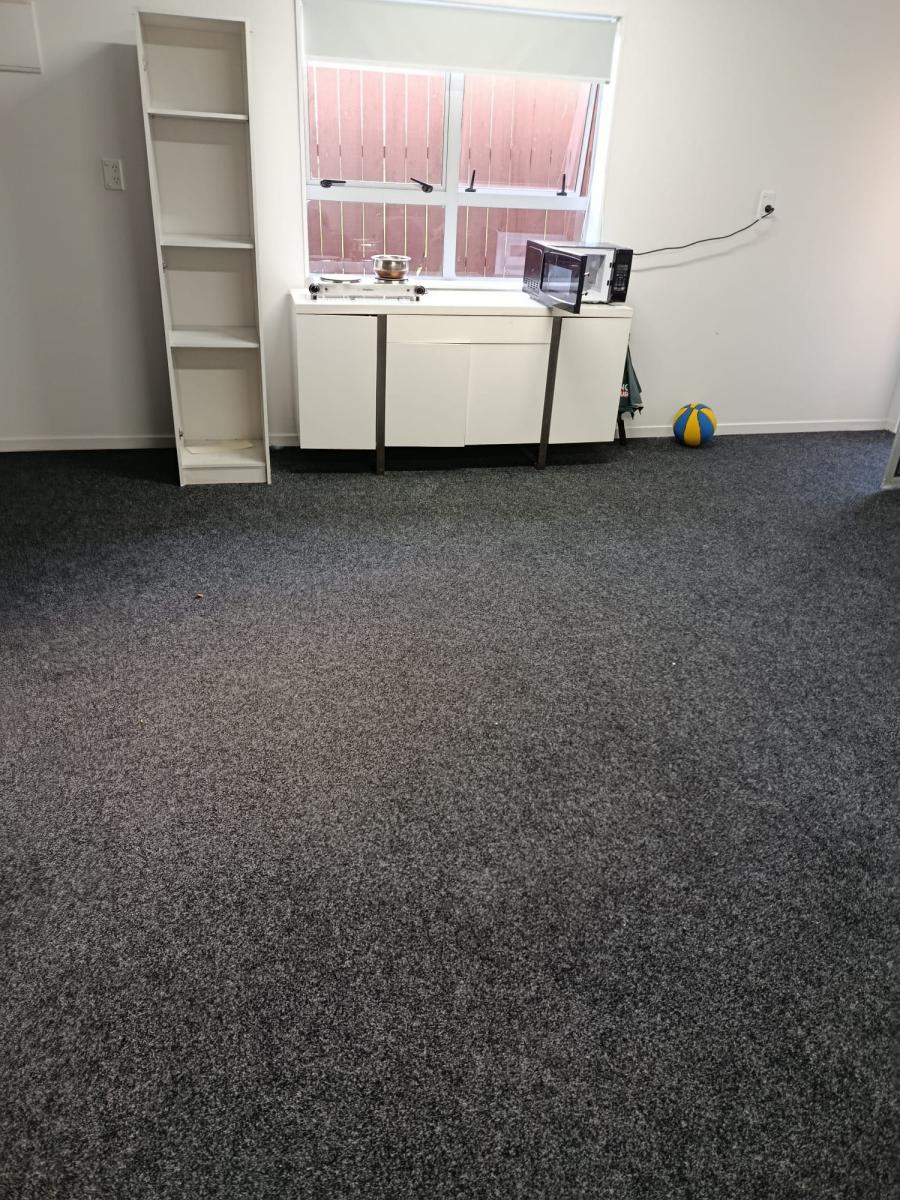
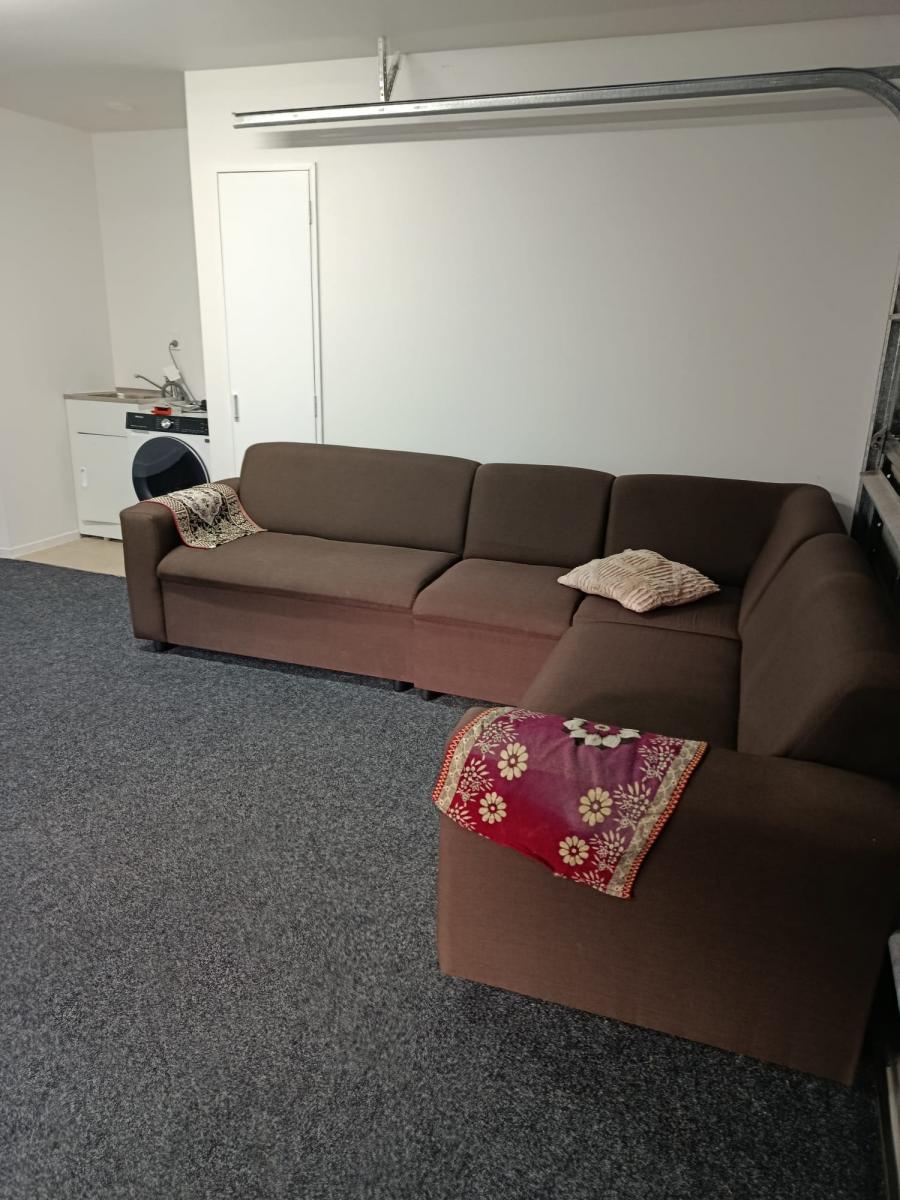
🌿 Beautiful Private Space Available for Rent – Perfect for 2 Girls or a Couple 🌿
Located in the peaceful and family-friendly suburb of Lynfield, this warm and welcoming home offers a comfortable living space in a highly sought-after top school zone.
✨ What’s Included:
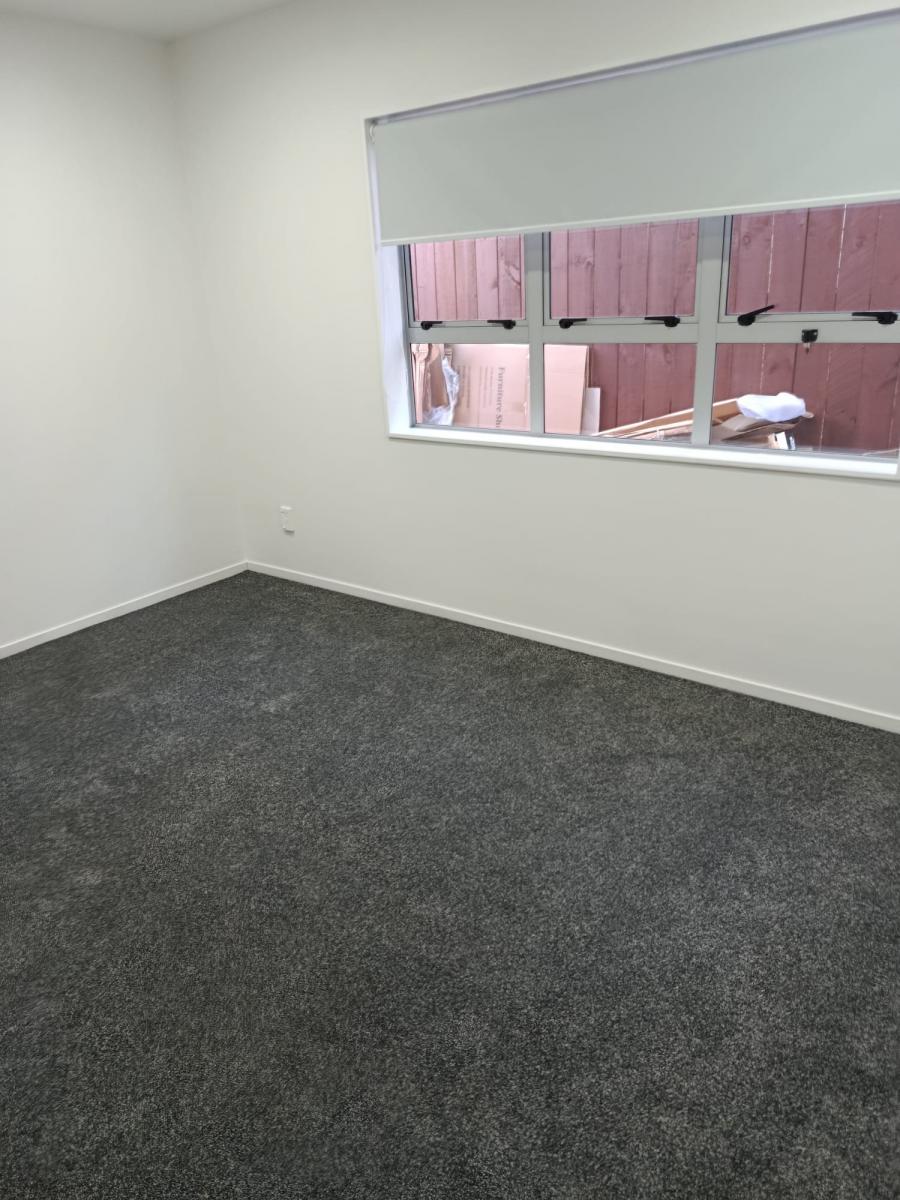
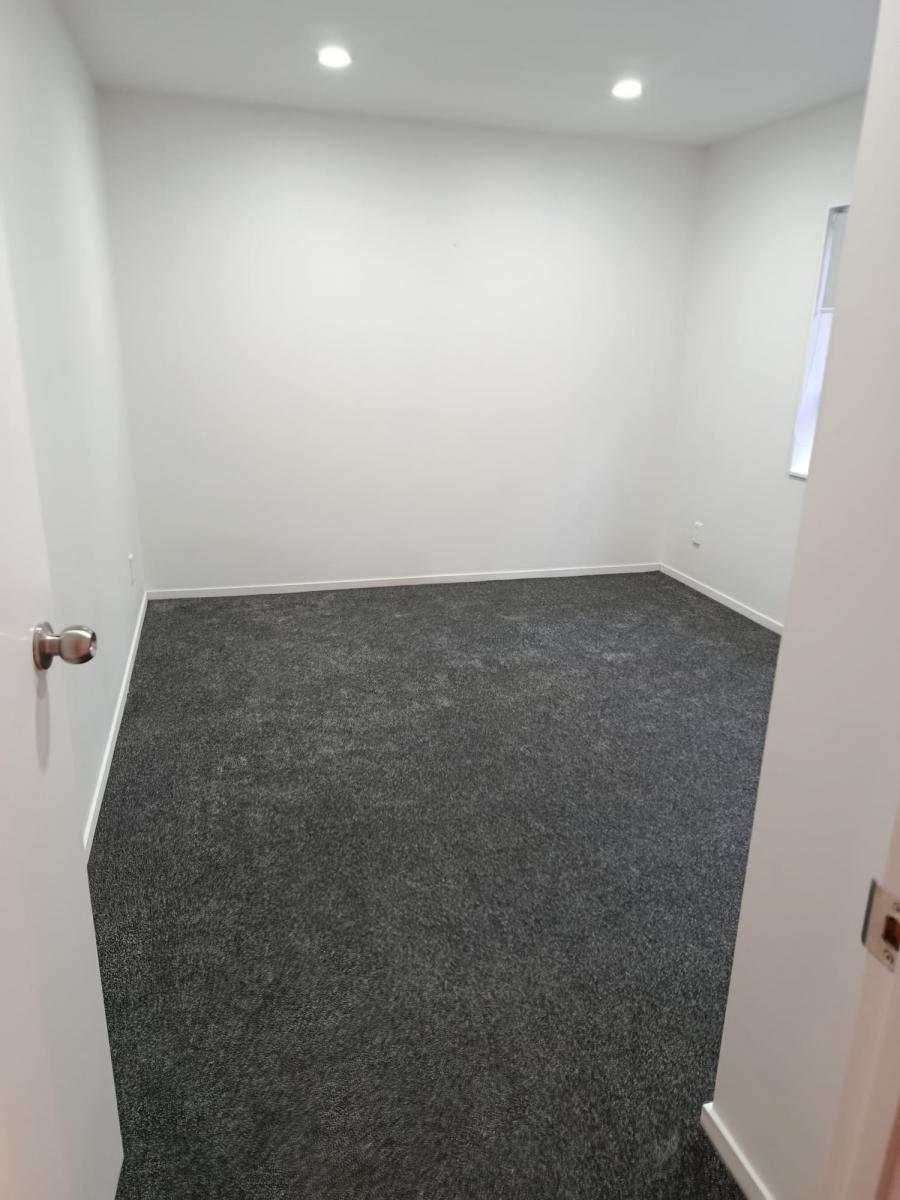
🏡 2 Spacious Bedrooms
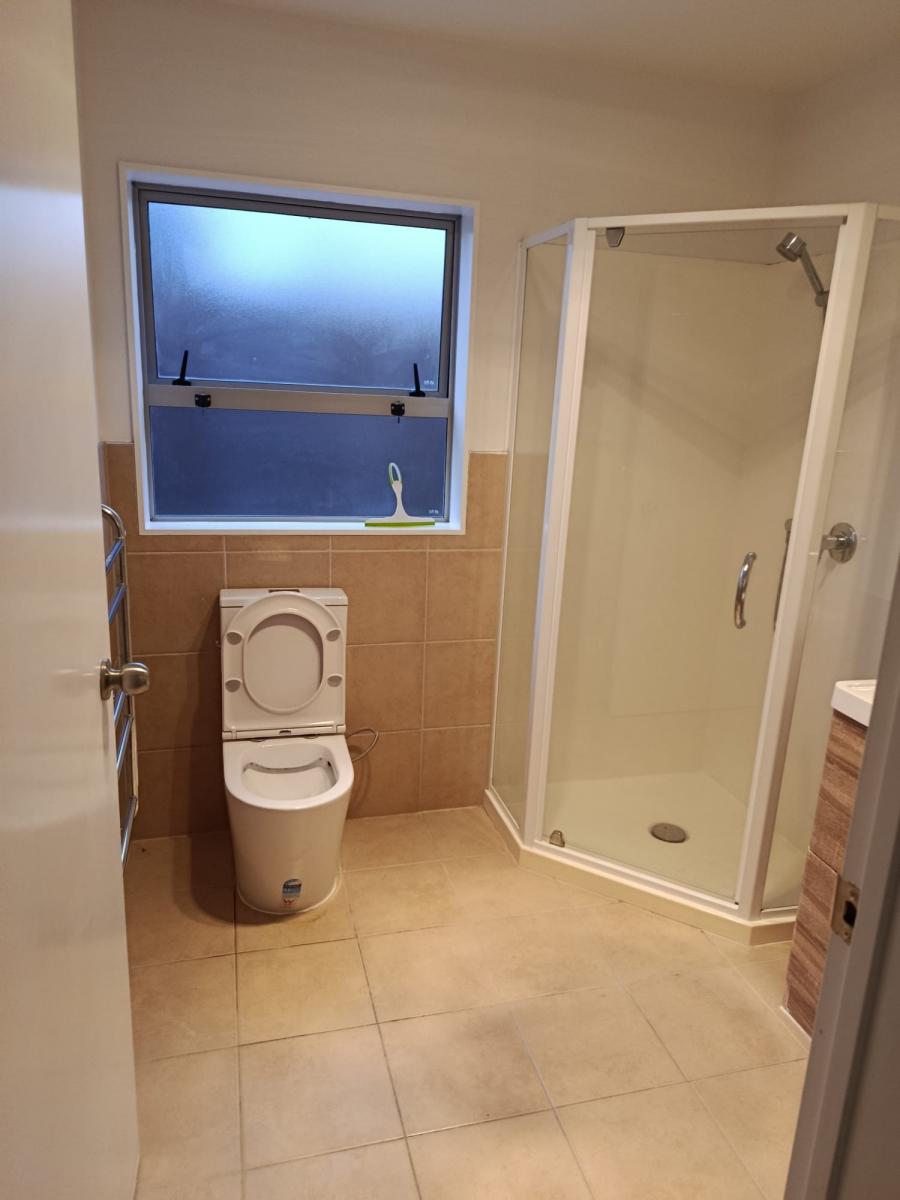
🛁 Private Bathroom
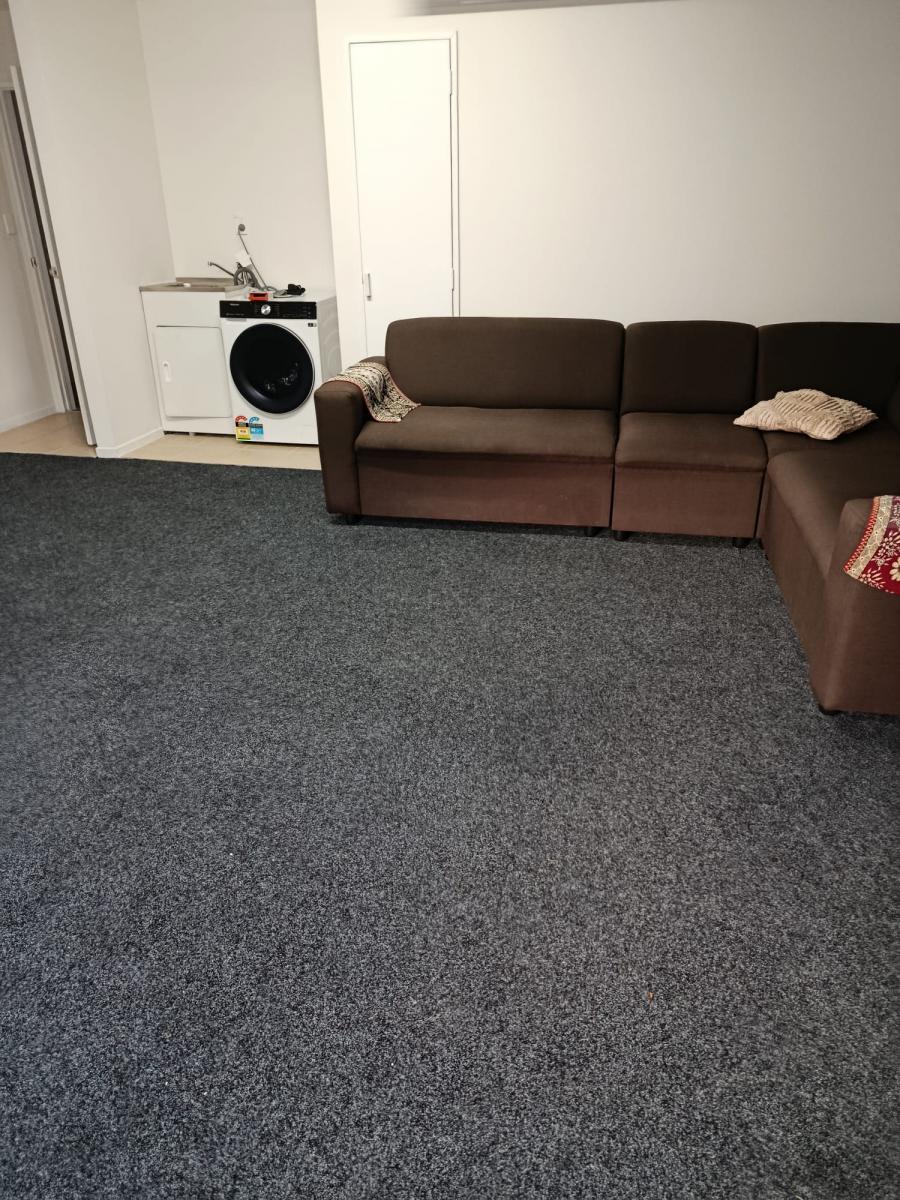
🍳 Separate Kitchen
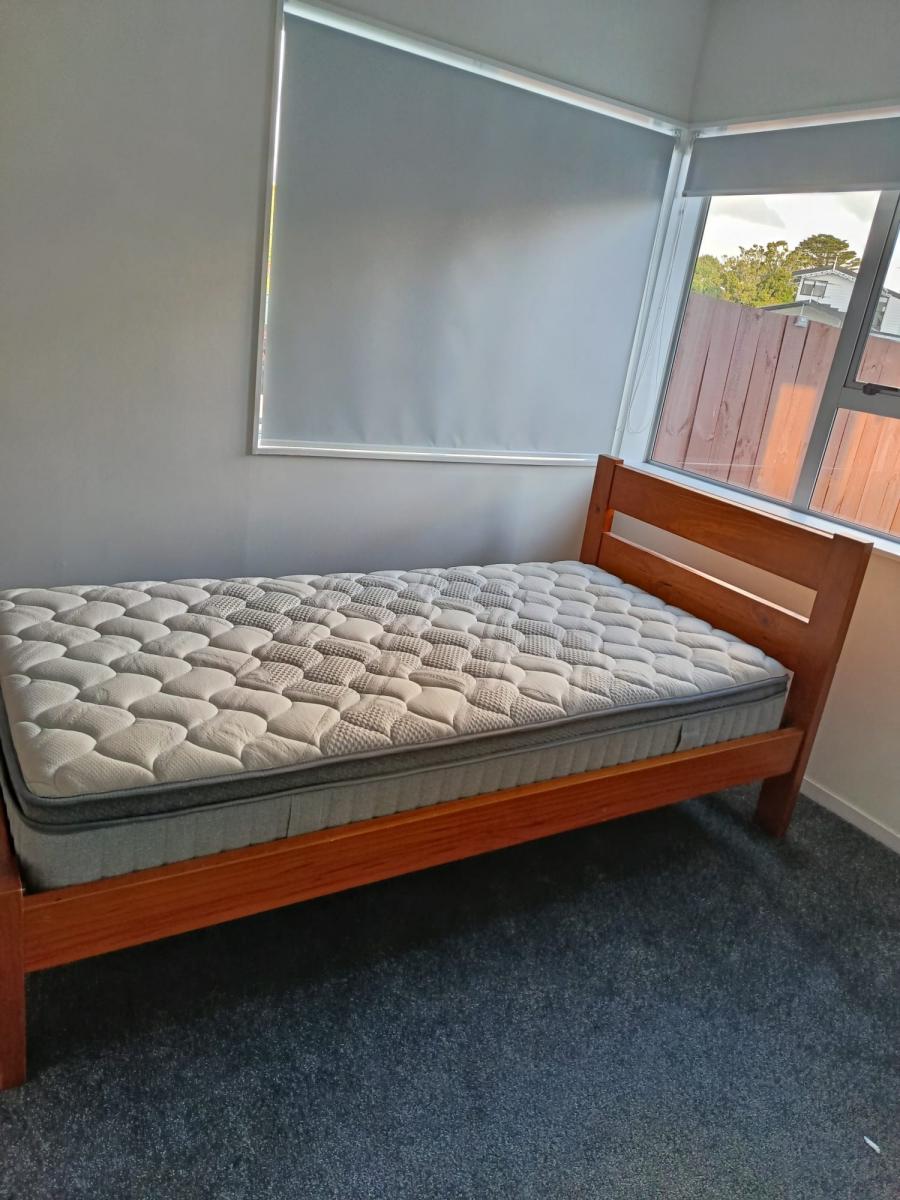
🛏️ 1 Bed with Mattress
🔥 Stove
📟 Microwave
Unlimited WiFi included
✔ Power & water included
✔ Bus stop in front of the house
✔ Nearby shops and supermarkets
This setup is ideal for two girls or a couple looking for a quiet, safe, and relaxed place to call home.
🌸 Enjoy living in a serene neighbourhood with a friendly community atmosphere, while still being conveniently close to schools, shops, and transport.
If you're looking for comfort, privacy, and a peaceful lifestyle — this could be your perfect new home 💛
📍 Location: Lynfield, Auckland
📩 Message for more details or to arrange a viewing. For couple $450 for one bedroom. $600 for the 2 bedroom and kitchen and bathroom. Feel free to contact me on 022-422-0145 for any other details

Wills and Luxon are screwing the country to please the oil and gas industry.
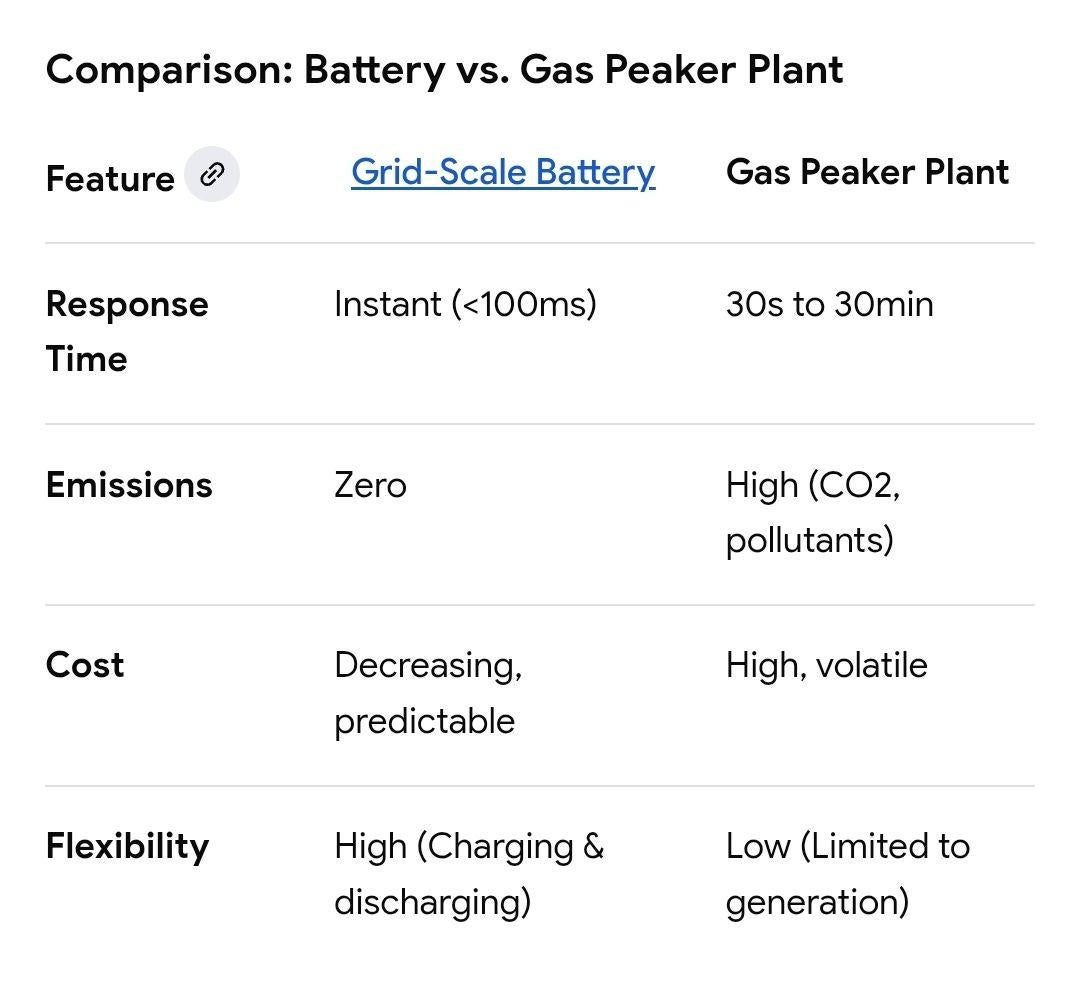
Today the smart investment is in battery peaker plants in combination with solar and wind, or with any other renewable generation capacity during low demand times.
Gas is expensive and will get more so over time.
Let's not forget that Nicola Willis' dad is a big time oil and gas investor, lobbyist, and industry insider.
Maybe this should be posted in ‚Crime & Safety‘?
 Loading…