








What sectors are barely paying more than minimum wage?
While New Zealand might have about a dozen sectors paying at least a median $100,000 a year, there are almost as many paying barely more than the minimum wage.
Data compiled by Infometrics showed the median and mean salaries across industries throughout the country.
The data does not adjust for hours worked, and some of the workers may not be working a 40-hour week.
But it shows that on an annual basis, many sectors were not delivering incomes that were equal to the minimum wage.
The minimum wage of $23.50 an hour works out to just under $49,000 a year for a full-time, 40-hour a week worker.
Fuel retailing was paying a median of almost exactly the same amount.
Food retailing was paying less, at $45,030. Accommodation was slightly more, at $49,240, and food and beverage services was significantly less at $40,170.
Also within $10,000 of minimum wage were "other store-based retailing" at $53,220, sport and recreation services at $53,350 and personal and other services at $54,170.
Ministry of Business, Innovation and Employment data last year showed that about 141,900 people would be directly affected by the minimum wage rising to $23.50, indicating they were at that point being paid less than that amount per hour.
Infometrics principal economist Nick Brunsdon said skills and experience explained a lot of the variation in incomes.
"Industries that need a more skilled workforce generally pay more - because they can get a lot of value out of their workers, and workers need a good incentive to gain those skills - for example, medicine. Industries that take in a lot of lower qualified staff, like hospitality, can get away with paying a lot less, and still get plenty of job applicants.
"There are other factors like desirability - some jobs might not have a high skill requirement but are somewhat undesirable - say underground coal mining - so higher pay is necessary to find workers."
CTU policy director and economist Craig Enney said "hours adequacy" was a big problem in many sectors.
"You've got someone who's working 20 hours a week or 25 hours, on $25 an hour, so you're earning $500 a week. Is that enough? No.
"The challenge is often about the structure of employment in some of those sectors…In hospo, in retail, in catering, in a range of other sort of service-based industries, it's wanting more hours and not getting it."
The latest labour market statistics showed the the number of underutilised people in the country had risen to 403,000.
"These are people who want more hours, want more work and can't get it. And that may be a key reason why, you know, total incomes are so inadequate for some people. And that's also partially helping to explain why the headline unemployment rate is not rising as quickly as some people had predicted."
Jake Lilley, a spokesperson for financial mentor network Fincap, said it was something mentors dealt with.
"They also help people work out what is realistic in terms of taking on hours while balancing additional childcare costs. Our latest Voices reporting recorded 31 percent of those supported by a financial mentor as having a mix of income from salary or wages as well as income support.
"It is a real juggle to navigate finances when unpredictable sporadic hours of work need reporting to Work and Income in what can be impractical timeframes. An example might be someone being asked to stay on for a longer shift by their manager and being unable to contact Work and Income when that day is the deadline to report other income.
"Someone might also not know exactly what their pay will be until a payslip is provided after the reporting date. Such situations can often result in overpayment debts from Work and Income compounding the difficulty of administering already tight finances."
=======================================================

Poll: 🤖 What skills do you think give a CV the ultimate edge in a robot-filled workplace?
The Reserve Bank has shared some pretty blunt advice: there’s no such thing as a “safe” job anymore 🛟😑
Robots are stepping into repetitive roles in factories, plants and warehouses. AI is taking care of the admin tasks that once filled many mid-level office jobs.
We want to know: As the world evolves, what skills do you think give a CV the ultimate edge in a robot-filled workplace?
Want to read more? The Press has you covered!

-
52.9% Human-centred experience and communication
-
15% Critical thinking
-
29.6% Resilience and adaptability
-
2.5% Other - I will share below!
Room for rent
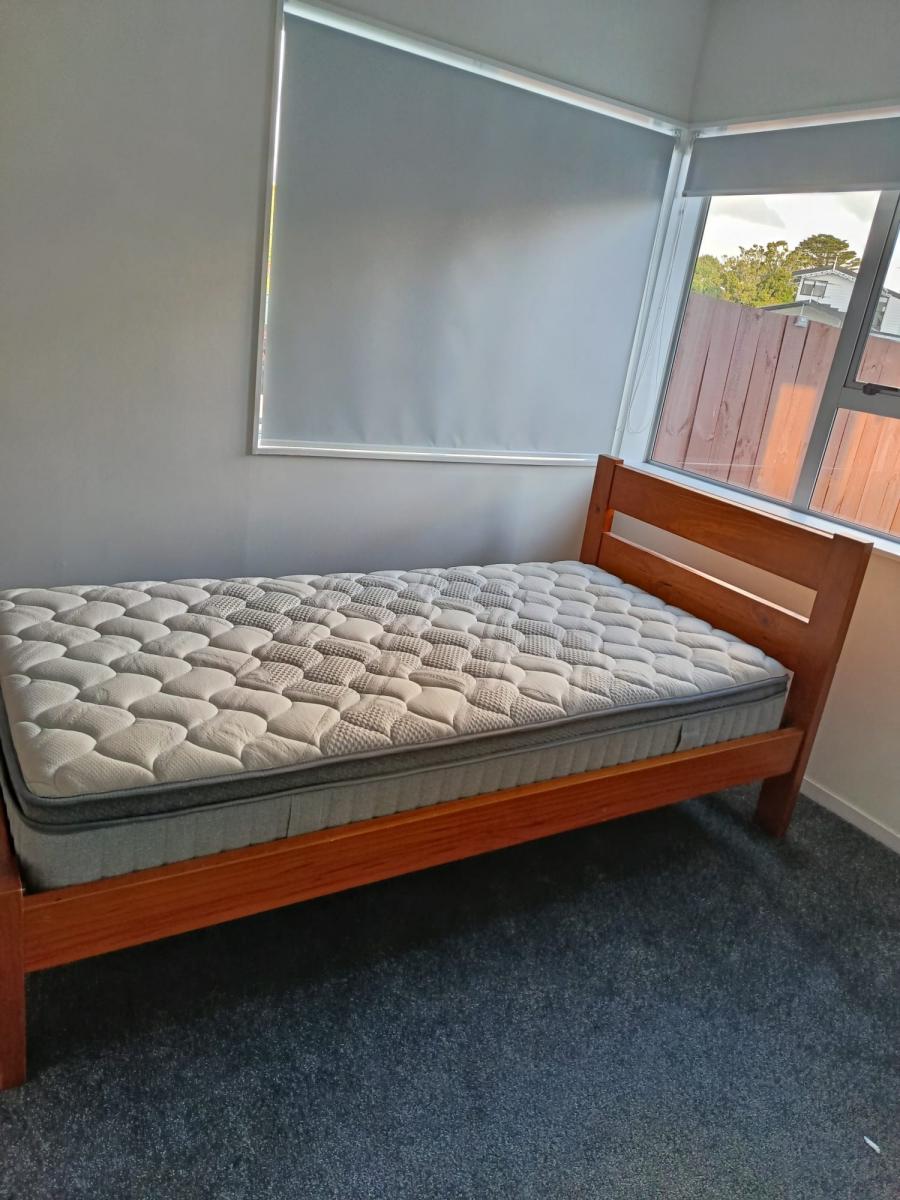
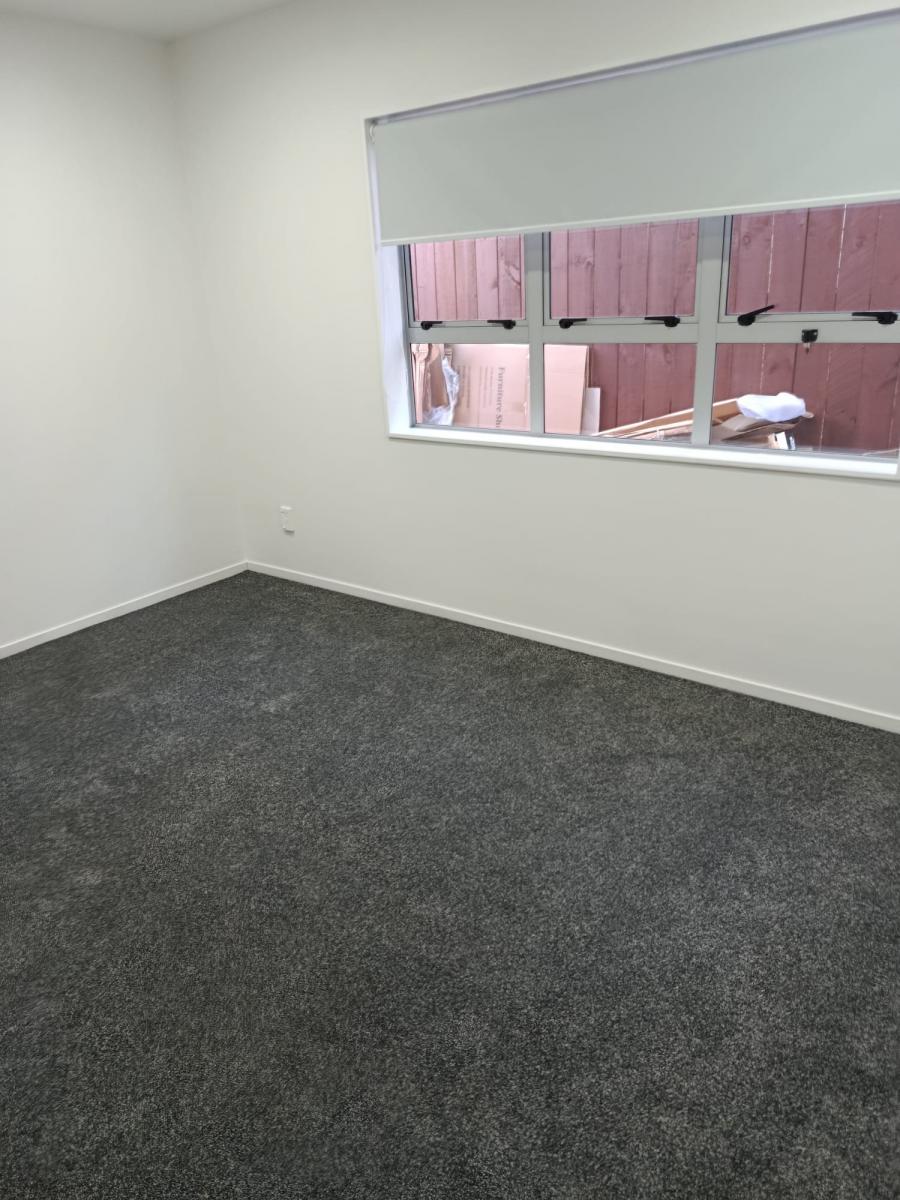
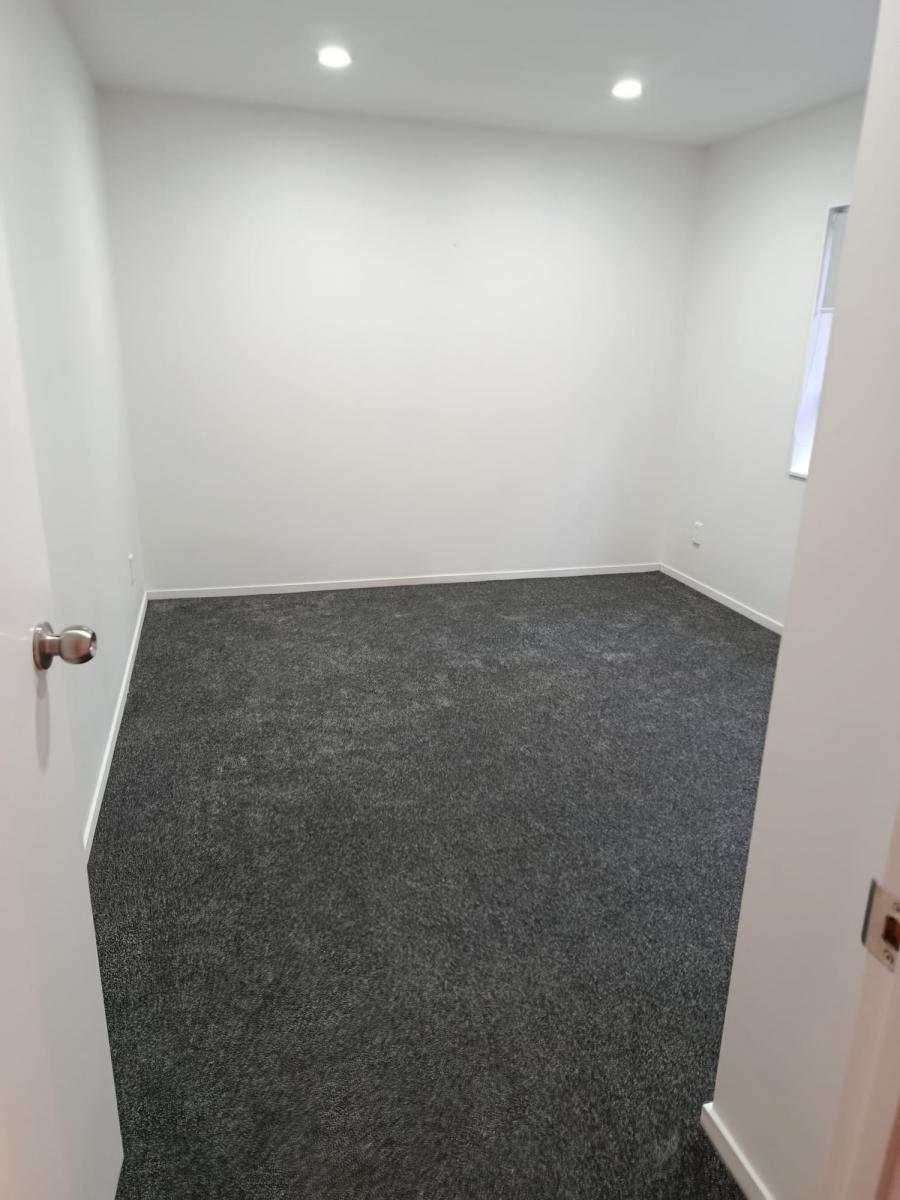
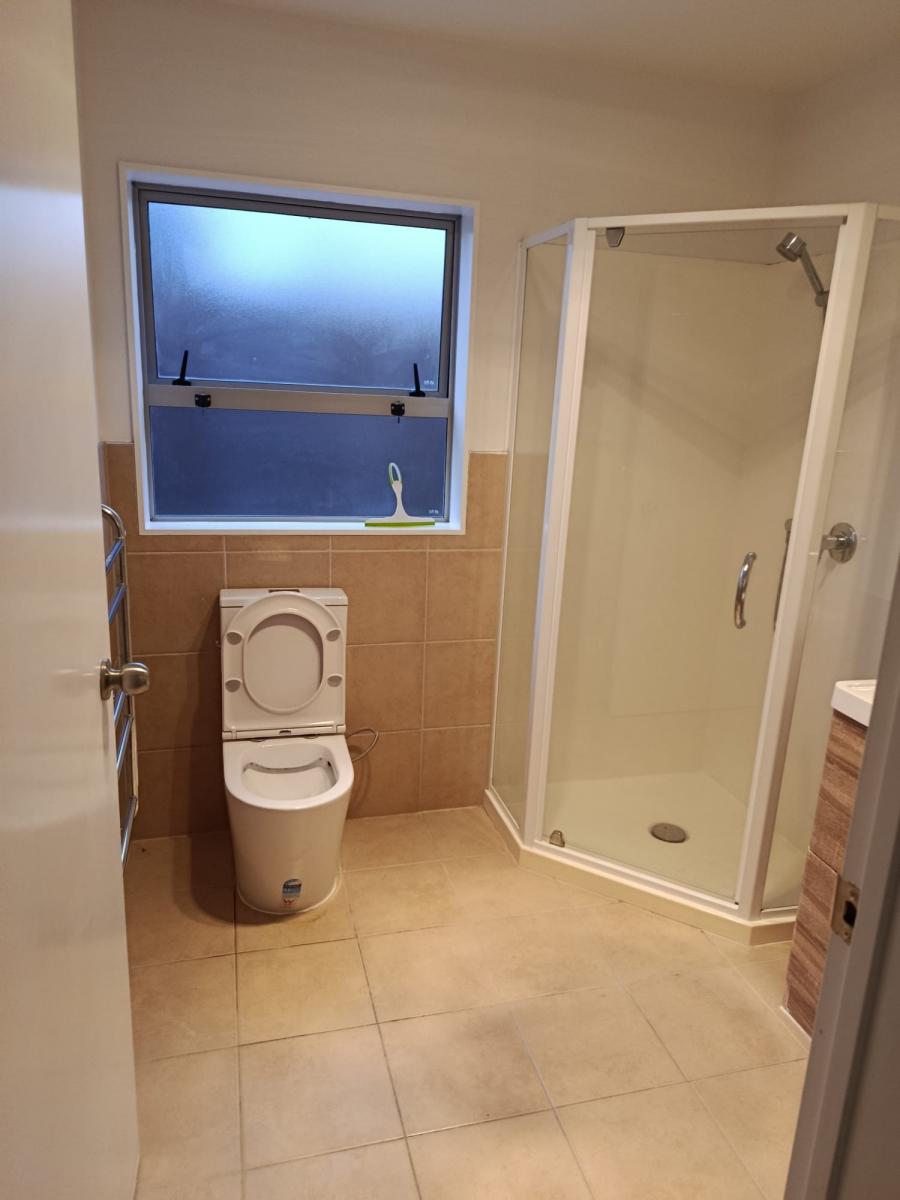
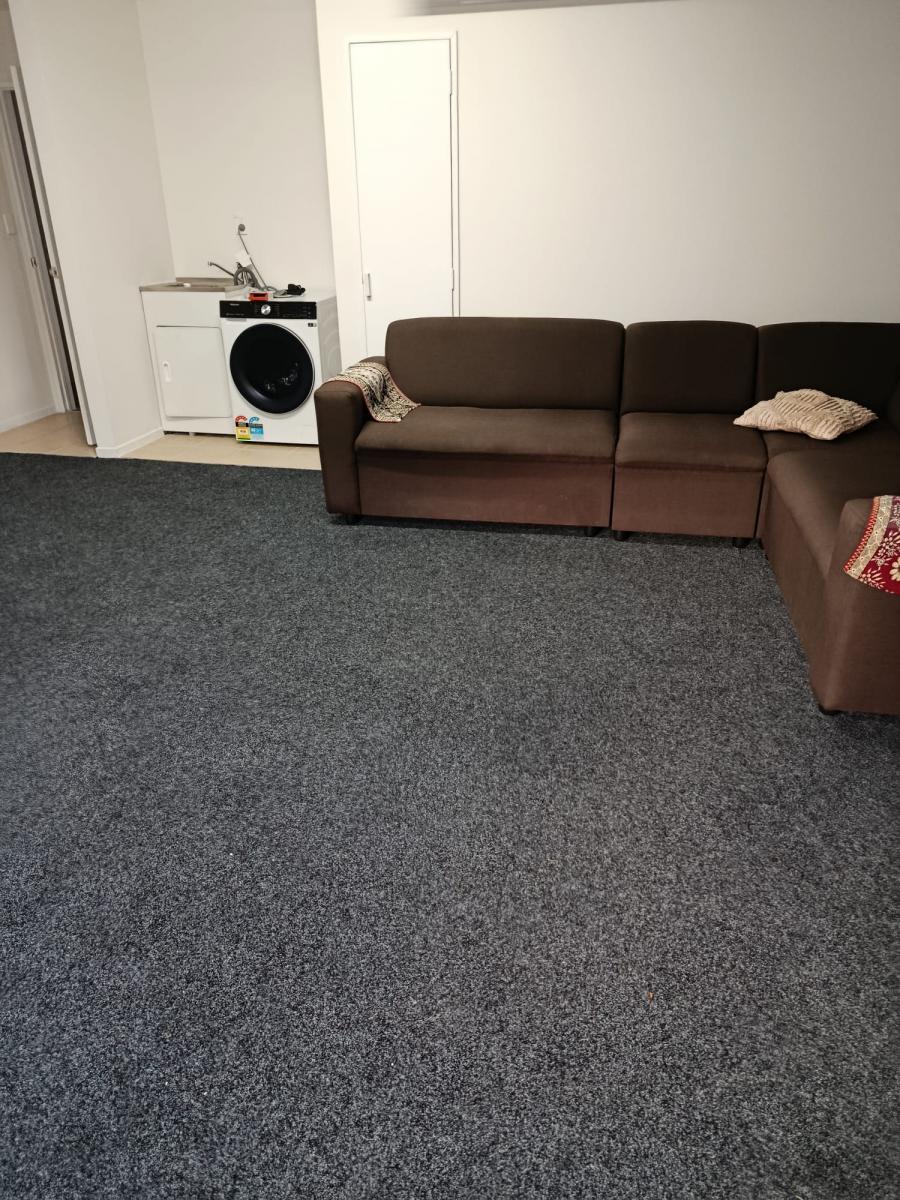
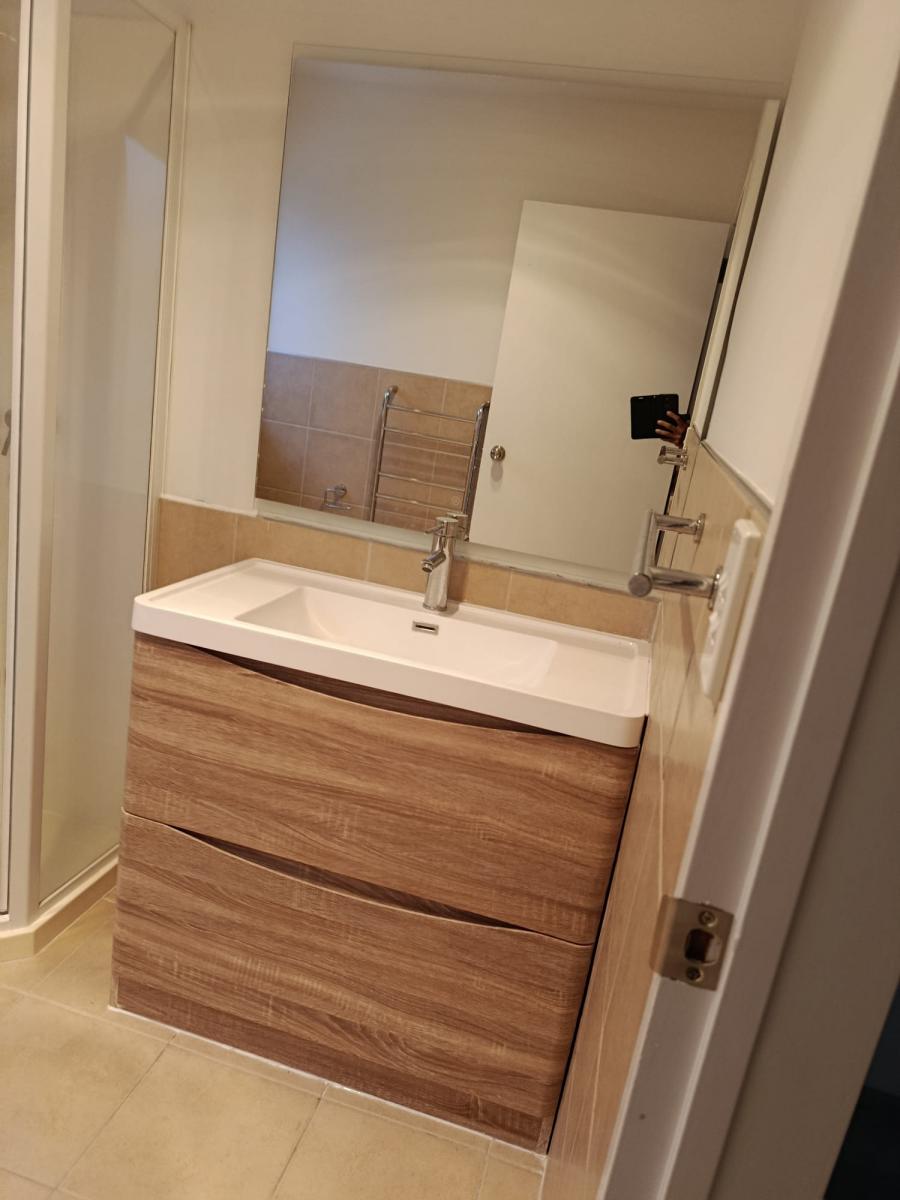
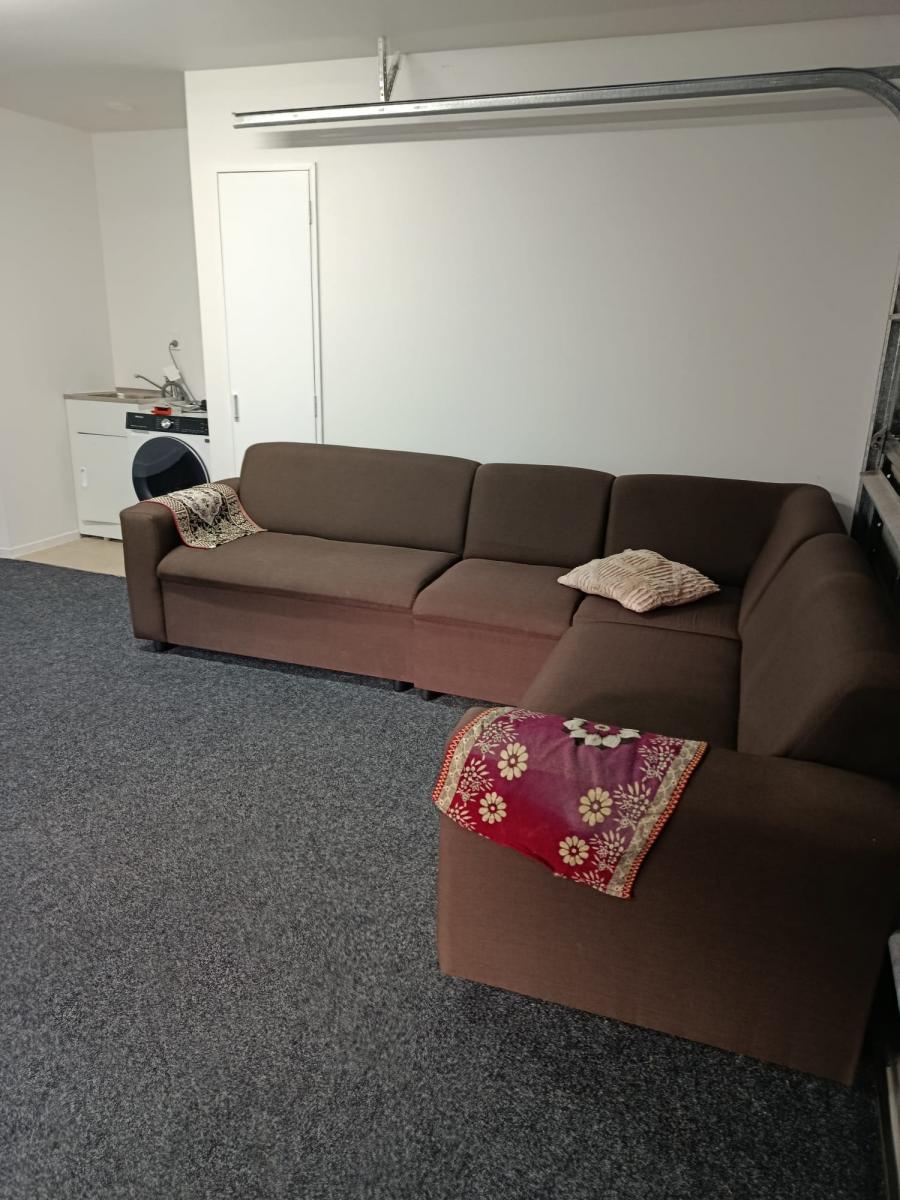
🌿 Beautiful Private Space Available for Rent – Perfect for 2 Girls or a Couple 🌿
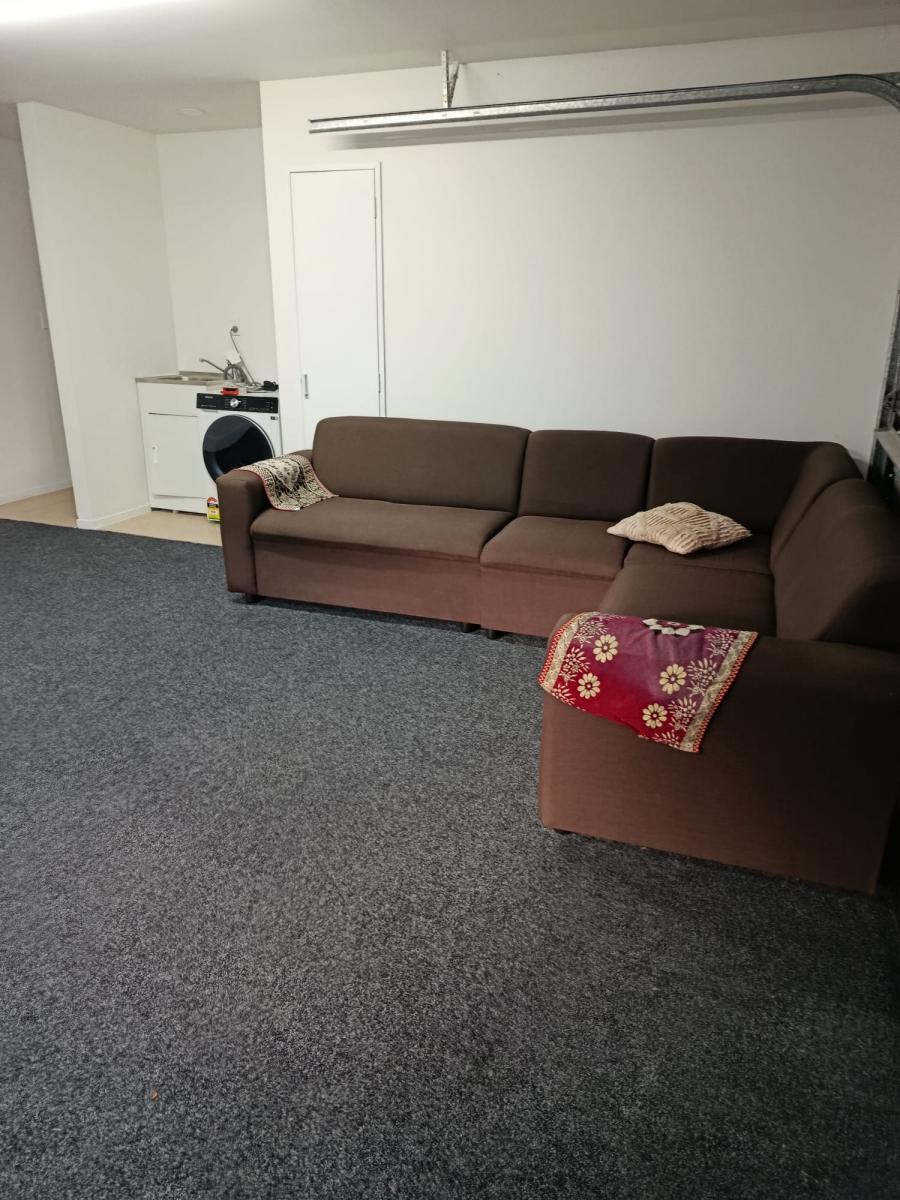
Located in the peaceful and family-friendly suburb of Lynfield, this warm and welcoming home offers a comfortable living space in a highly sought-after top school zone.
✨ What’s Included:
🏡 2 Spacious Bedrooms
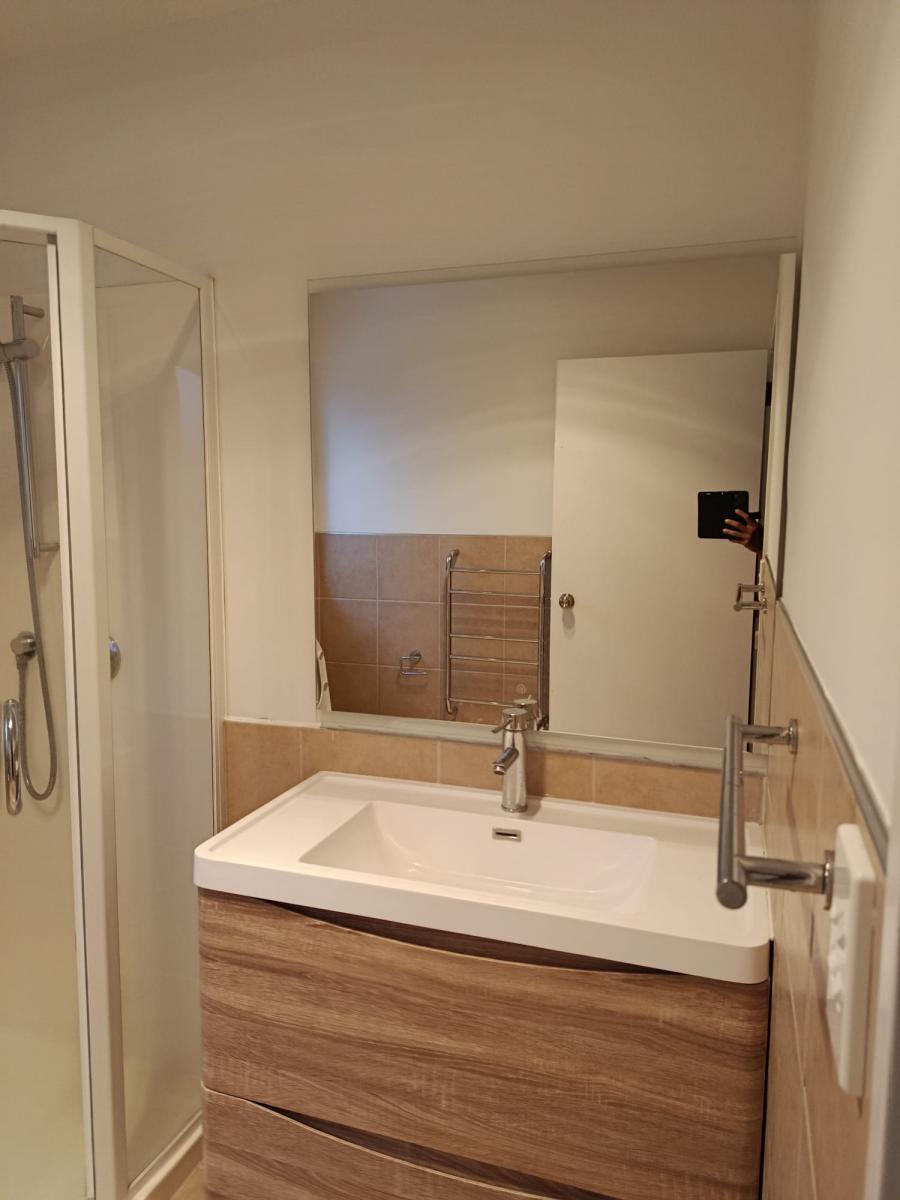
🛁 Private Bathroom
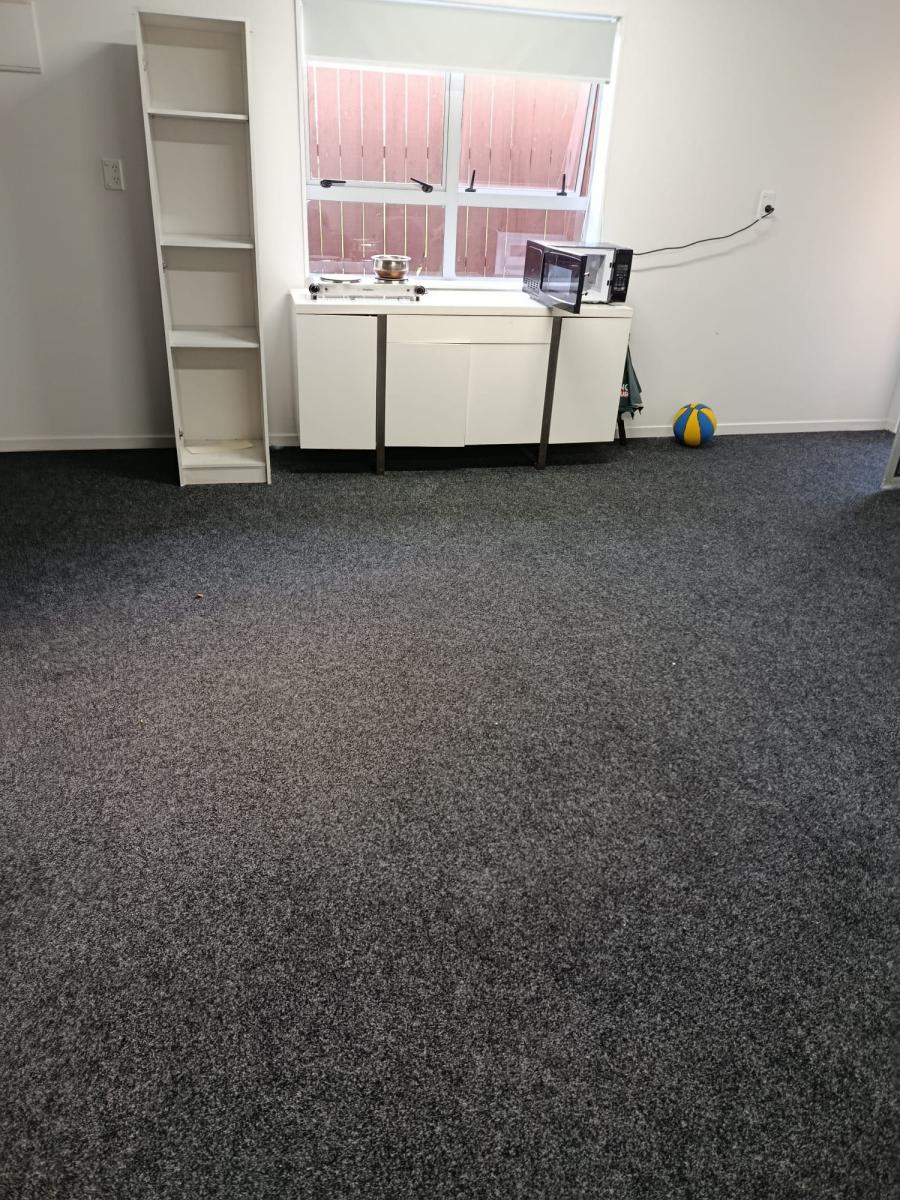
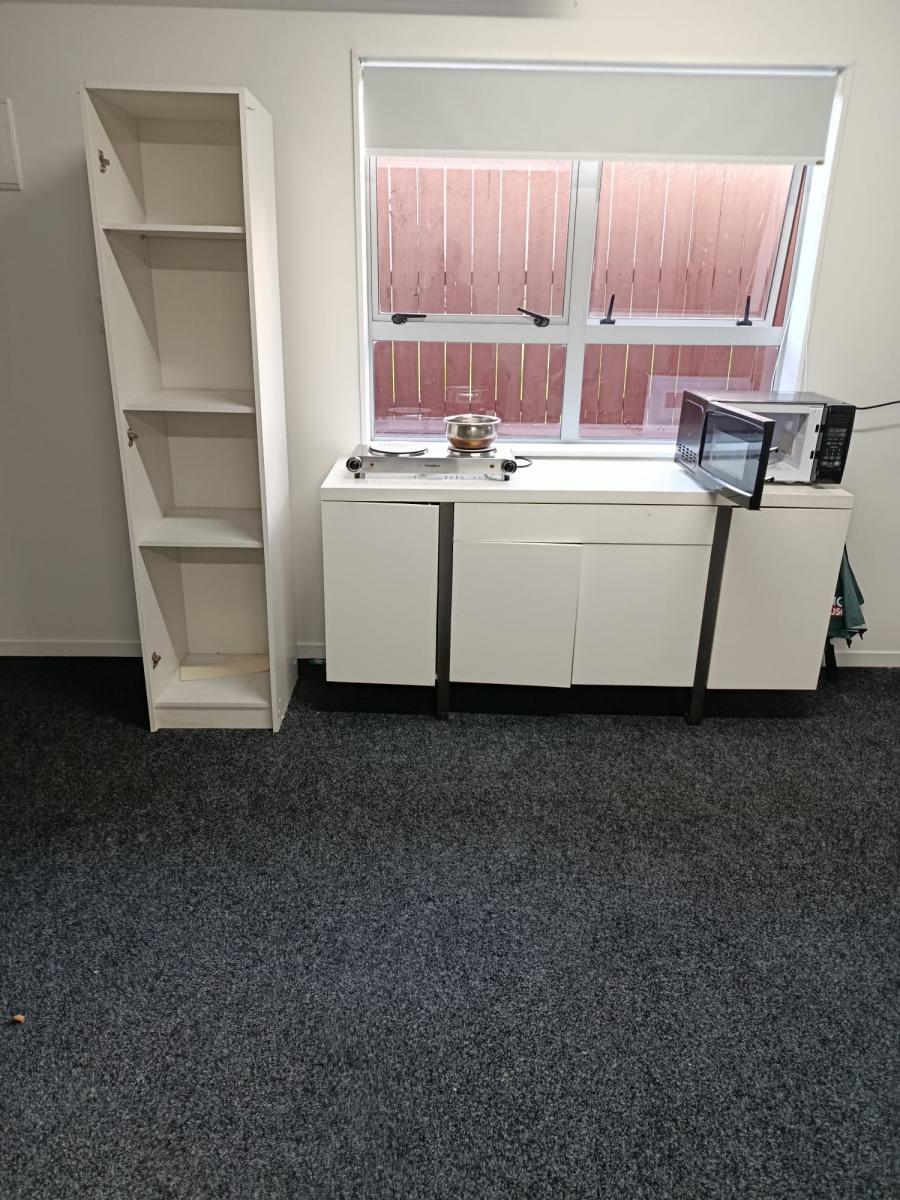
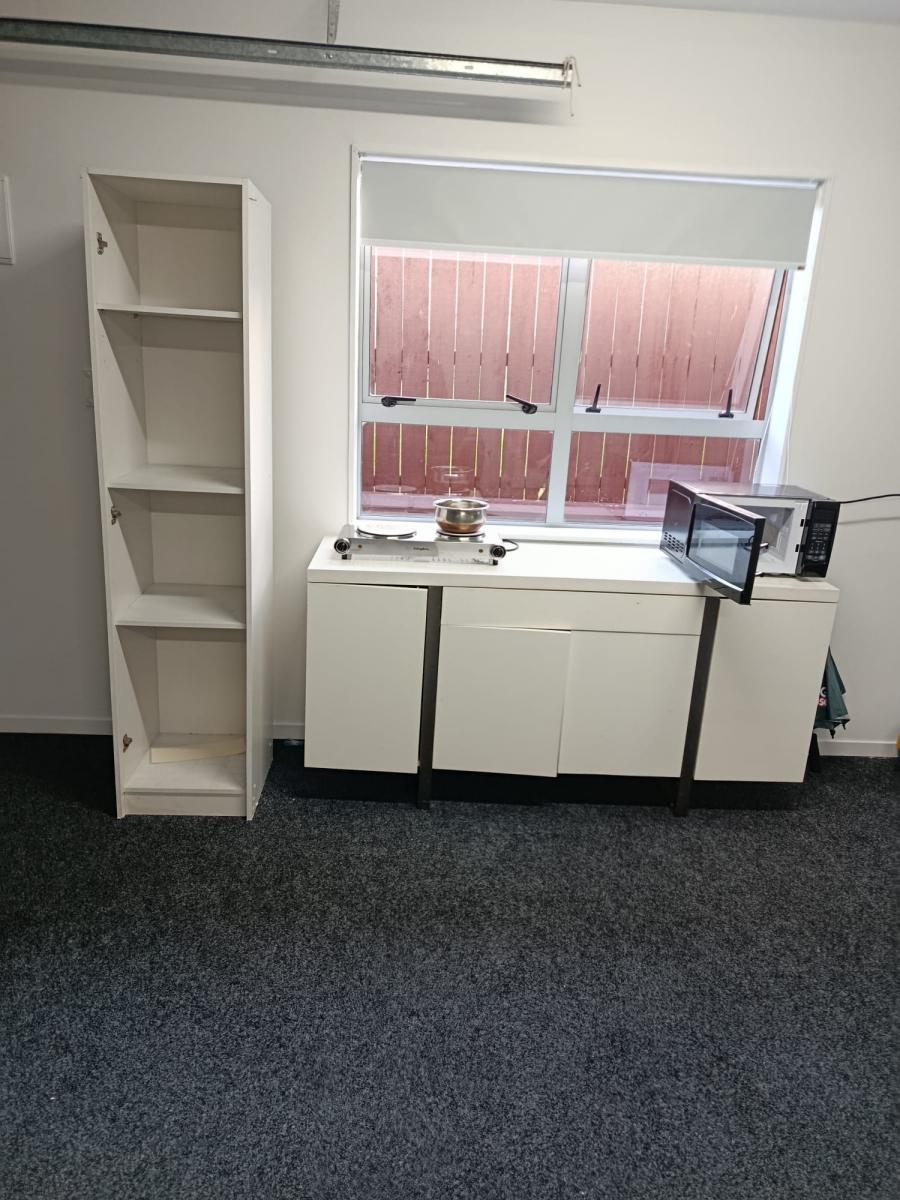
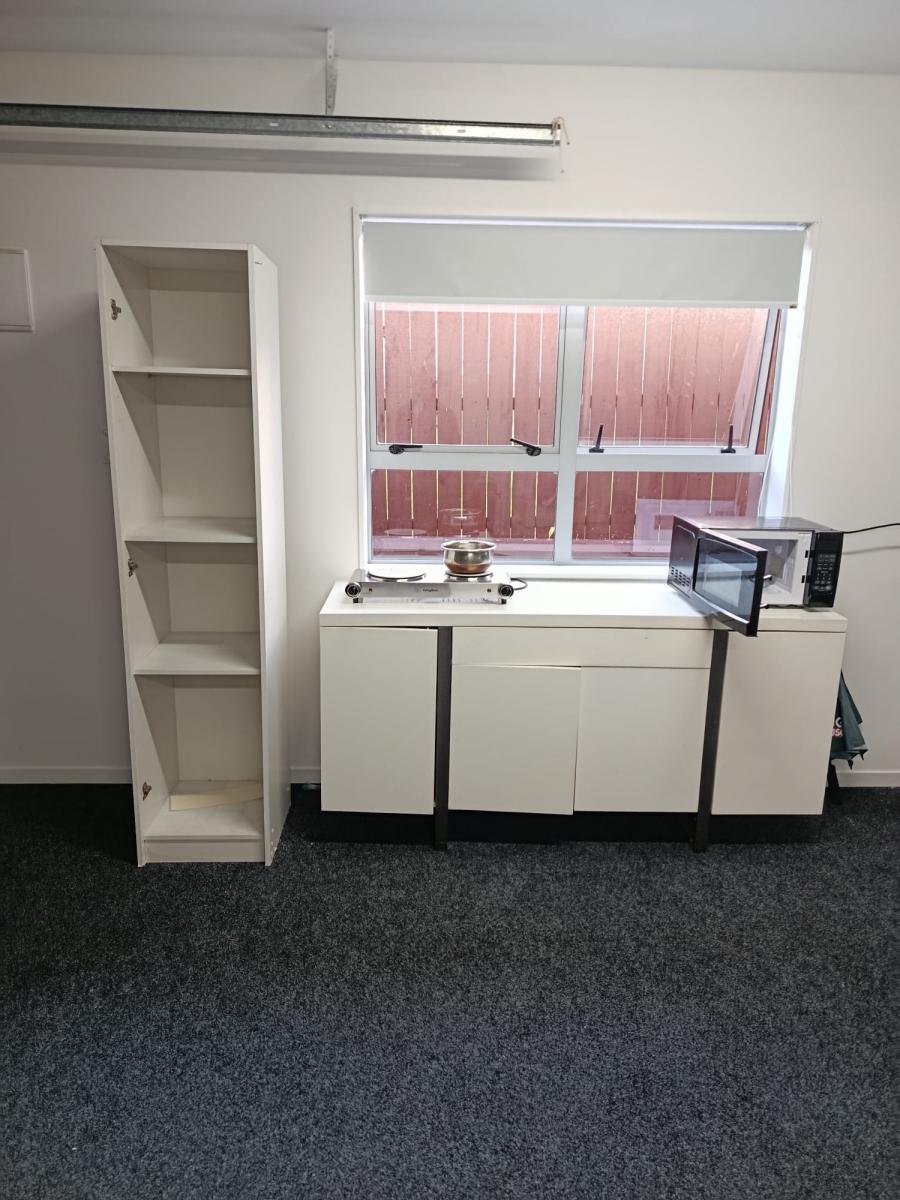
🍳 Separate Kitchen
🛏️ 1 Bed with Mattress
🔥 Stove
📟 Microwave
Unlimited WiFi included
✔ Power & water included
✔ Bus stop in front of the house
✔ Nearby shops and supermarkets
This setup is ideal for two girls or a couple looking for a quiet, safe, and relaxed place to call home.
🌸 Enjoy living in a serene neighbourhood with a friendly community atmosphere, while still being conveniently close to schools, shops, and transport.
If you're looking for comfort, privacy, and a peaceful lifestyle — this could be your perfect new home 💛
📍 Location: Lynfield, Auckland
📩 Message for more details or to arrange a viewing. For couple $450 for one bedroom. $600 for the 2 bedroom and kitchen and bathroom. Feel free to contact me on 022-422-0145 for any other details


Wills and Luxon are screwing the country to please the oil and gas industry.
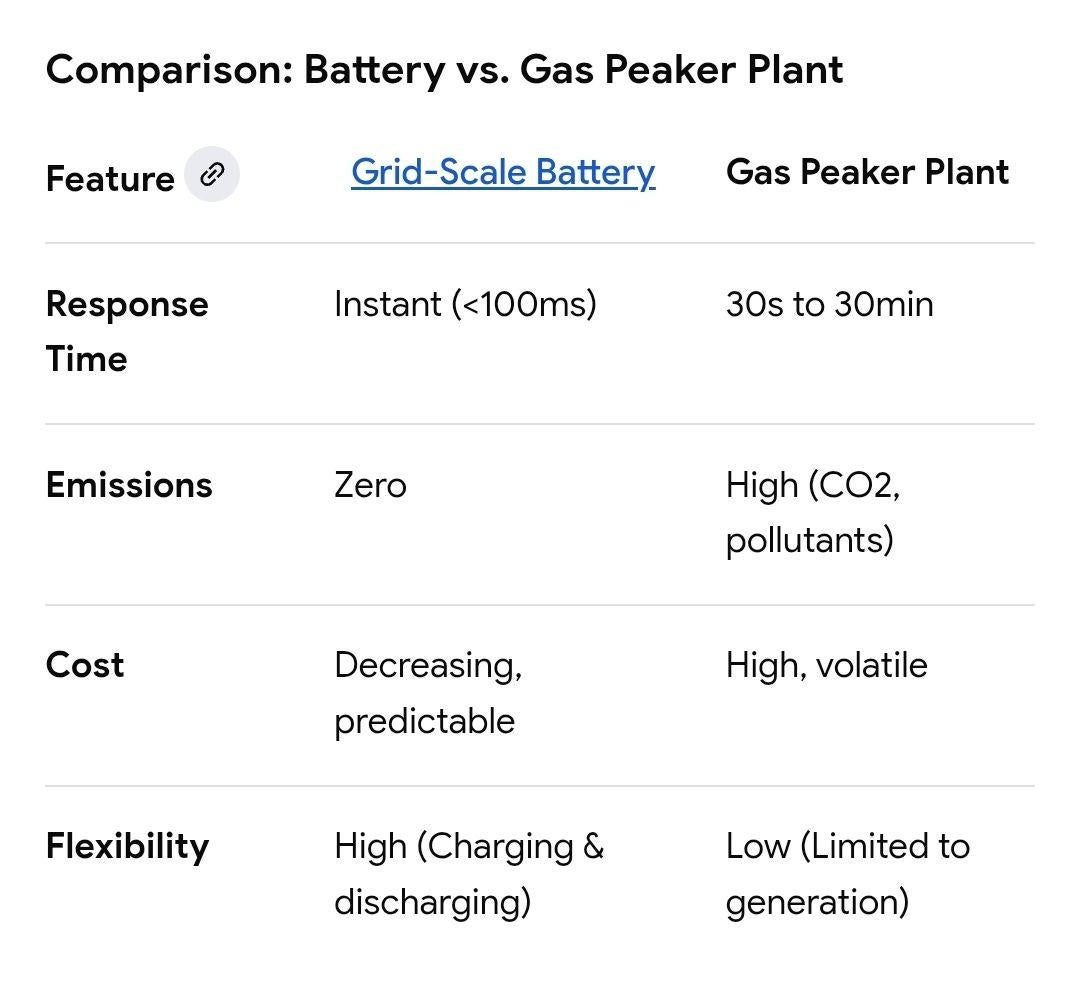
Today the smart investment is in battery peaker plants in combination with solar and wind, or with any other renewable generation capacity during low demand times.
Gas is expensive and will get more so over time.
Let's not forget that Nicola Willis' dad is a big time oil and gas investor, lobbyist, and industry insider.
Maybe this should be posted in ‚Crime & Safety‘?
 Loading…