







7 tips for shopping online
The convenience of shopping from the couch is undeniable. But it’s not without risks. Scam sites, tough return policies and packages that vanish all challenge the online shopper.
So, before you click ‘add to cart’, check out our tips for having a good online shopping experience.
1. Know who you’re really shopping with
=================================
Don’t assume a ‘.co.nz’ website is a New Zealand company. Having a .co.nz domain name can be a way for overseas sellers to win your trust.
If you’re lucky, that might just mean having to wait longer than you thought to get your package. But it can also mean it’s expensive to return an item or that you have to deal with an overseas seller if things go wrong. Having the name of a New Zealand city in the name of a store also doesn’t mean it’s really based here.
Look at the ‘contact’ and ‘about’ pages of websites to try and determine whether you’re really dealing with a New Zealand business.
You can also:
===========
search the Companies Register to check if the trader is New Zealand registered.
check who has registered a domain name using the Domain Name Commission’s website.
2. Ignore the sales hype
====================
Be sceptical of pressure tactics when shopping online. Claims like ‘limited stock’ and countdown timers are intentional sales strategies designed to get you to buy and not think too much.
Also beware of special deals on social media. They might use phrases like “1-day flash sale” to get you to act quickly but clicking these links can take you to scam websites. If a deal seems too good to be true it almost certainly is.
3. Be sceptical of reviews
======================
Fake reviews are everywhere. Often there will be tell-tale signs that a review is fake, like repetitive language and stock phrases that could apply to anything.
Look for independent sources of information, such as our website. We've reviewed thousands of products - this page with all our top tests is a great place to get started.
4. Pay by card
============
We recommend using a debit or credit card to shop online – that way, you can apply for a chargeback (where your bank reverses the payment) if the correct goods don’t show up.
Remember to take a screenshot of your completed order or save the order confirmation email, in case something goes wrong. Keep an eye on your bank statements. Contact your bank immediately if you spot anything unusual, such as two transactions for one item.
5. Use price comparison websites
=============================
Make sure a better price isn’t available just around the corner by consulting the price tracking graphs on price comparison websites.
We like to use Priceme and PriceSpy. The graphs show you the prices that stores have been charging for an item – so you can tell if you’re really getting a good deal.
Also check if the store you’re thinking of buying from has a price guarantee, which is when they’ll match or beat the price of another store. You can use theses online with most big box retailers. If you’re buying at full-price, check if they have a price promise so you can get some money refunded if it goes on sale soon.
6. Cover your tracks
=================
Regularly clear your cache and browsing data to reduce the chances of traders offering you prices based on your online activity.
Double check prices using another device (such as your desktop computer against your iPhone) or a different browser.
7. Check return policies before you buy
================================
Anticipate what will happen if your item arrives and isn’t to your liking. Will you be able to return it? Will you have to pay courier costs?
See if the policy says where you’ll have to return the item, so you can decide if the risk of paying the return cost is worth it.
======================================================


Poll: 🤖 What skills do you think give a CV the ultimate edge in a robot-filled workplace?
The Reserve Bank has shared some pretty blunt advice: there’s no such thing as a “safe” job anymore 🛟😑
Robots are stepping into repetitive roles in factories, plants and warehouses. AI is taking care of the admin tasks that once filled many mid-level office jobs.
We want to know: As the world evolves, what skills do you think give a CV the ultimate edge in a robot-filled workplace?
Want to read more? The Press has you covered!

-
52.7% Human-centred experience and communication
-
14.7% Critical thinking
-
29.6% Resilience and adaptability
-
2.9% Other - I will share below!
Room for rent
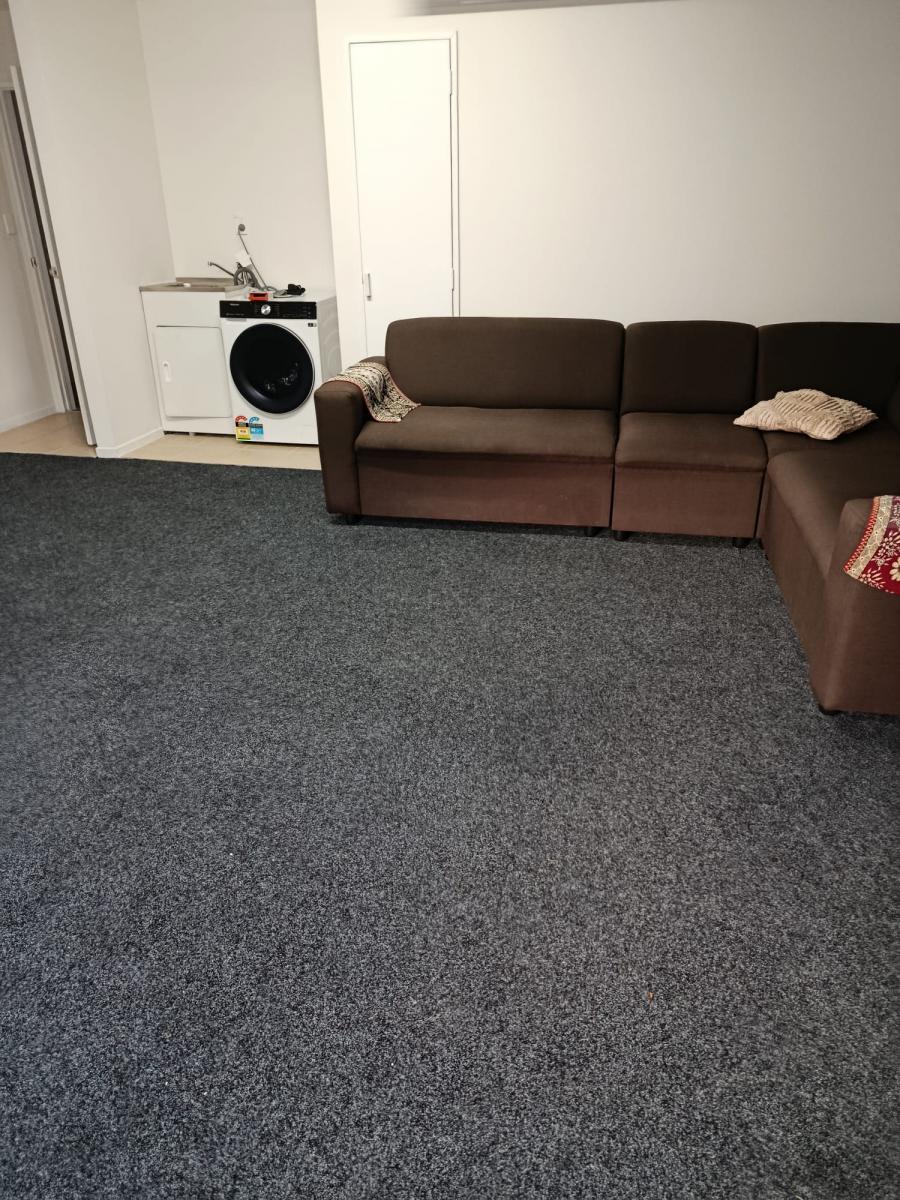
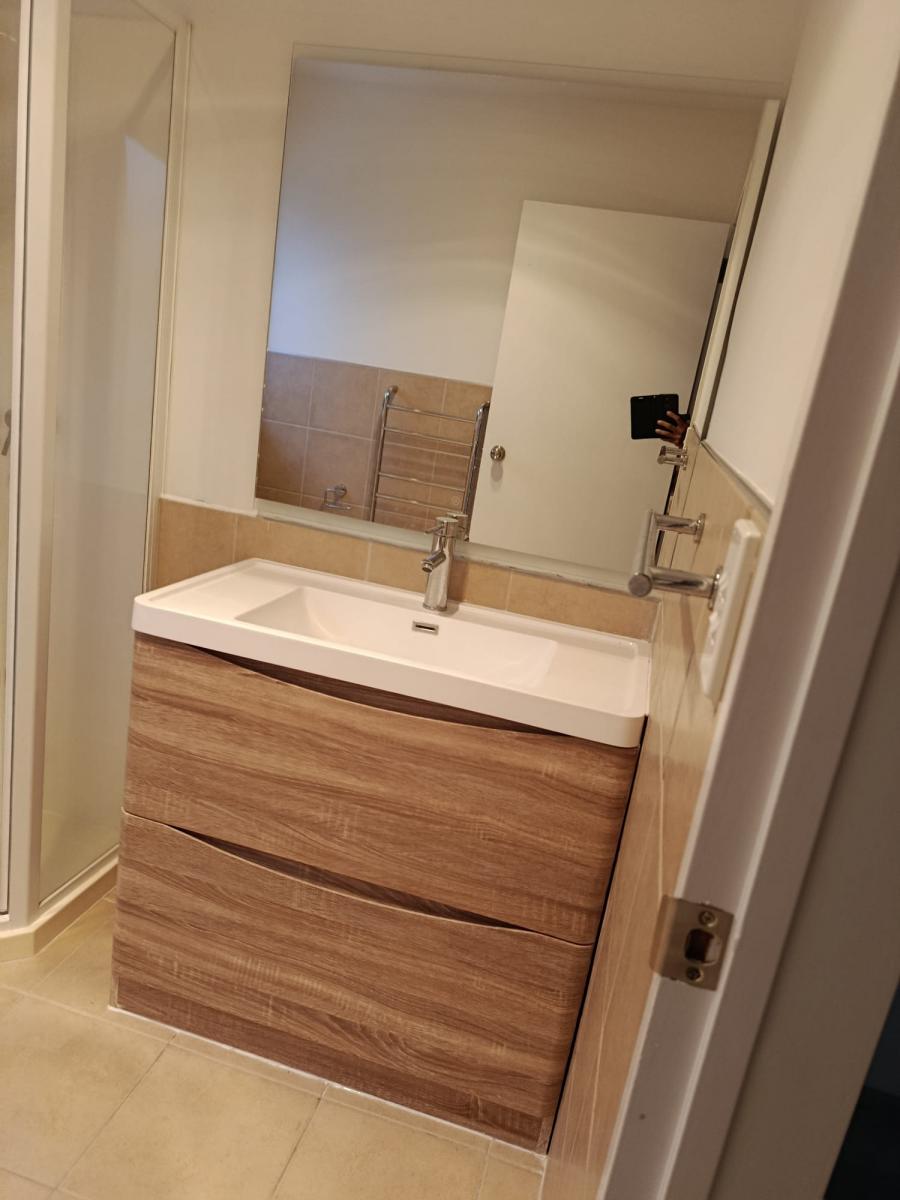
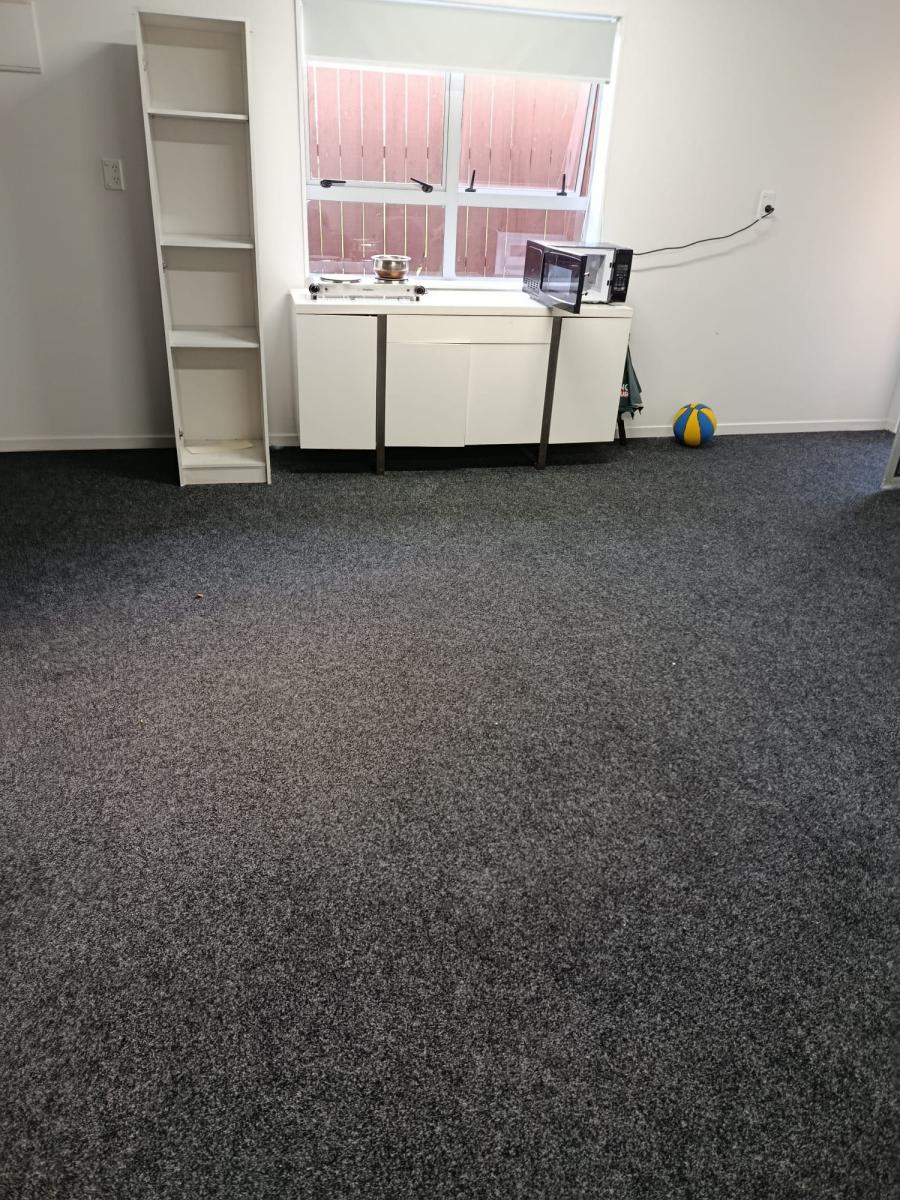
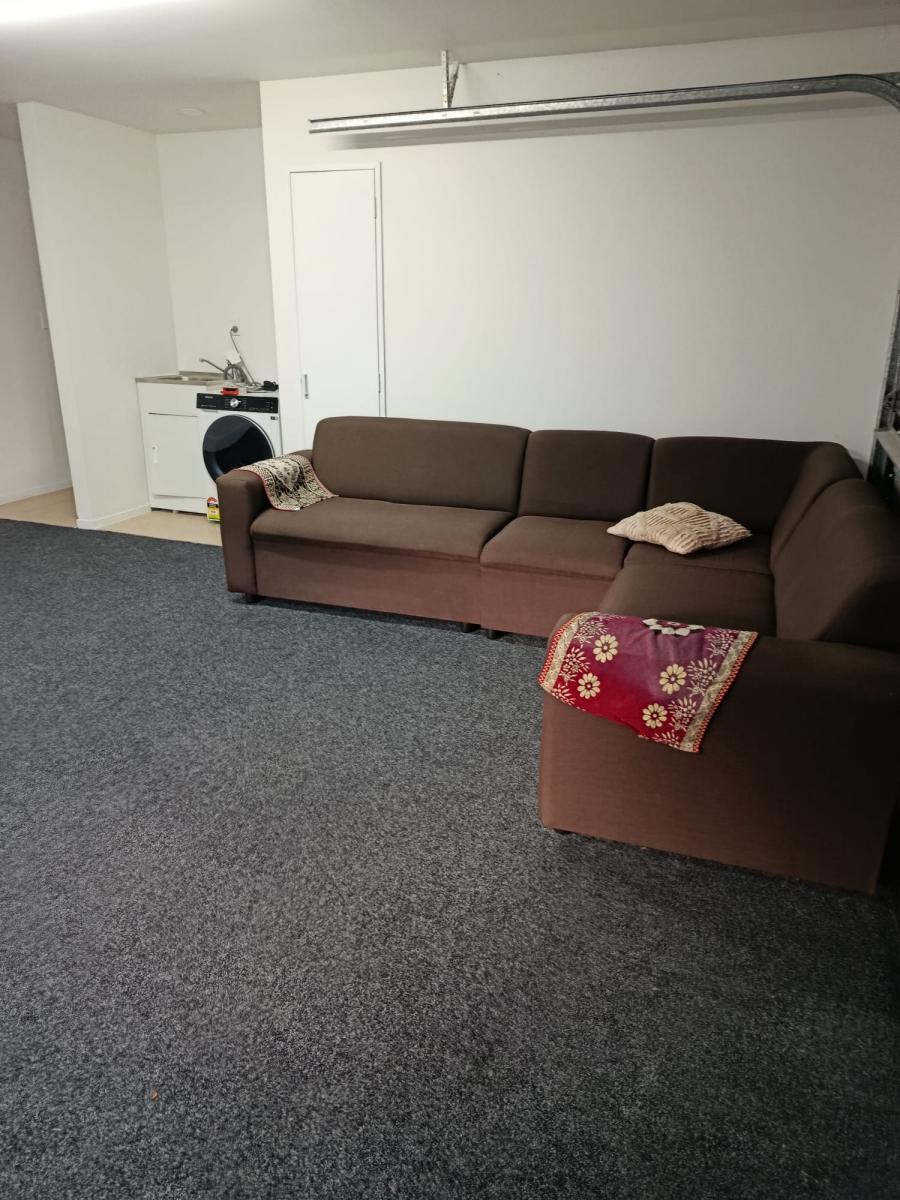
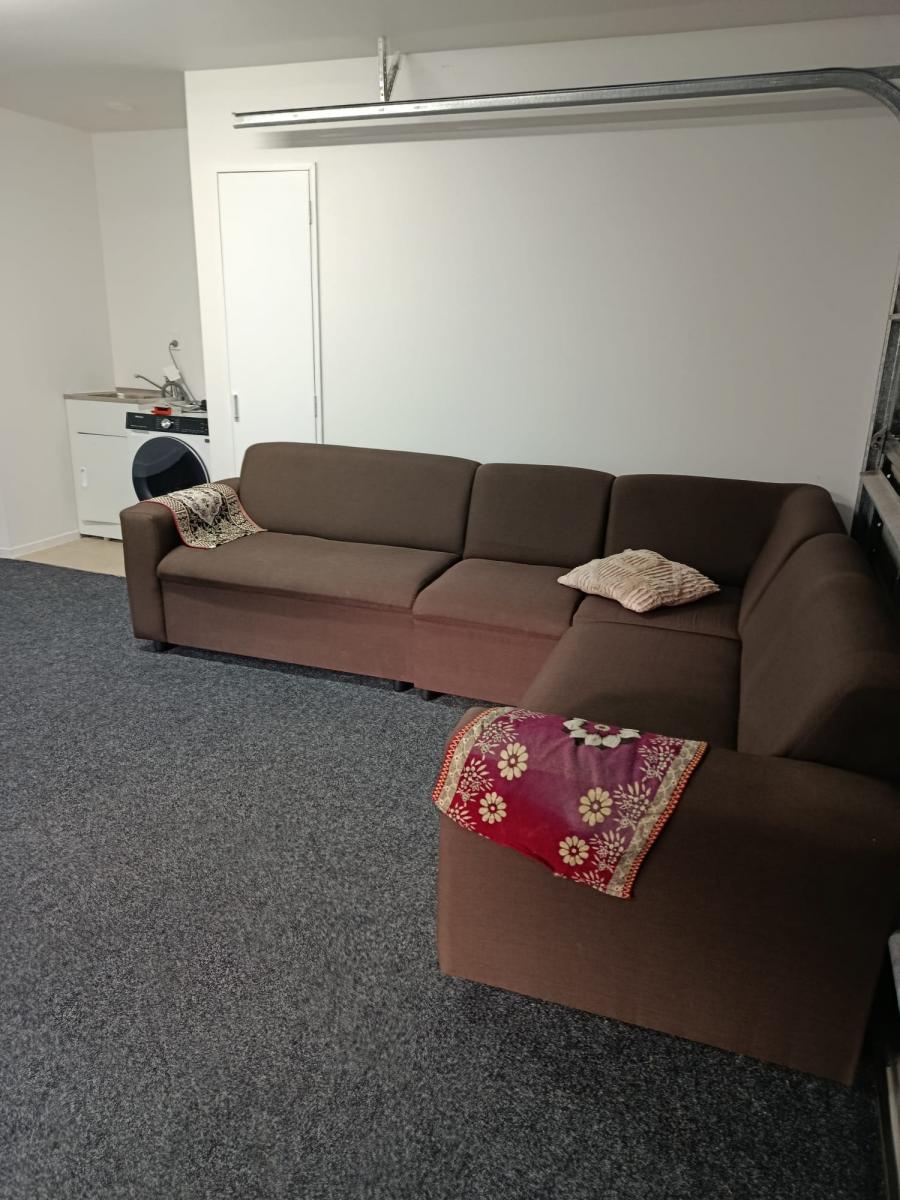
🌿 Beautiful Private Space Available for Rent – Perfect for 2 Girls or a Couple 🌿
Located in the peaceful and family-friendly suburb of Lynfield, this warm and welcoming home offers a comfortable living space in a highly sought-after top school zone.
✨ What’s Included:
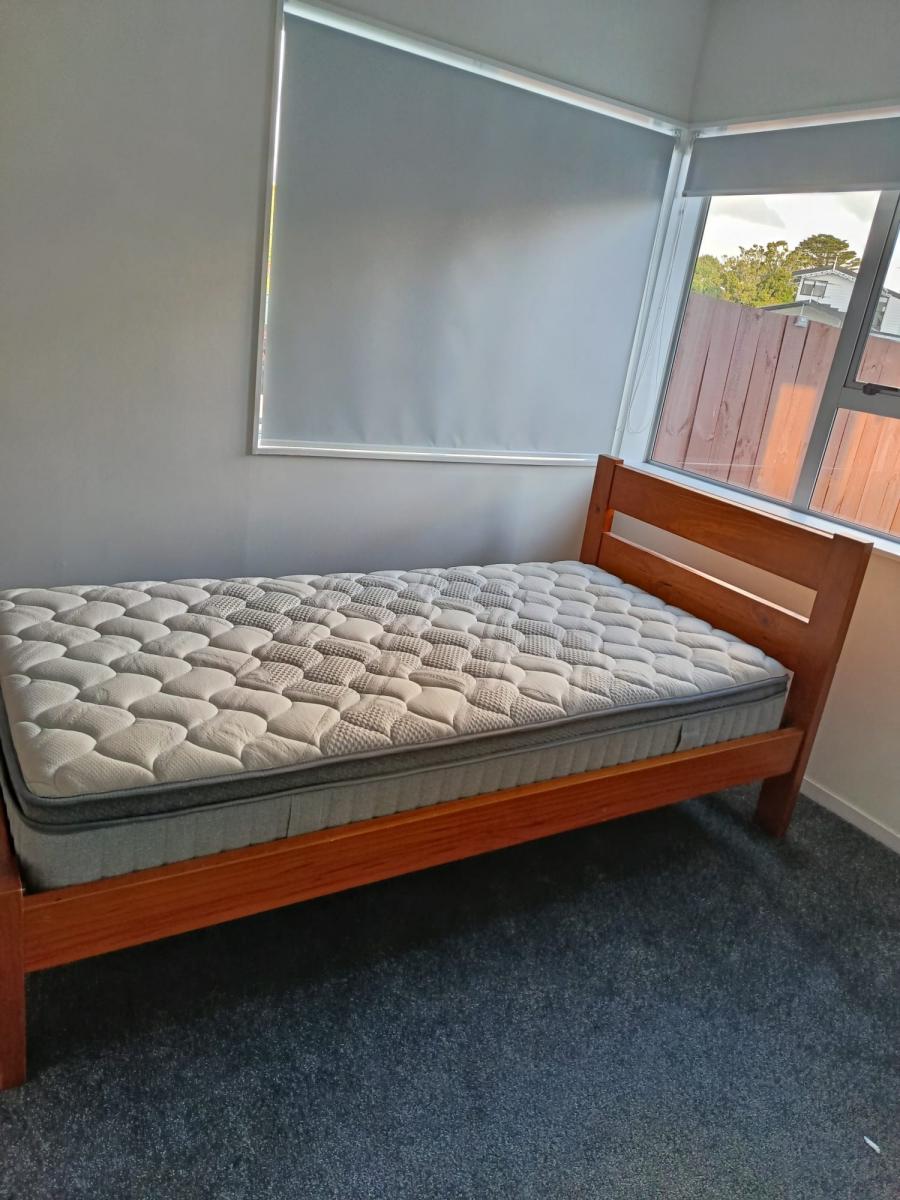
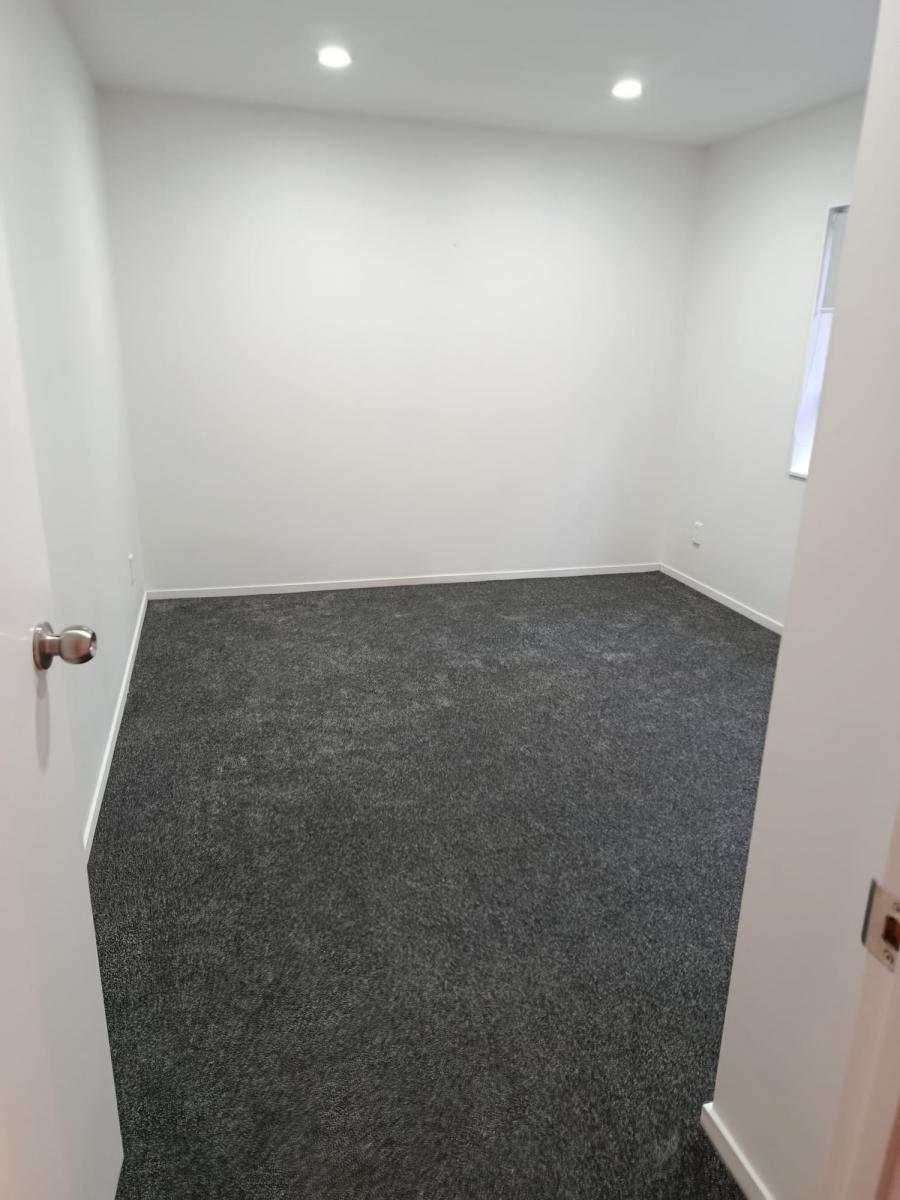
🏡 2 Spacious Bedrooms
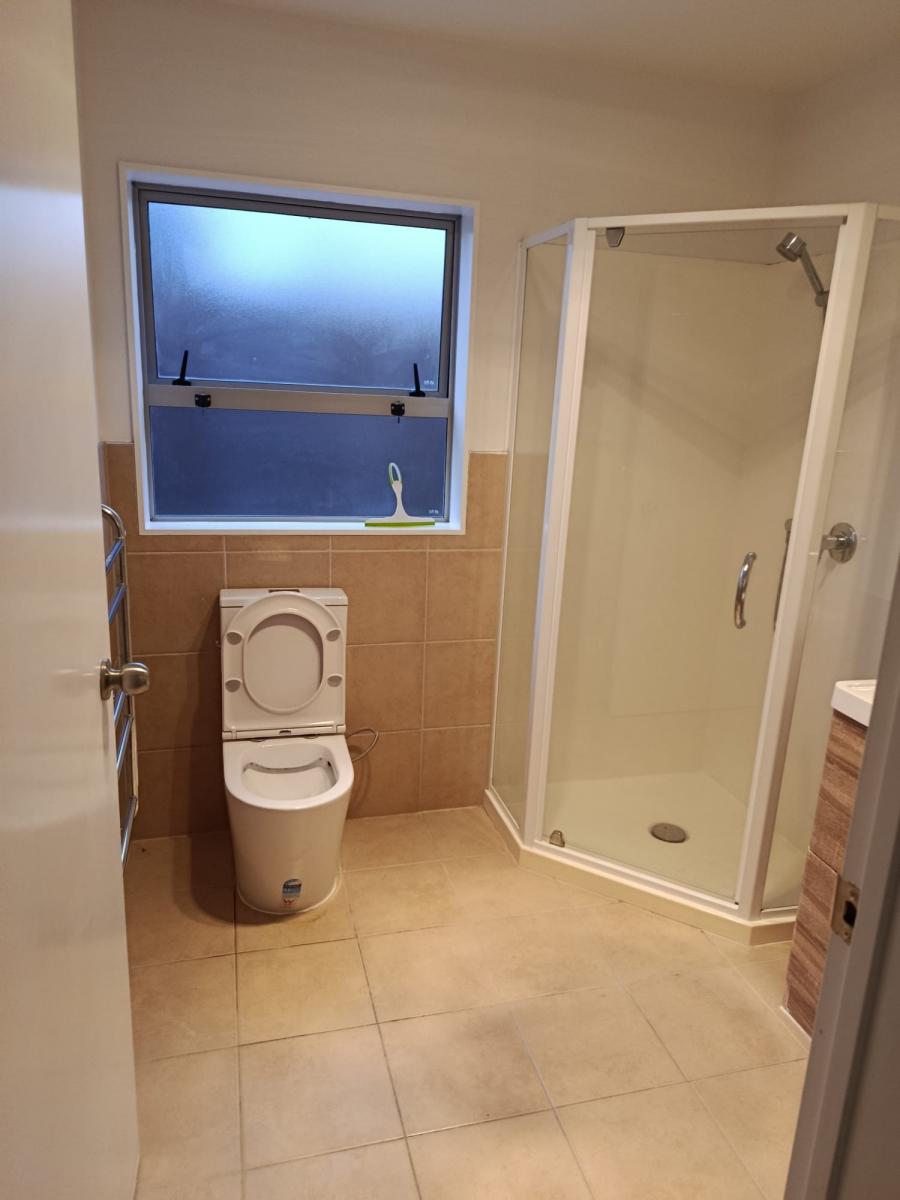
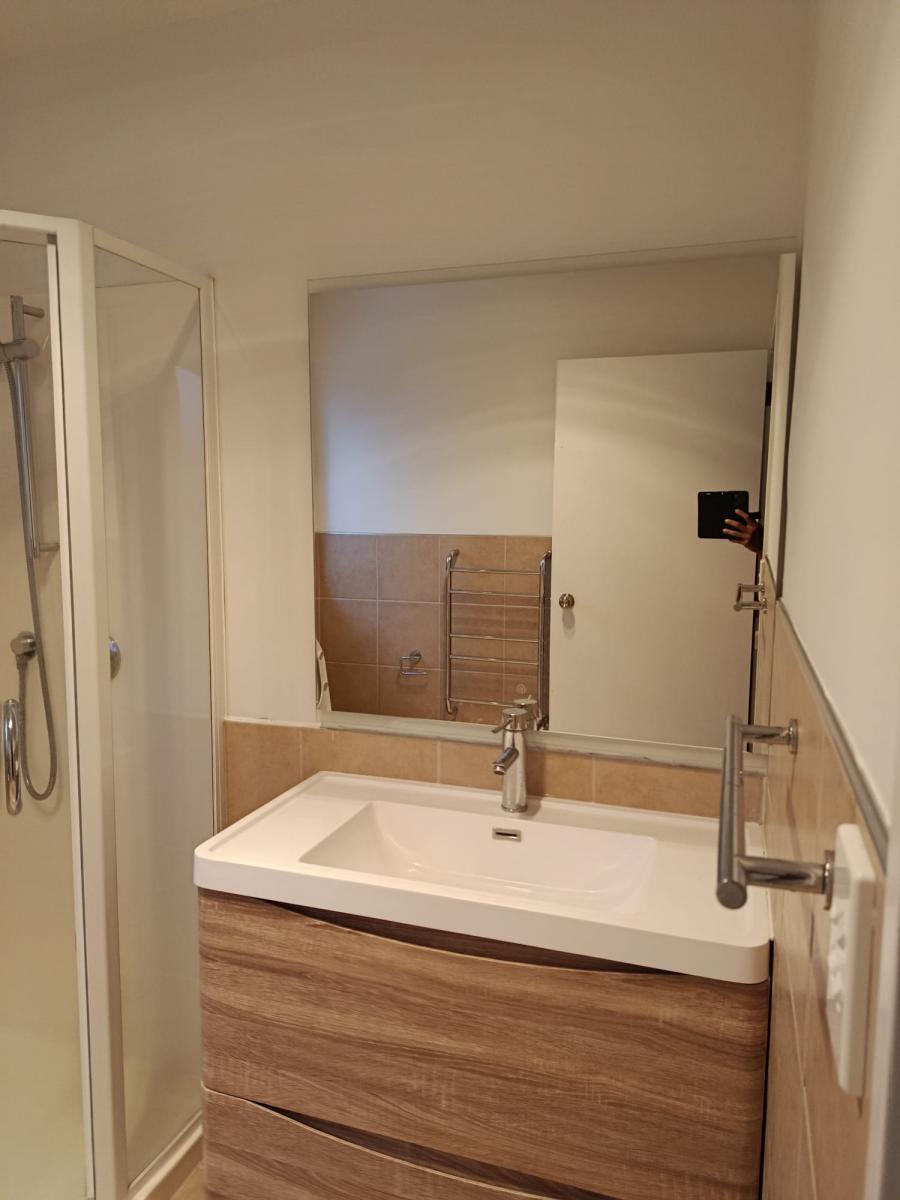
🛁 Private Bathroom
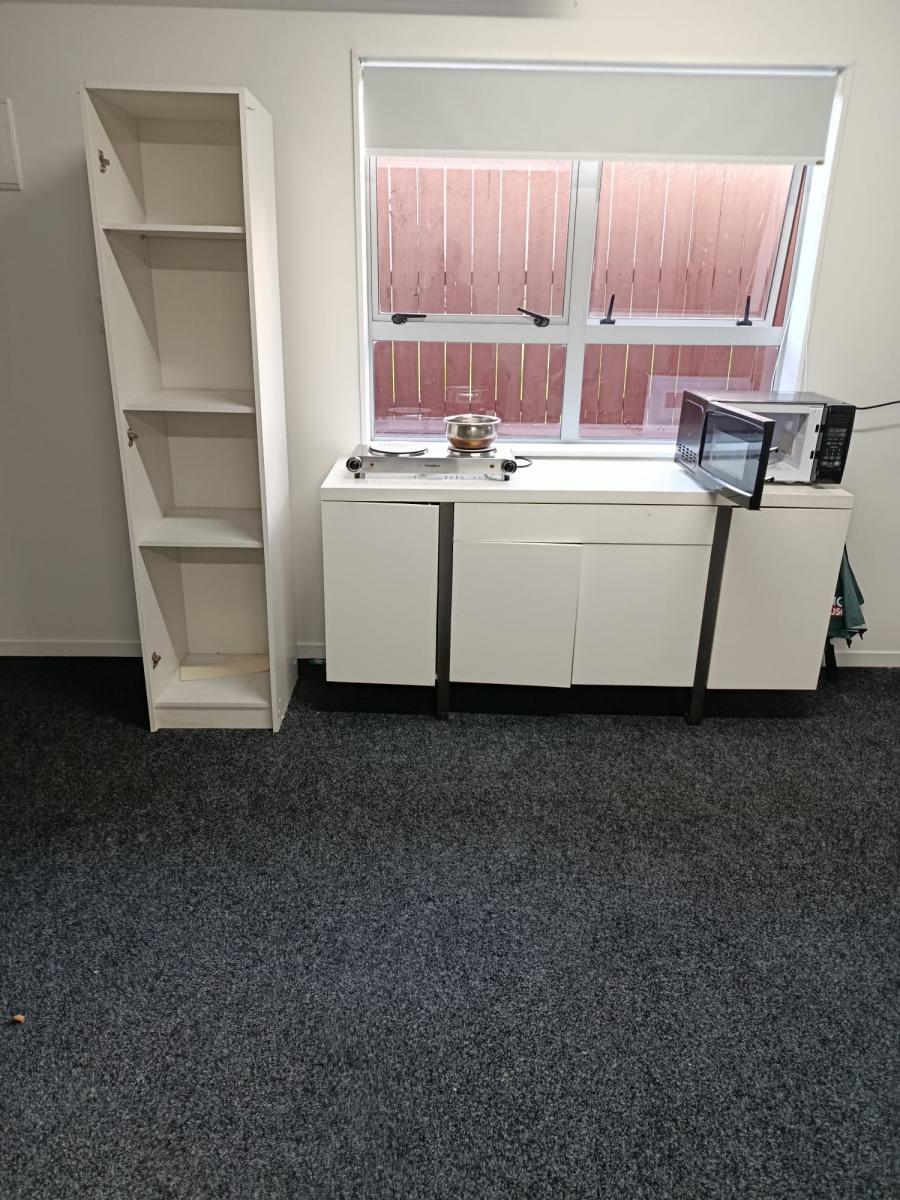
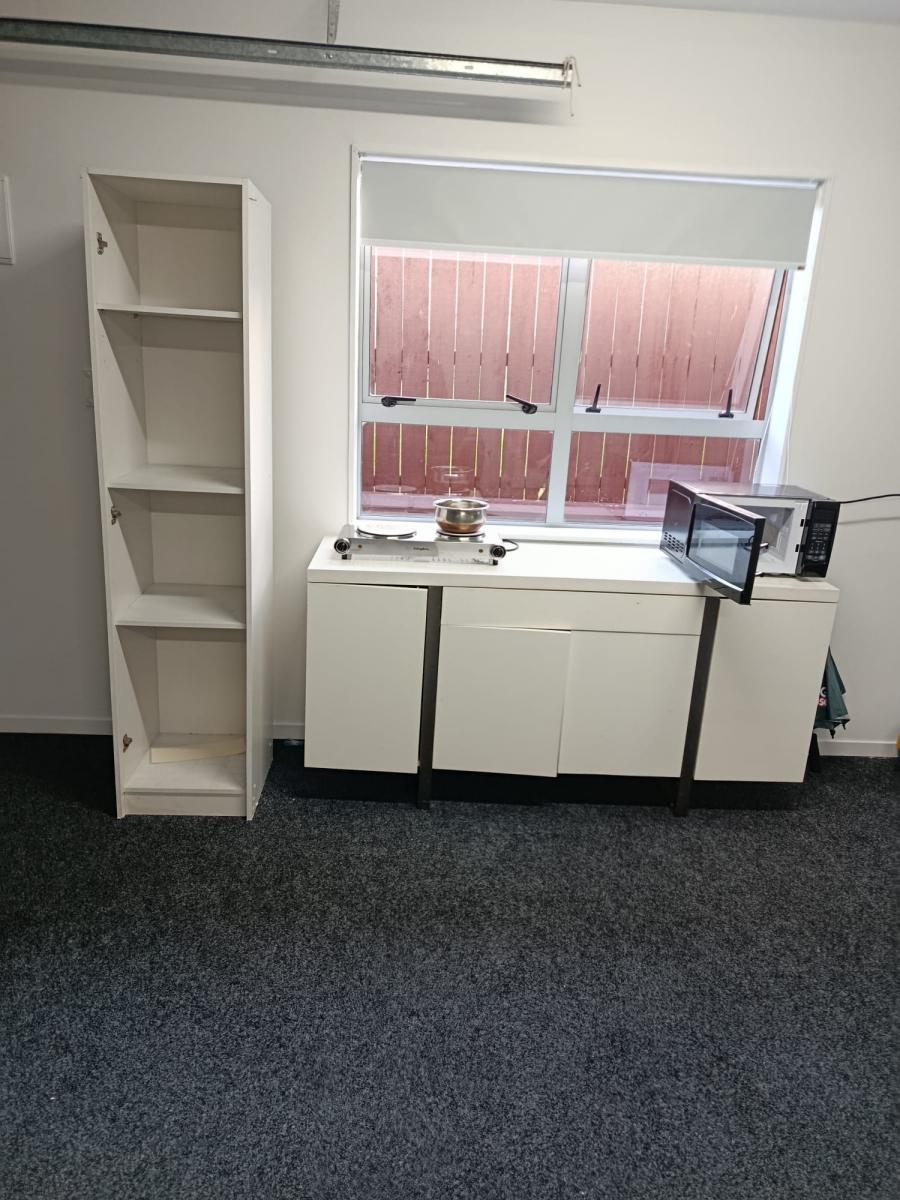
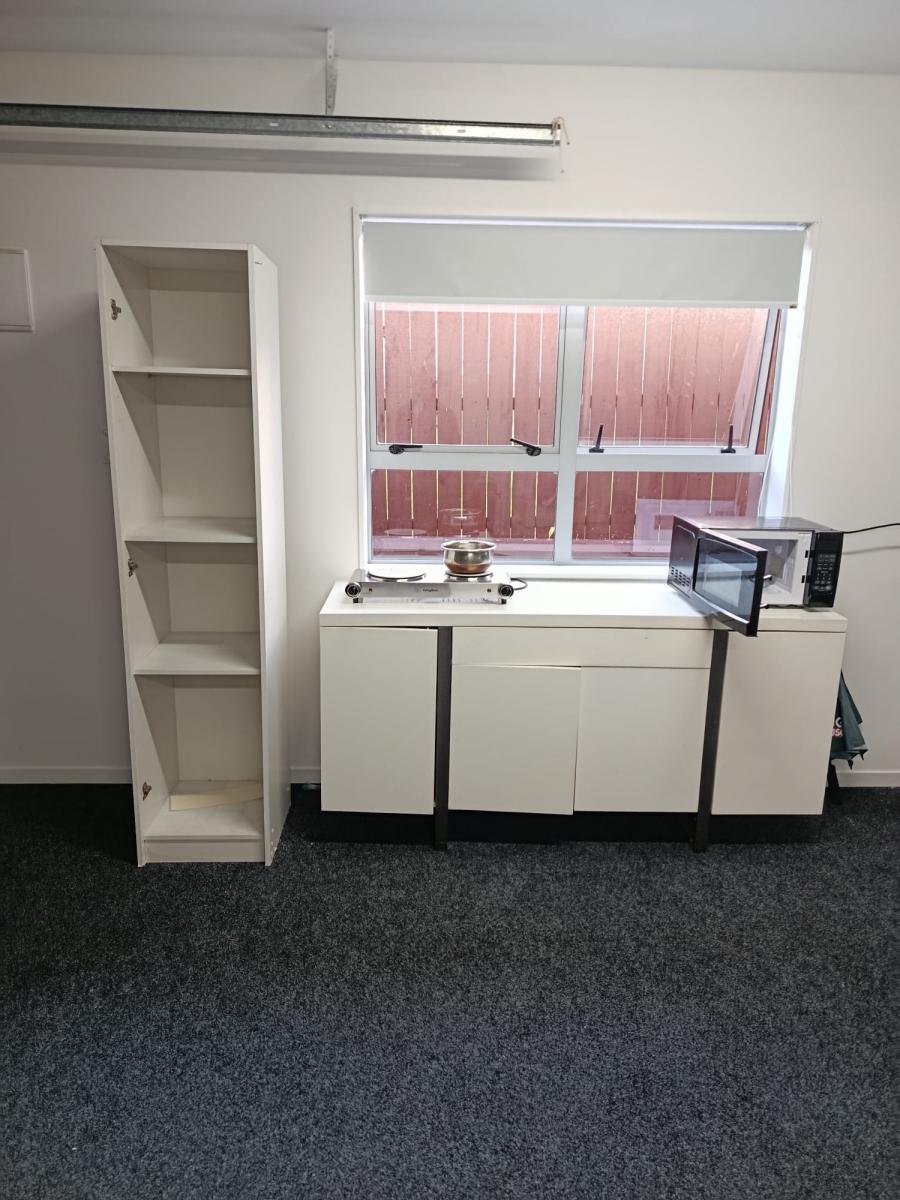
🍳 Separate Kitchen
🛏️ 1 Bed with Mattress
🔥 Stove
📟 Microwave
Unlimited WiFi included
✔ Power & water included
✔ Bus stop in front of the house
✔ Nearby shops and supermarkets
This setup is ideal for two girls or a couple looking for a quiet, safe, and relaxed place to call home.
🌸 Enjoy living in a serene neighbourhood with a friendly community atmosphere, while still being conveniently close to schools, shops, and transport.
If you're looking for comfort, privacy, and a peaceful lifestyle — this could be your perfect new home 💛
📍 Location: Lynfield, Auckland
📩 Message for more details or to arrange a viewing. For couple $450 for one bedroom. $600 for the 2 bedroom and kitchen and bathroom. Feel free to contact me on 022-422-0145 for any other details


Wills and Luxon are screwing the country to please the oil and gas industry.
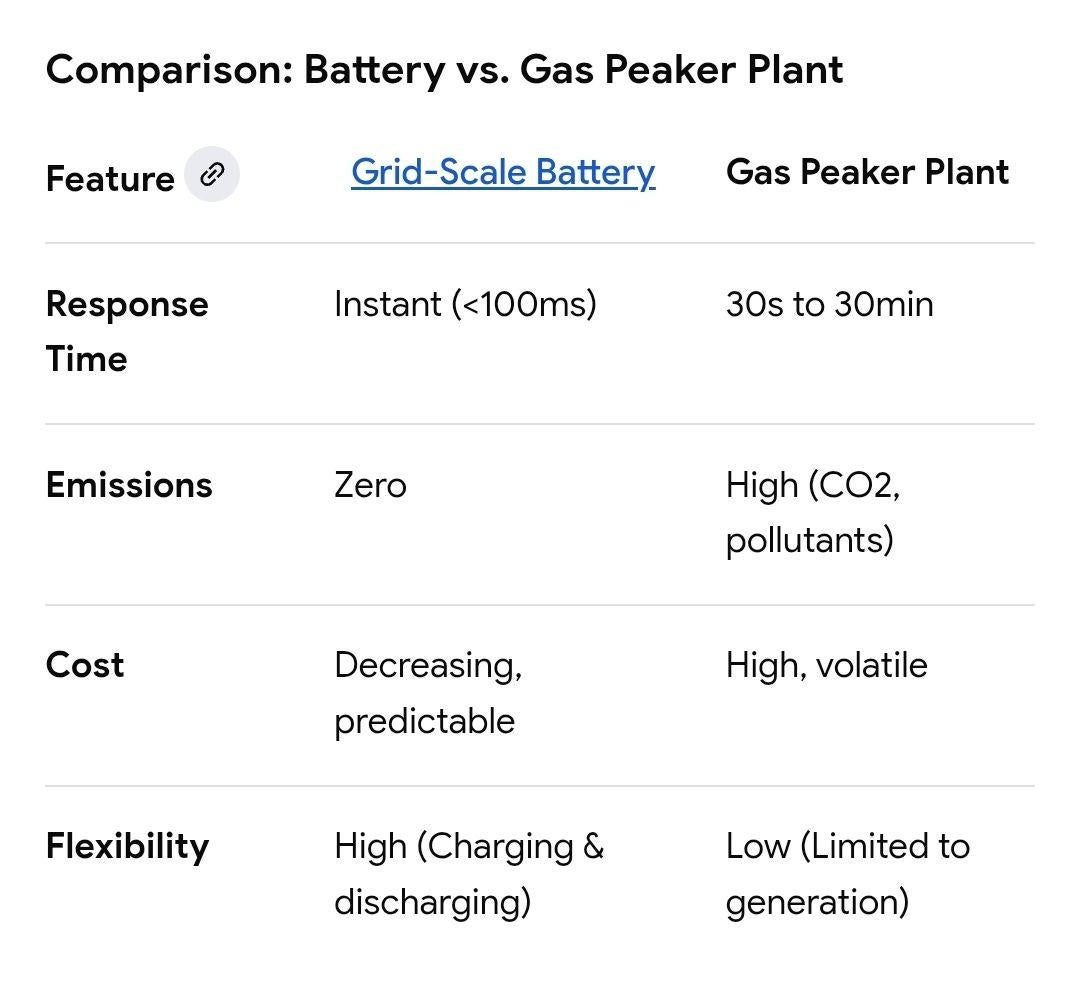
Today the smart investment is in battery peaker plants in combination with solar and wind, or with any other renewable generation capacity during low demand times.
Gas is expensive and will get more so over time.
Let's not forget that Nicola Willis' dad is a big time oil and gas investor, lobbyist, and industry insider.
Maybe this should be posted in ‚Crime & Safety‘?
 Loading…