






Sales season is on – here are 10 things stores must not do
Peak sale season is here. Labour Weekend marks the start of the big sales period and, after Monday, you can expect Black Friday advertising to be in full swing. Those sales will morph into the December pre-Christmas sales. And then advertising will start for the Boxing Day sales before the big day has even happened.
During all these sales, there are some rules that stores must follow.
Sales rules
We’ll be on the lookout for any rule-breakers over the next few months. If you spot any stores doing any of the 10 things listed below, we’d love you to send us a pic to info@consumer.org.nz.
Here’s what they cannot do.
=======================
1. Use sales prices that aren’t that special
A sale must be a genuine opportunity for consumers to buy a product at a discounted price for a short period. If a business continually sells a product at a discounted price, then that’s the usual selling price – not a sale price.
Rather than assuming a sale price is a good deal, check PriceMe and PriceSpy to see what the product usually sells for. Both websites track the price of products, making it easy to see if you can snaffle a bargain.
2. Exaggerate the discount
When a retailer compares a sale price with a previous price (for example “was $100, now $50”), the "was" price must be the true price the goods were sold at for a reasonable time.
The retailer also should not inflate the normal price of a product, knowing it won’t be bought at that price, only to discount it to get sales.
3. Use “clearance” on products that are coming back after the sale
Clearance sales create a sense of urgency. They should only be used for clearing stock. You shouldn’t see clearance stock back on the shelves at full price after the sale has ended.
4. Charge more than the advertised price
The price displayed should be the final price you’ll be charged. So, it can’t be before GST or have any other unavoidable amounts added on later. Stores can’t bury these extra charges in the fine print, and they can’t say “conditions apply” either.
Sometimes, a retailer might make a genuine pricing mistake, like listing a $2,000 TV for just $200 in a catalogue. They’re not legally obligated to honour the price if it’s an honest mistake. But deliberately or repeatedly putting up the wrong price is illegal.
5. Bait advertise
Retailers can’t advertise a product at a great price to lure in customers when there’s not enough in stock to sell for a reasonable period. This is called bait advertising as the customer has been lured in and might then buy a more expensive item.
6. Only have limited stock at advertised discount prices
Stores can’t make a sale look better than it is. They can’t use sweeping statements like “up to 50% off” or “prices from $5” if they only have a few products at that price. Stores should instead advertise the most common saving. The Commerce Commission suggests “up to 50% off – most items 30% off”.
7. Say there is no return on sale items
You still have the right to return sale items if they:
aren’t of acceptable quality
aren’t fit for purpose
don’t match their descriptions.
This applies even if there is a sign instore or a line on a website about a product being on “final sale”.
The only exception is if the fault was made clear to you before you bought the item. For example, the sales tag for a dress lists a small hole on the right sleeve. However, you can still return an item if it has another unidentified fault.
8. Give only store credit on returned faulty items
If you’re returning a product because it’s not of acceptable quality, you don’t have to accept a gift card or store credit in its place. The Consumer Guarantees Act (CGA) makes it clear you can get a refund.
If the store is letting you return it for a different reason though – say you changed your mind – they can offer store credit.
9. Put a time limit on the return of faulty items
Retailers can’t make up a time limit for how long you can take to return a faulty product. The CGA doesn’t set a limit, so a retailer is misleading you if they tell you otherwise.
Whether an item is of acceptable quality or not will depend on what a reasonable consumer would think was acceptable. For example, you would expect a top-end product to last longer than a very cheap one.
10. Make claims like “cheapest” without evidence
Claims like these give shoppers the impression they don’t need to go anywhere else to compare prices. Shops need to ensure these claims are accurate and that they can support the claim.
========================================================

Poll: 🤖 What skills do you think give a CV the ultimate edge in a robot-filled workplace?
The Reserve Bank has shared some pretty blunt advice: there’s no such thing as a “safe” job anymore 🛟😑
Robots are stepping into repetitive roles in factories, plants and warehouses. AI is taking care of the admin tasks that once filled many mid-level office jobs.
We want to know: As the world evolves, what skills do you think give a CV the ultimate edge in a robot-filled workplace?
Want to read more? The Press has you covered!

-
52.7% Human-centred experience and communication
-
14.7% Critical thinking
-
29.6% Resilience and adaptability
-
2.9% Other - I will share below!
Room for rent
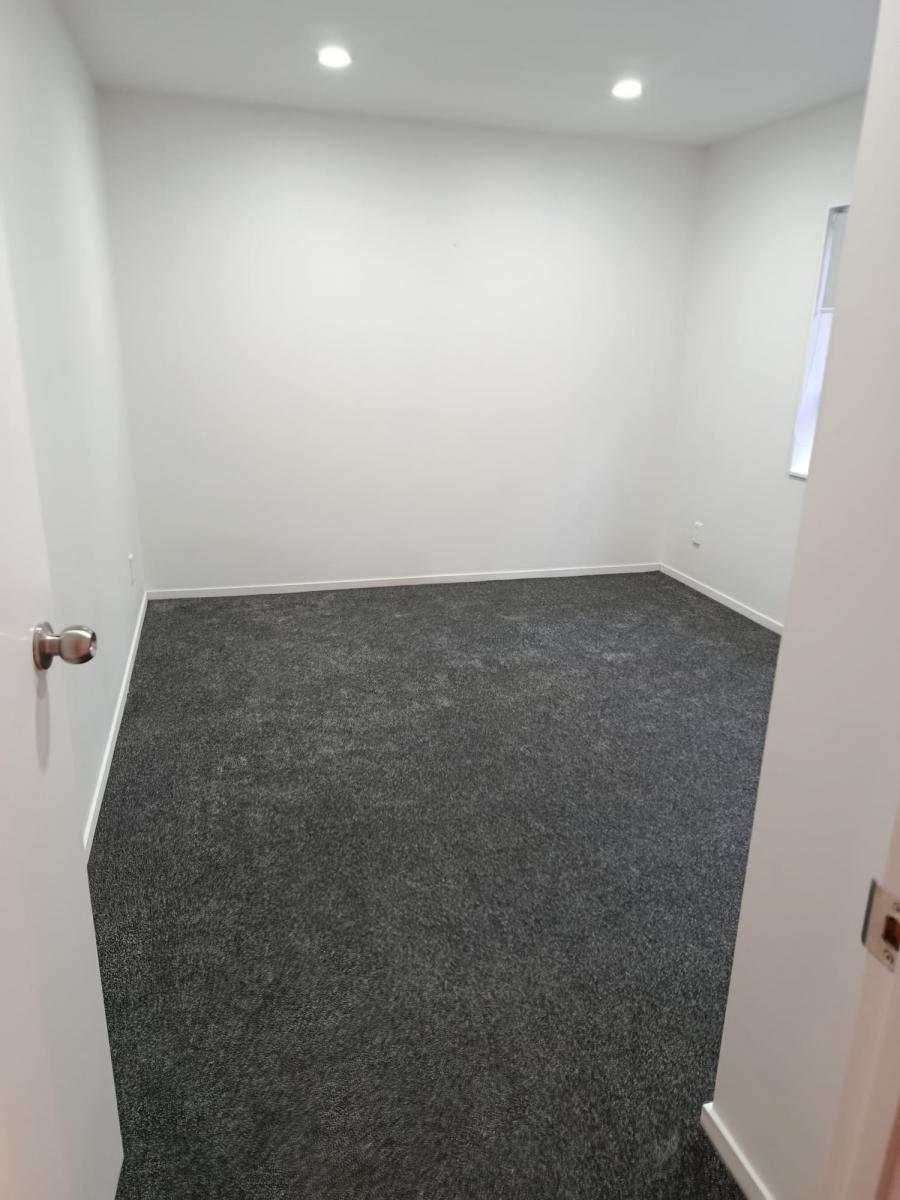
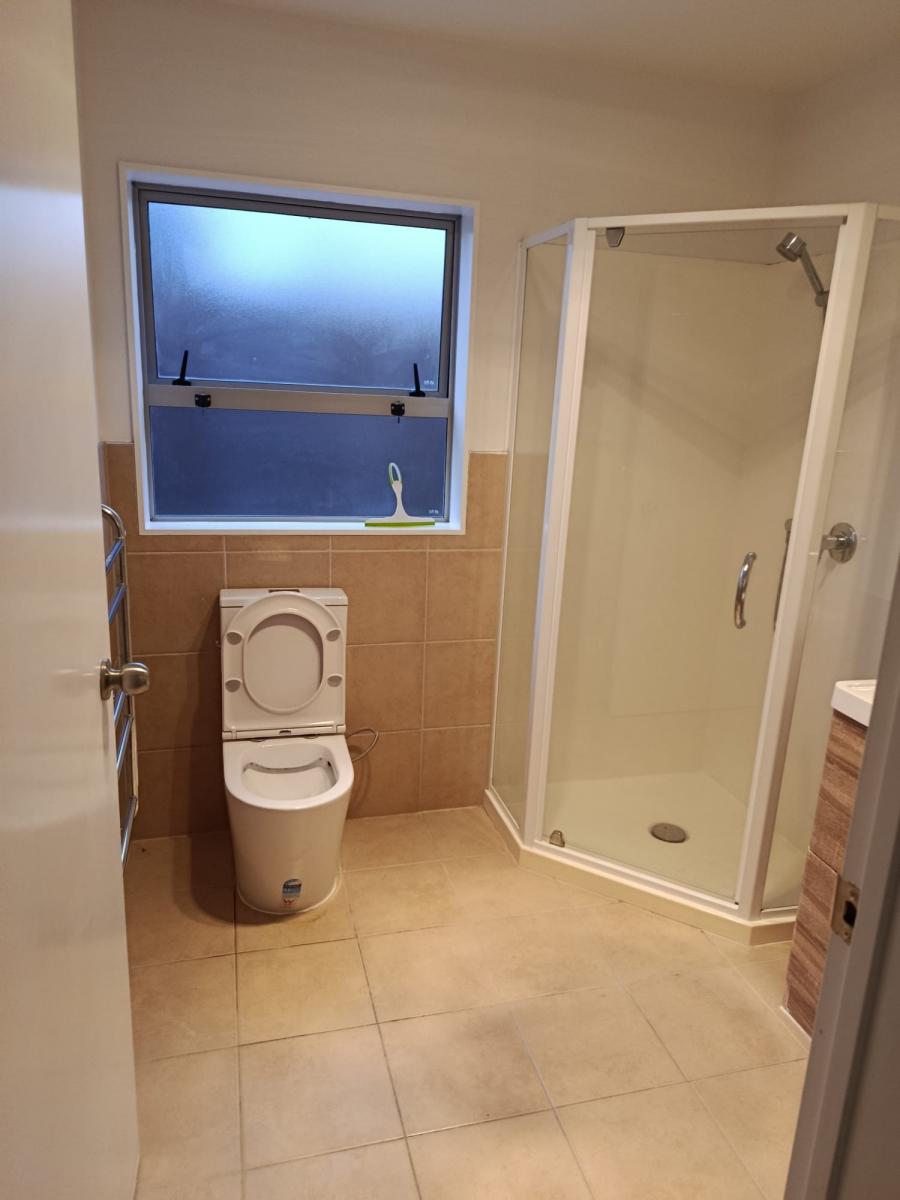
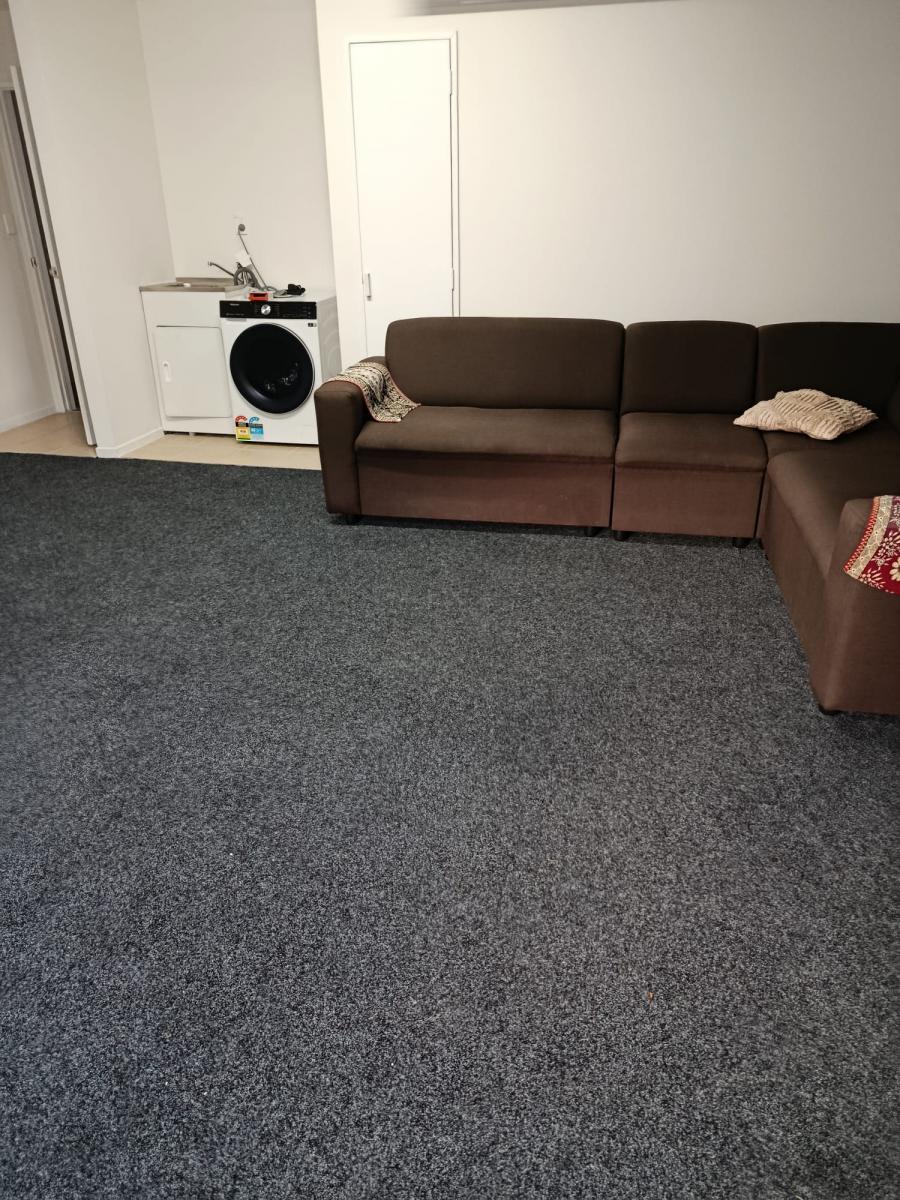
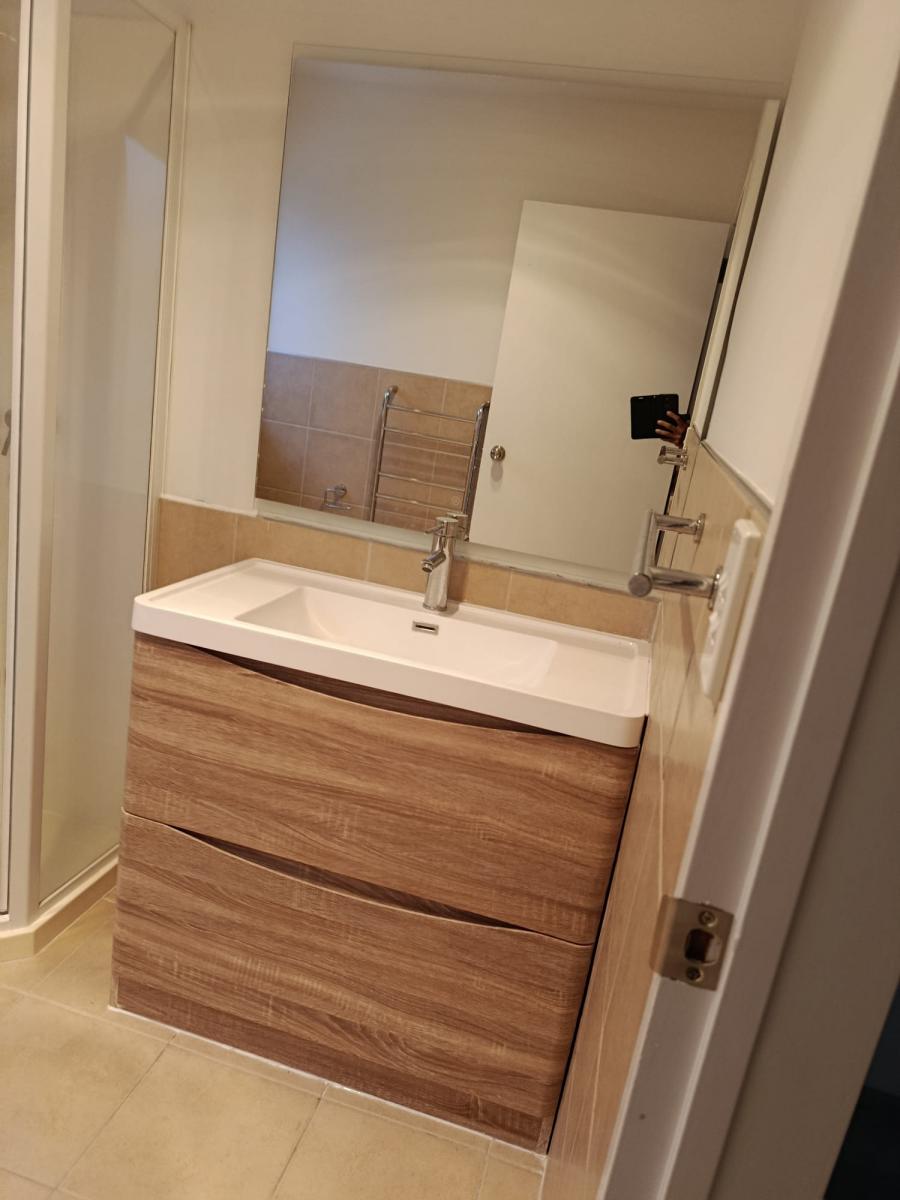
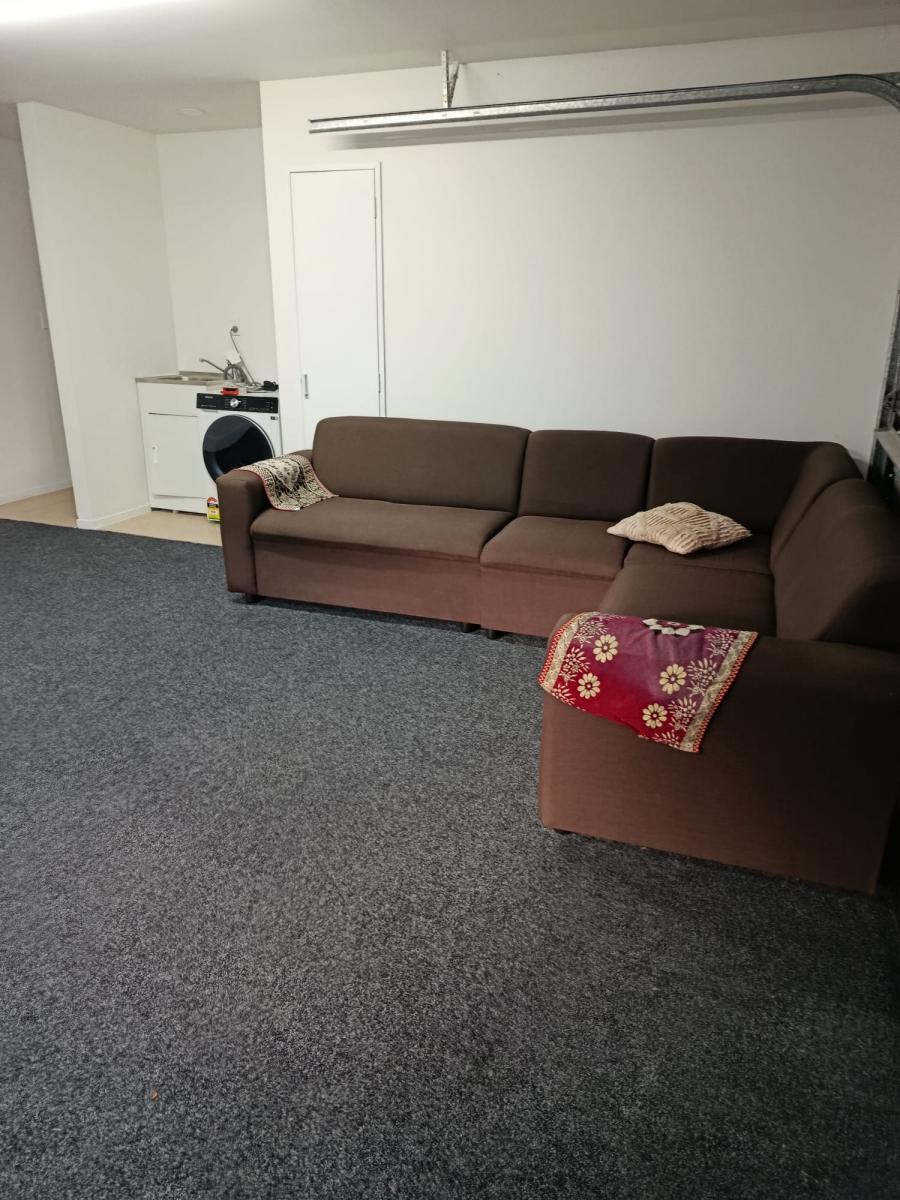
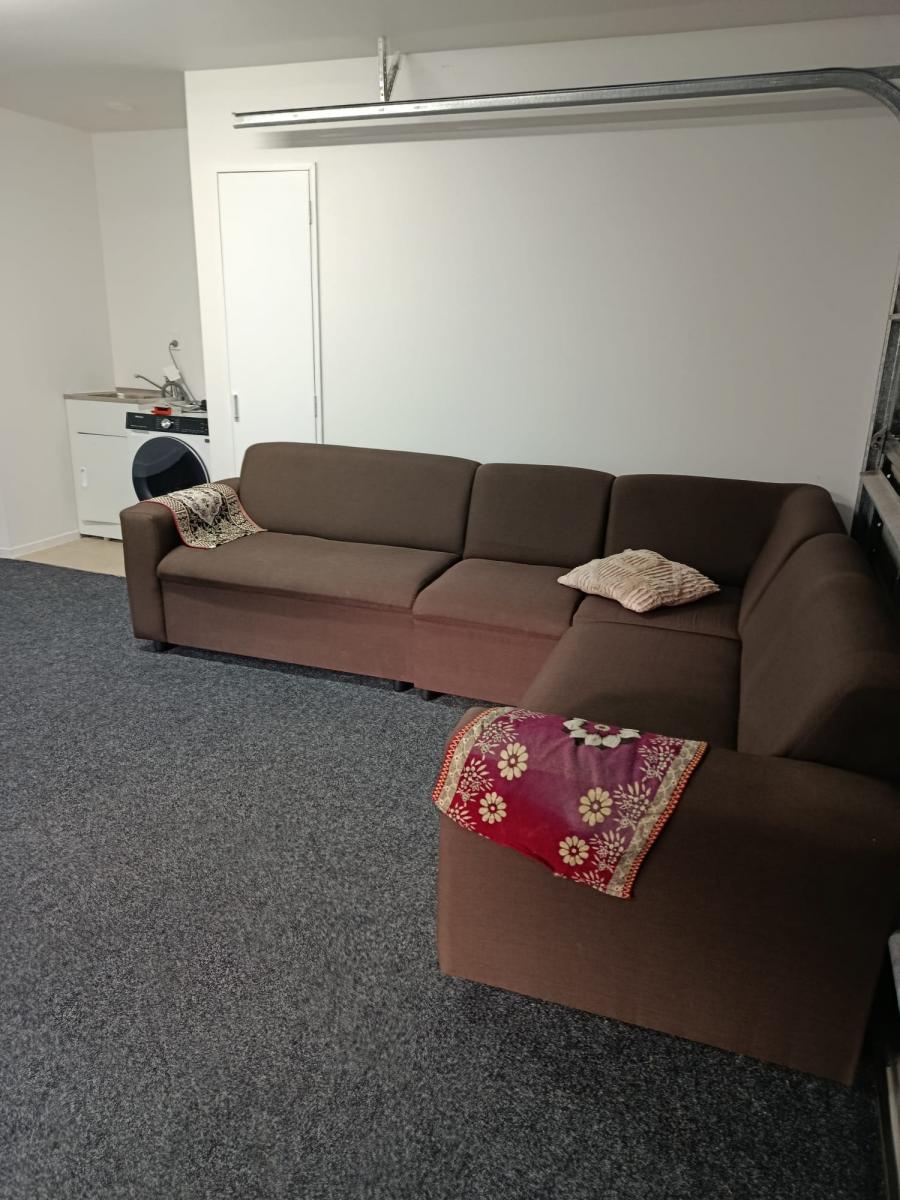
🌿 Beautiful Private Space Available for Rent – Perfect for 2 Girls or a Couple 🌿
Located in the peaceful and family-friendly suburb of Lynfield, this warm and welcoming home offers a comfortable living space in a highly sought-after top school zone.
✨ What’s Included:
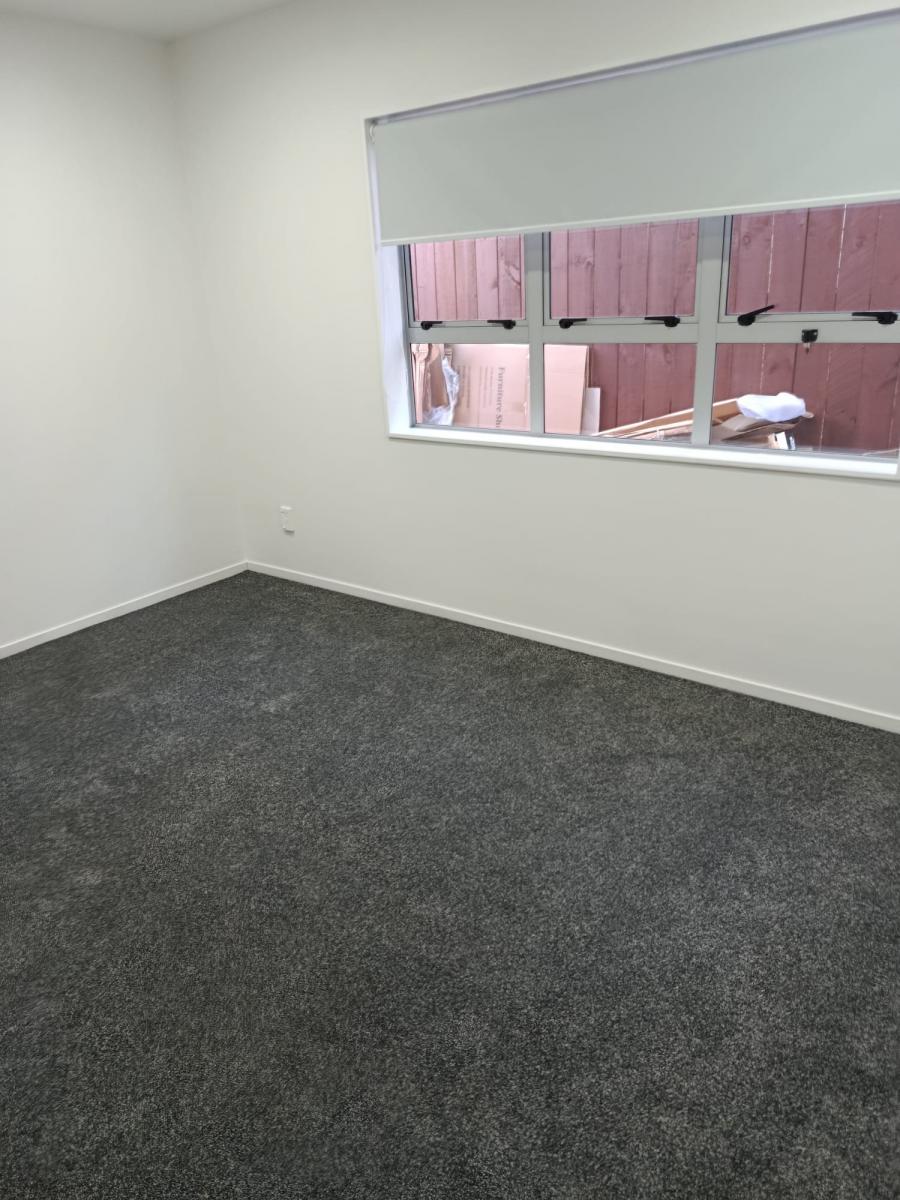
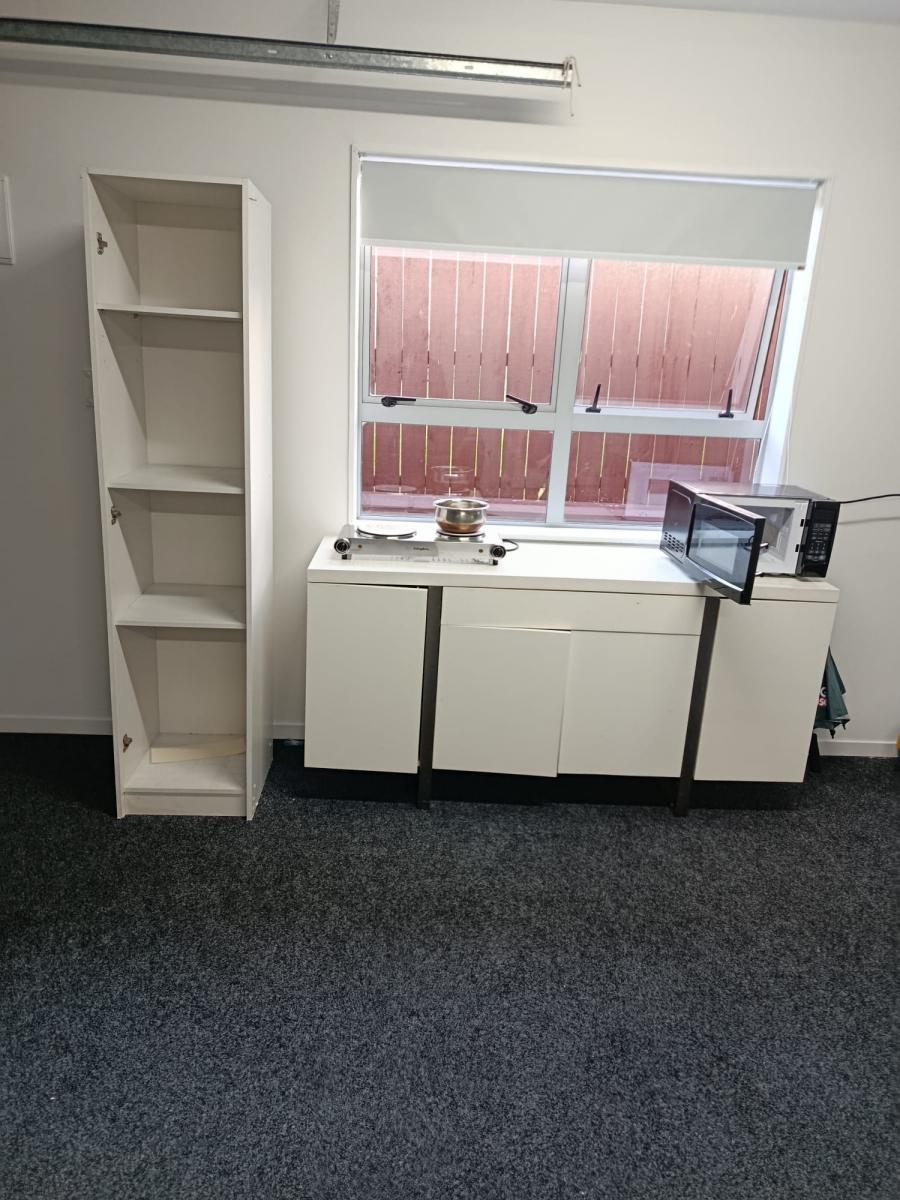
🏡 2 Spacious Bedrooms
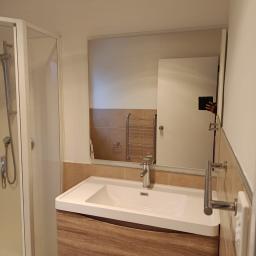
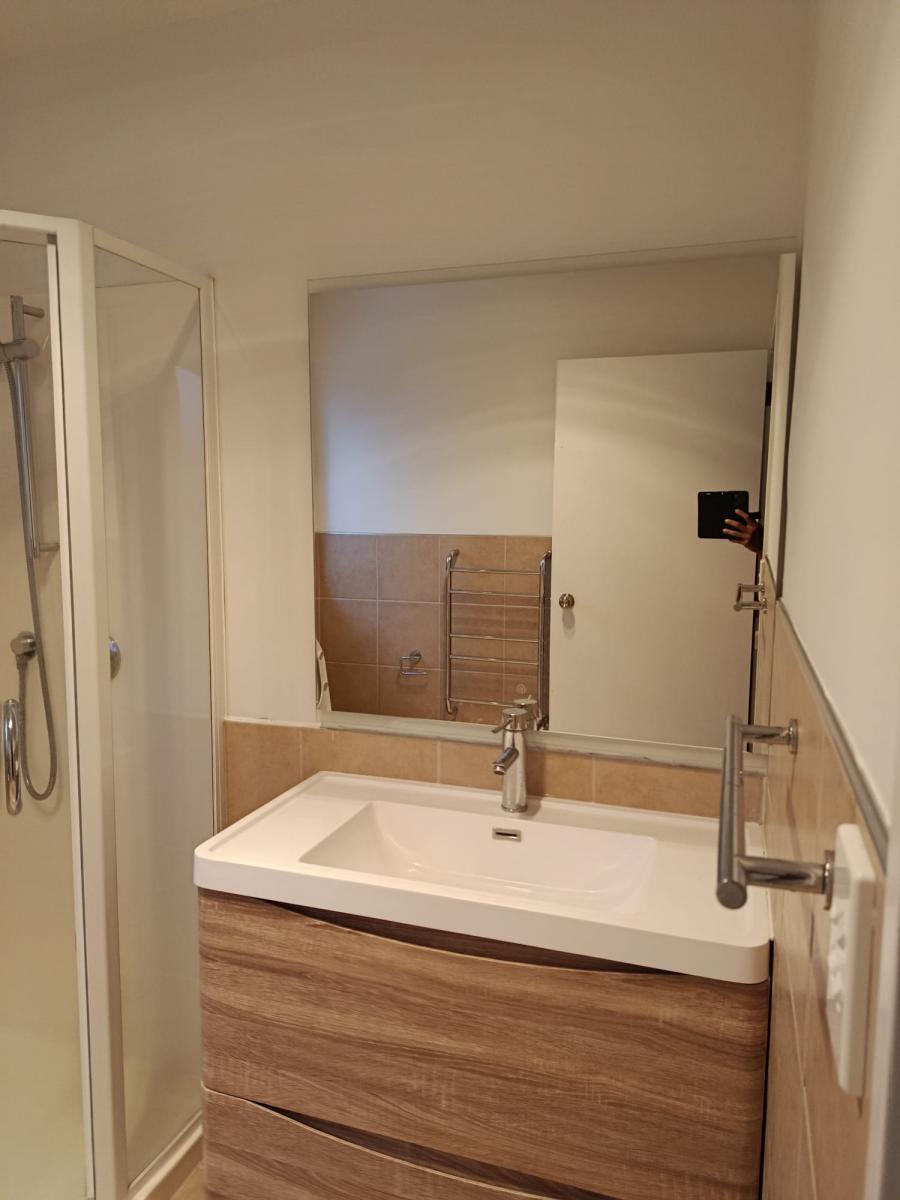
🛁 Private Bathroom
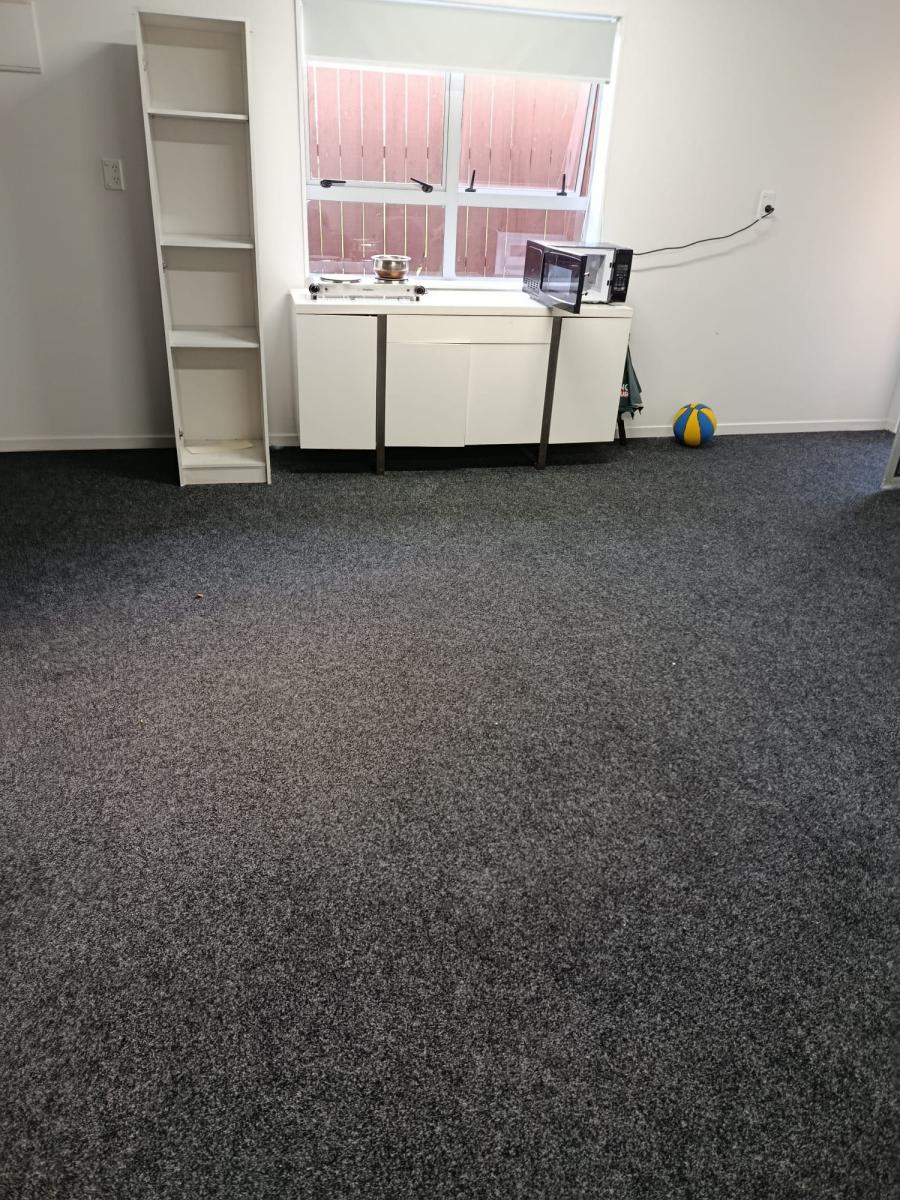
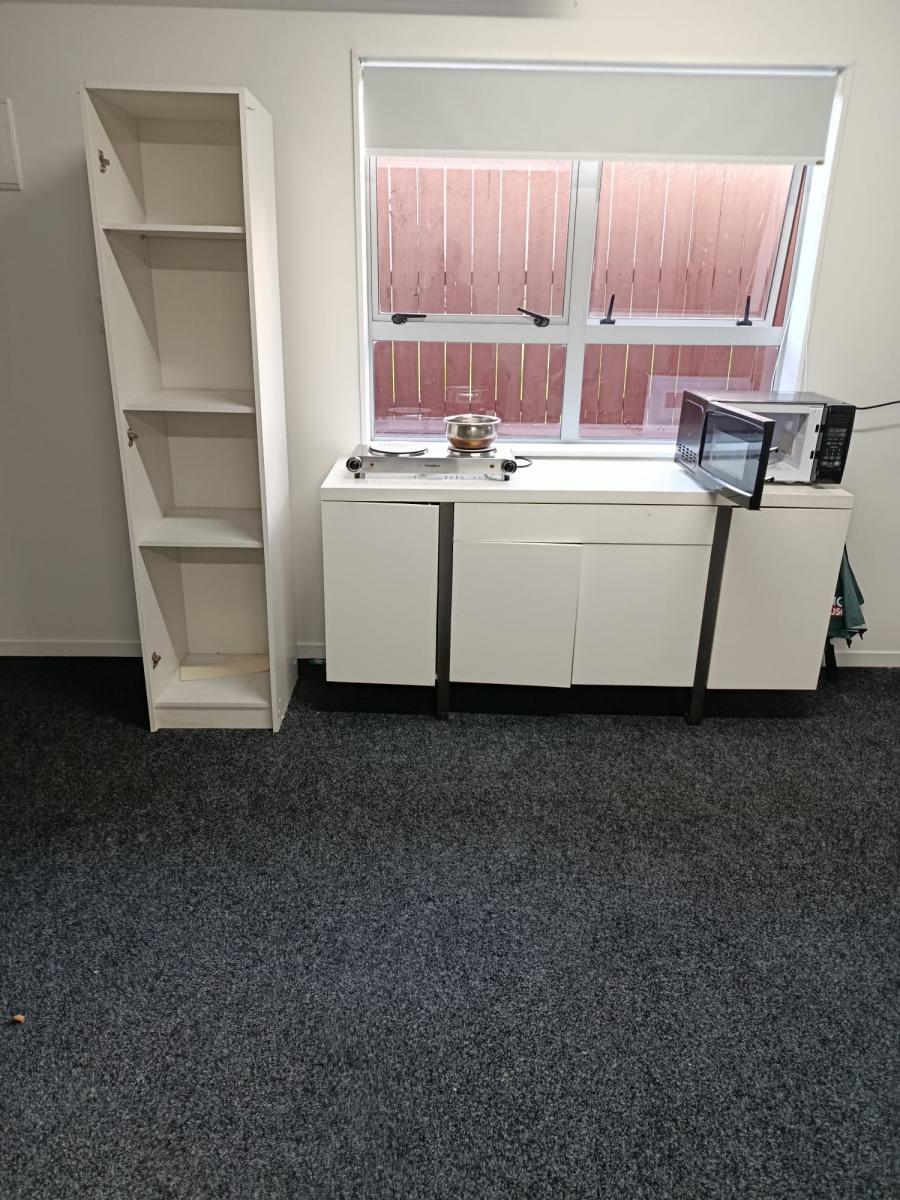
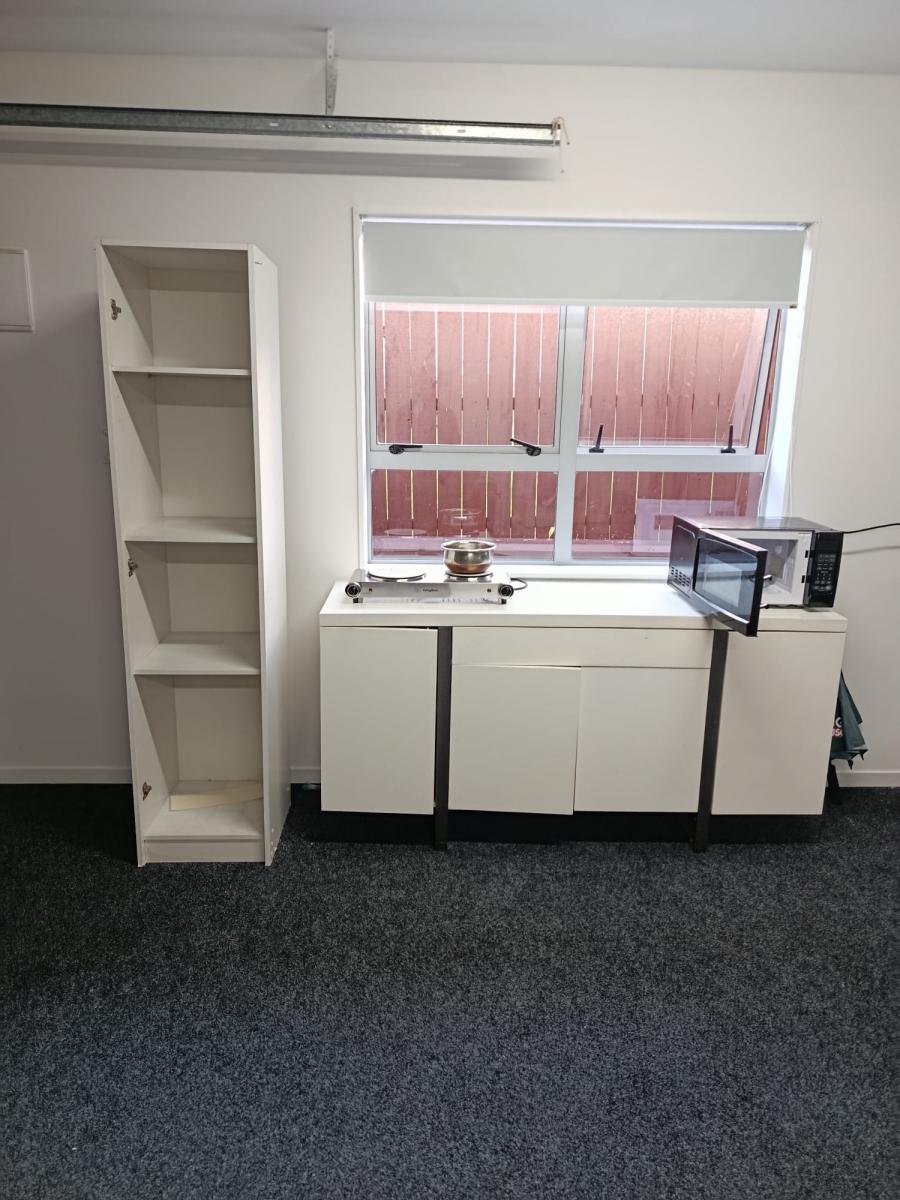
🍳 Separate Kitchen
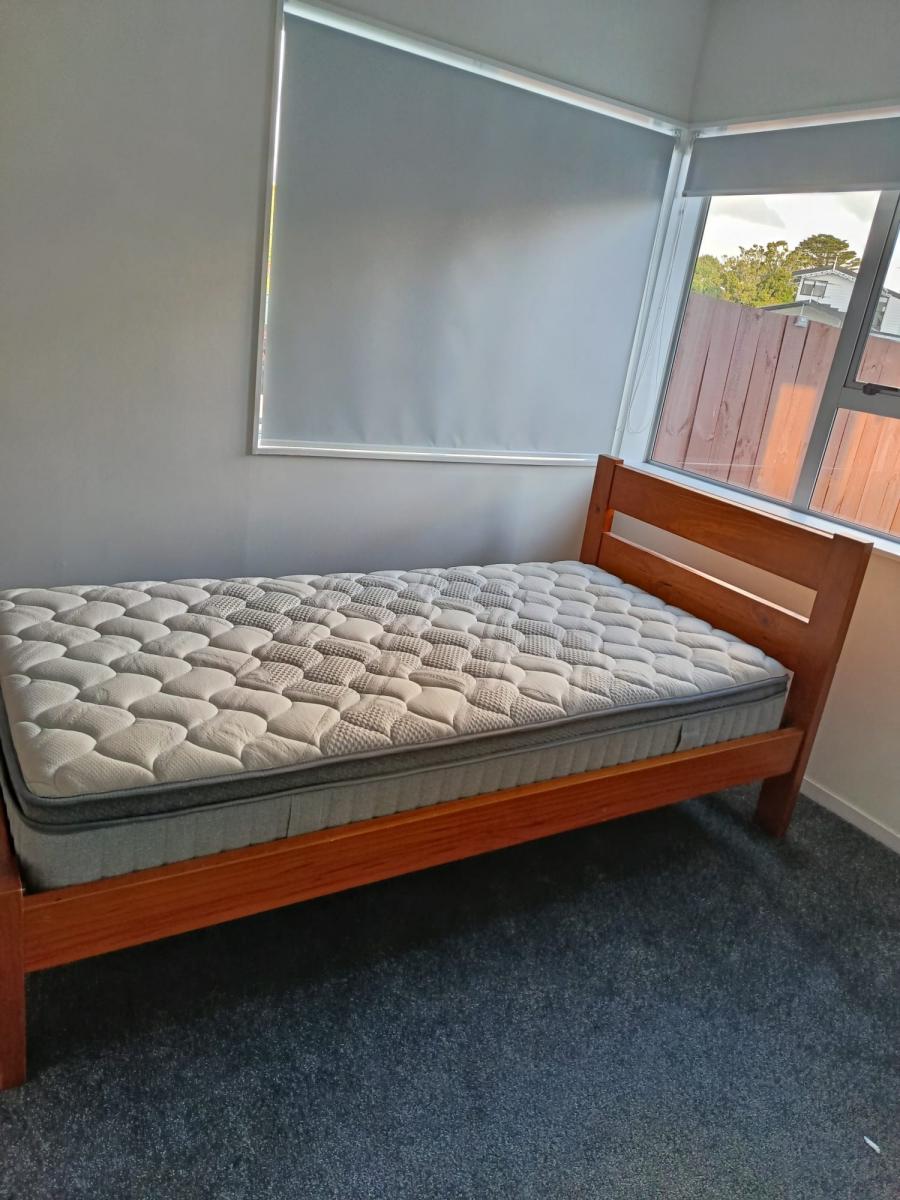
🛏️ 1 Bed with Mattress
🔥 Stove
📟 Microwave
Unlimited WiFi included
✔ Power & water included
✔ Bus stop in front of the house
✔ Nearby shops and supermarkets
This setup is ideal for two girls or a couple looking for a quiet, safe, and relaxed place to call home.
🌸 Enjoy living in a serene neighbourhood with a friendly community atmosphere, while still being conveniently close to schools, shops, and transport.
If you're looking for comfort, privacy, and a peaceful lifestyle — this could be your perfect new home 💛
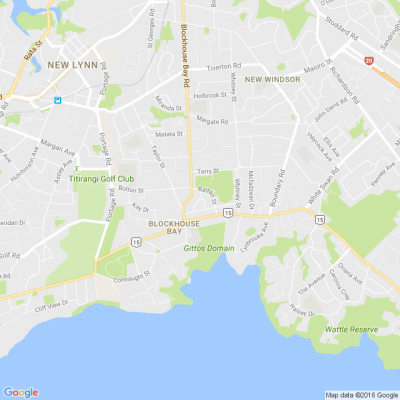
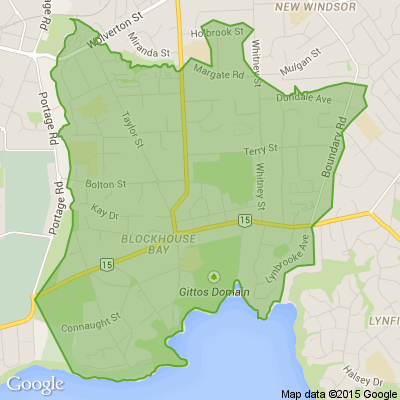
📍 Location: Lynfield, Auckland
📩 Message for more details or to arrange a viewing. For couple $450 for one bedroom. $600 for the 2 bedroom and kitchen and bathroom. Feel free to contact me on 022-422-0145 for any other details

Wills and Luxon are screwing the country to please the oil and gas industry.
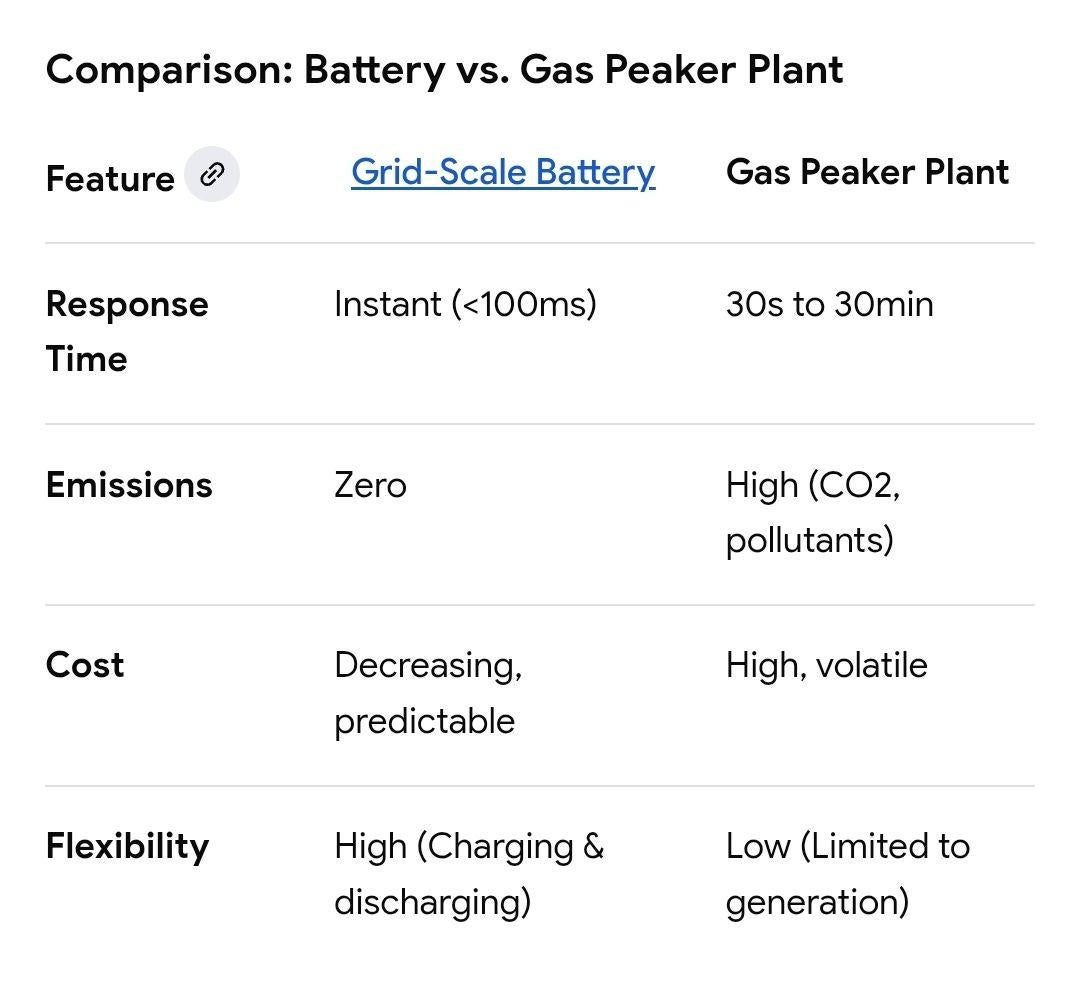
Today the smart investment is in battery peaker plants in combination with solar and wind, or with any other renewable generation capacity during low demand times.
Gas is expensive and will get more so over time.
Let's not forget that Nicola Willis' dad is a big time oil and gas investor, lobbyist, and industry insider.
Maybe this should be posted in ‚Crime & Safety‘?
 Loading…