






What to do if you can’t get a GP appointment
Getting an appointment with your GP seems more difficult than ever. Who else can you call when you’re sick?
In the latest Consumer NZ Sentiment Tracker survey, 43% of respondents identified healthcare as a key issue – up from 39% in January 2025, and 23% a year ago. Healthcare is now the second biggest concern on New Zealanders’ minds, behind only cost of living worries.
For many, that concern starts when it comes to booking an appointment to see a doctor. Here, we explain what’s going on with general practitioners (GPs), and outline what you can do if you can’t get an appointment this winter.
Our current system is "broken, unfair and unmanageable”
=============================================
Katrina* tells me that if she wants to see her own GP, it might take 5 or 6 weeks of waiting. If she needs to see a doctor urgently, she’ll call early in the morning. The staff there take some time to triage, so she’s got to wait by the phone.
“If you miss the call, you don’t get a second chance. The problem is, you don’t know if you’re going to get a call before the clinic closes.”
These urgent appointments aren’t with her usual GP. They’re with another GP or nurse practitioner, which Katrina points out, means they probably won’t know you.
“That’s okay, because you’re getting treatment, and it would be the same at an ED, but if you’ve built up a relationship and trust with your doctor sometimes there can be uncertainty with a stranger.”
For Susan, it takes about 4 weeks to see her doctor. If she’s sick, sometimes she can get a same-day appointment. But only if she calls in time. “If I leave it just 5 minutes past their opening time, I miss out.”
It’s just over a 3-week wait for Niki, a month for Trish and 3 months for Mike. They’re all Consumer supporters who reached out to us about their experiences navigating the heath system. Some supporters said they only wait for a day or two to see their GP, but many said they’re aware how rare this is.
The squeezed system isn’t just affecting patients. Mai* used to be a receptionist at a GP practice in Dunedin, providing the first point of contact for patients.
“We would often bear the brunt of some really unpleasant and often frustrating abuse from patients in the waiting room,” she says.
Several factors are causing waiting patients to feel unhappy. Patients can be waiting for as long as an hour for their appointment, and 15-minute consults just aren’t working anymore.
“[They’ve] been the norm forever, but [are] now outdated and unhelpful. People are now coming in with highly complex issues, and these take a lot longer to treat than 15 minutes,” says Mai.
She used to ask patients if they wanted a 30-minute double appointment, but the price of over $100 was off-putting and prohibitive for many.
“The system is broken, unfair and unmanageable.”
The GP workforce is shrinking
=========================
The Medical Council of New Zealand’s latest annual report revealed that the number of doctors with practising certificates increased by 3.4% in 2024. That represents about 700 additional doctors on the books.
Although there are more practising doctors, General Practitioners Aotearoa wrote in a letter to health minister Simeon Brown that only 25% of doctors are GPs. Ten years ago, it was 40%.
Not only has the GP workforce shrunk, but it is continuing to shrink. We’re currently at least 1,000 GPs short, and the workforce is staring down the barrel of a mass retirement event; described by General Practitioners of Aotearoa in its letter as a “tsunami”. GPs tend to be older, in later years of their practice and retiring younger due to burn out.
Workforce shortages combined with changes in government, key policies and funding have come together to create absolute carnage.
According to data from the Ministry of Health, visits to the GP have decreased over the past 5 years. Only 76% of adults visited a GP in the past 12 months.
Long wait times and difficulties enrolling have likely contributed to this dip. Data from Te Tāhū Hauora Health Quality and Safety Commission shows as many as 23% of patients couldn’t access primary healthcare in the past 12 months. Of those patients, 19.5% said long wait times were the reason. It’s worse for Māori, with 28% unable to access primary healthcare in the past 12 months.
Enrolled patients get lower fees, and are more likely to receive consistent care, but nearly 40% of general practices across the motu have closed books. This means they aren’t accepting new patient enrolments.
So, if you can’t wait or can’t enrol, where can you go for help?
Places to go if you can’t get a GP appointment
=====================================
Your primary health organisation
Primary health organisations (PHOs) are responsible for providing health services in your area. They manage contracts with general practices and should be your first port of call if you can’t enrol. Your PHO can help you find a practice and get you on a waiting list. You can find your PHO at Health New Zealand | Te Whatu Ora.
Emergency departments
Remember: if it’s an emergency, dial 111 and ask for an ambulance. Otherwise, whether you should attend the emergency department (ED) at your local hospital will depend on a range of factors. If your issue isn’t urgent, you might be better off exploring other avenues. Although, if there’s no alternative, the ED might be your only option.
After you arrive, you’ll be seen by a triage nurse, who will determine how serious your condition is. Patients with more serious conditions will be seen first.
When it comes to wait times, the government has set a target for EDs around the country. They want 95% of patients in an emergency room seen within 6 hours of arrival. But with as many as 332,110 patients seen in EDs in the second quarter of the 2024/25 financial year, that’s a hard task. The latest figures show that measure is currently sitting around 72%. That means 28% of the time, patients are waiting more than 6 hours to be seen.
After-hours medical centres and urgent care
====================================
After-hours medical and urgent-care centres are a good option if you need to see a doctor urgently or outside of normal business hours.
You’ll have to pay, however. Fees will differ depending on location, and other factors such as age, whether you’re enrolled with a GP and what time of day you’re accessing services.
You don’t need to make an appointment for these centres. Most will triage patients, though, so depending on how serious your condition is, you could be waiting for a few hours.
Telehealth
If you can’t get an appointment to see a doctor in-person, a phone consult might be appropriate. Many practices offer telehealth services, where you can kōrero with your doctor over the phone or by video call. You might also be able to chat with other doctors at your practice, if they’re available.
You can talk about a range of things at telehealth appointments, including prescriptions. However, they won’t be helpful for issues that require a thorough or physical examination by the doctor.
Costs will be similar to a regular appointment but will vary from practice to practice. Your practice’s receptionist can advise you about fees.
Healthline
Healthline is a free phone service that connects you with nurses and paramedics who can give you expert health advice.
You can call Healthline:
if you are worried or unsure about your health or someone else's health
for advice about your situation and help on what to do next
if you do not have a GP or cannot get to one
if you need advice about your medicine.
Healthline is available 24 hours a day, 7 days a week. From 8am to 8pm, you can choose to kōrero with a Māori clinician who understands te ao Māori and tikanga.
There are also interpreters available for up to 150 languages, so you can communicate in your preferred way. If you’re deaf, hearing impaired, deafblind or speech impaired, the Healthline team can get help from NZ Relay Services.
==========================
Call Healthline on 0800 611 116.
==========================
Ka Ora
If you live rurally and want to see a GP or get health advice, you can call Ka Ora. It’s an after-hours telehealth service that connects rural communities with a health care professional. As well as health advice, you can get help with prescriptions, tests and medical certificates.
Ka Ora can help from 5pm to 8:30am on weekdays, and 24 hours over weekends and public holidays.
Call Ka Ora on 0800 252 672 or book an online appointment.
Online consults
============
If your practice doesn’t offer telehealth, or you can’t get an appointment, you could try booking with another online practice. There are a range of practices where you can book an online doctor’s appointment. Some are accessed through the web and some through an app. This kind of service can also be available through health insurers, like Southern Cross, which offers free access to the CareHQ app.
Online providers listed on Te Whatu Ora’s website include:
==============================================
Tend
Emergency Consult
Well Revolution
CareHQ Online Doctors
Araktaki Wellness Centre.
Fees will vary depending on the provider and whether you’re enrolled at their online clinic. For example, a 15-minute consultation with Tend will cost unenrolled patients around $80. At Well Revolution, a chat consultation during normal hours is $49, and $79 after hours and on public holidays.
For a GP to practice in New Zealand, they must be registered. You can check the status of any doctor on the Medical Council of New Zealand’s website. If you’re unsure if an online practice is a New Zealand company, try searching the Companies Register.
Pharmacies
==========
Pharmacies are a great source of health advice. You can get a range of over-the-counter medicines and some health advice from the pharmacists onsite. Pharmacies can help with:
medicine queries
coughs and colds
bladder or eye infections
minor cuts and grazes
emergency birth control
vaccinations to protect against illnesses such as COVID-19, flu and measles.
While you don’t have to make an appointment, the pharmacy isn’t free. You’ll have to pay for special consultations and medicines, and fees will vary from pharmacy to pharmacy. You usually won’t have to pay for health advice from a pharmacist, however.
PlunketLine
==========
Whānau Āwhina Plunket is a free service that supports tamariki under 5 and their caregivers. It runs the PlunketLine advice line for caregivers and whānau 24 hours a day, 7 days a week. When you call, you’ll be connected with a registered Plunket nurse who can help with parenting issues and your child’s health and wellbeing.
Call PlunketLine on 0800 933 922.
Affording healthcare
=================
There’s also help available if paying for healthcare is difficult or a worry for you and your whānau.
High-use health card
=================
If you visit the doctor more than 12 times a year, you might be eligible for a high-use health card. Your doctor can apply for one on your behalf. A high-use health card can help reduce the cost of visits.
Community services card
====================
If you’ve got a community services card, you might pay less for some services. To be eligible for a card, you must:
be over 16
be a New Zealand citizen, permanent resident or have refugee or protection status
normally live in New Zealand.
Whether you are eligible will also depend on your income.
=====================================================


Poll: 🤖 What skills do you think give a CV the ultimate edge in a robot-filled workplace?
The Reserve Bank has shared some pretty blunt advice: there’s no such thing as a “safe” job anymore 🛟😑
Robots are stepping into repetitive roles in factories, plants and warehouses. AI is taking care of the admin tasks that once filled many mid-level office jobs.
We want to know: As the world evolves, what skills do you think give a CV the ultimate edge in a robot-filled workplace?
Want to read more? The Press has you covered!
-
52.5% Human-centred experience and communication
-
14.6% Critical thinking
-
29.8% Resilience and adaptability
-
3% Other - I will share below!

The Gospel’s Relevance Today**
The Gospel, meaning ‘good news’, is the cornerstone of the message contained in the Bible’s first four books—Matthew, Mark, Luke, and John. While these records were written approximately 2,000 years ago, a natural question arises: why is this Gospel still relevant and vital for us today? This analysis seeks to explore what the Bible itself defines as the Gospel and to understand its enduring significance.
**Defining the Gospel: Core Biblical References**
The Gospel is not a vague concept; Scripture provides clear descriptions of its content and focus.
* **The Gospel of the Kingdom:** In Matthew 4:23, as Jesus begins his ministry, he is described as “preaching the gospel of the kingdom.” This immediately establishes that the good news is centrally about a kingdom—the Kingdom of God. His accompanying miracles served to validate the authority of this message.
* **The Gospel of Jesus Christ:** Mark 1:1 opens with, “The beginning of the gospel of Jesus Christ, the Son of God.” Here, “Christ” is a title meaning ‘anointed one’. Thus, the good news is intrinsically about Jesus: his identity as the Anointed One and his unique status as the Son of God.
* **The Gospel of God’s Grace:** In Acts 20:24, the Apostle Paul speaks of his mission to “testify the gospel of the grace of God.” Grace signifies an undeserved gift. This reveals that the Gospel involves a gift from God, offered not because it is merited, but out of His benevolence.
* **The Gospel of Salvation and Peace:** Romans 1:16 declares the Gospel is “the power of God to salvation for everyone who believes,” breaking down barriers between Jew and Gentile (Greek). Furthermore, Romans 10:15 calls it the “gospel of peace,” pointing to a future state of peace brought about by this message.
* **The Gospel Summarised:** 1 Corinthians 15:1-4 provides a foundational summary. Paul reminds believers of the gospel he preached, “by which also you are saved.” He then states its core historical facts: “that Christ died for our sins according to the Scriptures, and that He was buried, and that He rose again the third day according to the Scriptures.” The Gospel is therefore rooted in the sacrificial death and resurrection of Jesus.
In synthesis, the Gospel is the good news of **salvation and future peace in the Kingdom of God**, made possible by **the grace of God** and **the obedient sacrifice of His Son, Jesus Christ**, and offered to all who believe.
**Old Testament Foundations: The Gospel Preached to Abraham**
A crucial question is whether the Gospel is confined to the New Testament. Scripture shows its foundations were laid much earlier. Galatians 3:8 states explicitly that “the Scripture, foreseeing that God would justify the Gentiles by faith, preached the gospel to Abraham beforehand, saying, ‘In you all the nations shall be blessed.’”
This reference points back to Genesis 12:1-3, where God made profound promises to Abraham: to make him a great nation, to bless those who blessed him, and that “in you all the families of the earth shall be blessed.” These promises—later reaffirmed to Isaac and Jacob—form the bedrock of the Gospel hope. The good news of salvation through Christ is the fulfillment of how **all nations** would be blessed through Abraham’s “seed.”
**The Gospel’s Personal Relevance: Good News for You Today**
How does this ancient message become “good news for you” today? The application is clearly outlined in Galatians 3.
* **Access through Faith in Christ:** Galatians 3:26 declares, “For you are all sons of God through faith in Christ Jesus.” The promise made to Abraham is now extended to anyone with faith in Jesus.
* **The Role of Baptism:** Verse 27 explains, “For as many of you as were baptized into Christ have put on Christ.” Baptism is the God-appointed act of faith that identifies a believer with Christ’s death and resurrection.
* **Unity and Inheritance:** Verses 28-29 reveal the glorious outcome: “There is neither Jew nor Greek, there is neither slave nor free, there is neither male nor female; for you are all one in Christ Jesus. And if you are Christ’s, then you are Abraham’s seed, and heirs according to the promise.” Through the Gospel, all barriers are removed; believers become spiritual descendants of Abraham and heirs to the promises of the Kingdom.
This Gospel was once a mystery hidden in God’s purpose (Ephesians 3:3-9). Now, it has been revealed: the unsearchable riches of Christ, offering salvation to all who heed the call, believe the message, and are baptised into him.
**Conclusion: An Enduring and Open Invitation**
The Gospel is far more than a historical account; it is the living, powerful good news of God’s plan for salvation. It is rooted in promises to Abraham, accomplished through the death and resurrection of Jesus Christ, and open to all people without distinction. It offers a tangible hope—the hope of resurrection, peace, and an inheritance in the coming Kingdom of God. This is why the Gospel remains profoundly relevant. It is an invitation to listen, believe, and stand firm in this hope, linking our lives today to the eternal purpose of God.

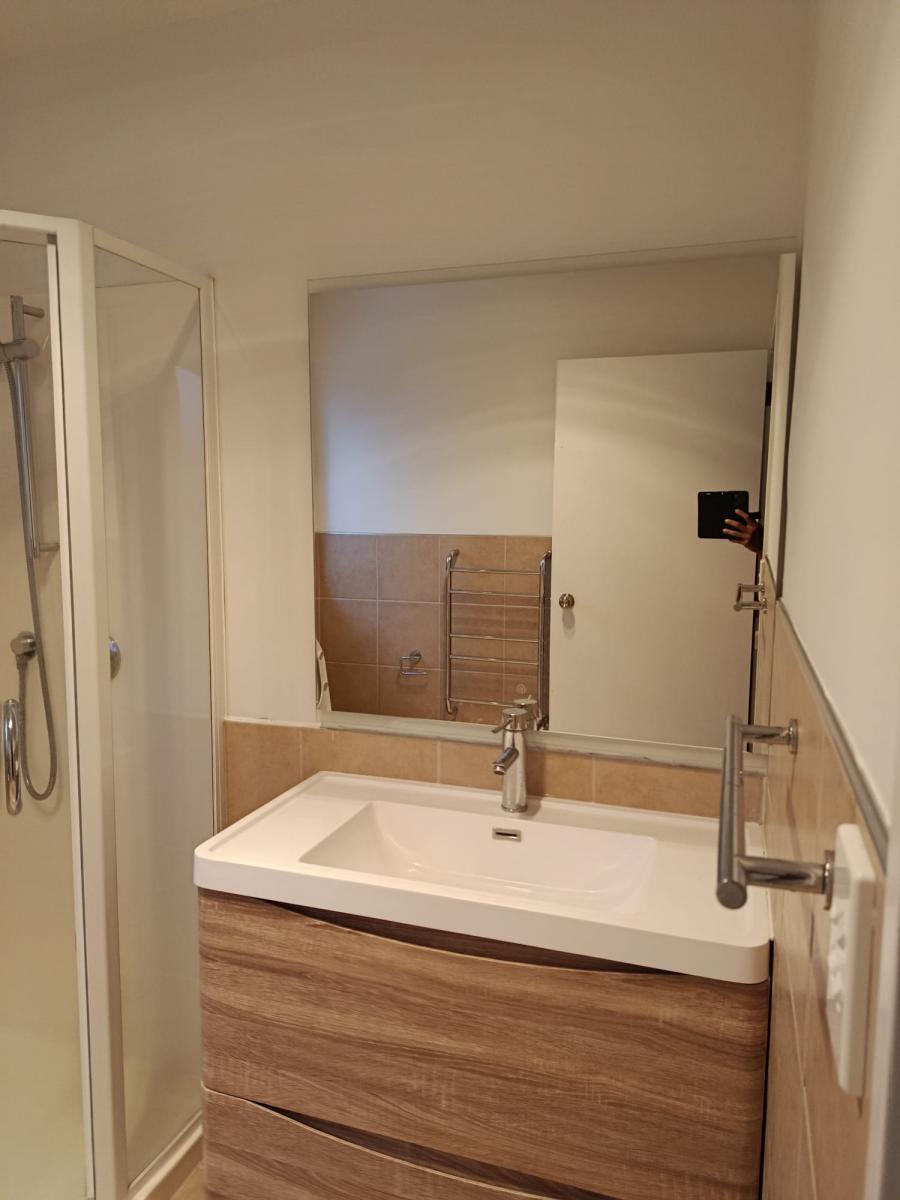
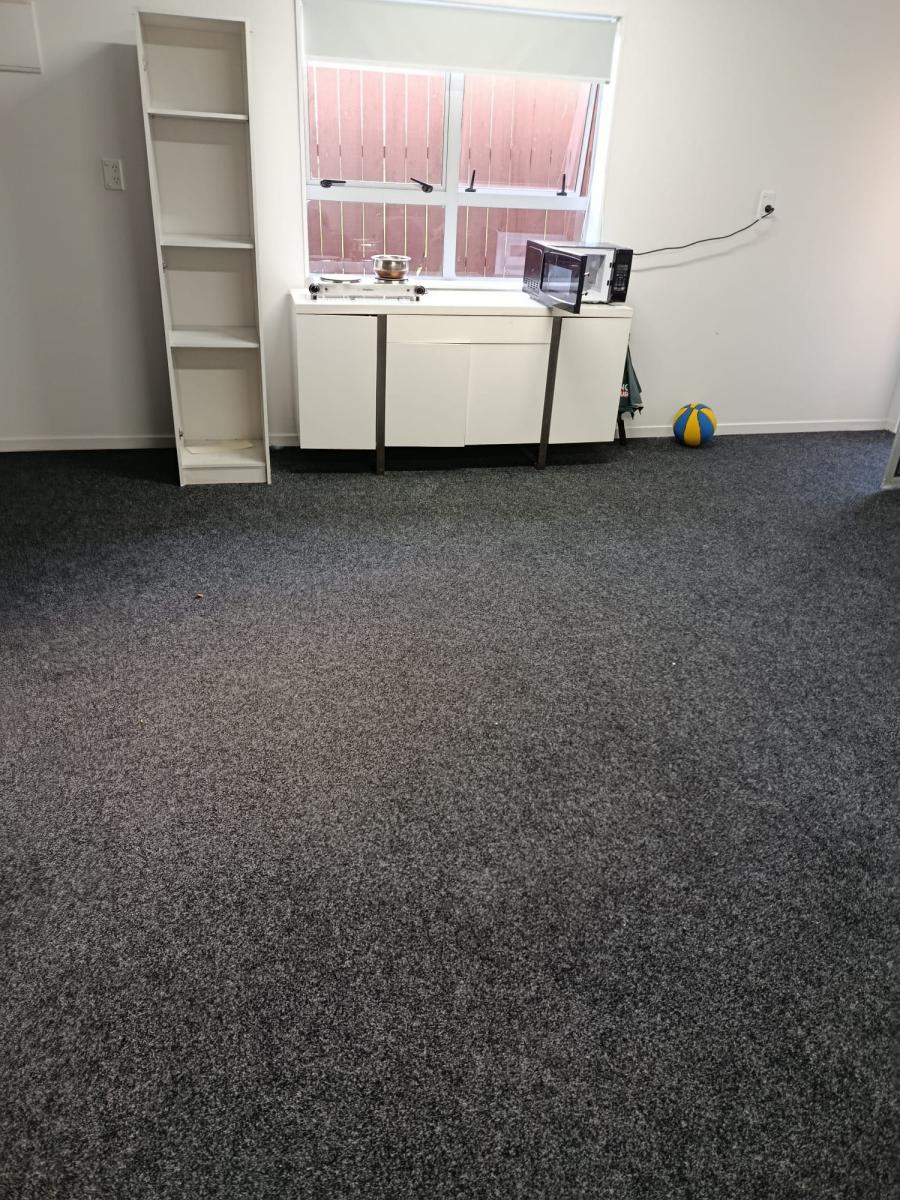
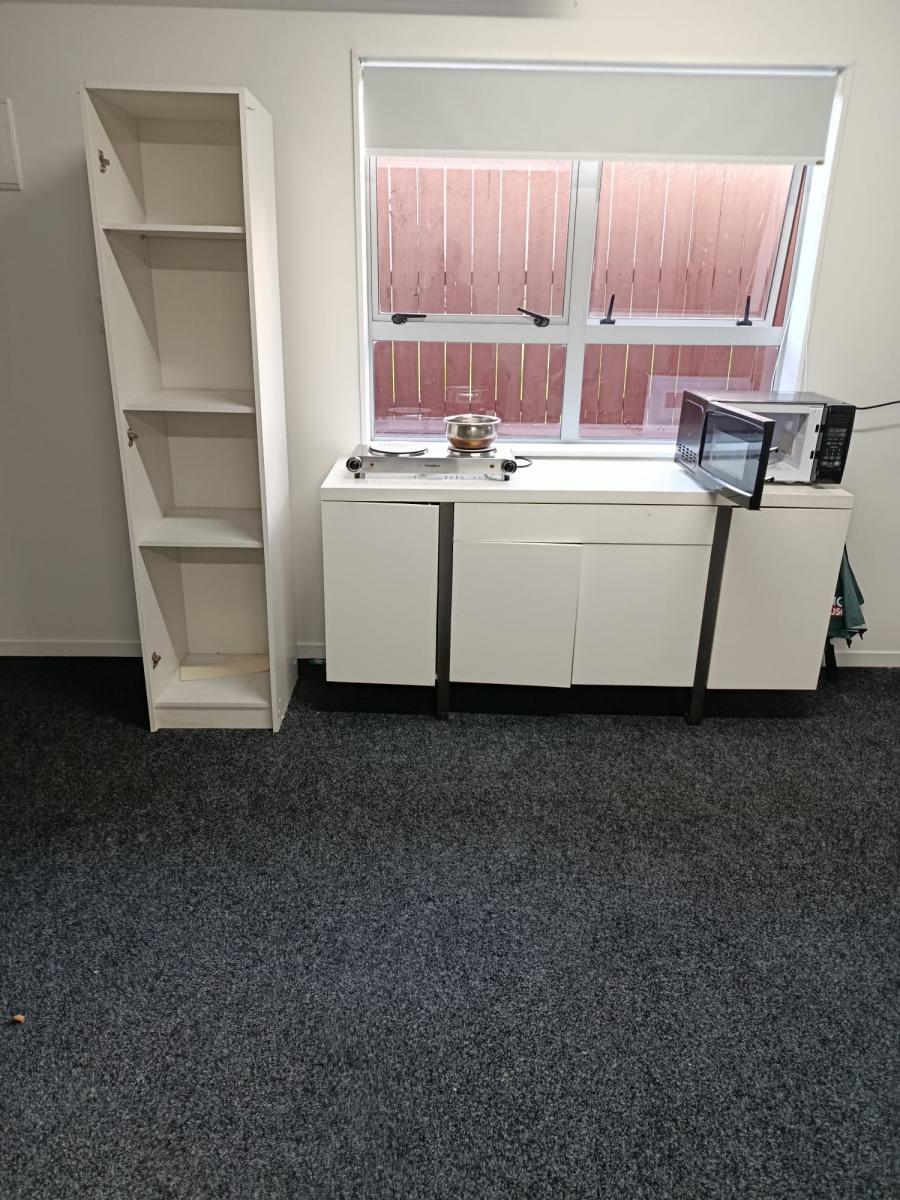
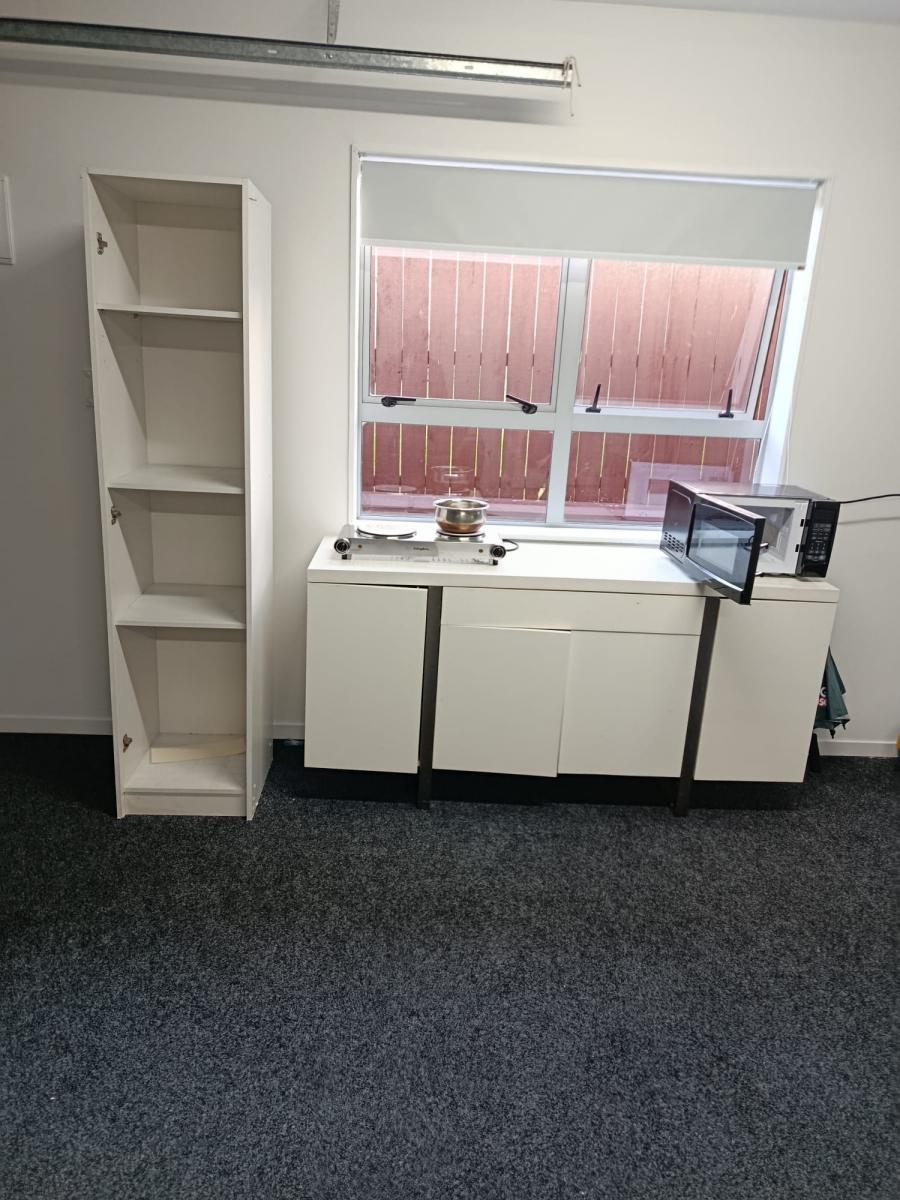
Room for rent
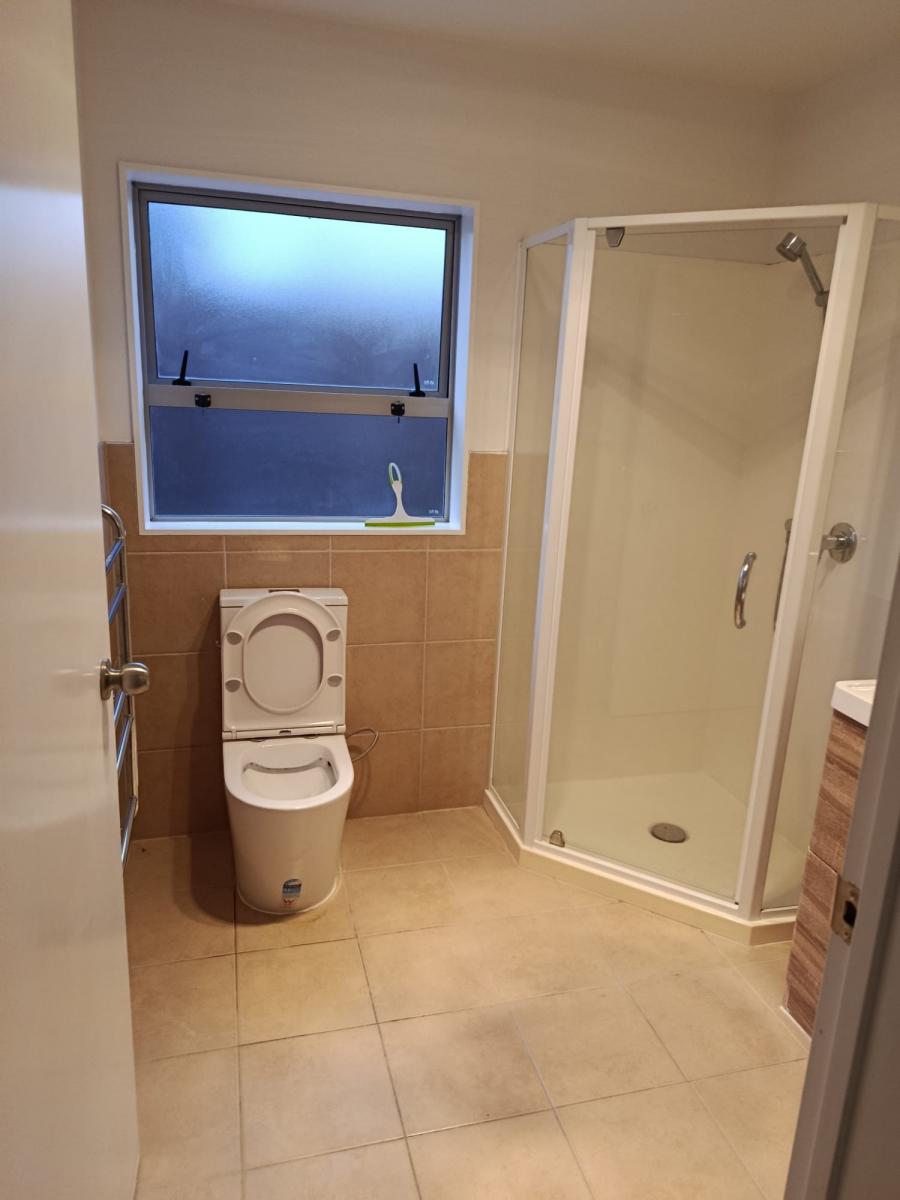
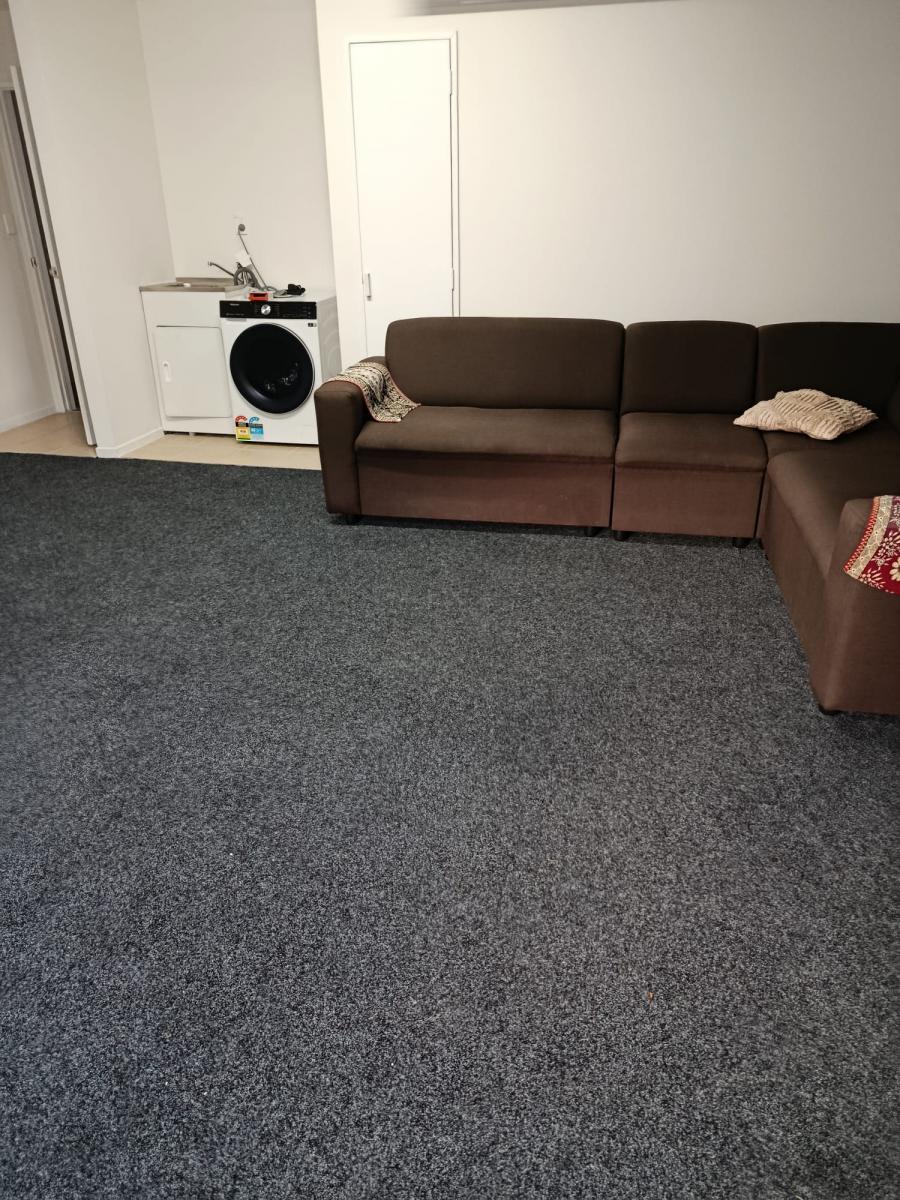
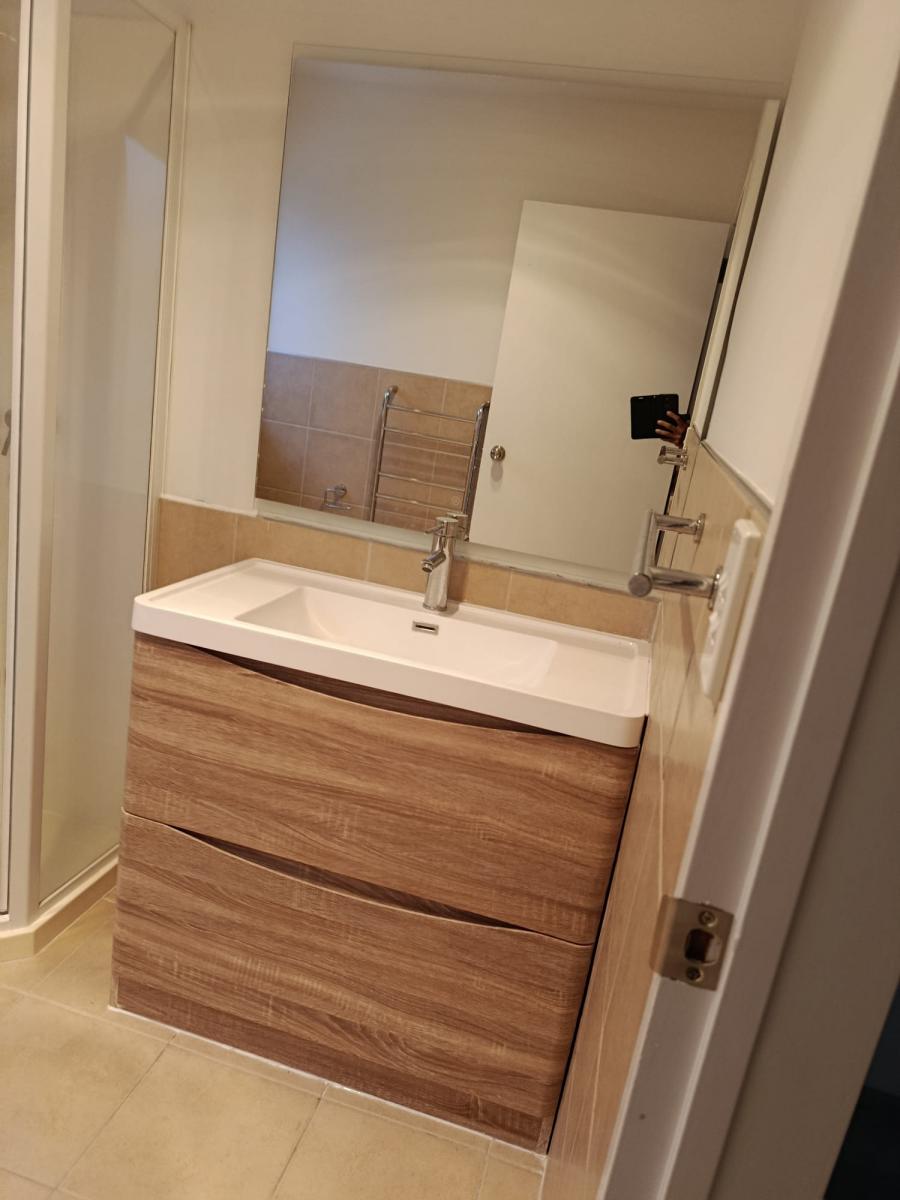
🌿 Beautiful Private Space Available for Rent – Perfect for 2 Girls or a Couple 🌿
Located in the peaceful and family-friendly suburb of Lynfield, this warm and welcoming home offers a comfortable living space in a highly sought-after top school zone.
✨ What’s Included:
🏡 2 Spacious Bedrooms
🛁 Private Bathroom
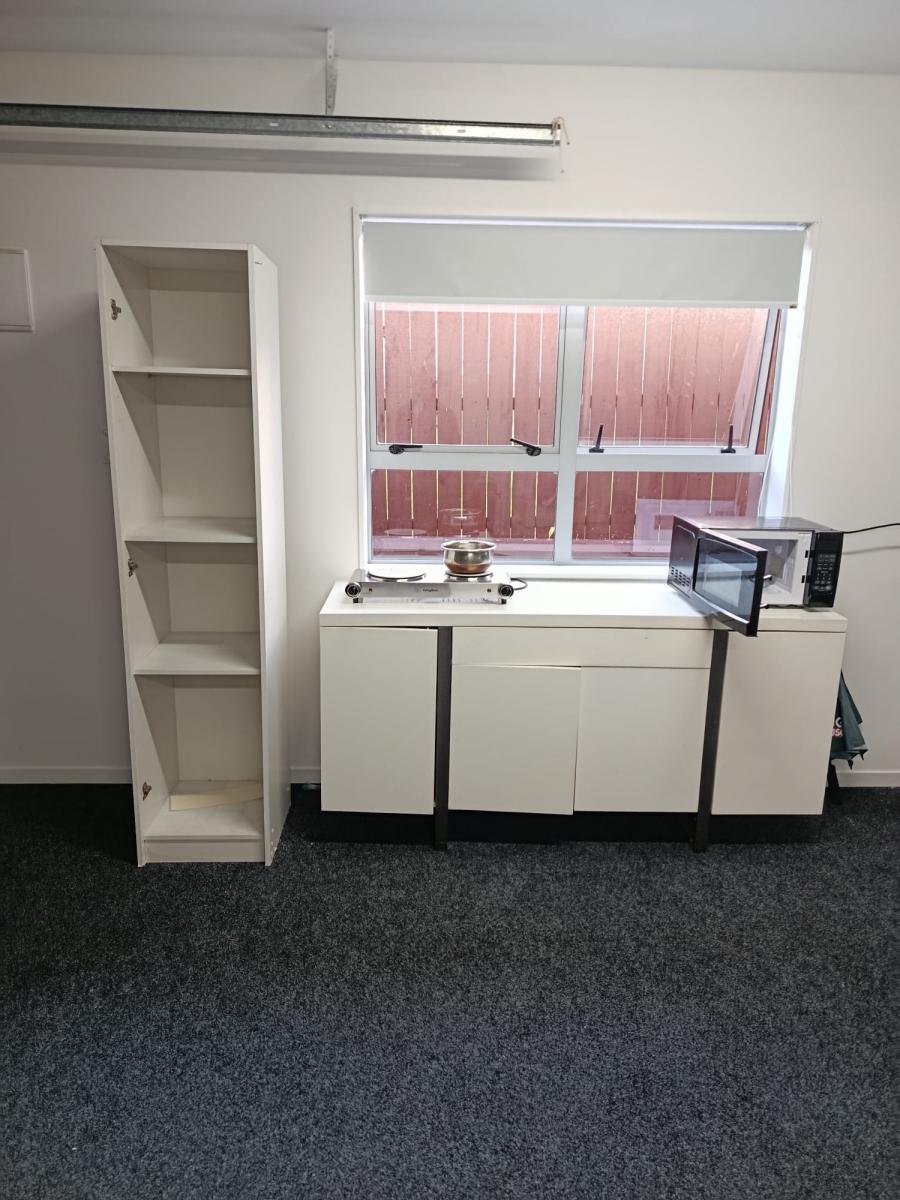
🍳 Separate Kitchen
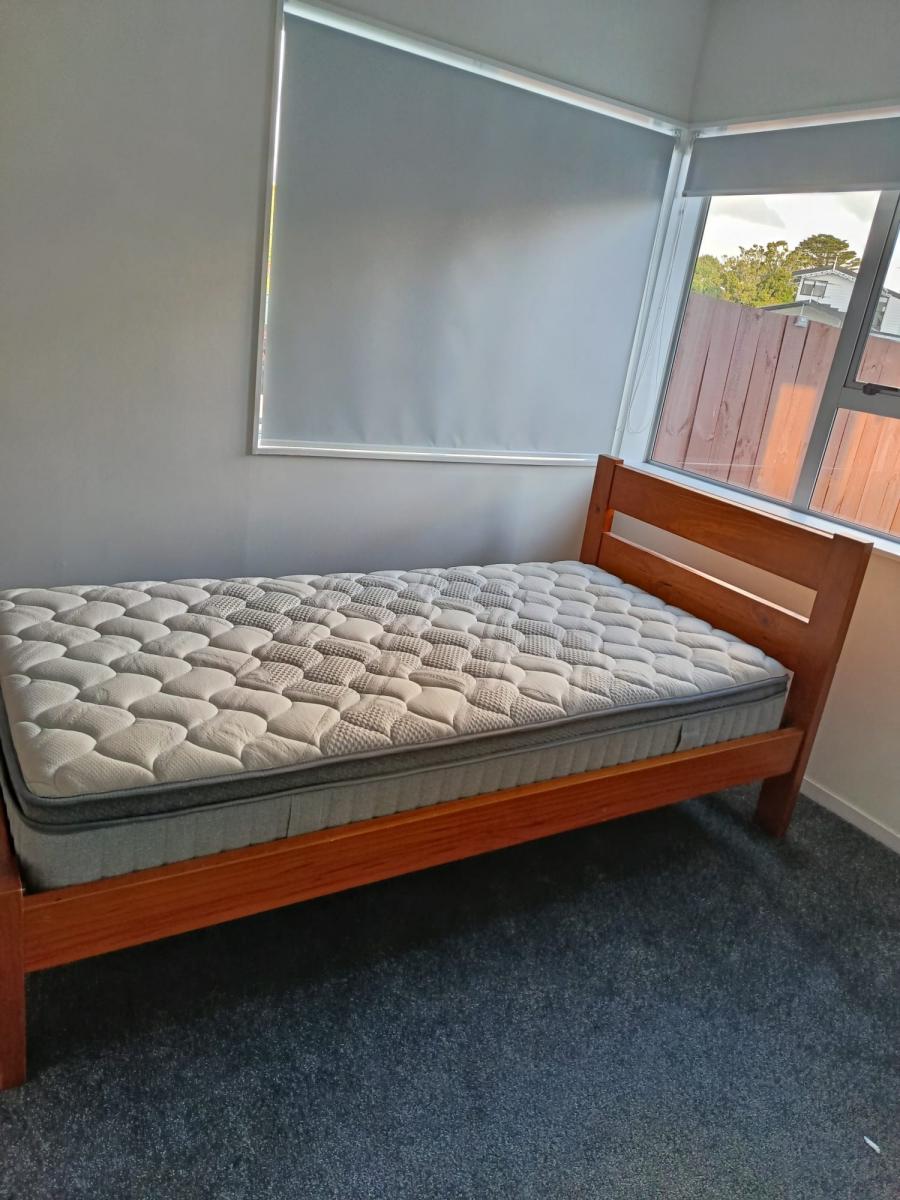
🛏️ 1 Bed with Mattress
🔥 Stove
📟 Microwave
Unlimited WiFi included
✔ Power & water included
✔ Bus stop in front of the house
✔ Nearby shops and supermarkets
This setup is ideal for two girls or a couple looking for a quiet, safe, and relaxed place to call home.
🌸 Enjoy living in a serene neighbourhood with a friendly community atmosphere, while still being conveniently close to schools, shops, and transport.
If you're looking for comfort, privacy, and a peaceful lifestyle — this could be your perfect new home 💛
📍 Location: Lynfield, Auckland
📩 Message for more details or to arrange a viewing. For couple $450 for one bedroom. $600 for the 2 bedroom and kitchen and bathroom. Feel free to contact me on 022-422-0145 for any other details




 Loading…