






HOW TO KEEP SAFE FROM SCAMMERS
**Always take a sec to check before parting with your money or personal information
**Trust your instincts – if it feels wrong, it probably is. Urgency is a red flag – scammers try to rush you
**Your bank will never ask you for passwords, log-in details, or two-factor authentication codes, nor will they send you an email or text message asking you to log in
**Your bank will never tell you to move your money to a ‘safe’ account, or ask you to use your money to help catch a scammer
**Think carefully before entering your credit card details online
**Be cautious with unsolicited texts, emails, or calls – don’t give out details that could be used to impersonate you
**Don’t click on links or open attachments from people you don’t know, or seem out of character for someone you do know. Hover over links to reveal the actual site
**Don’t respond to instructions to download unknown software – it could be malware to access your accounts
**Be careful of deals or investments that sound too good to be true – they probably are. Contact investment firms or businesses via their official New Zealand-based websites, and never via online contacts, emails, links, or phone numbers sent to you directly or from other websites on the internet
**Use strong, unique passwords and PINs for your banking – don’t write them down or record them
**If you think you’ve been scammed report it to your bank immediately
================================================
Source: New Zealand Banking Association
================================================

Poll: 🤖 What skills do you think give a CV the ultimate edge in a robot-filled workplace?
The Reserve Bank has shared some pretty blunt advice: there’s no such thing as a “safe” job anymore 🛟😑
Robots are stepping into repetitive roles in factories, plants and warehouses. AI is taking care of the admin tasks that once filled many mid-level office jobs.
We want to know: As the world evolves, what skills do you think give a CV the ultimate edge in a robot-filled workplace?
Want to read more? The Press has you covered!

-
52.5% Human-centred experience and communication
-
14.7% Critical thinking
-
30.1% Resilience and adaptability
-
2.7% Other - I will share below!

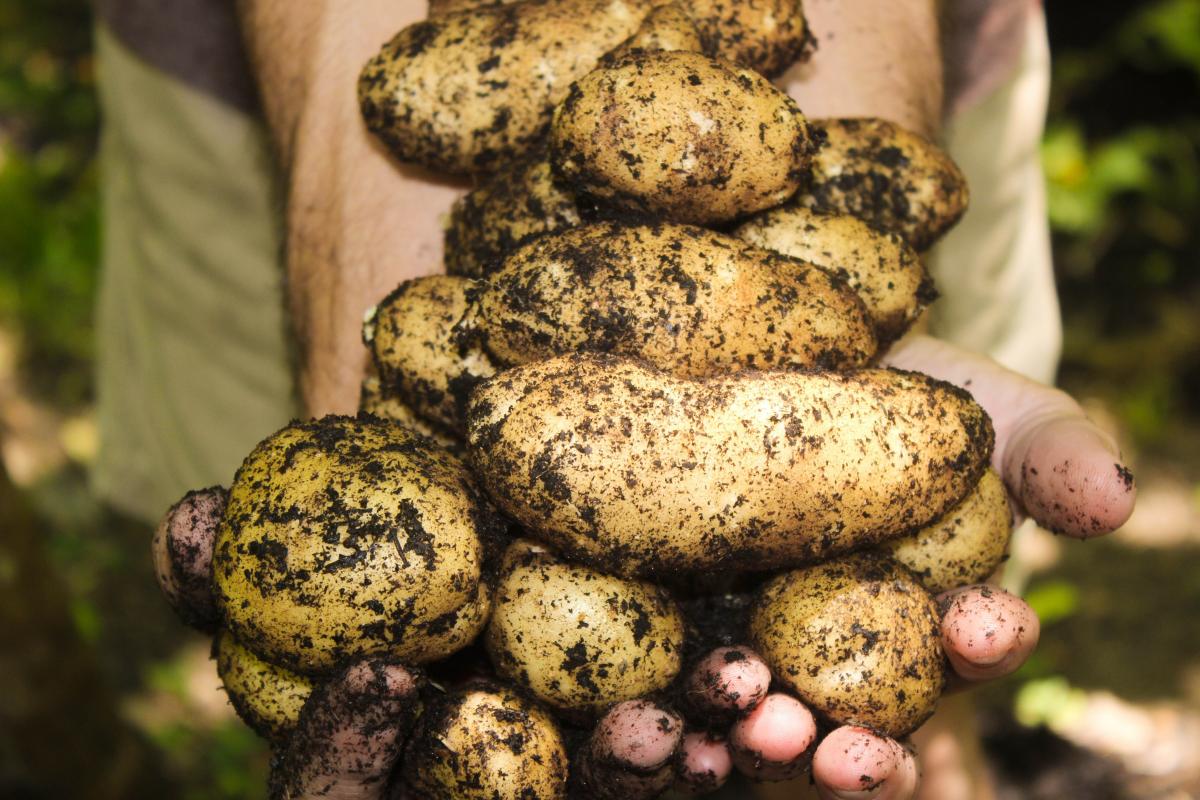
Share your favourite main crop potato recipe and win a copy of our mag!
Love potatoes? We will give away free copies of the May 2026 issue to readers whose potato recipes are used in our magazine. To be in the running, make sure you email your family's favourite way to enjoy potatoes: mailbox@nzgardener.co.nz, by March 1, 2026.

Some Choice News!
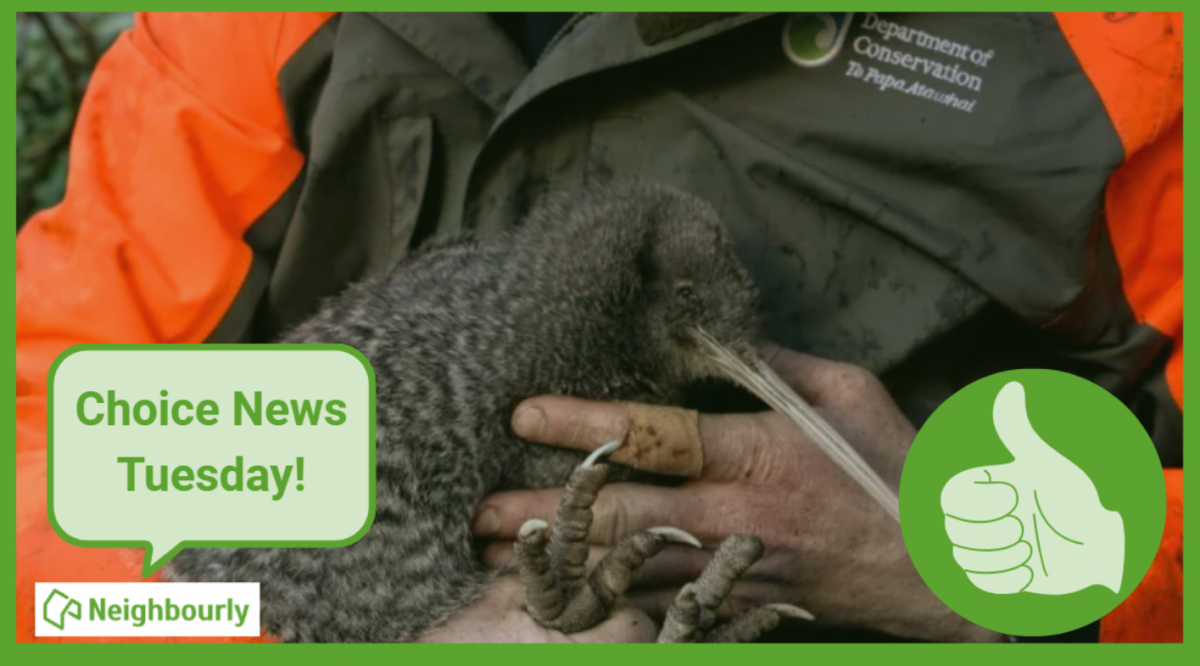
DOC is rolling out a new tool to help figure out what to tackle first when it comes to protecting our threatened species and the things putting them at risk.
Why does this matter? As Nikki Macdonald from The Post points out, we’re a country with around 4,400 threatened species. With limited time and funding, conservation has always meant making tough calls about what gets attention first.
For the first time, DOC has put real numbers around what it would take to do everything needed to properly safeguard our unique natural environment. The new BioInvest tool shows the scale of the challenge: 310,177 actions across 28,007 sites.
Now that we can see the full picture, it brings the big question into focus: how much do we, as Kiwis, truly value protecting nature — and what are we prepared to invest to make it happen?
We hope this brings a smile!
 Loading…