





Auckland Council has proposed a move from weekly to fortnightly kerbside rubbish collections along with other measures in order to move closer to a zero-waste target by 2040.
The draft Waste Management and Minimisation Plan 2024 (WWMP 2024) includes proposals to increase options to re-use, repair or re-purpose items and advocate for a rethink on how they are designed to extend their life span.
It also includes the targeting of construction and demolition waste, organic, plastics, packaging, textiles and biosolids, addressing litter and illegal dumping, and speeding up minimisation of waste generated by Auckland Council.
The draft WWMP 2024 outlines the "next important steps" to reduce waste and emissions, and cleaning up Auckland's waterways and environment, said chair of the planning, environment and parks committee Richard Hills.
"It builds on previous work undertaken by Auckland Council by doing more to keep resources in circulation and minimise harm caused by waste, while creating jobs and boosting the economy."
1.5 million tonnes of waste a year goes to landfill a year in Auckland, enough to fill Eden Park on a weekly basis. Without changes, this is expected to rise to at least 1.7 million tonnes annually by 2040.
Hills said that Aucklanders have shown their willingness to make changes toward a circular economy, acknowledging the efforts of young people in demanding action.
"Despite ambitious targets, we have seen steady progress in moving Tāmaki Makaurau towards this goal over the past decade, but it’s clear we can do more."
Auckland Council is also seeking feedback on a separate draft waste plan for the Hauraki Gulf Islands, which have their own unique waste management needs and challenges.
Aucklanders have until March 28 to have their say on the draft Waste Management and Minimisation Plan (WMMP) 2024 and the Draft Hauraki Gulf Islands Waste Plan 2024.
============================================
www.1news.co.nz...
=============================================

Poll: 🤖 What skills do you think give a CV the ultimate edge in a robot-filled workplace?
The Reserve Bank has shared some pretty blunt advice: there’s no such thing as a “safe” job anymore 🛟😑
Robots are stepping into repetitive roles in factories, plants and warehouses. AI is taking care of the admin tasks that once filled many mid-level office jobs.
We want to know: As the world evolves, what skills do you think give a CV the ultimate edge in a robot-filled workplace?
Want to read more? The Press has you covered!

-
52.7% Human-centred experience and communication
-
14.6% Critical thinking
-
30% Resilience and adaptability
-
2.7% Other - I will share below!

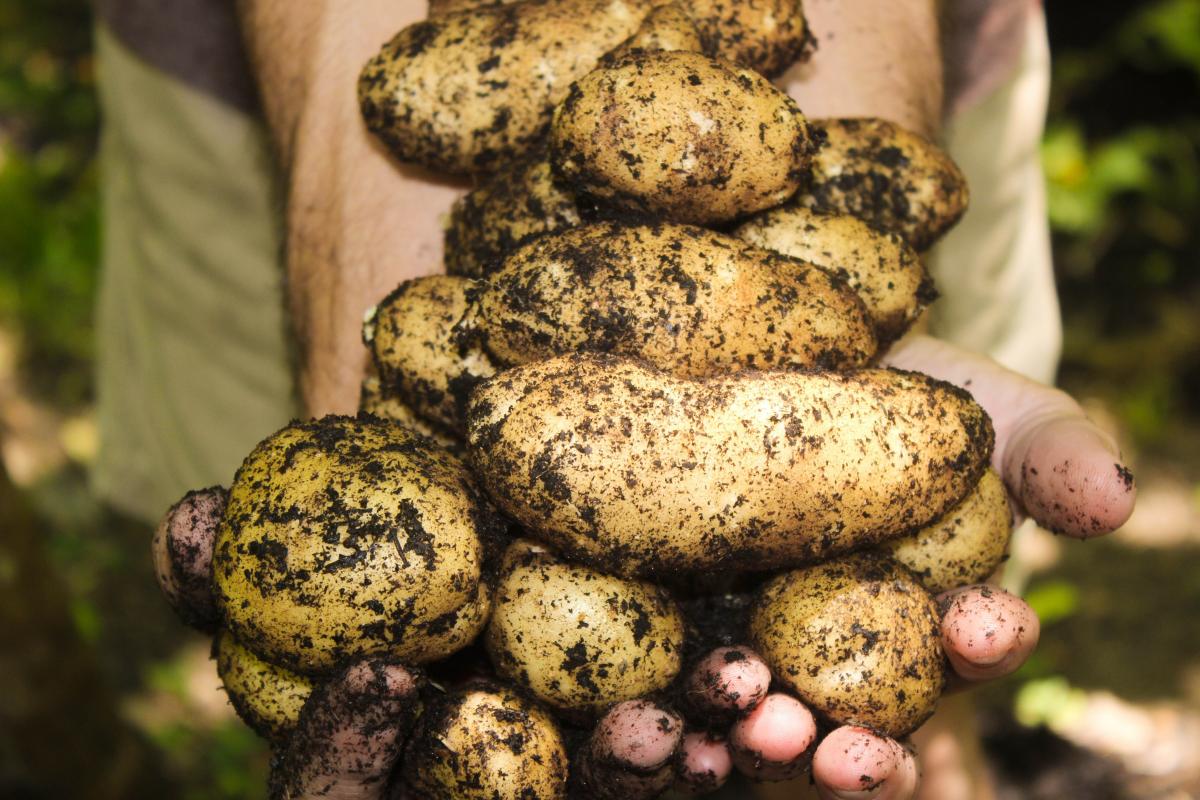
Share your favourite main crop potato recipe and win a copy of our mag!
Love potatoes? We will give away free copies of the May 2026 issue to readers whose potato recipes are used in our magazine. To be in the running, make sure you email your family's favourite way to enjoy potatoes: mailbox@nzgardener.co.nz, by March 1, 2026.

Some Choice News!
DOC is rolling out a new tool to help figure out what to tackle first when it comes to protecting our threatened species and the things putting them at risk.
Why does this matter? As Nikki Macdonald from The Post points out, we’re a country with around 4,400 threatened species. With limited time and funding, conservation has always meant making tough calls about what gets attention first.
For the first time, DOC has put real numbers around what it would take to do everything needed to properly safeguard our unique natural environment. The new BioInvest tool shows the scale of the challenge: 310,177 actions across 28,007 sites.
Now that we can see the full picture, it brings the big question into focus: how much do we, as Kiwis, truly value protecting nature — and what are we prepared to invest to make it happen?
We hope this brings a smile!

 Loading…