





Tree Pruning 101
TREE PRUNING HERE IN NEW ZEALAND
Should be approached carefully but deliberately, because every time a tree is pruned it has the potential to alter its shape and look. Unlike other landscaping considerations, pruning trees is a task better left in the hands of local professional arborists.
PERIODIC PRUNING
Most of the reasons for having trees pruned fall into three basic categories:
Aesthetic concerns: Trees that have been professional shaped and exhibit rounded, symmetrical crowns are visually appealing.
Health concerns: Trees receiving periodic prunings tend to live longer and maintain good health.
Safety concerns: Broken or rotting tree branches are indicative of poor health and aesthetics and are a safety hazard that should be pruned back.
PURPOSEFUL PRUNING
Tree cutting should be done in accordance with proven principles that ensure the health, safety and aesthetic value of the tree.
Under all but the most extreme circumstances a tree should never be pruned to the extent it loses over a quarter of its capacity for bearing leaves. It always safer to make smaller rather than larger cuts. Branches with a diameter of less than 50mm can always be safely cut.
When contemplating cutting a branch that is anywhere between 50-100mm in diameter, stop and consider if it is necessary to either improve the aesthetics of the tree or if there are health or safety issues that need be addressed.
Cutting any branch larger than 100mm in diameter should be avoided except for extenuating circumstances.
TREE CUTTING PRINCIPLES
There are three primary principles for cutting trees:
Reducing the tree’s crown
This is done to control the overall height and spread of the crown. Doing so helps to alleviate stress on branches and the tree itself, and helps to ensure the tree’s natural shape, while also allowing for more light to shine through the branches.
Thinning the tree’s crown
Reducing shade and increasing light by selectively thinning back the crown’s branches helps to maintain health and aesthetic values.
Lifting the tree’s crown
By methodically removing lower branches, more space is created from below the crown to the ground. This provides more access for persons and for foliage beneath the tree.
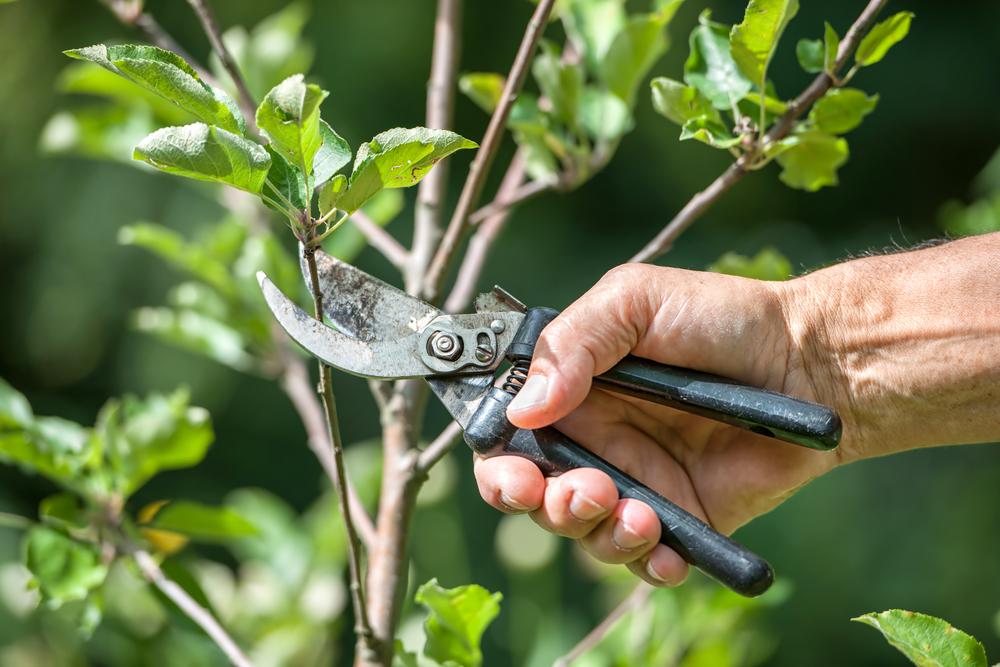
Here in Auckland, at A1 Sure Services our experienced team of arborist are experts in Tree Pruning, will ensure your trees are professionally pruned as well as handle all of your tree maintenance needs. Contact us today! for a Free Quote!!

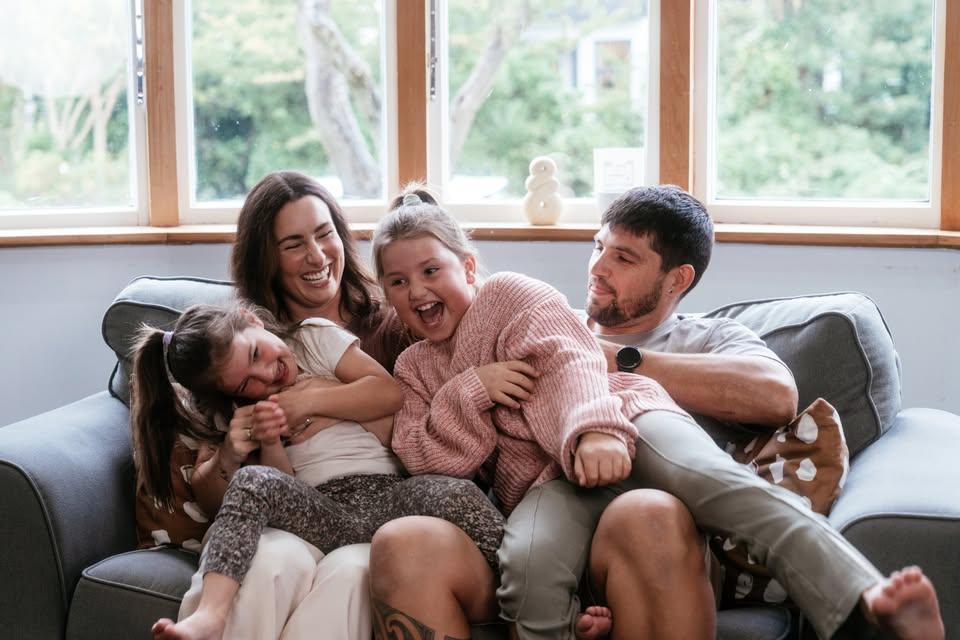
Poll: How important is the ability to book a doctor’s appointment online?
Hi Neighbours
Here at The Doctors we would love to hear how you prefer to book your doctor’s appointments. With busy schedules, different people find different methods easier.
For some, online booking is very convenient, you can make an appointment anytime without needing to wait on the phone. Others still prefer calling the clinic and speaking to a real person, especially if they have specific questions about their visit.
Your feedback helps us understand what works best for our patients and how we can improve access to care.
-
37.2% I prefer booking online whenever possible
-
23.2% Online booking is helpful but not essential
-
36% I prefer calling the clinic
-
3.7% I didn’t know online booking was available

A reminder this hunting season
As thousands of hunters are making their plans for autumn – the Roar – recreational firearms groups are urging hunters to always be 100% sure of their targets.
Te Tari Pureke - Firearms Safety Authority NZ, which chairs the Recreational Firearms Users Group, has begun a public information campaign reminding hunters everywhere of Rule #4 of the Firearms Safety Code: to identify their target beyond all doubt.
Director Communities and Corporate, Mike McIlraith, says there is an estimated 50,000-60,000 New Zealanders involved in big game animal hunting each year, and the Roar is the key event for many hunters each year.
“The Roar is a fantastic time of year for hunters to get out into the hills after a trophy animal but hunting safely and making sure everyone gets home in one piece, still must be the most important goal of every trip,” says Mike McIlraith.
“The consequences of not fully identifying your target beyond all doubt can be catastrophic. Our message to hunters is a really simple one: If you are not sure, then don’t shoot.”
Mike McIlraith says while hunting fatalities are thankfully rare, research has shown that misidentification of the target is the largest firearms related risk to New Zealand deer hunters, and 80% of the time this involves members of the same hunting group.
The Authority says hunters should not feel pressured to take a shot: “Instead, hunters should take the time to analyse their target, wait and see if it is a hind or stag, how old is the animal, how many points does its antlers have? Identifying your target means never firing at sound, shape, colour or movement alone.”
Mike McIlraith says good hunters will slow down, and run through some simple mental checks:
- Can I see the whole animal, or could this be another hunter?
- Where are my hunting companions – could this be them or someone else?
- How much of the animal can you see, if it is a hind or stag, how old is the animal, how - many points does its antlers have?
“Taking a little extra time to identify your target and check the firing zone is the key to safer hunting. No meat or no trophy is better than no mate,” he says.

Poll: Does a savoury scone require cheese on top, or folded inside?
Help settle the great kiwi debate ... cheese on top, or folded inside?
-
76.5% Inside!
-
23.5% On top!
 Loading…