





Rural healthcare needs urgent help from new Government – mayor
By David Hill, Local Democracy Reporter
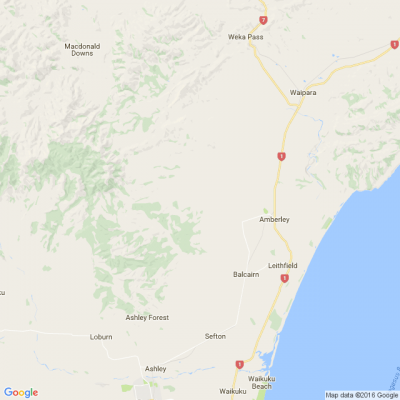
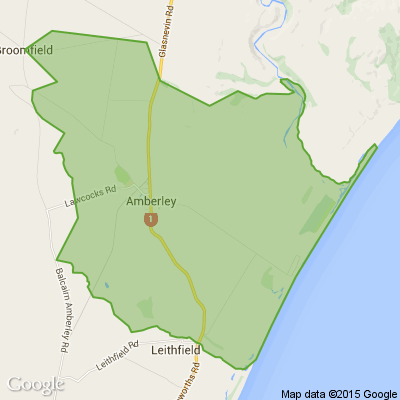
Rural healthcare needs urgent attention from the incoming Government, says Hurunui mayor Marie Black.
A shortage of GPs and health workers in the Hurunui district is a growing concern, she said.
The National Party campaigned on a promise to establish a third medical school with a rural focus at Waikato University.
Recruiting GPs, nurses and support workers to work in rural communities has been a major challenge in recent years.
Black, who previously worked as a Plunket health worker in the region, said the demographics of the Hurunui district provided both challenges and opportunities.
There was no public transport in the district, while an ageing population meant more than 25% of the population was expected to be over 65 by 2051.
Young people had to sit driving tests in Rangiora, which meant travelling to medical appointments could be a challenge for young and old.
More retirement villages were being proposed for Amberley to support the ageing population, which meant retaining and attracting GPs, nurses and support workers was vital, she said.
Black suggested medical students could be bonded to work in rural communities after they graduate, with part or all of their student loan wiped.
‘‘They used to do that with teachers, so perhaps we could look at that with medical students.
‘‘We will keep a watching brief as the new government is formed. It will be interesting to see where it lands.’’
She said living and working in the Hurunui also provided opportunities with the rural lifestyle.
There was a desire to give back and look for community-led solutions, she said.
An example of this was the Hawarden-Waikari Community Vehicle Trust, which provided transport to medical appointments.
Of the district's five health centres, four were community owned and ratepayer funded.
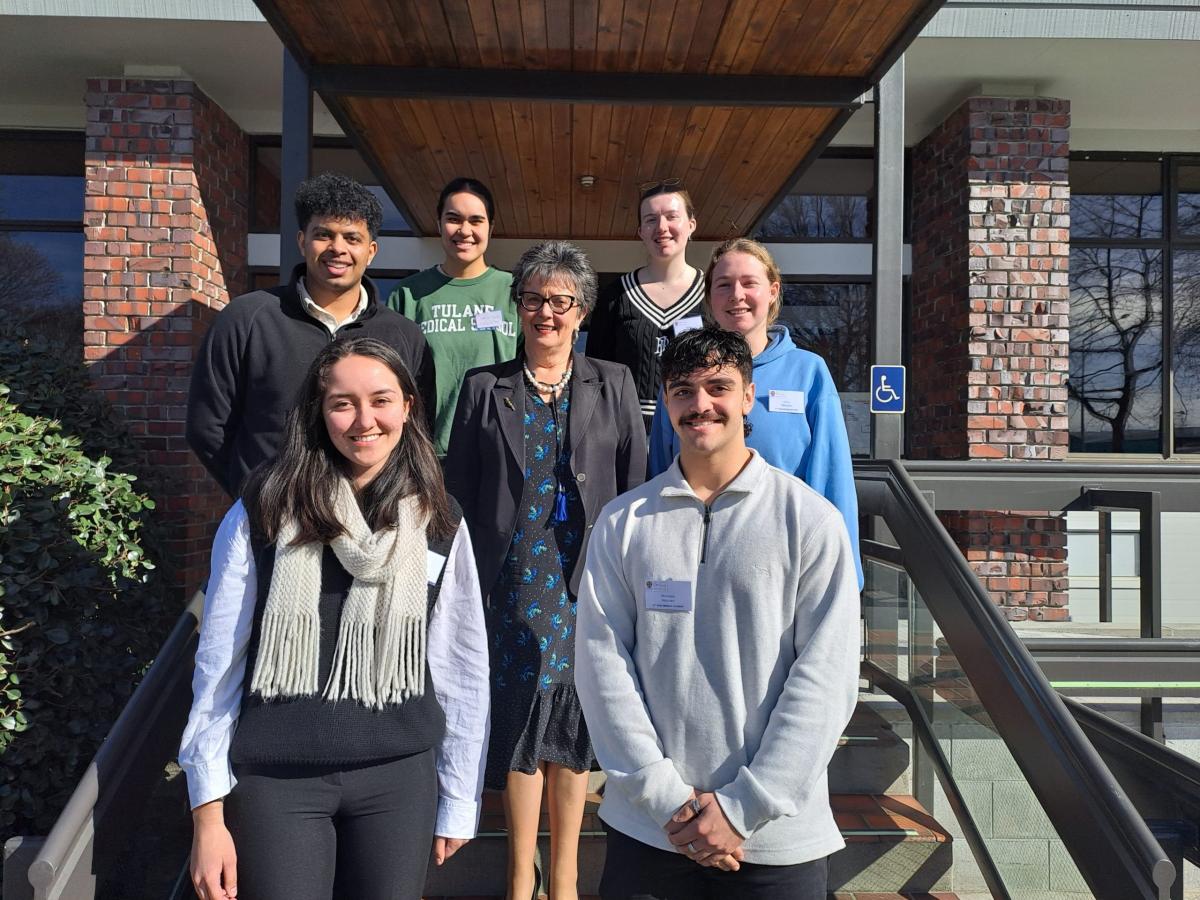
Black hosted a group of third year Otago Medical School students in August to give them a rural perspective on healthcare.
‘‘It was surprising how little they knew about living in a rural area.’’
The initiative has been running for 10 years, with the students visiting medical centres, St John, the North Canterbury Rural Support Trust and a local preschool.
The Kaikōura district faced similar challenges, with its over 65 population also expected to increase to 25% over the next 30 years.
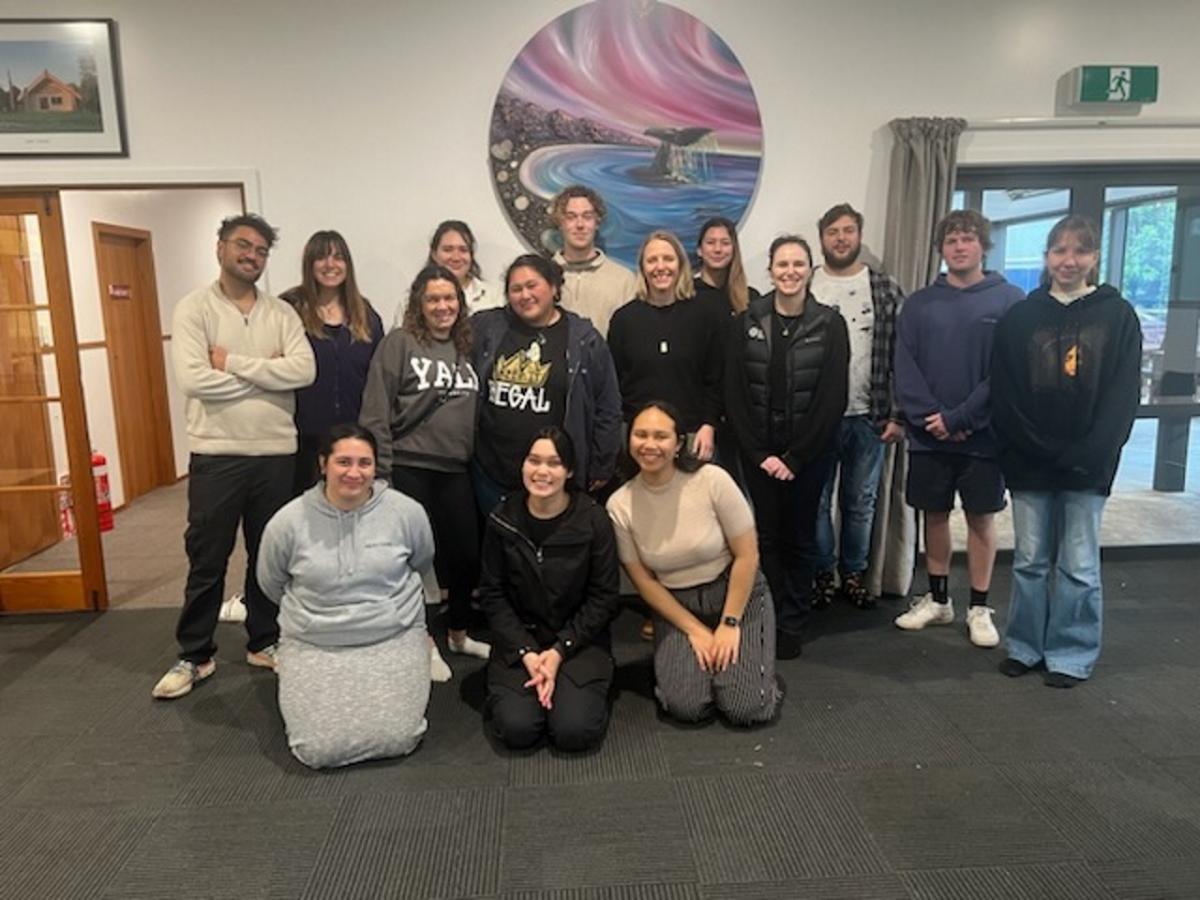
Takahanga Marae hosted 13 tertiary health students from around Aotearoa in June on a three-day Noho Marae visit.
The initiative was a partnership between Te Tai o Marokura, a Maori health and social service provider in Kaikōura, and Hauora Taiwhenua / Rural Health Network’s careers programme.
Lisa Kahu, of Te Tai o Marokura, said the initiative had been running for several years to encourage young doctors, nurses and dentists to work in rural communities.
■ Public interest journalism funded through New Zealand on Air.

Poll: Should we ditch daylight saving? 🕰️
First introduced in New Zealand in 1927 with the passing of the Summer Time Act, it's what we know as 'Daylight Saving' and this year it ends on the first Sunday in April.
While we do get to sleep in this time around, some people would like to scrap the clock tinkering for good.
And why? Some evidence suggests the time changes are bad for our health as they mess with sleep patterns leading to short-term fatigue and affecting mood. Meanwhile the hour change is frustrating for farmers and a nightmare for getting the littlies to sleep. But what's your take?

-
34.1% Yes - get rid of the clock changes
-
64.8% No, I enjoy it
-
1.1% Other - I'll share below
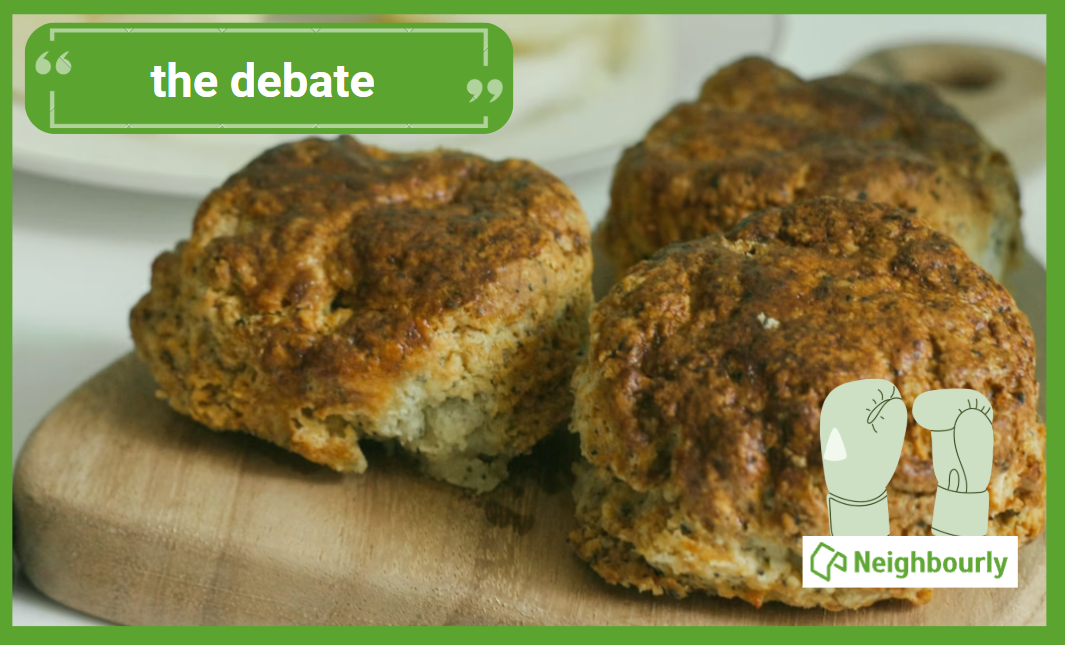
Poll: Does a savoury scone require cheese on top, or folded inside?
Help settle the great kiwi debate ... cheese on top, or folded inside?
-
76.3% Inside!
-
23.7% On top!

Don't overthink this riddle...
I have a silver sole
but no feet,
I make my living by bringing the heat.
What am I?
Do you think you know the answer? Simply 'Like' this post if you know the answer and the big reveal will be posted in the comments at 2pm on the day!
Want to stop seeing these in your newsfeed?
Head here and hover on the Following button on the top right of the page (and it will show Unfollow) and then click it. If it is giving you the option to Follow, then you've successfully unfollowed the Riddles page.
 Loading…