





Growth catalyst for Hurunui plan changes
By David Hill, Local Democracy Reporter
The Hurunui district’s rapid growth could see some changes in this year’s annual plan.
A record number of consents for new houses (197) were issued last year, which has led to a number of capital projects being brought forward, chief executive Hamish Dobbie says.
Council staff were busy preparing the draft 2023-24 annual plan to present to councillors in the coming weeks.
‘‘Our mission focus is the continuation of the (2021-31) long-term plan and keeping rates rises affordable.
‘‘We have pulled a number capital projects forward because of the growth, so it might be a lower capital programme than we signalled.’’
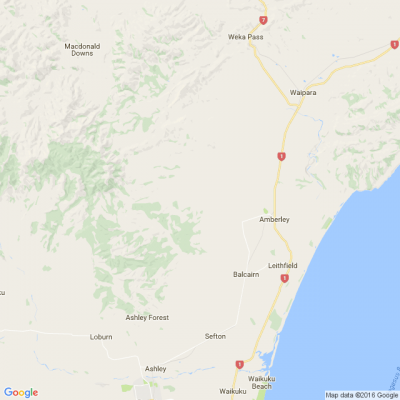
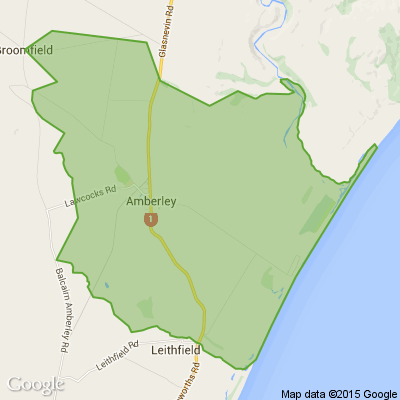
The bulk of Hurunui’s growth has been in Amberley and Hanmer Springs, but there has been growth across the district, mayor Marie Black said.
Last year’s 2022-23 annual plan saw a rates hike of 10.5%, as councillors opted to stick to its commitments in the long-term plan (LTP).
A rates rise of just 4.99% had been signalled in the LTP, but rising inflation and the impact of Covid-19 took its toll.
Capital projects included three waters infrastructure, roading, footpaths and building new public toilets.
Roading was set to feature again, as the council faced the challenge of upgrading roads to be fit for purpose for today’s transport network.
Dobbie said the recent heavy rain had demonstrated the vulnerability of the district’s roads.
The Lake Sumner Road suffered extensive damage.
‘‘The road might only service two or three properties, but for those properties the needs are equal to any other road,’’ he said.
Hurunui received a 52% subsidy from Waka Kotahi New Zealand Transport Agency, but it was mainly for maintenance.
Emergency funding was also available for severe weather events.
‘‘This is an ongoing problem. We are seeing climate change in action,’’ Dobbie said.
‘‘We are built for 1-in-20 or 1-in-50 year events, but we are seeing a lot more events and often quite localised, so just fixing things all the time is not the way of the future.
‘‘So future funding of local government is so important. At the end of the day we want resilient networks and our communities want resilient networks.’’
■ Public interest journalism funded through New Zealand on Air.


Don't overthink this riddle...
I have a silver sole
but no feet,
I make my living by bringing the heat.
What am I?
Do you think you know the answer? Simply 'Like' this post if you know the answer and the big reveal will be posted in the comments at 2pm on the day!
Want to stop seeing these in your newsfeed?
Head here and hover on the Following button on the top right of the page (and it will show Unfollow) and then click it. If it is giving you the option to Follow, then you've successfully unfollowed the Riddles page.


Poll: Should we ditch daylight saving? 🕰️
First introduced in New Zealand in 1927 with the passing of the Summer Time Act, it's what we know as 'Daylight Saving' and this year it ends on the first Sunday in April.
While we do get to sleep in this time around, some people would like to scrap the clock tinkering for good.
And why? Some evidence suggests the time changes are bad for our health as they mess with sleep patterns leading to short-term fatigue and affecting mood. Meanwhile the hour change is frustrating for farmers and a nightmare for getting the littlies to sleep. But what's your take?

-
40.6% Yes - get rid of the clock changes
-
57.5% No, I enjoy it
-
1.8% Other - I'll share below

Loud explosions rangiora
Did anyone else get woken around 7 ish by a very loud sound that shook my house?
 Loading…