







Six Safety Checks for toys
At CAB, we regularly help people with questions about their rights when buying goods, including toys. The law requires retailers to sell toys that are safe, but here are Six Safety Checks you can do yourself before you buy a toy and that can make all the difference for your tamariki:
🖍Size – big enough not to choke
🖍Surface – smooth edges, no cracks or jagged bits, no sharp bits
🖍 Strings – not too long
🖍 Supervision – some toys need you there
🖍 Sound – not too loud for little ears
🖍 Specs – Check the packaging for information on hazards, small parts and the right age range for tamariki.
Safer toys = safer tamariki. Easy as!
Check out more tips for safe toys starship.org.nz/safekids/toy-product-safety
For information about how you can be sure that a product you buy is safe - including about mandatory product safety standards and recall notices for unsafe products - visit cab.org.nz/article/KB00000244
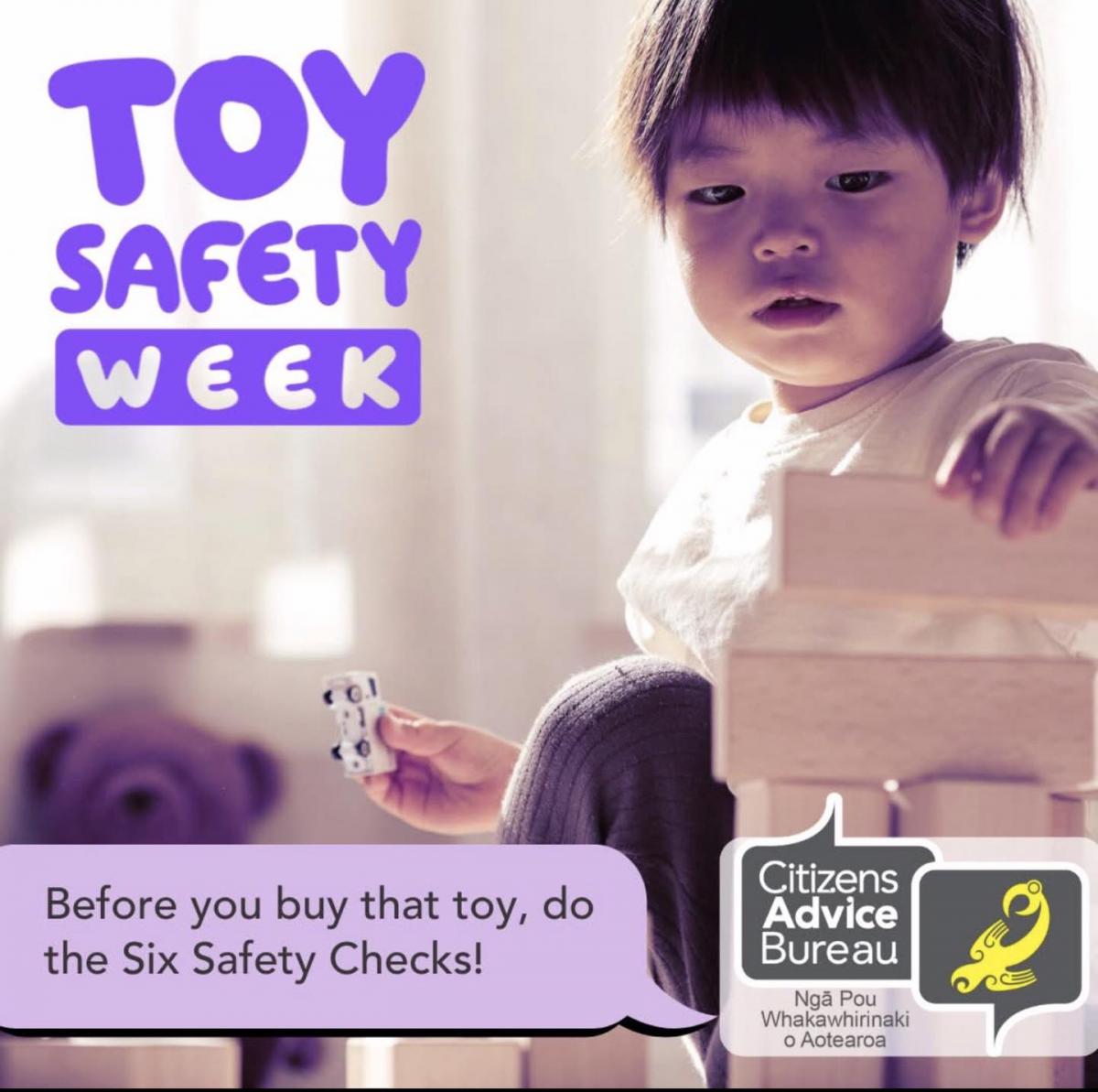
[Image description: Text reads "Toy Safety Week - Before you buy that toy, do the Six Safety Checks!. Image of a child playing with blocks and a toy car with the CAB logo at the bottom right.]
Original post credit: Citizens Advice Bureau: cab.org.nz

Poll: Are you still heading to your local for your caffeine fix, or has the $$ changed your habits? ☕
Auckland has a thriving cafe culture, but with costs climbing, that culture is under pressure. We’ve seen the headlines about recent closures across the country, and it’s a tough pill to swallow along with a $6+ coffee.
We all want our favourite spots to stay open, but we also have to balance our own budgets ⚖️
We want to know: How are you handling the "coffee math" in 2026? Are you still heading to your local for a chat and a caffeine fix, or has the cost of living changed your habits?
Keen to read more about "coffee math"? The Post has you covered.

-
42% I avoid spending money on coffee
-
41.3% I still indulge at my local cafe
-
16.7% Irrelevant - coffee is not for me
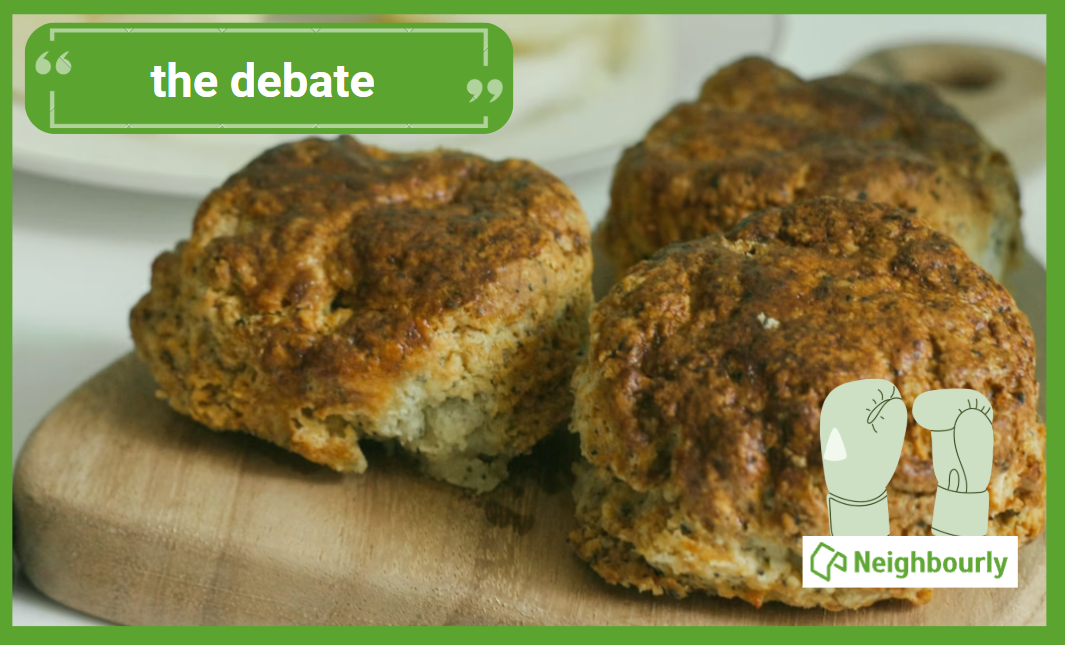
Poll: Does a savoury scone require cheese on top, or folded inside?
Help settle the great kiwi debate ... cheese on top, or folded inside?
-
76.1% Inside!
-
23.9% On top!
Got more greens than you know what to do with? 🥦🌱🥕
Whether it’s a courgette takeover or a feijoa frenzy, don’t let those garden gems go to waste!
Our suggestion to you: Did you know you can grate and freeze excess courgettes to use in chocolate cake later? It sounds a bit dodgy, but it makes the cake incredibly moist ... and hey, it counts as a serving of veg, right? 🍫
What’s your go-to move for a bumper harvest? Drop your best "glut" recipes or preservation hacks in the comments below! 👇
 Loading…