







Four year terms supported by North Canterbury Mayors
From local democracy reporter David Hill:
Four year terms could produce better outcomes, Waimakariri mayor Dan Gordon says.
Longer terms is one of the options proposed in the future of local government report presented last year by a panel led by former Waimakariri District Council chief executive Jim Palmer.
Gordon said a longer term would allow councils and governments to implement change in a more considered manner.
‘‘It would give the opportunity for a government that wants to make change, which most governments do, to adequately consult and consider the options.’’
He was referring to the Three Waters reform and the proposed legislation to replace the Resource Management Act.
He wondered if the present government would have spent more time consulting on its reform agenda if it had an extra year.
A four year term would also allow more time for local councils to consider what was best for the community they served, he said.
Developing a long-term plan every four years, instead of three, would also give councils more time to consider the impacts of government policy changes.
Hurunui mayor Marie Black said she had been opposed to a four-year term, but had changed her view.
‘‘I do see the value in terms of getting some strategic goals completed.
‘‘Quite often you come in as a new mayor or councillor and it takes a year to settle in, so in your second year you might get a start on some of those projects, but then your third year is focused on re-election.
‘‘So a fourth year would give you a bit more time to achieve your goals.’’
Waimakariri MP Matt Doocey said there were more important issues such as the cost of living crisis, youth and retail crime and the lack of after hours medical care in North Canterbury.
‘‘I think it is the last thing on people’s minds.
‘‘I think part of the issue is we are focusing on ideological issues rather than the issues that matter.
‘‘It is not on my radar.’’
Waimakariri-based Labour List MP Dan Rosewarne said he backed a four year term for Parliament.
‘‘If I came in at the last election cycle, it might have taken a year to get myself established and then by the third year you’re into an election year.
‘‘So you don’t get a lot of time to get into it.
‘‘Four years would give you more time to make a difference.’’
He said if local government went to a four-year term it made sense to synchronise general elections and boards of trustees elections into four year terms.
Submissions on the future of local government report close on February 28.

Poll: Should we ditch daylight saving? 🕰️
First introduced in New Zealand in 1927 with the passing of the Summer Time Act, it's what we know as 'Daylight Saving' and this year it ends on the first Sunday in April.
While we do get to sleep in this time around, some people would like to scrap the clock tinkering for good.
And why? Some evidence suggests the time changes are bad for our health as they mess with sleep patterns leading to short-term fatigue and affecting mood. Meanwhile the hour change is frustrating for farmers and a nightmare for getting the littlies to sleep. But what's your take?

-
40.5% Yes - get rid of the clock changes
-
57.6% No, I enjoy it
-
1.9% Other - I'll share below

Loud explosions rangiora
Did anyone else get woken around 7 ish by a very loud sound that shook my house?

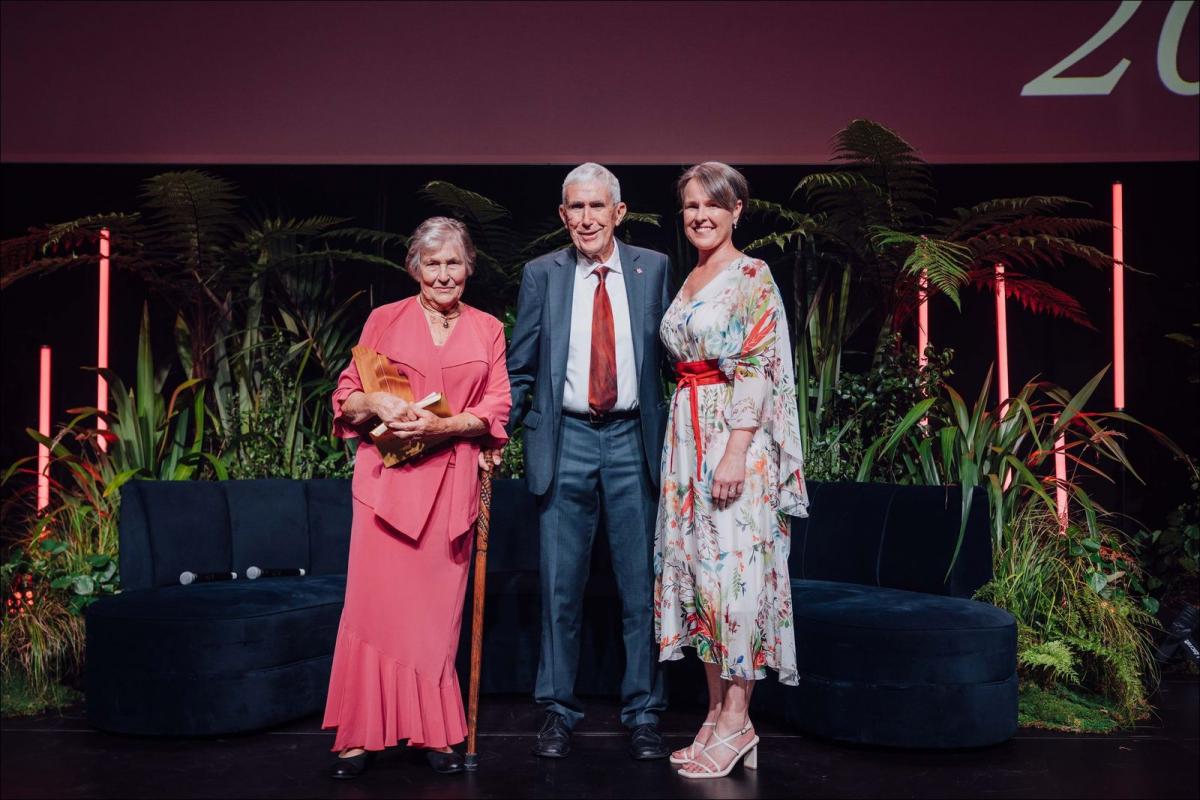
Alan and Hazel Kerr share Senior New Zealander of the Year Award 2026
Dr Alan and Hazel Kerr describe themselves as ‘just ordinary old Kiwis’, despite being named as the 2026 Ryman Healthcare Senior New Zealanders of the Year Te Mātāpuputu o te Tau.
The amazing couple prompted a standing ovation at a star-studded Auckland event which recognised their tireless efforts, with Alan travelling to and from Gaza and the West Bank 40 times to help children over 20 years, and Hazel travelling 20 times.
Click read more to find out more.
 Loading…