





A Beginners Guide to Curtain Tassels, Trims, Pelmets & Tiebacks
It’s no secret that curtains can make or break a room. The colours, patterns and style are an essential part of trying a room together and creating a particular mood. However, there’s more to a perfect curtain than just the fabric and cut. As interior design trends move away from clean, minimalistic Scandinavian styles - no curtain is complete without a tassel, trims, pelmet or tieback. In 2021, it’s all about more glamorous styles like Modern Luxe and Modern Classic. Feeling confused? Don’t worry, we’ve put together a beginner’s guide on all these finishing touches so you can make the right choice for your curtain style. Read on to find out more!
Tassels
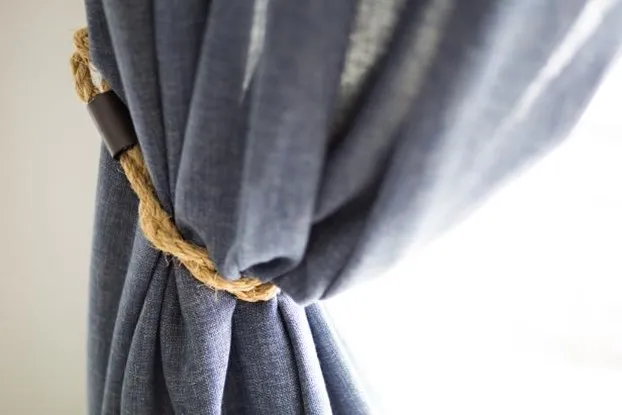
Tassels are an elegant cluster of strings or cords that are clumped together at one end and hang free at the other. Suitable for curtains rather than blinds, these finishing features are actually a practical decoration. The tassel’s shape acts as a weight at the bottom of the cord which helps keep the curtains pulled back without the need for bulky knots. Tassel’s come in a variety of colours and styles to suit any decor. However, they are on the flashier end of curtain finishings, so they’d best suit a living room or bedroom.
Trims
So, you’ve selected a style of curtain that sounds your decor - now it’s time to choose a trim. Trims refers to the decorative elements that add a touch of ornateness to your curtains, and the sky’s the limit when it comes to style, pattern, colour and embellishments. Types of trim include:
Valances
You’ve heard of valances on beds, but when it comes to curtains and blinds a valance refers to the fabric or panel added above a window. Typically, valances are used to hide a rod or track and add a touch of chic to any room. The style options are endless - you can add embellishments like beads or pom-poms. However, avoid adding anything to the sides of your roller blinds, though, as this can become entangled in the roller blind mechanism at the top and prevent them from rolling and unrolling properly.
Keep reading: www.curtainclean.co.nz...

Don't overthink this riddle...
I have a silver sole
but no feet,
I make my living by bringing the heat.
What am I?
Do you think you know the answer? Simply 'Like' this post if you know the answer and the big reveal will be posted in the comments at 2pm on the day!
Want to stop seeing these in your newsfeed?
Head here and hover on the Following button on the top right of the page (and it will show Unfollow) and then click it. If it is giving you the option to Follow, then you've successfully unfollowed the Riddles page.

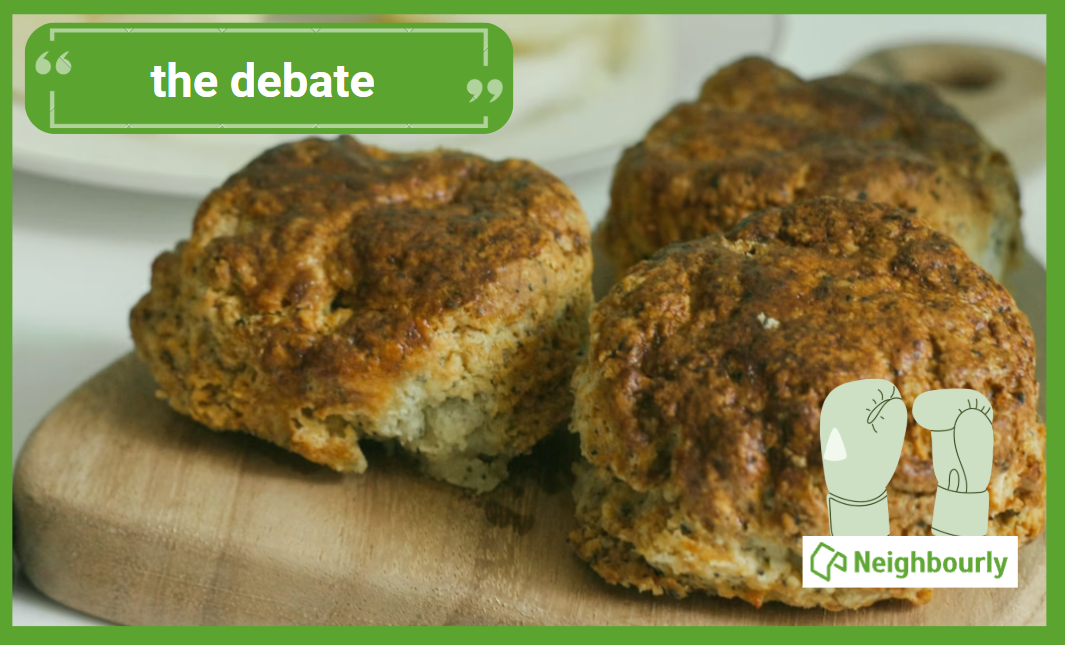
Poll: Does a savoury scone require cheese on top, or folded inside?
Help settle the great kiwi debate ... cheese on top, or folded inside?
-
76.5% Inside!
-
23.5% On top!

A reminder this hunting season
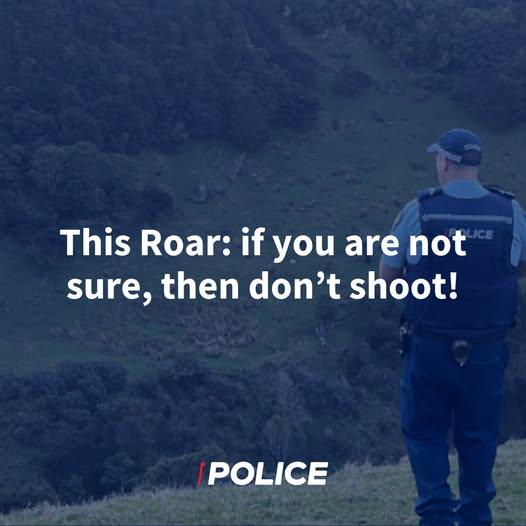
As thousands of hunters are making their plans for autumn – the Roar – recreational firearms groups are urging hunters to always be 100% sure of their targets.
Te Tari Pureke - Firearms Safety Authority NZ, which chairs the Recreational Firearms Users Group, has begun a public information campaign reminding hunters everywhere of Rule #4 of the Firearms Safety Code: to identify their target beyond all doubt.
Director Communities and Corporate, Mike McIlraith, says there is an estimated 50,000-60,000 New Zealanders involved in big game animal hunting each year, and the Roar is the key event for many hunters each year.
“The Roar is a fantastic time of year for hunters to get out into the hills after a trophy animal but hunting safely and making sure everyone gets home in one piece, still must be the most important goal of every trip,” says Mike McIlraith.
“The consequences of not fully identifying your target beyond all doubt can be catastrophic. Our message to hunters is a really simple one: If you are not sure, then don’t shoot.”
Mike McIlraith says while hunting fatalities are thankfully rare, research has shown that misidentification of the target is the largest firearms related risk to New Zealand deer hunters, and 80% of the time this involves members of the same hunting group.
The Authority says hunters should not feel pressured to take a shot: “Instead, hunters should take the time to analyse their target, wait and see if it is a hind or stag, how old is the animal, how many points does its antlers have? Identifying your target means never firing at sound, shape, colour or movement alone.”
Mike McIlraith says good hunters will slow down, and run through some simple mental checks:
- Can I see the whole animal, or could this be another hunter?
- Where are my hunting companions – could this be them or someone else?
- How much of the animal can you see, if it is a hind or stag, how old is the animal, how - many points does its antlers have?
“Taking a little extra time to identify your target and check the firing zone is the key to safer hunting. No meat or no trophy is better than no mate,” he says.
 Loading…