






BirdCare appeals for public support ahead of baby bird influx
Kia ora neighbours, New Zealand’s largest wildlife hospital and rehabilitation centre is appealing for public support as they prepare for
an influx of baby birds.
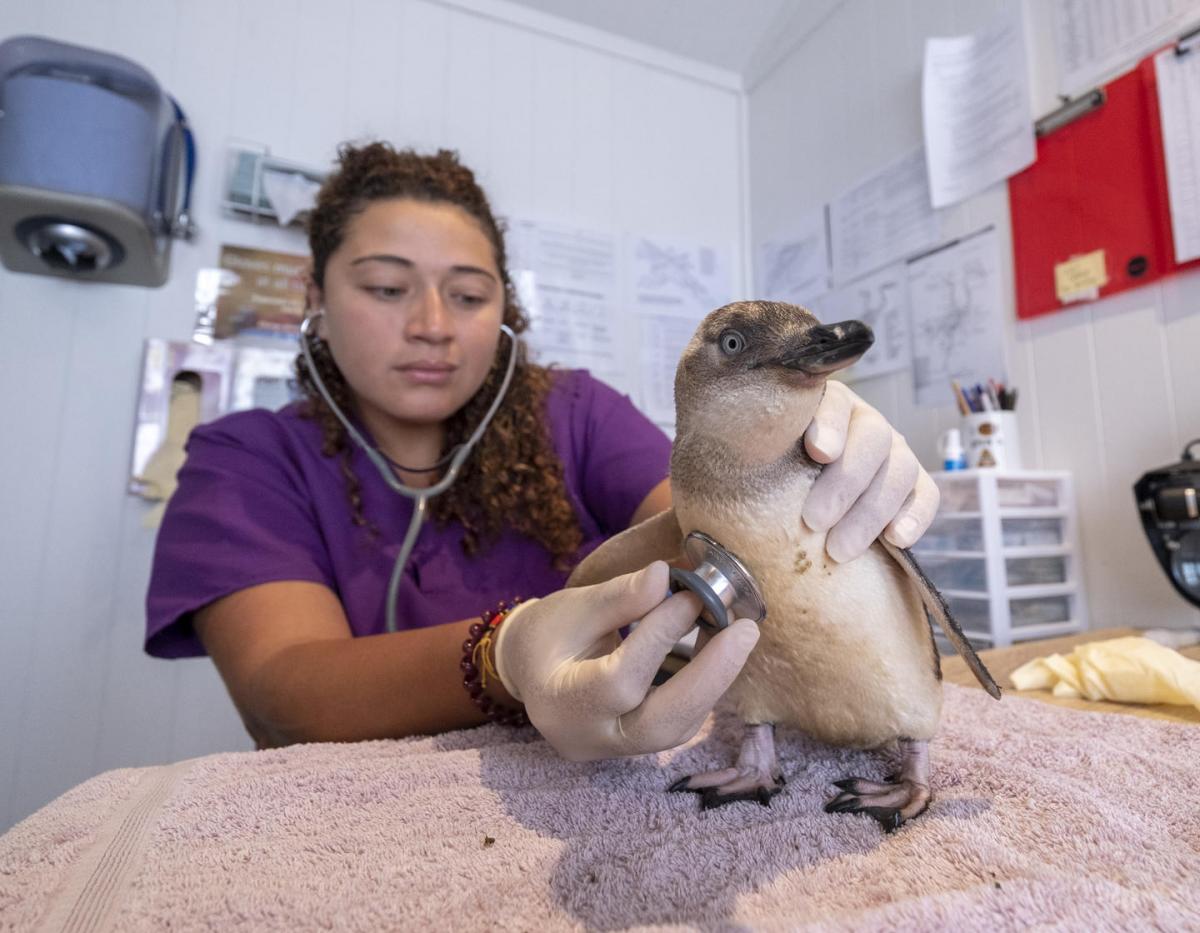
BirdCare Aotearoa is a registered charity dedicated to caring for sick, injured and orphaned wild birds.
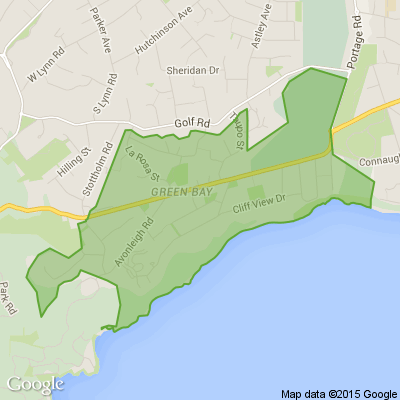
Over 6,000 birds are delivered to their centre in Green Bay, Auckland every year.
The centre’s admissions have been steadily increasing, with a 20% increase in admissions this year.
“Barely two weeks into spring, we’ve already admitted over 150 ducklings as well as a few other chicks including an orphaned pūkeko and a tiny ōi (grey-faced petrel),” says General Manager, Dr Lynn Miller.
“The bulk of our financial support comes through the front door – donations from very kind and generous people in the community who have rescued birds, supplemented by community grants,” says Fundraising and Development Coordinator, Bianka Atlas.
“We’re in the wake of a particularly challenging couple of years and are feeling the pinch."
The charity has launched a two-week crowdfunding campaign (click the link below), and hope to raise $15,000 to help cover food, essential medication and housing.

Poll: Should we ditch daylight saving? 🕰️
First introduced in New Zealand in 1927 with the passing of the Summer Time Act, it's what we know as 'Daylight Saving' and this year it ends on the first Sunday in April.
While we do get to sleep in this time around, some people would like to scrap the clock tinkering for good.
And why? Some evidence suggests the time changes are bad for our health as they mess with sleep patterns leading to short-term fatigue and affecting mood. Meanwhile the hour change is frustrating for farmers and a nightmare for getting the littlies to sleep. But what's your take?

-
33.3% Yes - get rid of the clock changes
-
65.6% No, I enjoy it
-
1% Other - I'll share below

Poll: How important is the ability to book a doctor’s appointment online?
Hi Neighbours
Here at The Doctors we would love to hear how you prefer to book your doctor’s appointments. With busy schedules, different people find different methods easier.
For some, online booking is very convenient, you can make an appointment anytime without needing to wait on the phone. Others still prefer calling the clinic and speaking to a real person, especially if they have specific questions about their visit.
Your feedback helps us understand what works best for our patients and how we can improve access to care.

-
39.7% I prefer booking online whenever possible
-
20.9% Online booking is helpful but not essential
-
35.8% I prefer calling the clinic
-
3.6% I didn’t know online booking was available
Poll: Does a savoury scone require cheese on top, or folded inside?
Help settle the great kiwi debate ... cheese on top, or folded inside?

-
76.3% Inside!
-
23.7% On top!
 Loading…