





The Green Side of Wool
We have a soft spot for sheep. For many, sheep are symbolic to New Zealand culture with the rearing of sheep being the backbone of the economy for many years.
Sheep farming was established in New Zealand by the 1850s and for several decades wool accounted for more than one third of New Zealand’s exports by value, with the sheep population peaking at just over 70 million in 1982.
This number is significant when compared to New Zealand’s human population of 5 million. By 2020 sheep numbers dropped to 26 million following a decline in profitability compared to other types of farming, particularly dairy.
While also farmed as a food source, today’s article focuses on sheep wool and its environmental attributes.
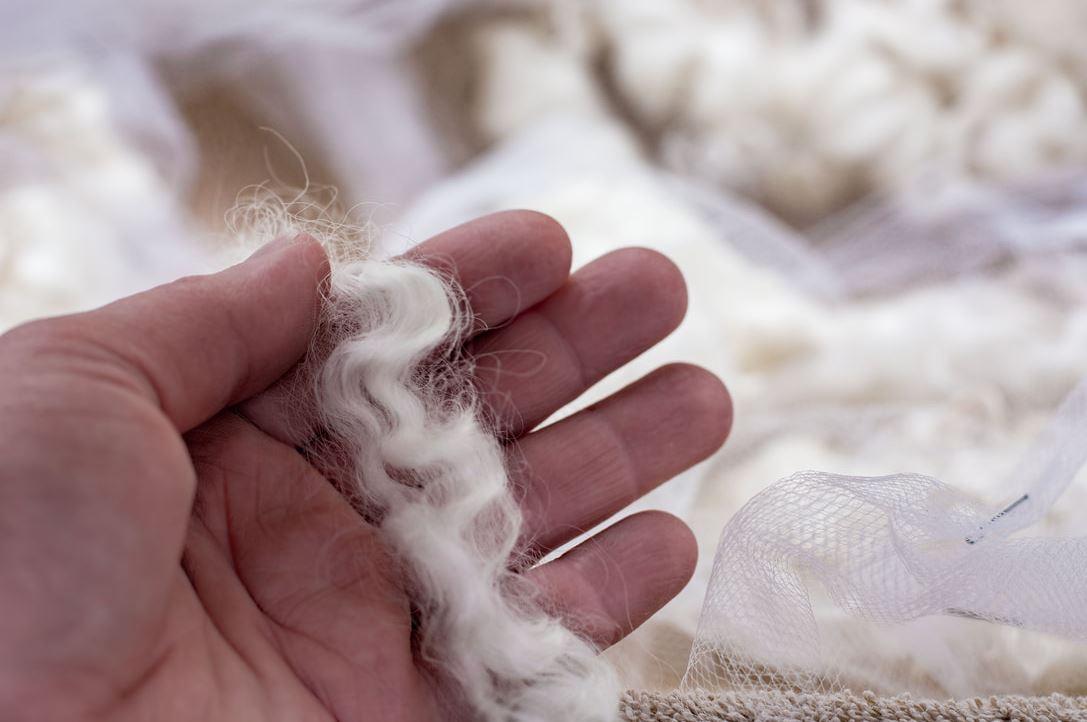
Wool is a natural and renewable resource and as long as our beloved sheep are eating our tasty green pastures they will always produce wool. Wool has amazing properties that make it ideal for many applications from home furnishings to underwear.
Cotton and synthetic fibres are currently the most commonly produced fibres globally, however, their performance and environmental benefits do not compare to wool.
From Wool to Yarn
The wool clip (the total yield of wool shorn during one season from the sheep) is sent to the scourers where it is cleaned and dried before being spun into yarn. The yarn is then sent to the textile manufacturer where many different processes are involved.
The yarn is wound onto dye cones to be dyed the required colours. Next the yarn is warped onto beams which are threaded through the loom, allowing the weft yarn to run across the warp and create a woven fabric.
The fabric is then inspected, washed, and dried. Very few chemicals are used in the processing, typically only water and heat.
Keep reading: www.curtainclean.co.nz...

Don't overthink this riddle...
I have a silver sole
but no feet,
I make my living by bringing the heat.
What am I?
Do you think you know the answer? Simply 'Like' this post if you know the answer and the big reveal will be posted in the comments at 2pm on the day!
Want to stop seeing these in your newsfeed?
Head here and hover on the Following button on the top right of the page (and it will show Unfollow) and then click it. If it is giving you the option to Follow, then you've successfully unfollowed the Riddles page.


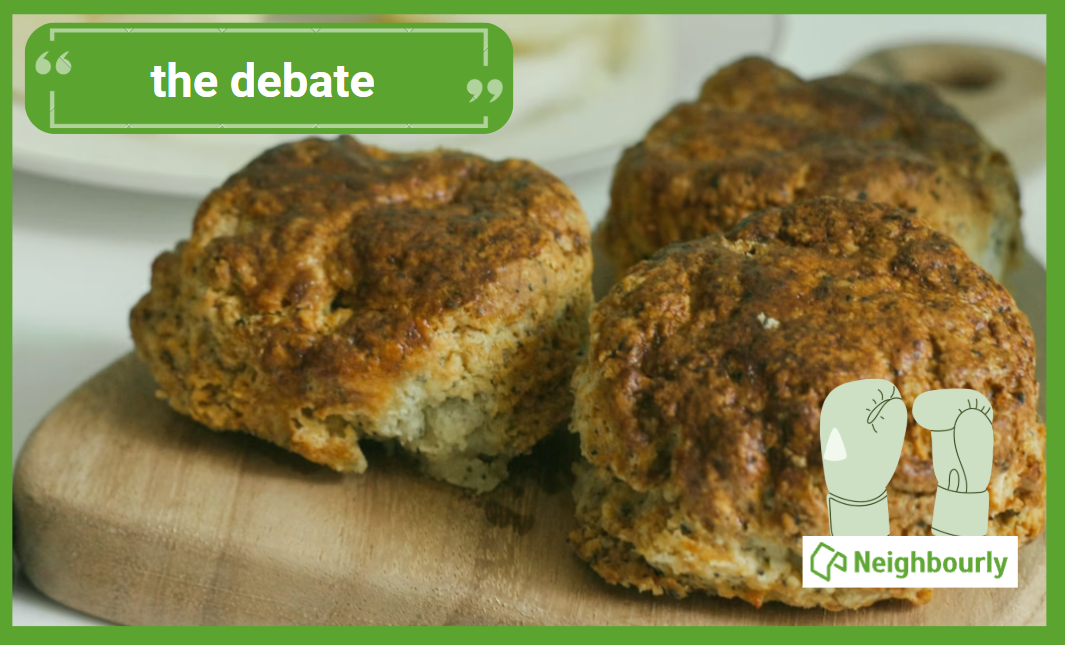
Poll: Does a savoury scone require cheese on top, or folded inside?
Help settle the great kiwi debate ... cheese on top, or folded inside?
-
76.4% Inside!
-
23.6% On top!
Got more greens than you know what to do with? 🥦🌱🥕
Whether it’s a courgette takeover or a feijoa frenzy, don’t let those garden gems go to waste!
Our suggestion to you: Did you know you can grate and freeze excess courgettes to use in chocolate cake later? It sounds a bit dodgy, but it makes the cake incredibly moist ... and hey, it counts as a serving of veg, right? 🍫
What’s your go-to move for a bumper harvest? Drop your best "glut" recipes or preservation hacks in the comments below! 👇
 Loading…