





Understanding Māori Culture - Matariki
Matariki is the Māori name for the Pleiades star cluster.
It rises during Pipiri (June/July) and marks the beginning of the Māori new year. The word is an abbreviation of Ngā Mata o te Ariki (Eyes of God) in reference to Tāwhirimātea, god of the wind and weather. In the story of creation, Tāne Mahuta (god of the forest) separated his parents Ranginui and Papatūānuku, and his brother Tāwhirimātea got upset and tore out his eyes, crushed them into pieces and thew them into the sky.
Traditionally, Maori iwi, or communities, would gather together at night during a time of the constellation's prominence, making use of the period between harvests to celebrate and make offerings for a bountiful future.
When Matariki disappeared in April/May, it was time to preserve crops for the winter season. When it re-appeared in June/July its appearance was said to predict the success of the season ahead; clear bright stars are a good omen and hazy stars predict a cold, harsh winter. The brightness of each individual star predicts the fortunes of a specific thing that star represents, such as the wind or food that grows in trees.


Poll: Should the government levy industries that contribute to financial hardship?
As reported in the Post, there’s a $30 million funding gap in financial mentoring. This has led to services closing and mentors stepping in unpaid just to keep helping people in need 🪙💰🪙
One proposed solution? Small levies on industries that profit from financial hardship — like banks, casinos, and similar companies.
So we want to hear what you think:
Should the government ask these industries to contribute?

-
58.6% Yes, supporting people is important!
-
25.5% No, individuals should take responsibility
-
15.8% ... It is complicated

A Neighbourly Riddle! Don’t Overthink It… Or Do?😜
Do you think you know the answer? Simply 'Like' this post if you know the answer and the big reveal will be posted in the comments at 2pm on the day!
If you multiply this number by any other number, the answer will always be the same. What number is this?


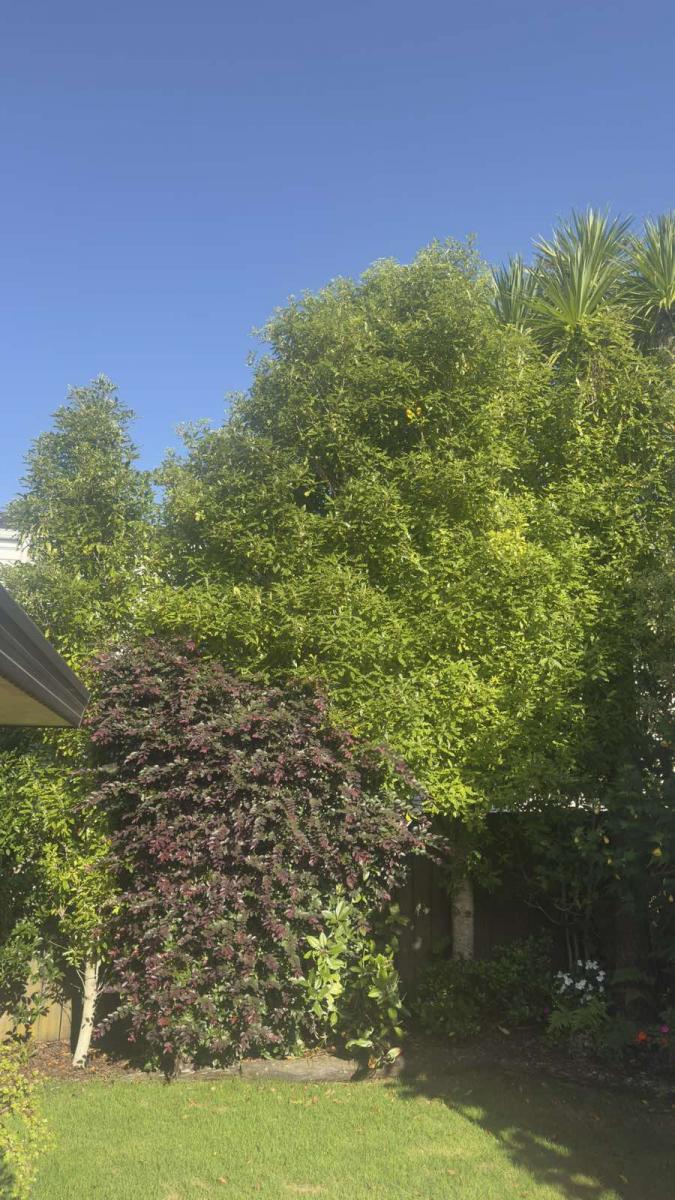
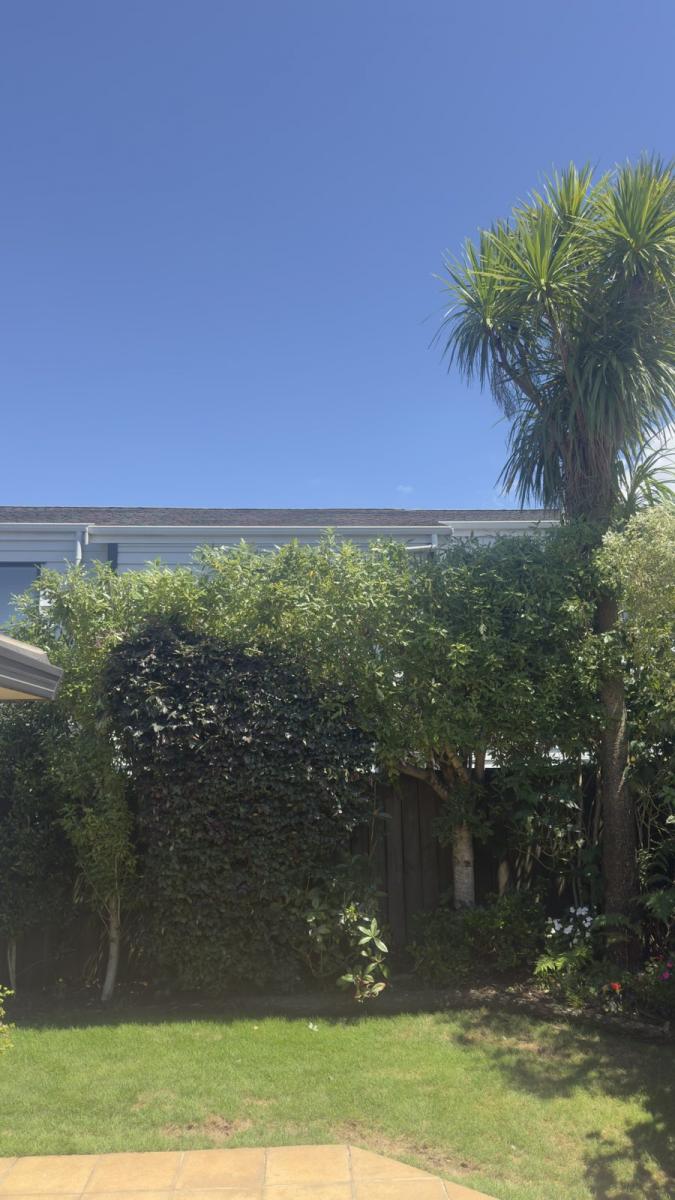
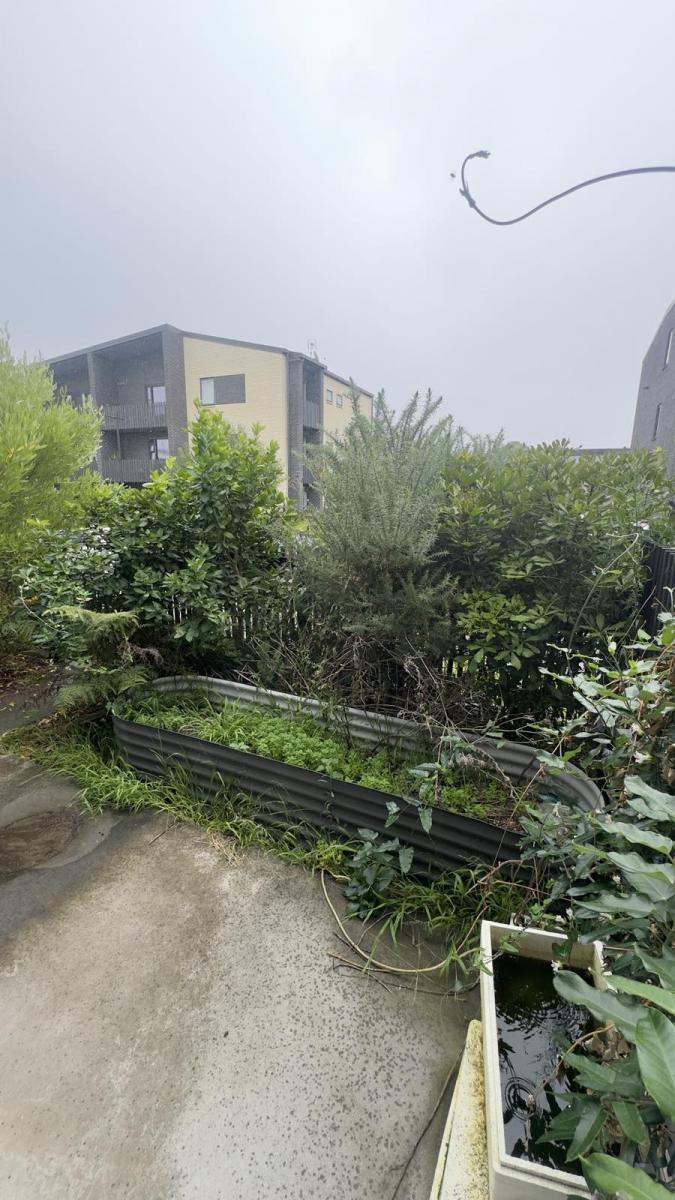
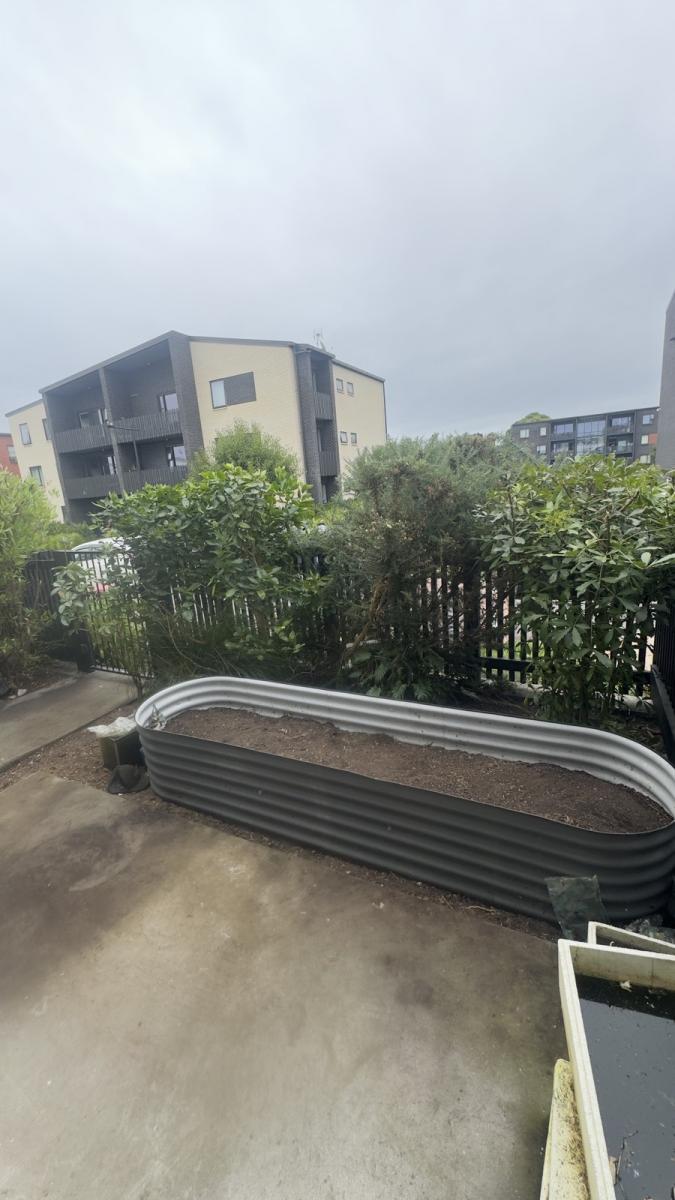
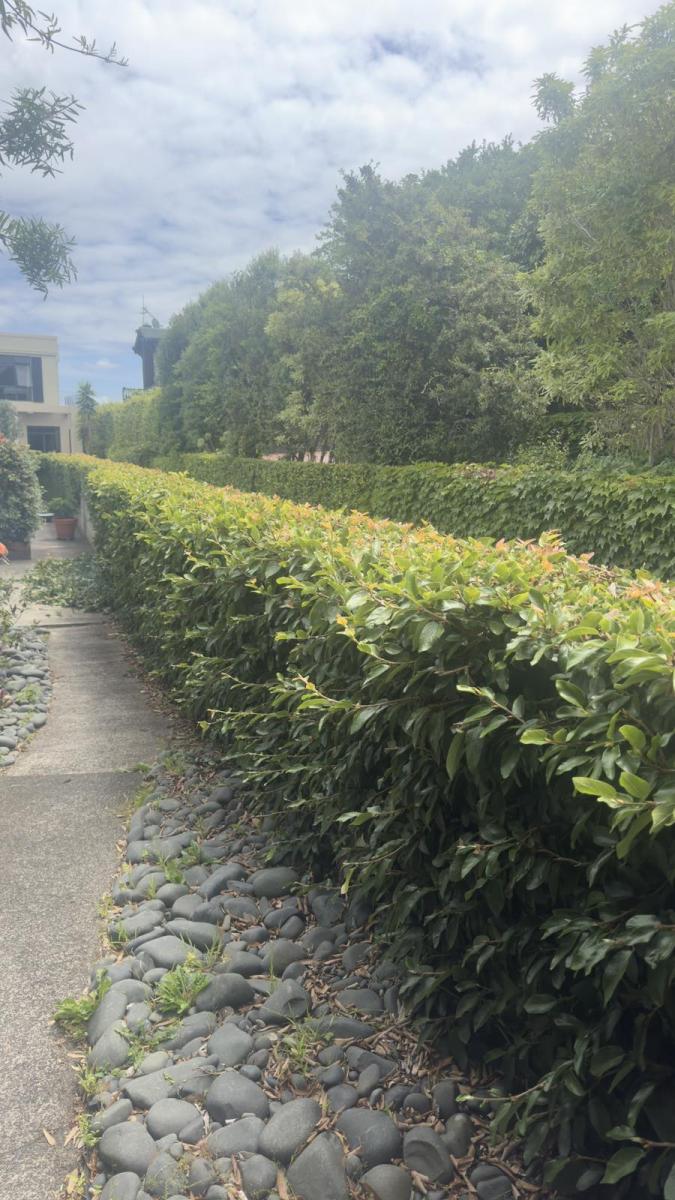
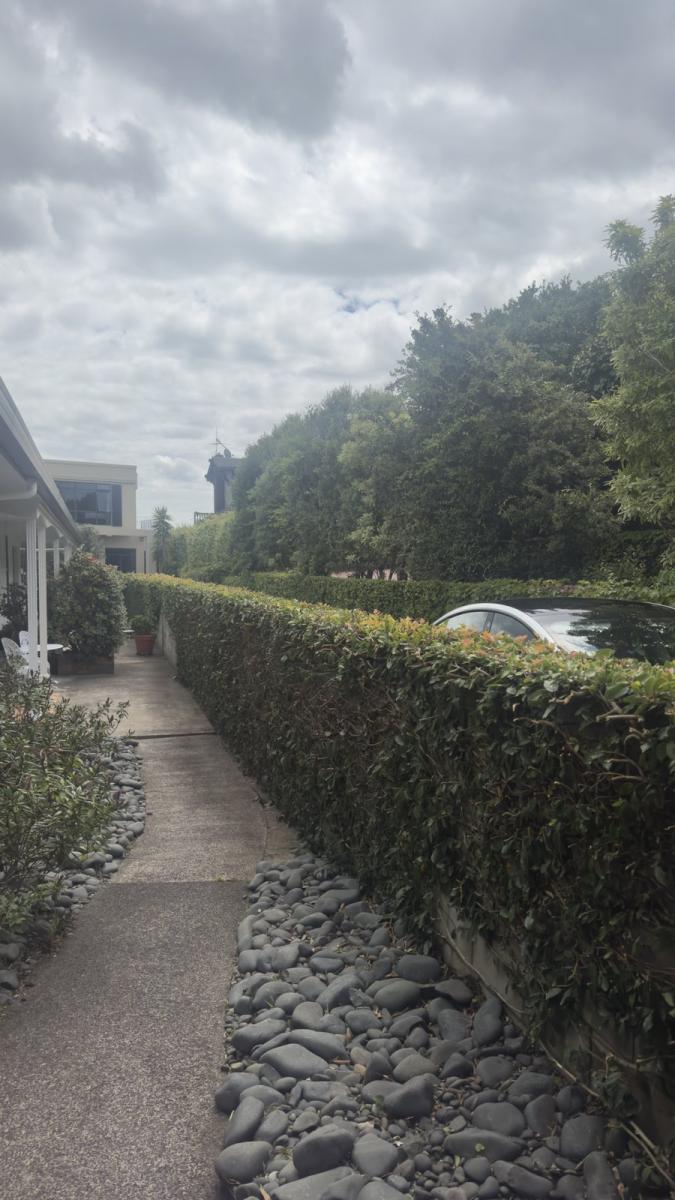
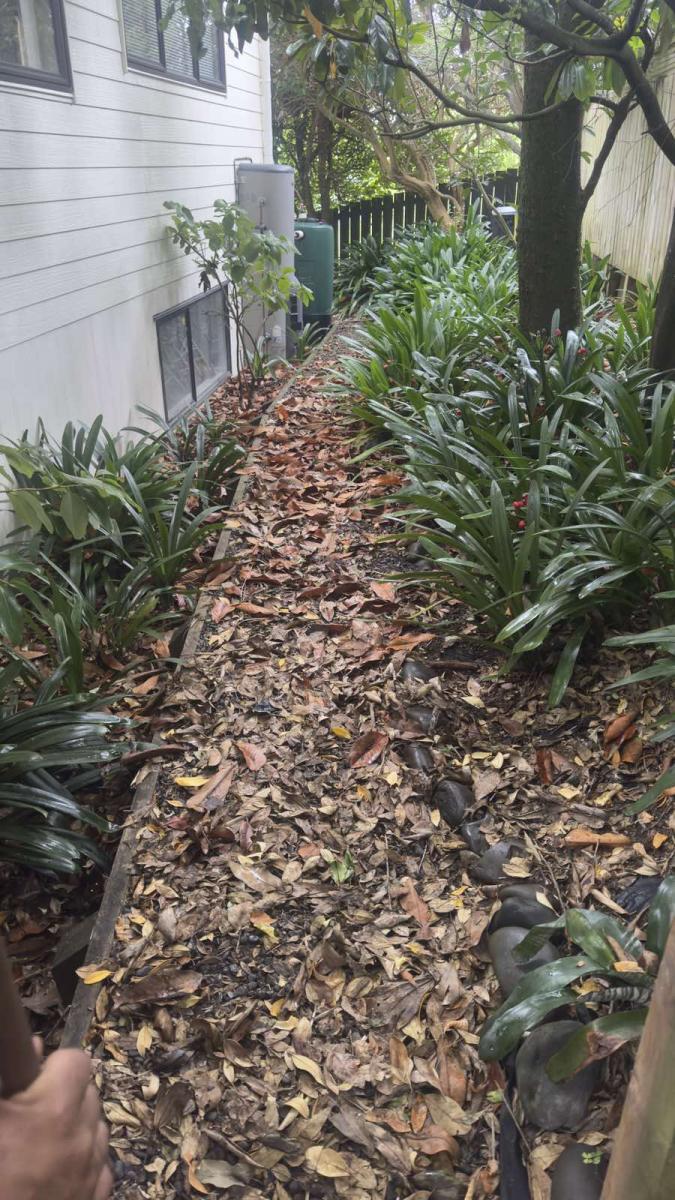
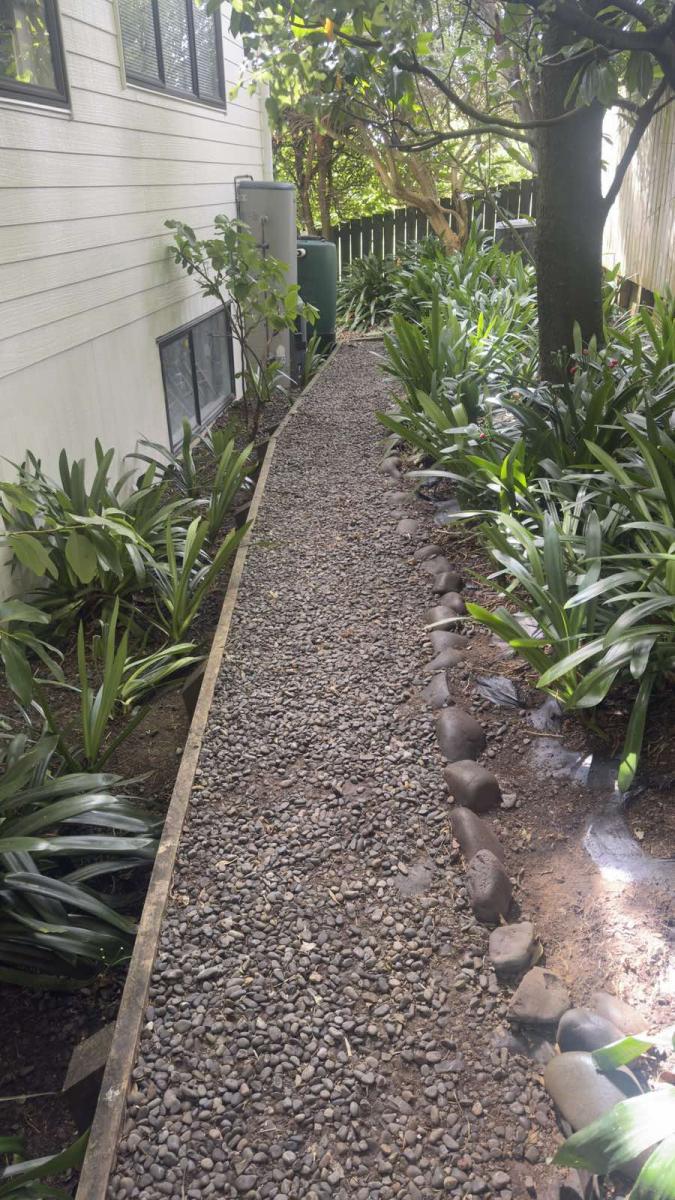
Gardening and Painting Services
Our team is ready to give a makeover to your garden and a fresh paint/look to your interior and exterior of your house
Call, Text or email us for a free quote
027 944 4449
alexandlinda9@gmail.com
www.alexandlinda.co.nz....
Trimming/Cutting Hedges and Trees
Digging out/Removing overgrown unwanted plants/flowers
Seasonal Clean-up/Big Garden Clean up
Mixed/Green Waste Removal
Floor and Tile Painting
Indoor/Outdoor painting
Deck/Fence Painting/Staining
 Loading…