






Benefits of Shopping
Many older adults lead active, fulfilling lives that break down the stereotype of aging grandparents sitting passively on rocking chairs waiting for family visits. These older individuals are integrated, interactive participants in their communities, which in turn contributes to their wellbeing overall.
However, being active does not necessarily mean seniors need a full schedule of planned activities. Studies indicate engaging in daily life activities can have far-reaching benefits. Shopping, for example, is a daily life activity that can stimulate cognitive processes, provide physical benefits, and function as a leisure pursuit that promotes social engagement. This simple, daily activity may be a strong factor in quality of life for seniors who may not be as active or physically well as their counterparts.
Since shopping is an common activity, most people do not consider the cognitive processes involved in making everyday purchases. Shoppers must identify items needed, determine where the items can be obtained, evaluate and compare before and after purchase, and determine value as compared to cost. While engaging in these processes can sometimes be attributed to buying habits, seniors who regularly shop are stimulating the areas of the brain involved in the decision-making process.
The physical benefits are notable as well. Older adults who shop regularly may actually live longer than those who do not. One study of more than 1800 individuals aged 65 or over showed that participants who shopped every day, particularly men, had a 27% lower risk of death than those who did not. Researchers reason that it is possible that the physical activity (walking) involved in shopping, the opportunity for these older individuals to buy food and make buying decisions that positively affected good diet and health, and the social interaction may be key components of this decrease risk.
This last component, social interaction, is one that may affect life span because it affects life quality. Some studies of social engagement related to longevity show that older adults who are more socially engaged had 50% increased chance of living longer than those who were more isolated. The shopping experience can add to social engagement by allowing the older adult to meet and interact new people during the outing as well as using the outing as a social experience with friends and family.
Perhaps the most appealing aspect of shopping as a life-enriching activity is that it can be enjoyed by most older adults, even those who may have health problems. With a little help from family, friends, or even caregivers when required, seniors with mobility or transportation challenges can experience the cognitive, health, and social benefits a day on the town can provide.
Manukau East Shopping Shuttle 0800 632 677


Poll: Should the government levy industries that contribute to financial hardship?
As reported in the Post, there’s a $30 million funding gap in financial mentoring. This has led to services closing and mentors stepping in unpaid just to keep helping people in need 🪙💰🪙
One proposed solution? Small levies on industries that profit from financial hardship — like banks, casinos, and similar companies.
So we want to hear what you think:
Should the government ask these industries to contribute?

-
61.4% Yes, supporting people is important!
-
22.5% No, individuals should take responsibility
-
16.1% ... It is complicated

A Neighbourly Riddle! Don’t Overthink It… Or Do?😜
Do you think you know the answer? Simply 'Like' this post if you know the answer and the big reveal will be posted in the comments at 2pm on the day!
If you multiply this number by any other number, the answer will always be the same. What number is this?

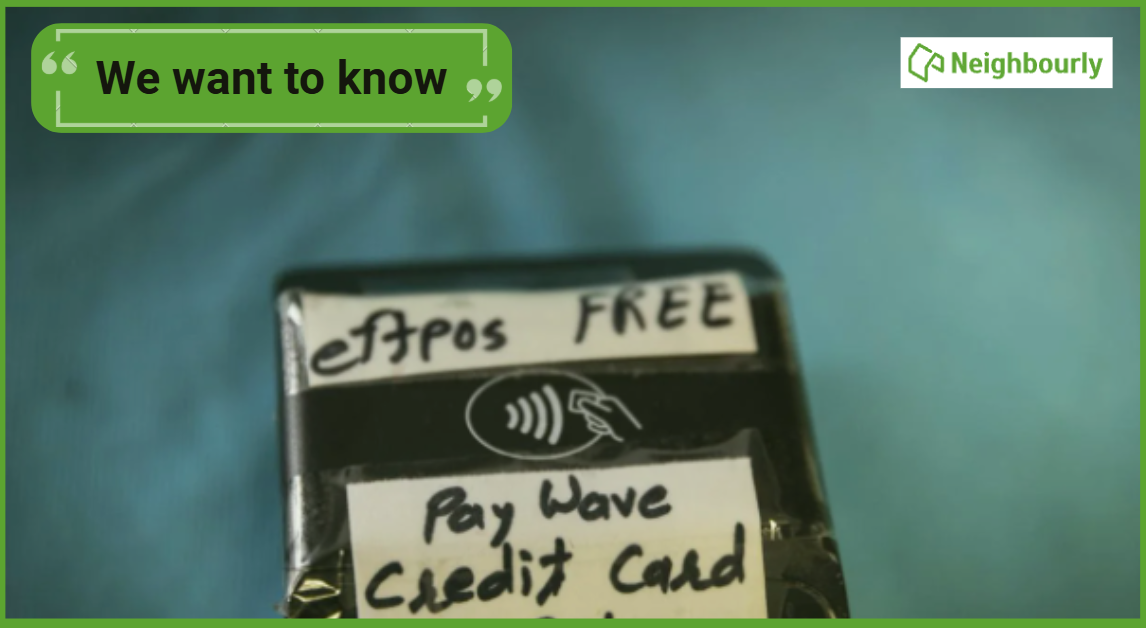
Poll: As a customer, what do you think about automation?
The Press investigates the growing reliance on your unpaid labour.
Automation (or the “unpaid shift”) is often described as efficient ... but it tends to benefit employers more than consumers.
We want to know: What do you think about automation?
Are you for, or against?
-
9.7% For. Self-service is less frustrating and convenient.
-
43.2% I want to be able to choose.
-
47.1% Against. I want to deal with people.
 Loading…