






Experience the colours of Aotearoa
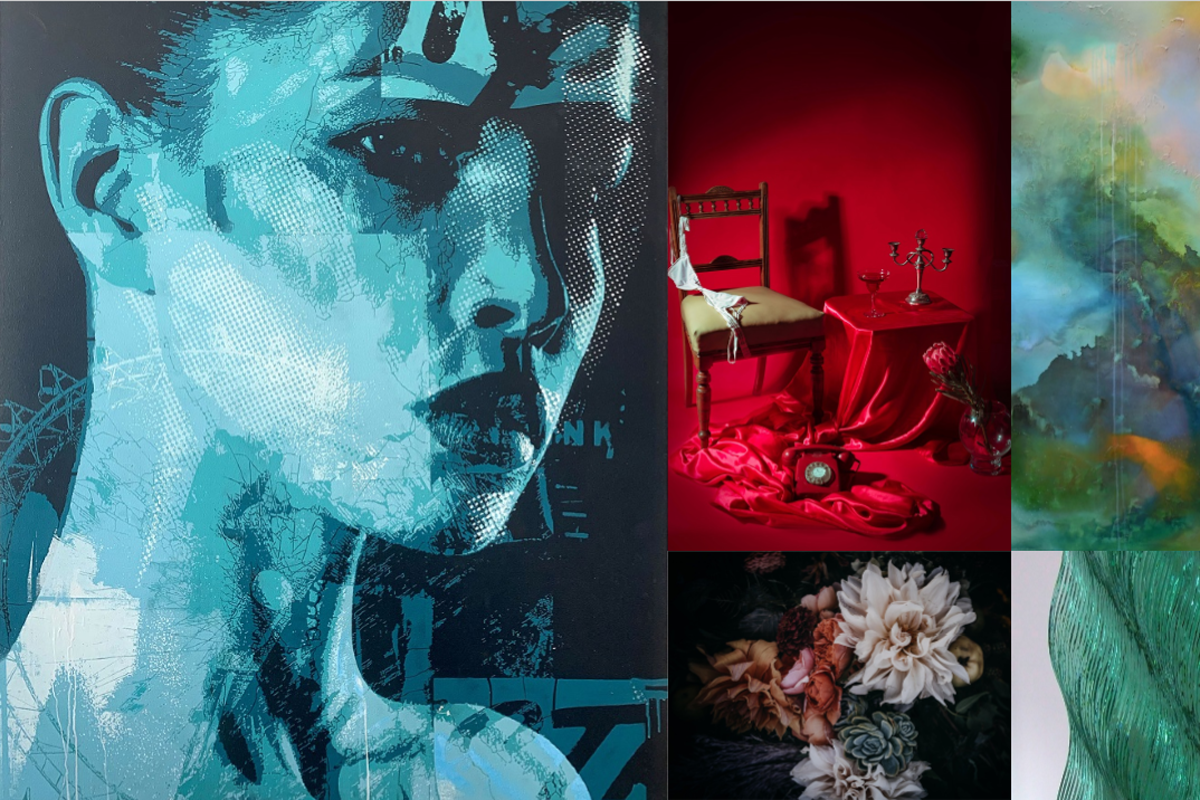
Resene is proud to be supporting the 17th annual NZ Art Show - this year with a twist! More than 150 emerging contemporary artists are set to inspire any art collector in this dynamic virtual exhibition.
This new initiative is the brainchild of the show as it embraces the opportunity to continue to support some of NZ’s hottest new artists on the art scene despite the limitations of Covid-19 lockdown.
All artists have been selected by a panel of experts, promising quality and talent deserved of any collection. Art lovers can be assured that they can purchase with confidence, liaising directly with the artists.
Visitors can explore new artworks by some of the show’s favourite and most successful artists including Jane Blackmore, Runa + Holly, Tanya Blong, Joel Hart and Nikki Corbishley while discovering the hottest and newest artists on the NZ Arts scene. Glass works by the talented Richard Landers (a crowd favourite at last year’s show) also feature, alongside contemporary photographic works, exquisite and traditional watercolours, gorgeous florals, and artworks that provoke thought and conversation.
Go to artshow.co.nz where you can browse and purchase hundreds of original artworks all from the comfort of your own home from May 1st. Show your support and help keep the arts alive and active in NZ!

Poll: Should the government levy industries that contribute to financial hardship?
As reported in the Post, there’s a $30 million funding gap in financial mentoring. This has led to services closing and mentors stepping in unpaid just to keep helping people in need 🪙💰🪙
One proposed solution? Small levies on industries that profit from financial hardship — like banks, casinos, and similar companies.
So we want to hear what you think:
Should the government ask these industries to contribute?

-
58.9% Yes, supporting people is important!
-
26.1% No, individuals should take responsibility
-
15% ... It is complicated

Have you got New Zealand's best shed? Show us and win!
Once again, Resene and NZ Gardener are on the hunt for New Zealand’s best shed! Send in the photos and the stories behind your man caves, she sheds, clever upcycled spaces, potty potting sheds and colourful chicken coops. The Resene Shed of the Year 2026 winner receives $1000 Resene ColorShop voucher, a $908 large Vegepod Starter Pack and a one-year subscription to NZ Gardener. To enter, tell us in writing (no more than 500 words) why your garden shed is New Zealand’s best, and send up to five high-quality photos by email to mailbox@nzgardener.co.nz. Entries close February 23, 2026.

Even Australians get it - so why not Kiwis???
“Ten years ago, if a heatwave as intense as last week’s record-breaker had hit the east coast, Australia’s power supply may well have buckled. But this time, the system largely operated as we needed, despite some outages.
On Australia’s main grid last quarter, renewables and energy storage contributed more than 50% of supplied electricity for the first time, while wholesale power prices were more than 40% lower than a year earlier.
[…] shifting demand from gas and coal for power and petrol for cars is likely to deliver significantly lower energy bills for households.
Last quarter, wind generation was up almost 30%, grid solar 15% and grid-scale batteries almost tripled their output. Gas generation fell 27% to its lowest level for a quarter century, while coal fell 4.6% to its lowest quarterly level ever.
Gas has long been the most expensive way to produce power. Gas peaking plants tend to fire up only when supply struggles to meet demand and power prices soar. Less demand for gas has flowed through to lower wholesale prices.”
Full article: www.theguardian.com...
If even Australians see the benefit of solar - then why is NZ actively boycotting solar uptake? The increased line rental for electricity was done to make solar less competitive and prevent cost per kWh to rise even more than it did - and electricity costs are expected to rise even more. Especially as National favours gas - which is the most expensive form of generating electricity. Which in turn will accelerate Climate Change, as if New Zealand didn’t have enough problems with droughts, floods, slips, etc. already.
 Loading…