




Kiwi confirmed in Coromandel reserve
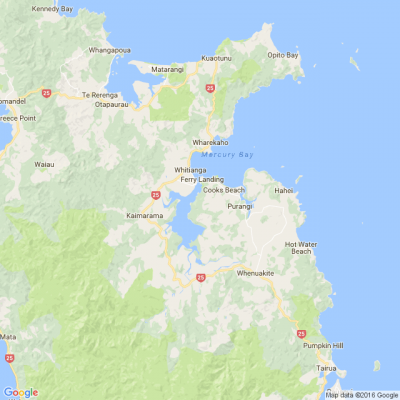
Conservation groups on the central east coast of the Coromandel Peninsula are marking a major success, with confirmation of a population kiwi in a scenic reserve in the settlements of Matarangi and Kuaotunu.
Representatives from Project Kiwi and Rings Beach Wetland Group spent several consecutive nights in the reserve through June conducting audio monitoring for kiwi calls - essentially sitting quietly and recording kiwi calls, noting time, sex, distance and direction of the calls between 6pm and 8pm.
Dave Fitzgerald, the Secretary of Rings Beach Wetland Group, says the confirmation of the kiwi is the culmination of a long period of commitment and work by volunteers and supporters.
“We’re really excited – it’s very encouraging. It really shows the efforts of a number of people over many years is really paying off.”
He was involved in the monitoring and says the number of calls gradually increased over the course of the monitoring – with female birds heard responding to their male counterparts on the second night.
“We’re presuming there are at least two breeding pairs in there,” he says. “We noticed on one night an old pine tree stump which had been heavily carved at by kiwi, and kiwi droppings around that – they’d been looking for insects.”
Project Kiwi spokesperson Paula Williams says the confirmation kiwi are in the reserve is significant on numerous levels.
“It shows the reserve is suitable habitat for kiwi and kiwi have arrived of their own volition,” she said.
“We will conduct surveys in this reserve over the next two years to collect baseline data, but my expectation is the data will show birds are living in the reserve, not passing through.”
Williams said the strong likelihood breeding pairs are among the reserve’s kiwi population is a particularly positive sign.
“Breeding pairs also tell us the habitat is good enough in terms of year-round water supply and food source for a pair to inhabit and raise chicks. Pairs also help anchor a population, so it is likely the reserve will retain some of its wandering juvenile kiwi and the population will self-seed.
“Breeding pairs mean baby chicks and present us with the knowledge and the challenge to provide a level of predator control where they will flourish and go on to breed too,” she said.
The reserve’s new status as a habitat for our national bird will connect the Kuaotunu and Whangapoua Forest kiwi populations, she said.
Chris Twemlow, a Ranger with the Department of Conservation’s Coromandel District, says the confirmation kiwi are in the reserve demonstrates the value of community groups’ conservation effort.
“Conservation volunteers put in a huge amount of work and make contributions the wider public doesn’t always see. We’re delighted to see such a great result as this illustrates the power of sustained collaborative effort.”
People can find out how to support the work of the Rings Beach Wetland group by emailing ringsbeachwetlandgroup@gmail.com


Poll: Should we ditch daylight saving? 🕰️
First introduced in New Zealand in 1927 with the passing of the Summer Time Act, it's what we know as 'Daylight Saving' and this year it ends on the first Sunday in April.
While we do get to sleep in this time around, some people would like to scrap the clock tinkering for good.
And why? Some evidence suggests the time changes are bad for our health as they mess with sleep patterns leading to short-term fatigue and affecting mood. Meanwhile the hour change is frustrating for farmers and a nightmare for getting the littlies to sleep. But what's your take?

-
40.8% Yes - get rid of the clock changes
-
57.4% No, I enjoy it
-
1.8% Other - I'll share below

Don't overthink this riddle...
I have a silver sole
but no feet,
I make my living by bringing the heat.
What am I?
Do you think you know the answer? Simply 'Like' this post if you know the answer and the big reveal will be posted in the comments at 2pm on the day!
Want to stop seeing these in your newsfeed?
Head here and hover on the Following button on the top right of the page (and it will show Unfollow) and then click it. If it is giving you the option to Follow, then you've successfully unfollowed the Riddles page.

Getting Started with Genealogy
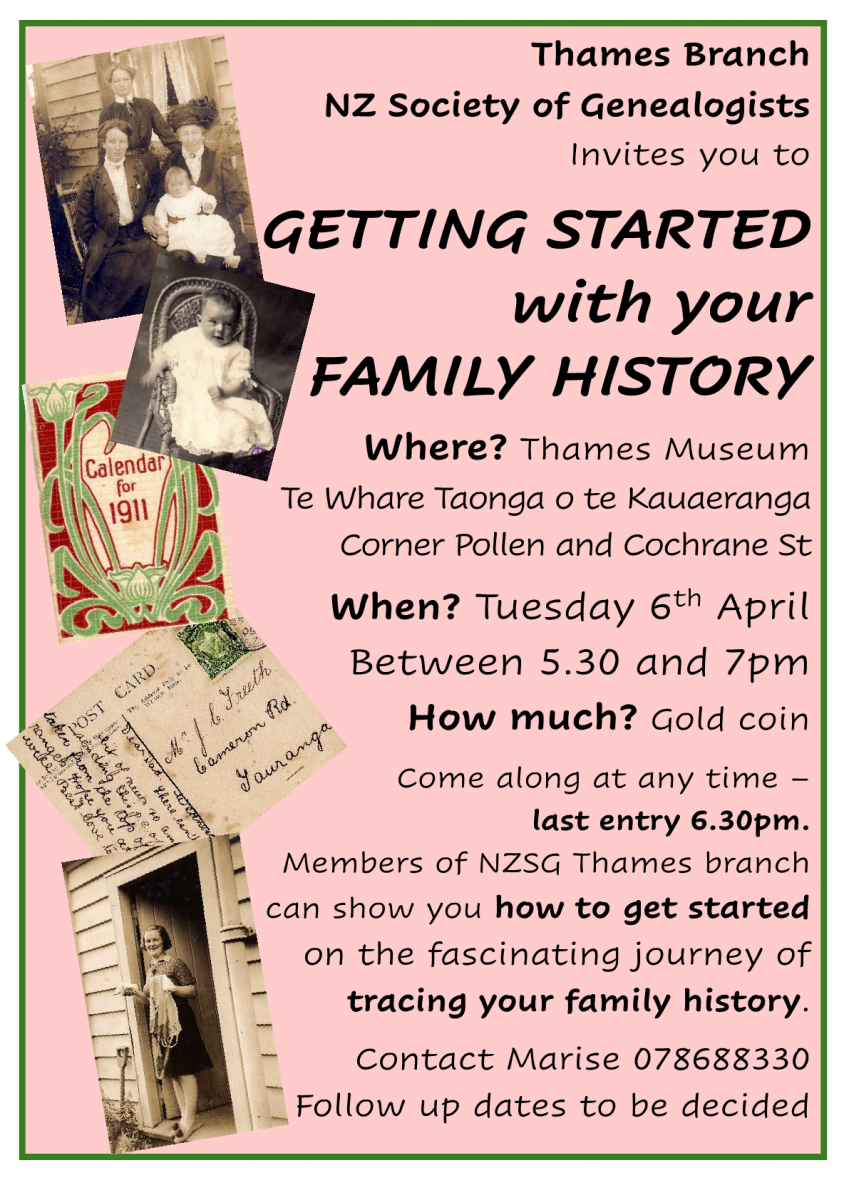
If you’d like to know more about how to research your family tree and its history, GETTING STARTED with YOUR FAMILY TREE with NZ Society of Genealogists Thames Branch and Thames Museum te Whare Taonga o te Kauaeranga is for you. We’re looking forward to getting you started.
 Loading…