





Unwanted computers needed for school education programme
Kia ora,
I deliver an environmental education programme called Know Waste in Whangarei promoting the recycling of electronics and reducing waste sent to landfill. As part of the lesson students get to dismantle a desktop computer but I am having trouble finding enough computers to keep up with demand. If you generous people of Whangarei have any old desktop computers to donate please contact me at anton@cbec.co.nz or on 021 058 3126. They may also be dropped at 141 Lower Cameron street but please call on 09 4388 710 first. No dumping outside.
(UPDATE I can only take the computer tower/box part not the monitor/screen as they are potentially dangerous to dismantle)
Please everyone out there recycle your electronics including cellphones, don't put them in the rubbish! They contain not only valuable rare metals like gold, silver, platinum and Rare Earth Elements but also toxic heavy metals like Lead, Cadmium and Mercury. They can be recycled at the Re:sort on Kioreroa road.
Some scientists are predicting that in the future we will need to mine our landfills for these rare metals as supplies will become scarce if we keep dumping them.
Especially remember that the old boxy CRT TV screens contain a lot of LEAD which is a highly toxic heavy metal. These should not end up the landfill nor dumped in a drain or creek as they can contaminate the land and water terribly and permanently. I know it costs a lot to recycle them but that is because there are only a few facilities in the world that can recycle them (Sweden Japan, USA) and they are toxic, difficult to recycle and are bulky to freight overseas.
Overseas in some countries when electronics are purchased a small compulsory recycling fee is included in the cost which allows easy free drop off at its end of life. That is what we would advocate here in NZ rather than a pay when its dead system which discourages recycling from those who can't/won't pay.
Thanks for reading, hope you can help :-)

🧩😏 Riddle me this, Neighbours…
I am an odd number. Take away a letter and I become even. What number am I?
Do you think you know the answer?
Want to stop seeing these in your newsfeed? No worries! Simply head here and click once on the Following button.

Scam Alert: Bank cold calls
ASB is warning customers about reports of cold calls from scammers claiming to be from ASB. These scammers are trying to obtain personal information, including usernames, dates of birth, and verification codes sent to your mobile phone.
🛡️ The "Caller Check" Test
If you get a call from someone claiming to be from ASB and you’re unsure, just ask them for a Caller Check. You will then be able to verify the call through the app.
Remember, banks will:
❌ Never ask for your banking passwords, PINs, or verification codes
❌ Never need to know your full credit card number – especially the CVC
❌ Never ask you to download software or remotely access your device
❌ Never ask you to purchase gift cards or transfer funds.
If you have received a phone call and think your account has been compromised, call ASB on 0800 ASB FRAUD (0800 272 372), or visit your local branch.

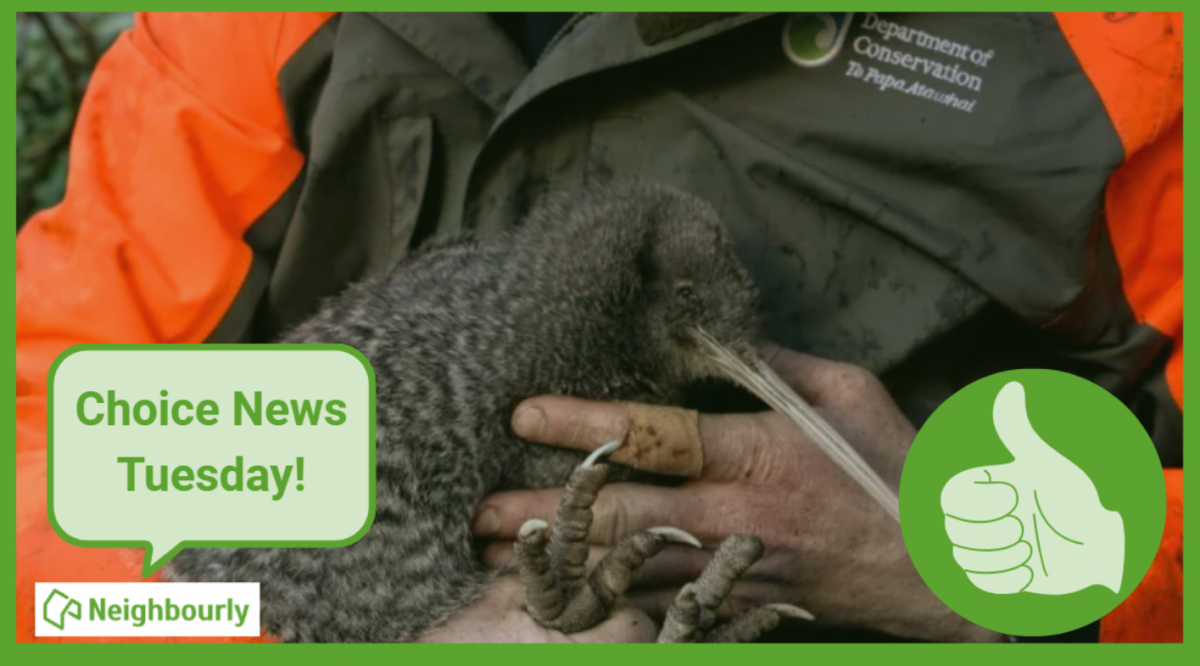
Some Choice News!
DOC is rolling out a new tool to help figure out what to tackle first when it comes to protecting our threatened species and the things putting them at risk.
Why does this matter? As Nikki Macdonald from The Post points out, we’re a country with around 4,400 threatened species. With limited time and funding, conservation has always meant making tough calls about what gets attention first.
For the first time, DOC has put real numbers around what it would take to do everything needed to properly safeguard our unique natural environment. The new BioInvest tool shows the scale of the challenge: 310,177 actions across 28,007 sites.
Now that we can see the full picture, it brings the big question into focus: how much do we, as Kiwis, truly value protecting nature — and what are we prepared to invest to make it happen?
We hope this brings a smile!
 Loading…