





NRC - Free Household Hazardous Waste: Amnesty Days
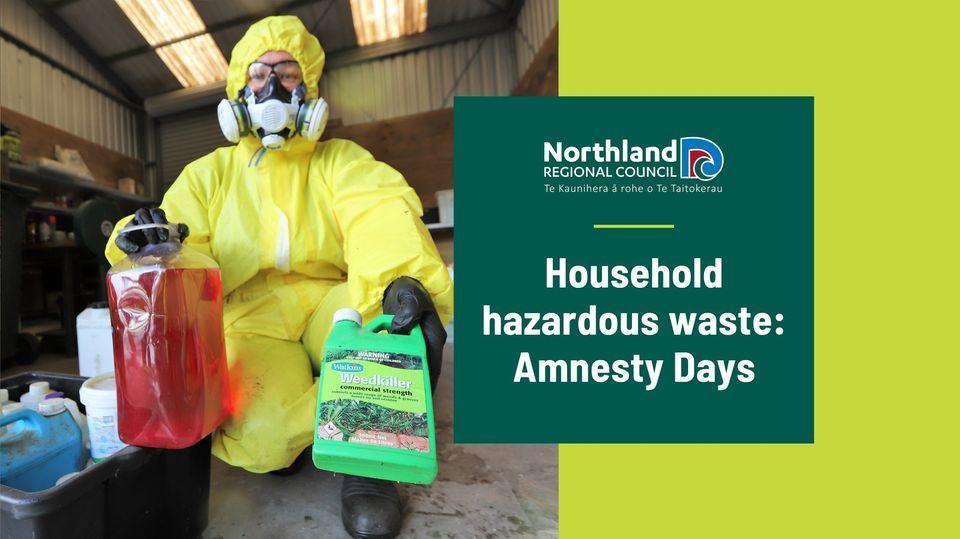
Northland Regional Council's Household Hazardous Waste: Amnesty Days are back!
Bring your household hazardous waste to be disposed of safely. Trained and experienced personnel will be on-site to identify substances, sort them, and store them safely for disposal.
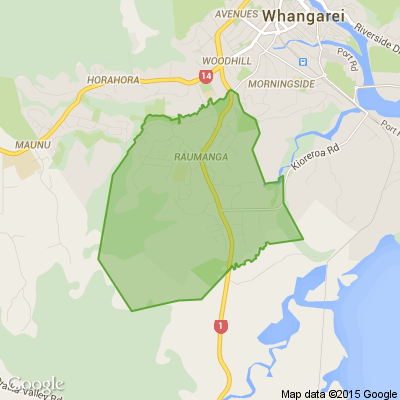
WHERE: Re:Sort Centre, 201 Kioreroa Road, Whangārei
WHEN: 8am-12pm
-16 January 2024
-19 March 2024
-21 May 2024
✅ We will accept small to medium quantities (individual containers up to a total of 20kg or 20 litres) of the following:
- Garden chemicals, sprays and powders
- Pool chemicals
- Corrosive and flammable household products
- Legacy agrichemicals, such as dieldrin, lindane, DDT, 2,4,5-T and 2,4-D
❎ We can't accept:
- Ammunition and explosives*
- Asbestos
- Camping gas canisters
- Fire extinguishers
- Fireworks
- Gas cylinders
- Medical waste
- Non-residential waste
- White goods/appliances
- Waste oil*
- Paint*
- Batteries*
*For disposal of ammunition, flares and fireworks, please contact the NZ Police on 105.
**For the Whangārei district, waste oil, household batteries and paint can be taken to the Re:Sort Centre on non-amnesty days. For the Far North and Kaipara districts, please contact your local district council for disposal options. Car batteries can be taken to a local scrap metal dealer.*
NOTE:
• Please do not bring any hazardous materials or chemicals to any Northland Regional Council offices or drop them at the Re:Sort Centre on non-amnesty days.
• Hazardous waste from businesses (including farms and orchards) will incur a disposal fee. Businesses can contact NRC to find out about options for the disposal or treatment of their hazardous wastes. Alternatively, businesses can bring their hazardous waste to the amnesty days and be on-charged for the disposal costs.
For more information and tips on transporting hazardous substances:
P: 0800 002 004

Some Choice News!
DOC is rolling out a new tool to help figure out what to tackle first when it comes to protecting our threatened species and the things putting them at risk.
Why does this matter? As Nikki Macdonald from The Post points out, we’re a country with around 4,400 threatened species. With limited time and funding, conservation has always meant making tough calls about what gets attention first.
For the first time, DOC has put real numbers around what it would take to do everything needed to properly safeguard our unique natural environment. The new BioInvest tool shows the scale of the challenge: 310,177 actions across 28,007 sites.
Now that we can see the full picture, it brings the big question into focus: how much do we, as Kiwis, truly value protecting nature — and what are we prepared to invest to make it happen?
We hope this brings a smile!


Poll: 🤖 What skills do you think give a CV the ultimate edge in a robot-filled workplace?
The Reserve Bank has shared some pretty blunt advice: there’s no such thing as a “safe” job anymore 🛟😑
Robots are stepping into repetitive roles in factories, plants and warehouses. AI is taking care of the admin tasks that once filled many mid-level office jobs.
We want to know: As the world evolves, what skills do you think give a CV the ultimate edge in a robot-filled workplace?
Want to read more? The Press has you covered!

-
52.7% Human-centred experience and communication
-
14.7% Critical thinking
-
29.8% Resilience and adaptability
-
2.7% Other - I will share below!

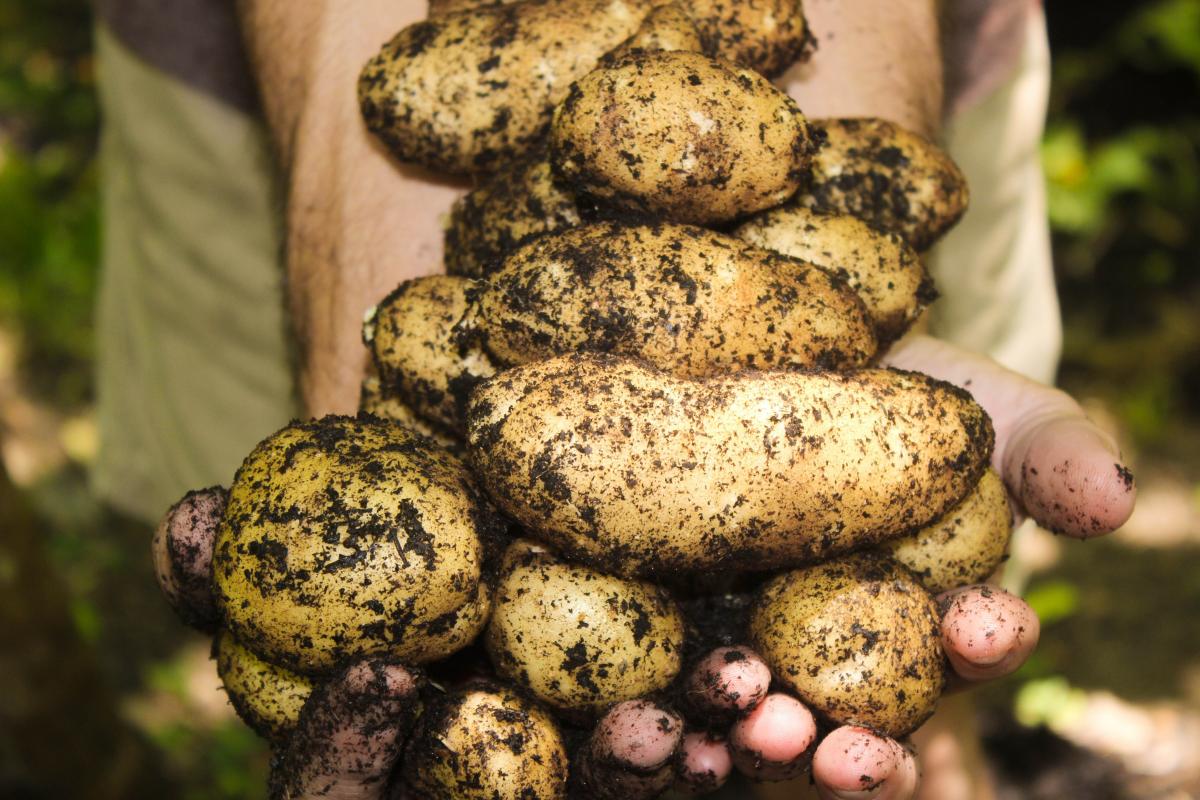
Share your favourite main crop potato recipe and win a copy of our mag!
Love potatoes? We will give away free copies of the May 2026 issue to readers whose potato recipes are used in our magazine. To be in the running, make sure you email your family's favourite way to enjoy potatoes: mailbox@nzgardener.co.nz, by March 1, 2026.
 Loading…