
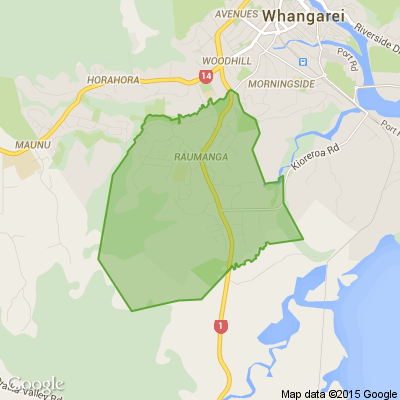






How to maximise our electorate's representation in Parliament
During the last parliamentary term (2020-2023) we were fortunate to have two Members of Parliament (MPs) represent our Whangārei general electorate, Dr Emily Henderson (Labour) and Dr Shane Reti (National).
As it stands, Dr Reti will return to Parliament, no matter the outcome of the upcoming general election, since he is ranked #4 on the National Party list. Giving our electorate vote to him will not influence that in any way - in fact, we will indirectly vote for a random National Party candidate way down the list (in the 40s or 50s), who will represent a different electorate (or none at all). It is prudent to give our electoral vote to a different Whangārei candidate who is ranked low on their respective party's list and won't make it into Parliament on the party vote. That way we will once again be represented by two MPs and double our chances that our electorate's issues and wishes will be recognised and included. The same logic applies to our Te Tai Tokerau Māori electorate, where the incumbent MP Kelvin Davis (Labour) is also guaranteed a seat in the next Parliament, being ranked #2 on the Labour Party list.
As for our party vote, it makes sense to vote for the party we like best and which aligns most with our values, rather than voting "tactically" for a party we don't really prefer, just to try and keep another party out that we like even less. Voting for the party we really support will increase their number of MPs in Parliament (or give them a real chance to make it past the dreaded 5% threshold) and also improve their representation on select committees, where the real work is done and submissions are being heard between the first and second readings of new legislation. If we don't vote for the party we most identify with, we will rob them of the opportunity to make a difference at the negotiation table and shape future legislation in the way we want.
Let's not waste our two votes on a candidate who will get in anyway, or a party we don't actually want (or worst of all, by not voting at all).
To find an advanced voting place, or a voting place on election day, click here.

Some Choice News!
DOC is rolling out a new tool to help figure out what to tackle first when it comes to protecting our threatened species and the things putting them at risk.
Why does this matter? As Nikki Macdonald from The Post points out, we’re a country with around 4,400 threatened species. With limited time and funding, conservation has always meant making tough calls about what gets attention first.
For the first time, DOC has put real numbers around what it would take to do everything needed to properly safeguard our unique natural environment. The new BioInvest tool shows the scale of the challenge: 310,177 actions across 28,007 sites.
Now that we can see the full picture, it brings the big question into focus: how much do we, as Kiwis, truly value protecting nature — and what are we prepared to invest to make it happen?
We hope this brings a smile!


Poll: 🤖 What skills do you think give a CV the ultimate edge in a robot-filled workplace?
The Reserve Bank has shared some pretty blunt advice: there’s no such thing as a “safe” job anymore 🛟😑
Robots are stepping into repetitive roles in factories, plants and warehouses. AI is taking care of the admin tasks that once filled many mid-level office jobs.
We want to know: As the world evolves, what skills do you think give a CV the ultimate edge in a robot-filled workplace?
Want to read more? The Press has you covered!

-
52.6% Human-centred experience and communication
-
14.7% Critical thinking
-
29.9% Resilience and adaptability
-
2.7% Other - I will share below!

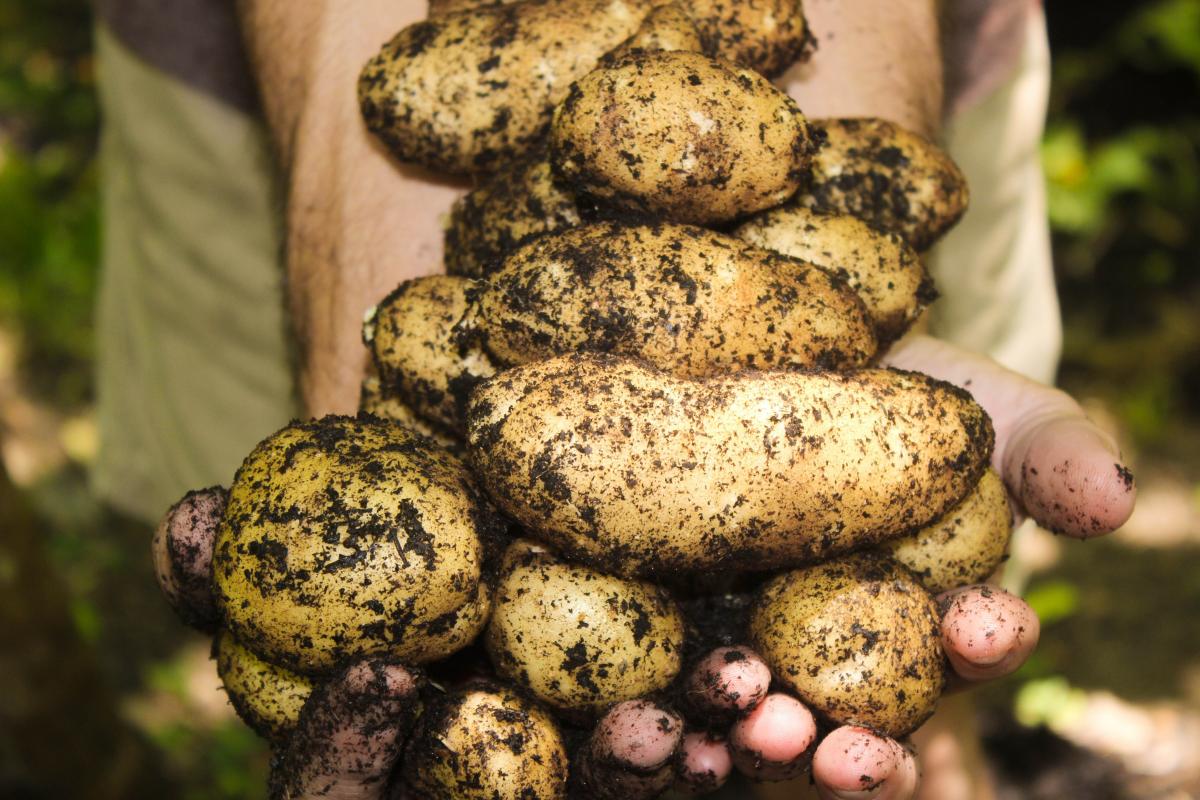
Share your favourite main crop potato recipe and win a copy of our mag!
Love potatoes? We will give away free copies of the May 2026 issue to readers whose potato recipes are used in our magazine. To be in the running, make sure you email your family's favourite way to enjoy potatoes: mailbox@nzgardener.co.nz, by March 1, 2026.
 Loading…